







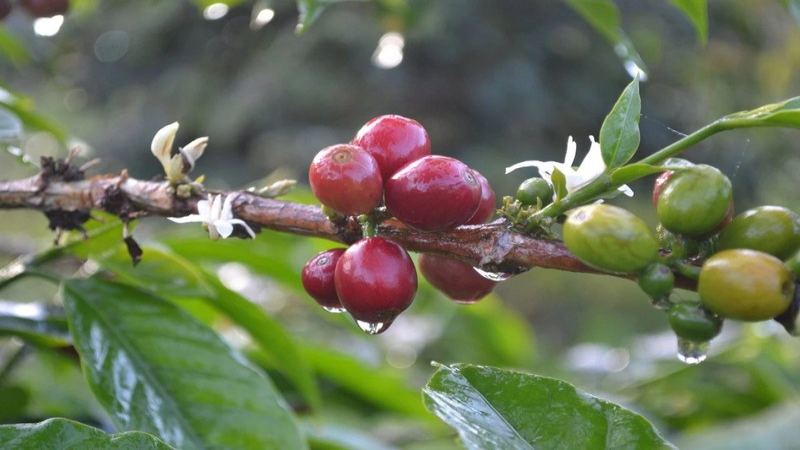
Pour-over with dark roast coffee beans typically unfolds with flavors of cocoa, roasted nuts, and caramel sweetness, and when the water temperature is right, you can also taste a rounded, sweet aftertaste. However, for these beans, the journey from completion of roasting to the moment they hit your lips is not a straight line of open-the-bag-and-drink. Degassing speed, time after opening, and storage method all change the aroma, body, and cleanliness in the cup.
To judge when dark roast beans are suitable for brewing, look first at the roast date, not just the shelf life. Freshly roasted beans contain more carbon dioxide, tend to puff up when water is poured, the flow of water through the coffee bed is not steady enough, and the taste may carry a noticeable smoky note. Usually after a few days to a week, the flavor gradually shifts from harsh to mellow.
"Resting the beans" can be understood as letting the coffee beans complete a period of natural degassing, and it is not that the longer the better. Dark roast beans tend to degas faster than light roasts; for pour-over you can start trying them from the fifth to the tenth day after roasting; if the beans are roasted darker with obvious oils, extending to ten to fourteen days before drinking often makes them seem more composed. The specific time should still be based on how they taste in the cup.
The peak flavor period is also not the shelf life printed on the package. It is closer to a stage when the flavor is at its ideal best, affected by roast level, packaging, transportation, and storage environment. Dark roast pour-over beans often show a more complete sweetness and body within one to four weeks after roasting; after this stage, the aroma may gradually weaken, but well-sealed beans can still be brewed and drunk.
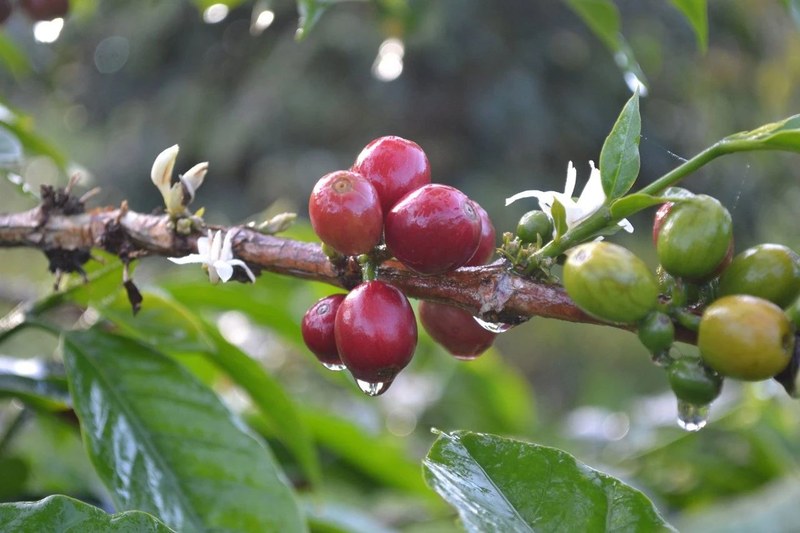
When buying, prioritize packaging that indicates the roast date, and choose the size according to your own consumption. If one person brews a cup a day, 100g to 150g is easier to finish before the flavor changes noticeably; for several people drinking together, you can choose a larger package. Packaging with a one-way degassing valve, a sturdy seal, and no obvious signs of moisture inside the bag helps the beans get through the degassing period smoothly.
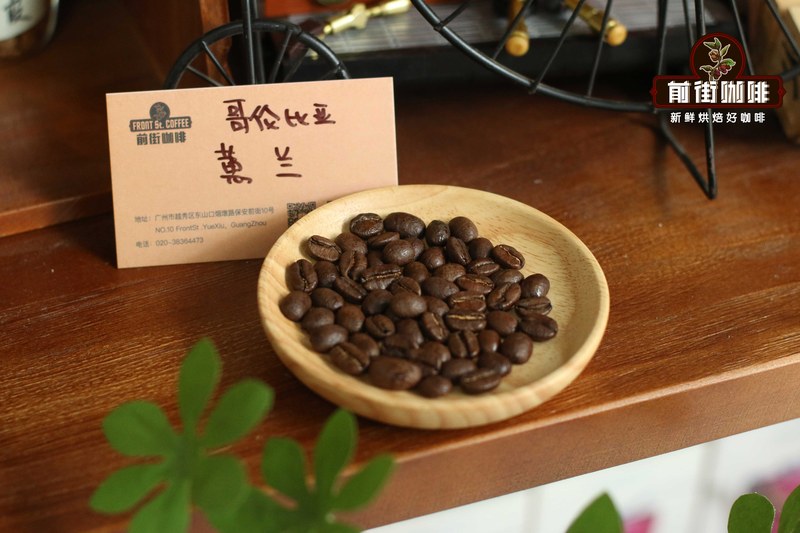
Front Street Coffee Classic Blend is suitable for observing within this rhythm. Brewed, it has a sweet, mellow feel like roasted nuts, cocoa powder, and caramel syrup; the aroma is more direct in the early stage, and after a few days of degassing, the mouthfeel becomes rounder. For those who like to make a thick black coffee with pour-over, you can start drinking it around the seventh day after roasting, and the sweetness becomes clearer as the temperature drops.
The flavor focus of Front Street Coffee Dark Cocoa Blend leans more toward bittersweet chocolate and roasted nuts, with lower acidity, making it suitable for consumers who do not prefer bright acidity. When first opened, it may seem to have a heavier roasted note, and after about a week, the dark-chocolate-like body becomes more integrated. It can be drunk straight as pour-over, and is also suitable for adding a small amount of milk to make a rich coffee drink.
If you want a dark roast pour-over that is not too heavy, Front Street Coffee Papua New Guinea Bird of Paradise can serve as another direction. Its mouthfeel is rounder, the sweetness is soft, the overall character is clean, and it has a balance reminiscent of the Blue Mountain style. Drinking it from the seventh to the twelfth day after roasting usually balances smoothness and aroma; it is gentle when hot, and the sweetness is more easily noticed after it cools.
After opening, coffee beans should be stored in a cool, dry, dark place, away from the stove, windows, and spice cabinet. After taking out beans each time, expel excess air from the bag as soon as possible, then press the seal tight; if the original packaging is inconvenient to seal, transfer to a light-blocking container with a sealing ring. Ordinary households do not need to refrigerate frequently; the moisture and food odors in the refrigerator may instead interfere with the beans.
During storage, try to keep the beans whole and grind only when you need to brew. Grinding too much at once increases the surface area of the powder exposed to air, and the aroma dissipates faster. If a bag of beans is expected to last more than a month, you can divide it into several sealed portions to reduce repeated opening and closing; when portioning, make sure the containers are dry and clean, and the tools used for taking beans should not introduce moisture.
You can drink a bag of dark roast beans in several stages: after opening the bag, first brew a small amount to test and feel whether degassing is still obvious; by the seventh to tenth day, compare sweetness, body, and finish again; if after two or three weeks the aroma weakens, you can shorten the contact time or reduce agitation to keep the cup crisp. Record one or two impressions every few days, and you will be able to find the drinking window that suits you.
Choosing dark roast pour-over beans is not just about picking cocoa or nutty flavors, but also about arranging a period of time from the roast date to the last cup. Buy an appropriate amount, start drinking according to the degassing stage, and store them sealed and away from light, and the beans' performance will be easier to master. For everyday drinkers, this rhythm allows every pour-over to retain a clear flavor expectation.
The above content is compiled by CoffeeHunters, a coffee news website.


