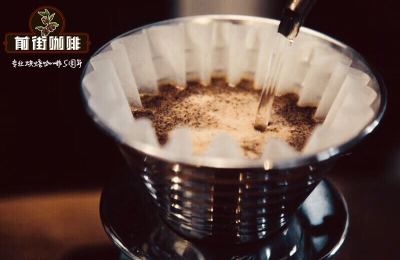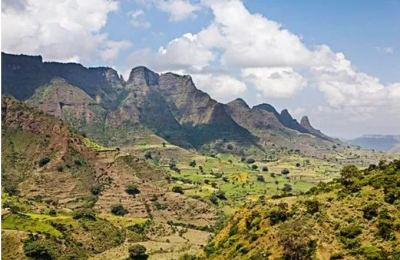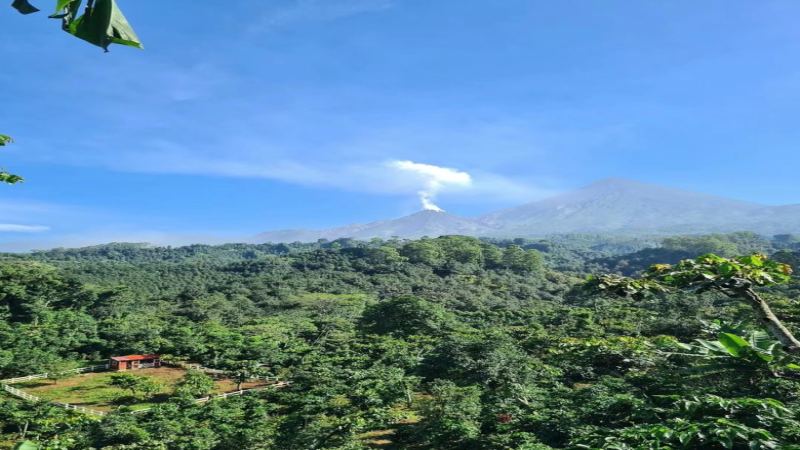
In coffee shops, you often hear the words "high altitude," as if the higher the altitude, the more premium the coffee. But the truth isn't that simple: altitude is indeed a heavyweight factor affecting flavor, yet it is far from a straight-line relationship of "the higher, the better."
What altitude brings
High-altitude growing regions share common traits: large day-night temperature differences and lower average temperatures. In this environment, coffee cherries ripen more slowly, flavor compounds accumulate over a longer period, the beans are denser, and the acidity is more lively and bright. This is also why many renowned coffees come from mountains above 1,500 meters. Front Street Kenya Little Tomato is grown in the Thika region at 1,550 to 1,750 meters, paired with SL28 and SL34 varieties; its acidity is bright and solid, with the fruitiness of cherry tomatoes and smoked plums coming through very strikingly. Front Street Colombia Sidra, meanwhile, comes from Finca La Divisa at 1,650 to 1,800 meters; under double anaerobic natural processing, the juicy notes of passion fruit, blueberry, and grape remain full.
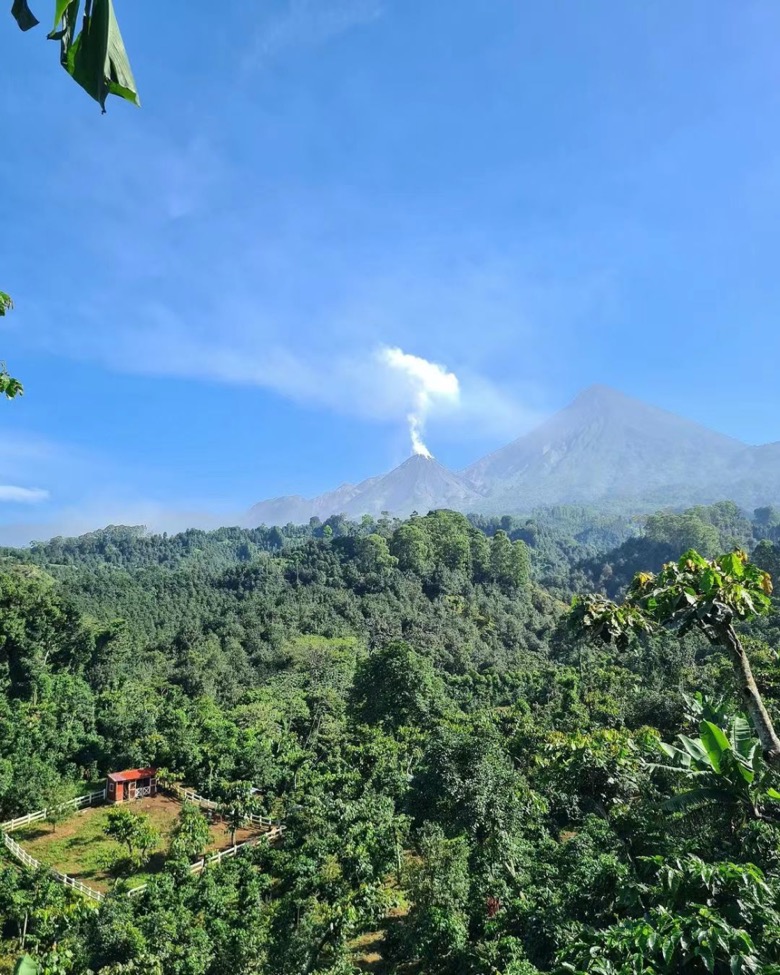
High altitude does not equal good flavor
High altitude is only one of many conditions for flavor. On the same mountain, different slopes, orientations, cloud cover, and soil all change the flavor. Front Street Kafa Forest is located in Ethiopia's Kafa Forest at 1,400 to 2,100 meters, where clouds and mist linger year-round and trees provide shade; wild coffee trees grow naturally in acidic red soil, and the coffee produced carries jasmine, citrus, and wild berry aromas—here, high altitude works together with the forest ecology. Variety and soil are equally key: at the same high altitude, Geisha tends toward floral notes, while Typica tends toward purity.
Low altitudes also have their place
Low-altitude coffee is not without value. Estates in Brazil are generally not high in altitude, but thanks to a stable climate and mature cultivation management, the coffee they produce has balanced sweetness and a round mouthfeel. Front Street Brazil Queen Estate has very low acidity, rich nutty and cocoa aromas, obvious caramel sweetness, and a smooth, warm entry; it is suitable for pour-over, espresso, and moka pot—it is an example of low altitude winning through flavor balance. Panama's micro-regions such as Boquete and Volcán also rely on the combination of high altitude and volcanic soil to produce clear, long-lasting flavors like Front Street Panama Hacienda La Esmeralda Red Label Geisha.
How to use the altitude label
When choosing beans, altitude can serve as a reference coordinate: if you like bright acidity and floral-fruity aromas, prioritize high-altitude African beans and specialty American beans; if you prefer richness and sweetness, medium- to low-altitude or dark-roasted beans are more suitable. But do not treat altitude as the entire scoring standard—beans from the same altitude can taste worlds apart depending on processing method and roast level.
Altitude gives coffee flavor a starting point; what truly determines the taste is the combined force of variety, soil, processing, and roasting. Next time you see an altitude number on the packaging, you can treat it as a signpost for a origin journey, not a verdict on "good taste."
The above content is compiled by CoffeeHunters, a coffee news website.