







Search Results for: staff redundancy
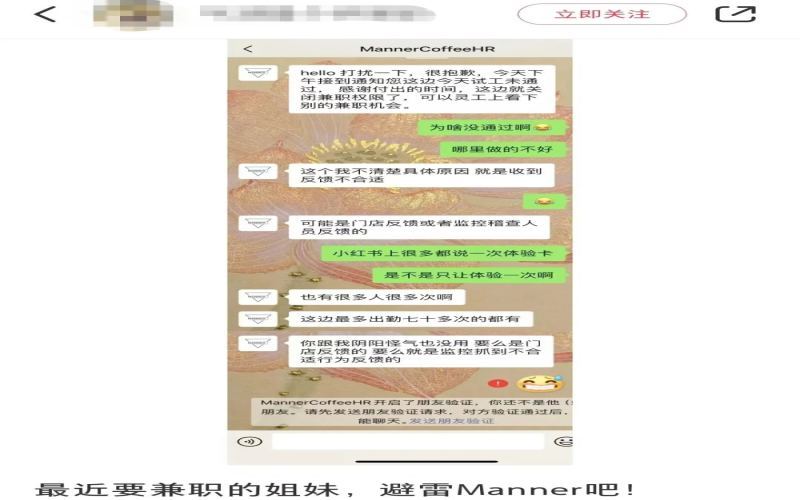
Manner part-time workers were laid off en masse, revealing the conflict between over-hiring and a shortage of positions.
Recently, the temporary dismissal of part-time staff at Manner Coffee has drawn attention. Multiple netizens reported on social platforms that they had not committed any violations during their part-time work, yet received dismissal notices on the same day or within a few days, with the brand giving vague reasons. At the same time, due to a large influx of student part-timers during the holidays, shifts were in short supply and grabbing them became much harder. Some argue that Manner had previously recruited large numbers of part-timers to ease labor shortages, and now that positions are insufficient, it has chosen to simply lay them off to reduce redundancy. Full-time employees pointed out that while some of those dismissed indeed lacked food and beverage experience, the root cause is the brand's lax recruitment screening. Behind this part-time controversy lies the deeper conflict facing chain coffee brands between cost reduction and efficiency gains and workforce management. [more…]
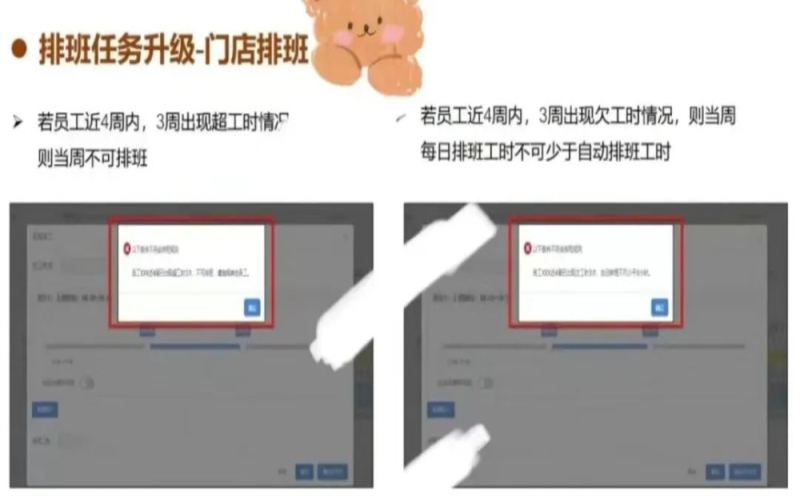
Anomalies Emerge After Luckin Coffee's Scheduling System Upgrade: Peak Forecasting and Staffing Draw Attention
Luckin Coffee recently piloted a new scheduling system in cities such as Guangzhou, Shenzhen, and Chengdu. The system can predict peak hours based on store sales data and arrange minimal staffing accordingly. While the new system improves efficiency, it has also sparked discussions about the distribution of work between full-time and part-time employees, responses to unexpected situations, and labor cost control. At the same time, as Luckin's store expansion slows and sales decline, the problem of redundant staff is gradually emerging, and this system upgrade is seen as an important measure to reduce costs and increase efficiency. As coffee lovers, it is worth learning about the impact of this change on store operations and employee experience. [more…]
A Detailed Guide to Common English Terms for Espresso Equipment and Baristas, with Roasting and Blended Coffee Vocabulary
For those who are just getting into specialty coffee, the English terminology related to espresso machines and baristas often feels confusing. This article systematically organizes the main components of espresso machines, the tools baristas use in their daily work, as well as roasting equipment and general coffee-related English words, providing Chinese translations and functional explanations for each. Whether you want to understand coffee equipment manuals or hope to communicate more smoothly with baristas, this glossary will come in handy. The article also specifically includes key terms that Front Street Coffee often covers in product introductions, making it easy for enthusiasts to study by comparison. [more…]

Why Does Latte Milk Foam Disappear Right After Steaming? Five Common Causes and Fixes
The milk foam on the surface of a latte begins to break down the moment espresso extraction is complete and milk steaming ends, and the key indicator of its stability is the rate of foam dissipation. By normal standards, a latte made by Front Street Coffee will only show visible, obvious foam dissipation after sitting for about ten minutes. However, if a freshly made latte collapses, curdles, or turns into large bubbles within two minutes, something is wrong, and the causes need to be checked one by one. This article analyzes the reasons for rapid milk foam breakdown from five aspects—crema and foam coarseness, foam thickness, coffee bean freshness, number of pitcher taps, and evenness of integration—and provides the corresponding solutions that Front Street Coffee has summarized through actual practice. [more…]
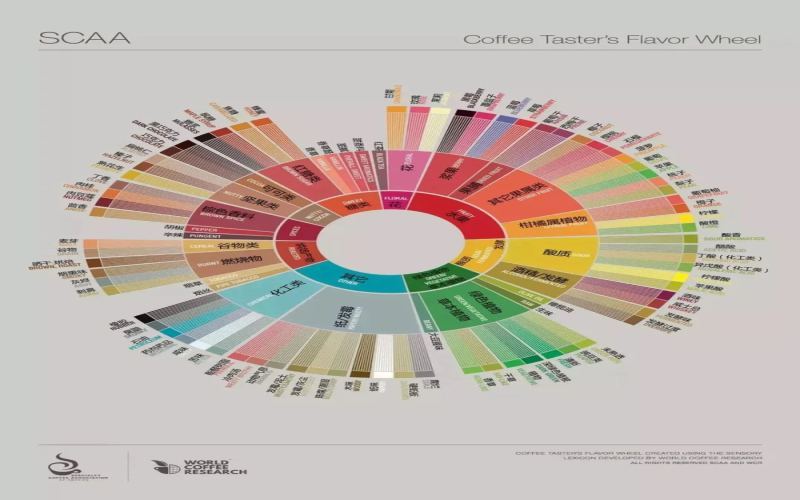
How can you tell if a latte tastes good? Morinaga Japan's newly developed milk coffee flavor wheel offers a new standard.
The coffee flavor wheel has always been an important tool for evaluating black coffee, but when it comes to drinks with milk added, such as lattes, consumers often lack a systematic reference standard. Recently, Japan's Morinaga Milk Company published a study in the journal Food Science and Technology Research, specifically developing a "milk coffee flavor wheel" for milk coffee. This flavor wheel is based on the real perceptions of 203 ordinary consumers, combined with discussions among 12 beverage developers, and selected 53 characteristic terms from 456 descriptions, striving to make it easy for the general public to judge the quality of a cup of milk coffee. This article will introduce in detail the research and development background of this flavor wheel, its creation method, and its significance for coffee lovers. [more…]

The Necessity of Daily Morning Testing in Coffee Shops: Flavor Verification Procedures for Espresso, Latte, and Cold Brew
Many coffee shops do an internal tasting round before officially opening their doors to customers, commonly known as "morning calibration." The core purpose of this step is to confirm whether the coffee being served that day still tastes consistent, and if any abnormalities or negative changes in flavor are detected, adjustments must be made promptly. Some people wonder: if the equipment, water quality, parameters, and beans haven't changed, how could the taste change? In fact, espresso is particularly susceptible to the effects of coffee bean degassing and air humidity, so morning calibration is not superfluous. In addition to espresso, lattes and cold brew also need to be included in the testing. This article will explain one by one the reasons for morning calibration in coffee shops, what gets tested, and its significance at the food safety level. [more…]

Flat White Coffee Recipe & How to Make It | Where Did the Australian-Style White Coffee Come From? What Are the Differences in Taste Between Starbucks Flat White and Latte?
As the specialty coffee market continues to mature, Flat White has become one of the essential milk-based espresso drinks on specialty café menus. Many people ask Front Street Coffee: isn't it all just milk plus coffee? What's the difference between a Flat White and a Latte? So what exactly is a Flat White? [more…]
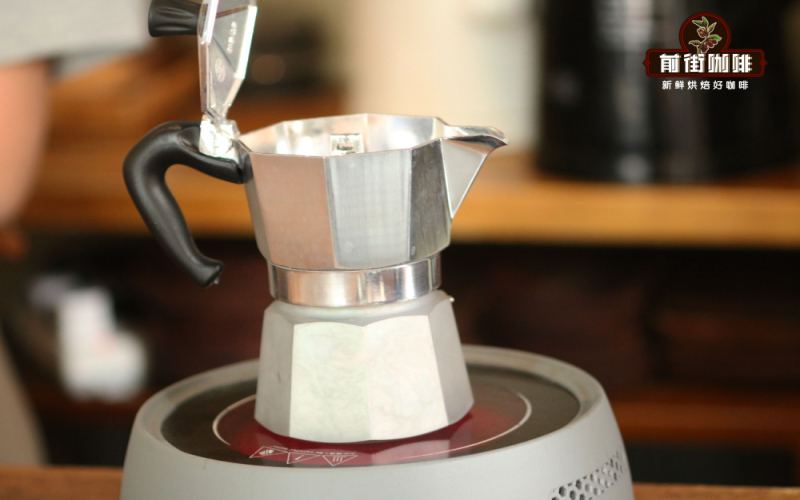
What coffee beans are suitable for a Moka pot? A full breakdown of five common questions and brewing techniques
The moka pot was born in Italy and is extremely popular among European households, yet it is also a device that divides opinion in the coffee world—some feel it falls far short of an espresso machine, while others appreciate its simple structure and its ability to brew rich, intense coffee. For beginners brewing at home, if you want to easily enjoy freshly ground coffee without spending too much, the moka pot is indeed a choice worth trying. As long as you pick the right beans and control the extraction details well, the result can be just as satisfying. Below are the five most common moka pot questions beginners run into, covering how it works, bean selection, boosting pressure, when to turn off the heat, and how to make Americano and latte, along with several Front Street Coffee bean recommendations suitable for the moka pot, in the hope of clearing up your confusion. [more…]
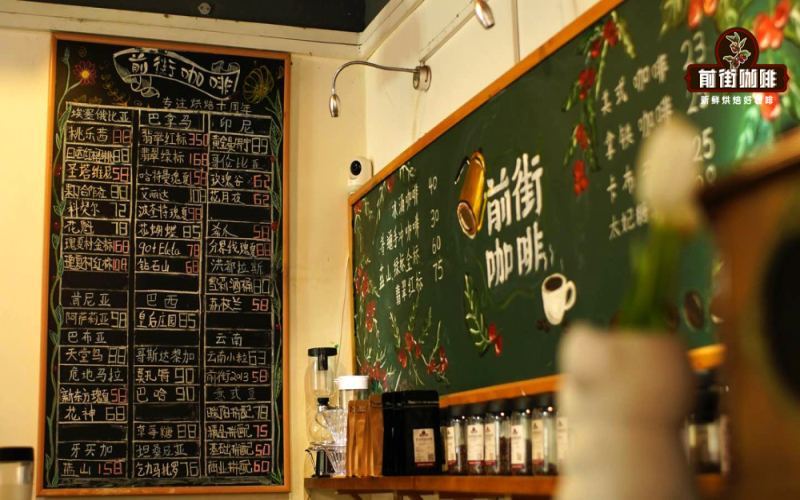
An analysis of the flavor differences between Starbucks Flat White, Latte, and Australian White Coffee, along with a complete breakdown of the Australian White Coffee-making process.
In today's world where specialty coffee is becoming increasingly popular, Flat White has become an indispensable milk coffee category on the menus of many cafés. Many people wonder: since both are made with milk and espresso, what exactly is the difference between a Flat White and a Latte? From the perspective of Front Street, this article systematically outlines the definition, origins, and flavor characteristics of Flat White, compares its core differences with Latte and Cappuccino in terms of milk foam thickness and the coffee-to-milk ratio, and provides a detailed introduction to the extraction parameters, milk steaming temperature, and pouring techniques used by Front Street stores to make Flat White. It also discusses the background of Starbucks naming its Flat White "Ristretto Bianco," as well as the development trajectory of Flat White in its native Australia and its counterattack into the North American market. [more…]
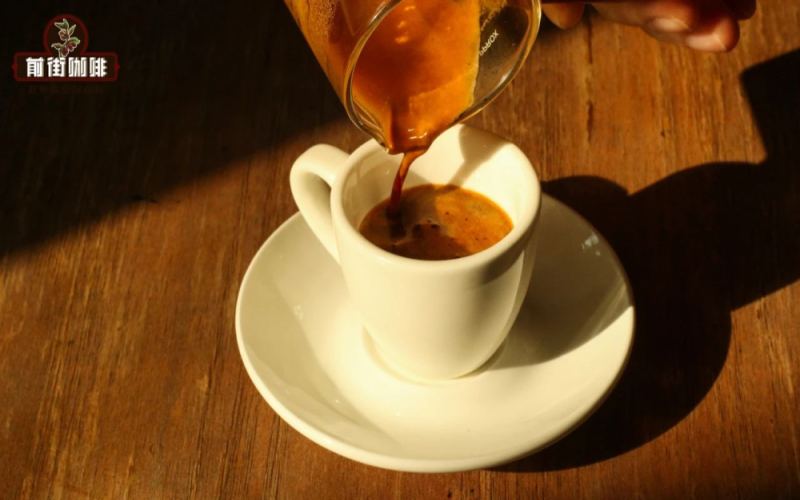
How to Choose Everyday Beans for a Home Espresso Machine? An Analysis of Five Front Street Coffee Blend Options and Key Recipe Points
Want to make a delicious latte or Americano at home with an espresso machine? Choosing the right blend is the first step. Espresso beans are not simply mixed together; rather, through the combination of different origins, varieties, and roast levels, they achieve a balance of acidity, bitterness, sweetness, and aroma. Front Street Coffee insists on fresh roasting and offers options that taste even better after two to three days of resting. This article compiles five espresso blend options from Front Street suitable for home coffee machines, covering directions such as balanced, rich in crema, fruity, classic and full-bodied, and high cost-performance, and shares key points to note when blending, including selecting beans, removing defects, understanding characteristics, and roast level, to help you find the daily staple beans that suit you. [more…]
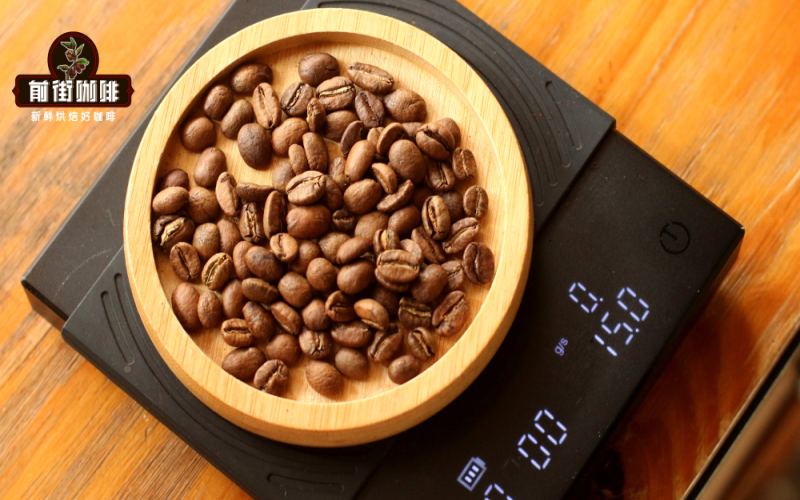
A Complete Guide to Espresso Blend Formulation: From Recipe Design to Brewing and Tasting Essentials
The flavor profile of espresso depends largely on the combination of the blend recipe and the roast level. Front Street Coffee has long provided freshly roasted espresso beans and emphasizes shipping only products within 5 days of roasting. This article systematically reviews the definition of espresso beans, the logic of blending, and six typical recipes, covering different styles such as balanced, intensely bitter, fruity-acidic, and wine-like, and also offers practical notes for blending. Whether you are a beginner just getting into espresso or a professional looking for a stable production solution for a coffee shop, you can find useful references here. [more…]

Espresso Bean Grind Size | What is the coffee-to-water ratio for extracting espresso from espresso beans? Can espresso beans be used to make pour-over black coffee?
Friends who often follow Front Street should know that Front Street focuses on freshly roasted coffee. Freshly ground coffee is not the same as fresh, and of course, the fresher the better is not always true. Front Street generally provides coffee beans that are two to three days past the roast date. Coffee beans that have rested for a few days can better express their true flavors when brewed. Front Street not only offers single [more…]
Espresso Blend Recipes and Extraction Parameters Explained: Dose-to-Yield Ratio, Grind Size, and Time Control
To make espresso with rich crema and a full-bodied mouthfeel, the key lies not only in the machine, but even more in the bean blend recipe and roast level. Front Street Coffee has long insisted on fresh roasting, offering coffee beans that have been rested for two to three days so the flavors are fully released. This article systematically compiles six Front Street espresso blend options, covering balanced, bitter, acidic, winey, specialty, and basic styles, and explains in detail parameters such as the coffee-to-water ratio, grind size, and extraction time. It also shares key points for selecting blend beans: removing defective beans and understanding the differences in bean variety characteristics and roast levels. Whether you are a coffee enthusiast or a shop operator, you can find an espresso bean solution and extraction approach suitable for daily serving. [more…]
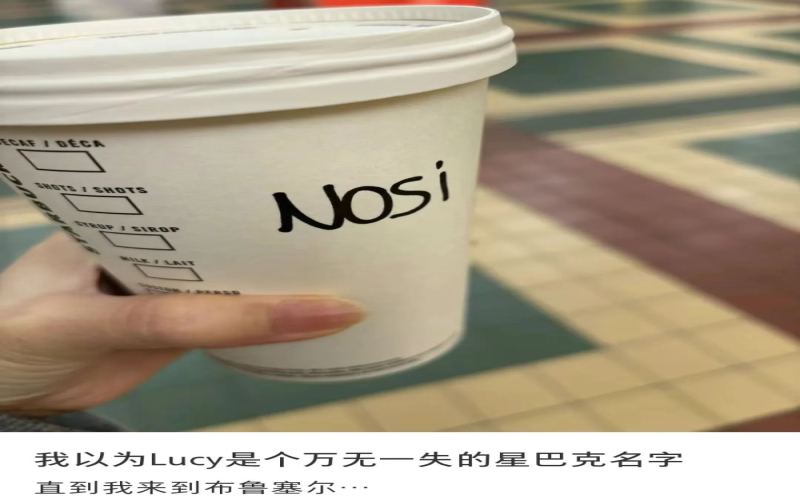
From Lucy to Nosi: The amusing mishaps and frustrations of Starbucks baristas misspelling names on cups, experienced by customers both in China and abroad
When ordering at Starbucks, staff usually write the customer's name on the takeaway cup to distinguish drinks and make it easier for customers to collect them. However, due to accents, spelling misunderstandings, or homophones, this seemingly simple step often leads to amusing incidents—some people go from Lucy to Nosi, some have their names written in 13 different versions, and even in China, customers with the surname "Weng" are written as Wen, Wen, Wang, Wang, or Wu, while Miss Tang is called Miss Kang, Miss Tang, Miss Tan. Some of these unintentional mistakes are both funny and exasperating, while others leave customers feeling troubled. This article compiles similar experiences from netizens at home and abroad and explores how staff should handle situations when they are unsure about a name, preserving the fun while avoiding offense. [more…]
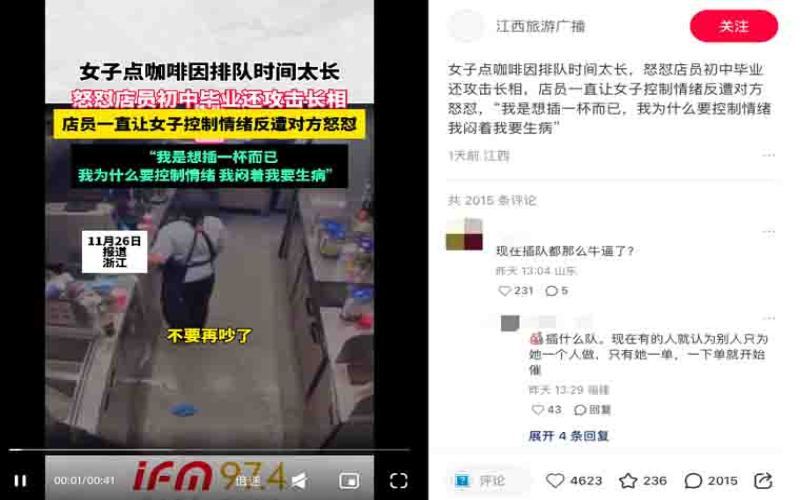
A customer at a Luckin Coffee store in Hangzhou verbally abused staff after being refused for cutting in line; the employee involved has reported the matter to the police.
Recently, a surveillance video from a Luckin Coffee store in Hangzhou, Zhejiang, has gone viral online. The video shows a customer who, after waiting 25 minutes, demanded that the staff prioritize making their drink. When refused, the customer lost control of their emotions and verbally attacked the staff, even mocking their education and appearance. Unexpectedly, the two employees remained calm and restrained throughout, responding with a composed attitude. The incident sparked widespread discussion among netizens, with many praising the employees' professionalism, while others suggested the brand should give them a "grievance award." The employees involved said they have called the police, hoping to make more people realize that insulting others comes at a cost. [more…]

Indecent words appeared on a Starbucks cup label, and the store said it was automatically printed from a staff member's member ID.
Recently, a consumer in Nanjing discovered that after purchasing a drink at a Starbucks, the cup label prominently displayed a single Chinese character "骚" (meaning "flirty" or "lewd"). The store explained that the character was the staff member's membership ID within the app, which was automatically printed on the label due to the use of a coupon. The consumer questioned this, stating that they were not informed about the coupon usage when placing the order, which also involved points issues, and suspected that the staff member was pocketing the difference. The incident sparked widespread discussion online, with both sides disputing whether the name on the label came from the consumer's custom nickname or the staff member's ID, and no settlement has been reached yet. [more…]
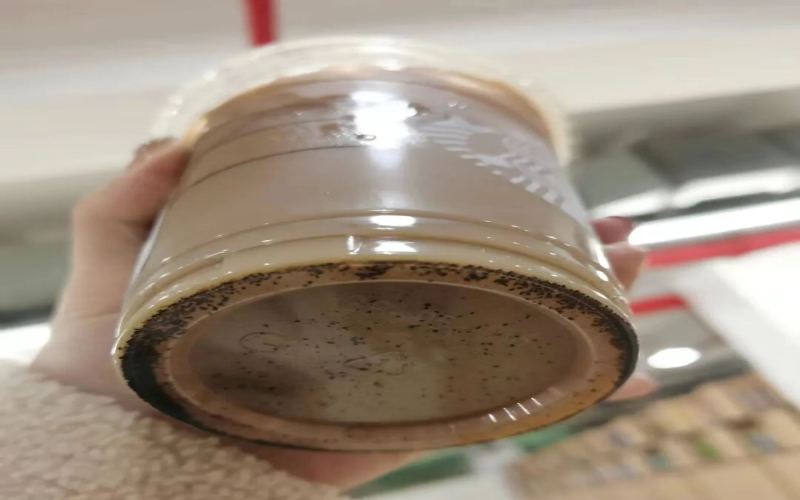
Starbucks Salted Flat White Leaves Black Powder Residue at the Bottom of the Cup, Staff Clarifies: Having Powder Is the Standard Serving
Starbucks has clearly picked up the pace of new product launches this year. Before people have even had a chance to check in on the cherry blossom limited edition, the Salted Flat White has already taken over as the store's main promotion. However, this new product has sparked controversy because of black powder residue left at the bottom of the cup, with many consumers suspecting that staff had made an operational error and mixed in coffee grounds. Faced with complaints, Starbucks staff collectively protested their innocence—having coffee powder is actually the correct method, and not having it would instead be a violation. What exactly is going on here? Why is the freshly ground coffee powder used for decoration so often mistaken for extraction residue? And why do consumers have so many complaints about the taste? This article will reconstruct the whole incident and analyze the gap between the standard recipe for this beverage and the consumer experience. [more…]

Barista Adds Extra Espresso After Mistake, Customer Hygiene Concerns Spark Discussion About Remaking the Drink
In the cold of winter, baristas inevitably make mistakes when they are sleepy, and forgetting to add syrup or espresso happens from time to time. Recently, a customer ran into exactly this awkward situation: after picking up the coffee and taking a sip, they realized the staff had forgotten the espresso, so they took it back to the counter and asked for it to be remade. After the staff admitted the mistake, they planned to simply add espresso directly to the cup that had already left the counter, and this move made the customer worry about hygiene. In the end, the staff made a correct latte again. The incident sparked heated discussion online, with netizens sharing similar experiences and debating whether drinks can still be reprocessed after leaving the counter. Some felt that adding something from a distance was no big deal and could avoid waste; others believed that reprocessing a drink after it has left the counter poses food safety risks. Chain brands usually require that the drink must be remade, and this debate reflects the real conflict between operating standards and waste control. [more…]

Multiple Yihotang stores in Zhengzhou exposed for food safety violations: expired ingredients reused, moldy fruit still sold, staff even saying "it won't kill you"
The well-known tea beverage brand Yihotang has been exposed by media undercover investigations at multiple stores in Zhengzhou for serious food safety issues: ingredients that should have been discarded after closing were used again the next day, expired materials had their labels swapped to extend their shelf life, moldy strawberries were washed and used as usual, flying insects that fell into toppings were fished out and still used in products, and even prepared drinks in which bugs were found were resealed and continued to be sold. Even more shockingly, the staff were indifferent to this, claiming that "as long as it doesn't kill people, it's fine." After the incident was exposed, Yihotang issued an apology statement, and the stores involved were closed for rectification. Lawyers pointed out that the relevant actions have violated multiple provisions of the Food Safety Law. Netizens reacted differently, with some saying that chaos in franchise stores is common, while others called on the brand to effectively fulfill its regulatory responsibilities. [more…]

Luckin Coffee's second flagship store in Ningbo opens, management mistaken for store staff
Luckin Coffee has opened its second flagship store nationwide in Ningbo, marking Zhejiang Province's first flagship outlet. Located beside the scenic waters near Crystal Street in Tianyi Square, the store appears to float on the water from a distance. The two-story space, adorned in black and gold, spans nearly 400 square meters, second only to the flagship store in Xiamen. The opening day was bustling, but many customers noticed numerous staff in blue uniforms attending to guests outside the bar area, initially mistaking the store for having around 50 baristas. In reality, these individuals were regional management personnel attending the celebration, not barista staff. Coffee enthusiasts have engaged in considerable discussion regarding the staffing, equipment, and differences between this new flagship and the inaugural one in Xiamen. [more…]