







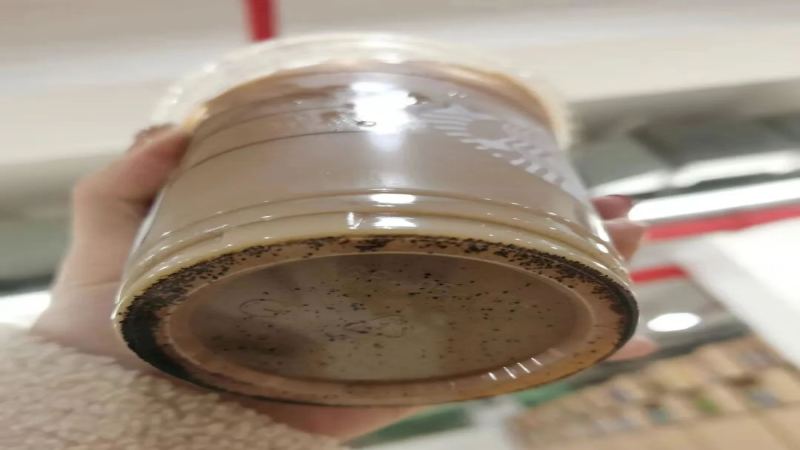
Is the black powder in the Salted Flat White a coffee powder preparation step?
The black residue at the bottom of Starbucks Salted Flat White cups is not extraction waste. Staff say the drink is finished with a dusting of finely ground coffee, so powder in the cup follows the standard recipe, and a cup without it would count as a serving error. Some customers still read the dark layer as a mistake.
The gap comes down to coffee powder preparation and expectations. Freshly ground decorative powder settles and clings to the cup base and lid, which looks like used grounds once the drink is finished. Complaints about grit and bitterness have followed the launch, and store teams have had to explain the recipe while the Salted Flat White remains a promoted item.
Starbucks has clearly picked up the pace with new releases this year. Before people have even had a chance to check in on the cherry blossom limited edition, the Salted Flat White has already taken over as the store's main promotion. However, this new drink has sparked controversy because of the black powder left at the bottom of the cup, with many consumers suspecting that staff made an operational error and mixed in coffee grounds. Faced with complaints, Starbucks staff have collectively cried foul — having coffee powder is actually the correct method, and not having it would instead count as a violation. What exactly is going on here? Why does the freshly ground coffee powder used for decoration keep being mistaken for extraction residue? And why do consumers have so many complaints about the taste? This article will reconstruct the whole incident and analyze the gap between the drink's standard recipe and the consumer experience.
▲ Click to follow | Daily specialty coffee culture magazine Coffee Workshop This year's Starbucks feels a bit different from previous years, and the frequency of new product launches has left customers barely able to keep up. Before the cherry blossom limited series could even be tasted, the main display spot in stores had already been taken over by the Salted Flat White. This rapid iteration has left Starbucks fans who love trying new things both pleasantly surprised and happy to place orders for their first taste as soon as the menu updates.
However, recently many customers who bought the Salted Flat White noticed obvious black powder residue left at the bottom of the takeaway cup after finishing the drink. People could not help but wonder: where did these coffee grounds come from? Could the staff have made a mistake while preparing it? Similar feedback has not been an isolated case. On major social platforms, many users have posted their Salted Flat Whites, showing a layer of black powder clinging to the bottom of the cup or the lid. Some consumers, though, said their cup did not have this phenomenon, so many speculated that the drinks with powder residue might have been the result of staff oversight, accidentally bringing already-extracted coffee grounds into the cup.
Faced with consumer complaints about the powder residue, Starbucks staff have protested their innocence. They say the powder in the cup is not an operational mistake — on the contrary, if there is no black powder in the takeaway cup, then that is what fails to meet the standard. That is because the correct presentation of this Salted Flat White originally includes coffee powder. According to Starbucks' officially published ingredient information and staff explanations, after this Salted Flat White is made, freshly ground coffee powder needs to be sprinkled over about half of the liquid surface as a garnish. The black powder that consumers mistake for coffee grounds is actually the coffee powder used for decoration in the standard procedure.
Some staff revealed that because they worry the decorative coffee powder will be mistaken by customers for coffee grounds and lead to complaints and bad reviews, some partners choose to omit this step during preparation. This has led some consumers to mistakenly believe that a normally produced Salted Flat White does not contain black powder at all, when in fact the cup with coffee powder is the standard version that has not cut corners. At the same time, staff also ask customers to drink it with peace of mind — the coffee powder used for decoration is all freshly ground from coffee beans that day, not the extracted residue everyone is worried about.
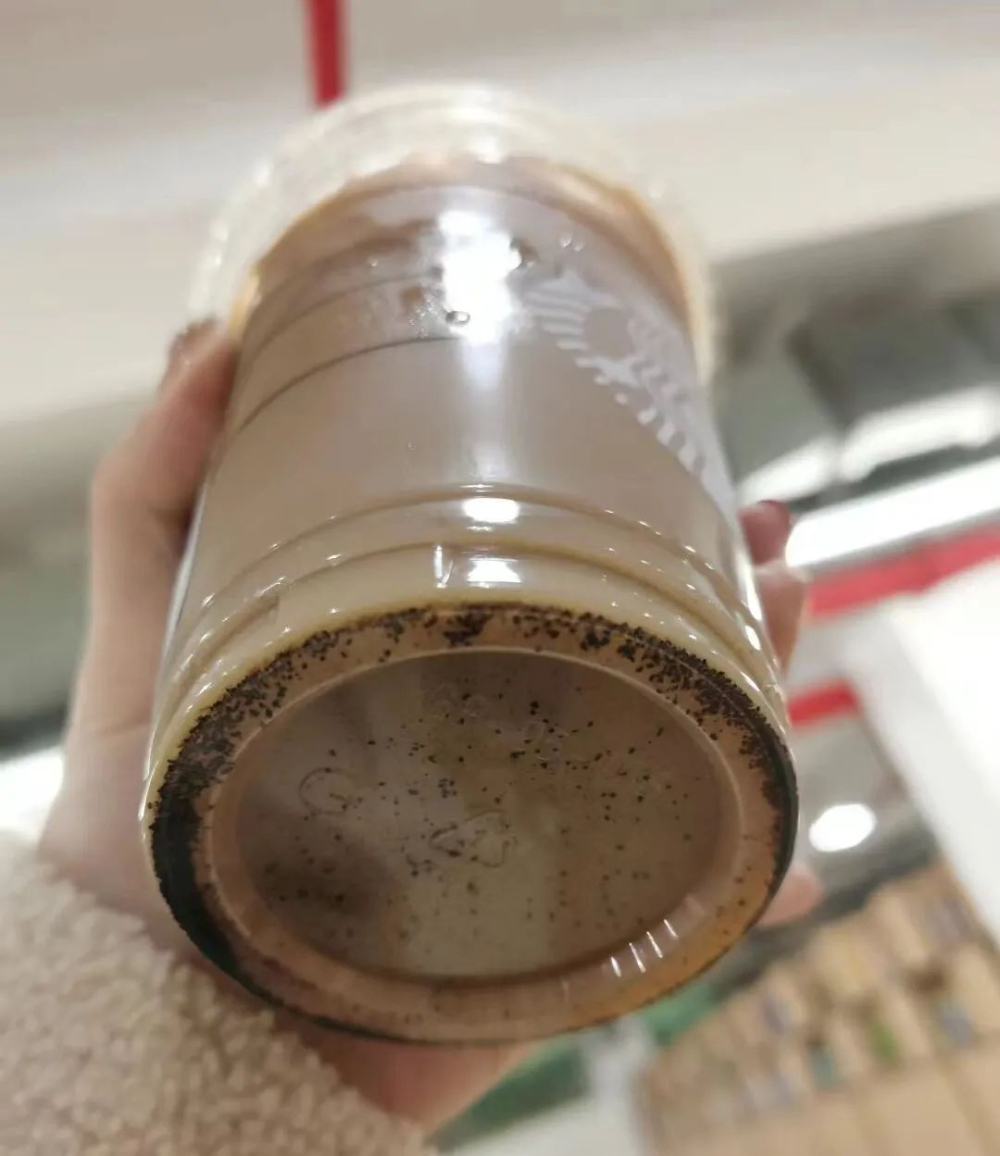
Although adding coffee powder is what conforms to the operating standard for the Salted Flat White, some users still say that after the coffee powder is added to this new drink, the overall mouthfeel is unpleasant. Some bluntly said, "These grounds are incredibly scratchy in the throat, it's awful," while others reported "a clear foreign-body sensation," and some consumers complained that "the freshly ground coffee powder not only affects the taste but also gets mistaken for a foreign object." Even among staff who have personally made this drink, quite a few find the step of sprinkling coffee powder puzzling. In their view, this step not only seems superfluous but also easily causes customers to misunderstand, thinking it is the result of improper staff operation. Some stores have reported cases where customers mistook the decorative coffee powder for coffee grounds and asked staff to remake the drink.
Some users suggested: why not replace the water-insoluble coffee powder with chocolate powder or cocoa powder of a similar color. In this way, it would not cause mouthfeel problems, could also avoid consumer misunderstanding, and would not leave Starbucks staff caught between standard production and rule violations. For coffee lovers who pursue consistent quality, Front Street Coffee reminds that whether it is a store beverage or your own pour-over, the grind size and method of using coffee powder will directly affect the drinking experience, and choosing freshly roasted coffee beans with an appropriate grind is always key. Image source: Xiaohongshu Disclaimer: Some images in this article are from the internet. For some content on the website, such as images, we will respect the original author's copyright and indicate the source. However, due to the large quantity, there may be individual images or texts that have not yet been credited. Please forgive us. If the original author has any dispute, they may contact the website for handling, and once verified we will correct it immediately. Compiled and edited by "Coffee Workshop." Please indicate the source when reposting. If there is infringement, please inform us for deletion. Thank you~!
The above content is compiled by CoffeeHunters, a coffee news website.


