







Search Results for: spiral pouring
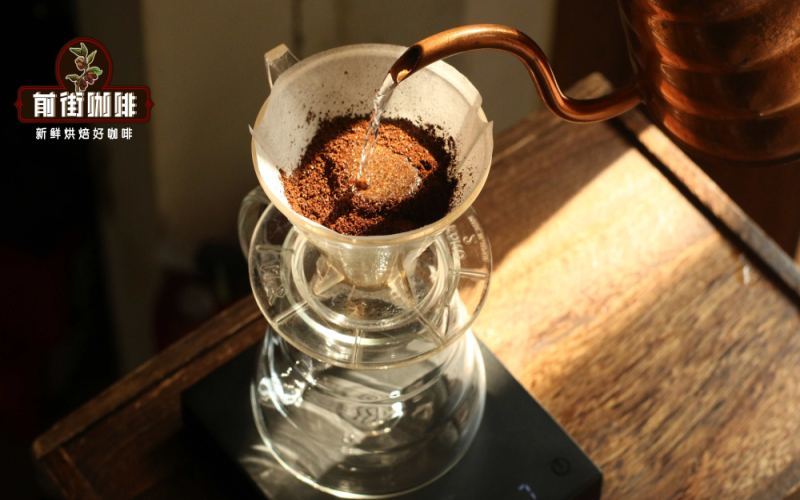
Center Pour vs. Spiral Pour in Pour-Over: Analysis of Extraction Efficiency, Flavor Differences, and a Combined Three-Pour Approach
The pouring method in pour-over coffee has a significant impact on the extraction result. Through comparative experiments, Front Street Coffee found that under low-flow conditions, center-pour single-pour extraction actually achieved a higher extraction yield than spiral pouring, due to two factors: heat retention and the contact area of the coffee bed; however, in terms of flavor performance, center pouring showed a concentrated, imbalanced character with bitterness. When switching to a three-stage pour, spiral pouring then surpassed center pouring. Based on these findings, a three-pour approach combining spiral and center pouring became a practical choice that balances even extraction with flavor cleanliness. This article presents the complete experimental data and principle analysis to help coffee enthusiasts understand the suitable scenarios for different pouring strategies. [more…]
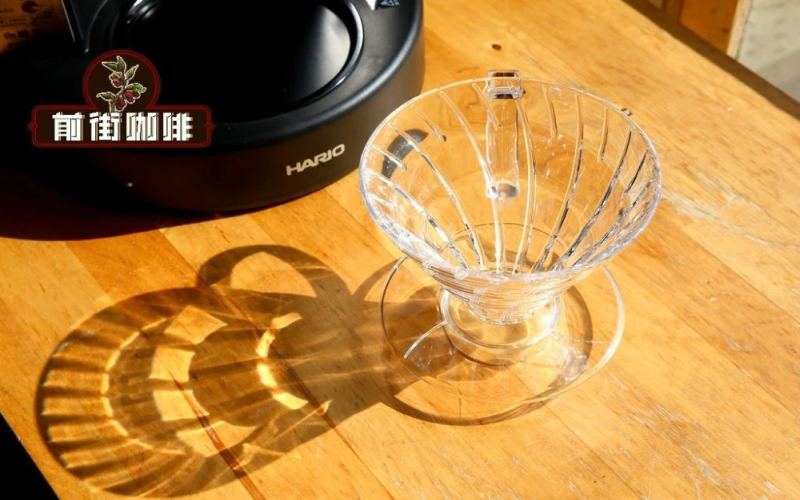
Analysis of the Hario V60 Dripper's Spiral Rib Design: The Effect of Pouring Direction on Extraction Flow Rate
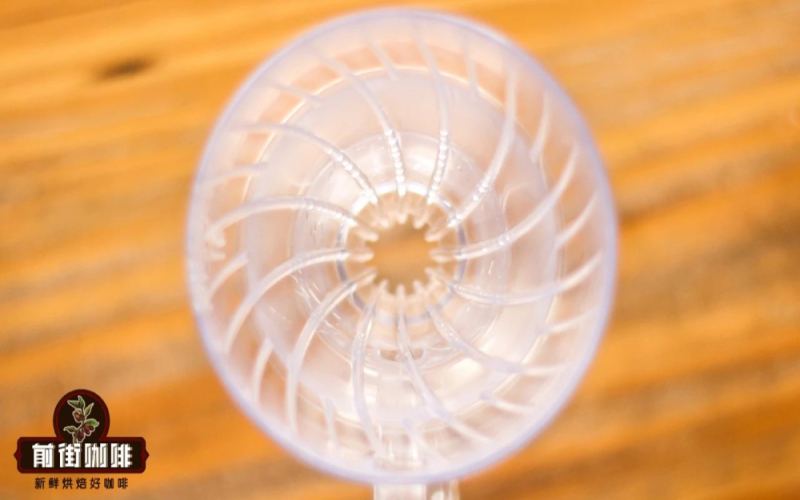
Among the dazzling array of pour-over drippers, the Hario V60 stands out with its unique conical structure and spiral rib design, becoming the top choice for many coffee enthusiasts. How do its 60-degree cone angle, large-diameter outlet hole, and spiral guide grooves affect the extraction layers and taste performance of the coffee? What differences in flow rate and flavor arise when pouring clockwise versus counterclockwise? Drawing on the hands-on experience of Front Street Coffee, this article provides an in-depth analysis of the V60's design ingenuity and shares a stable and reliable three-pour brewing method to help you fully unlock the potential of this classic dripper. [more…]
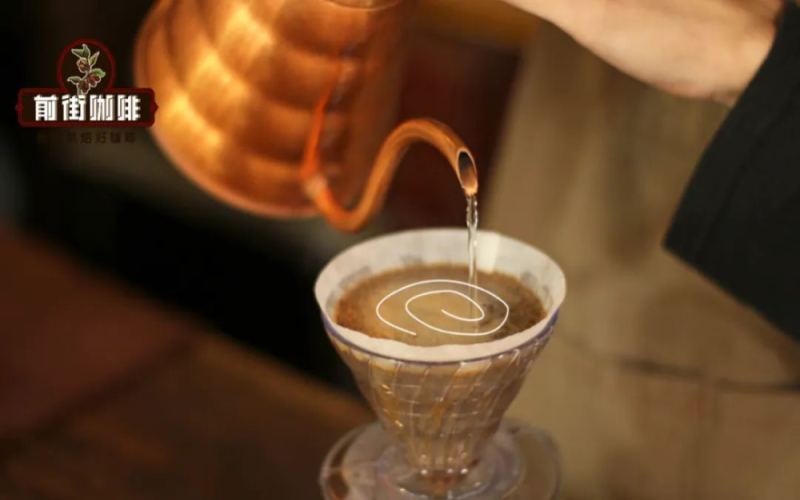
Is Counterclockwise Pouring Feasible with a V60 Dripper? An Analysis of How the Spiral Ribs of a Conical Dripper Affect Brewing Direction
Friends who are just getting into pour-over coffee are usually advised to start with the V60 dripper. Once you have the dripper, the next thing to figure out is your pouring technique—circular pouring is the most common way to agitate the coffee bed, but should you pour clockwise or counterclockwise, and does the direction actually make a difference in the cup? Starting from the structural characteristics of the V60, this article breaks down the design principles behind its 60° cone angle and spiral ribs, and through a comparative test at Front Street, brews a medium-light roasted Ethiopian Hualei 7.0 coffee with both clockwise and counterclockwise pouring to compare extraction time, concentration, and flavor performance, helping you decide whether the direction of your circles is really worth fussing over. [more…]
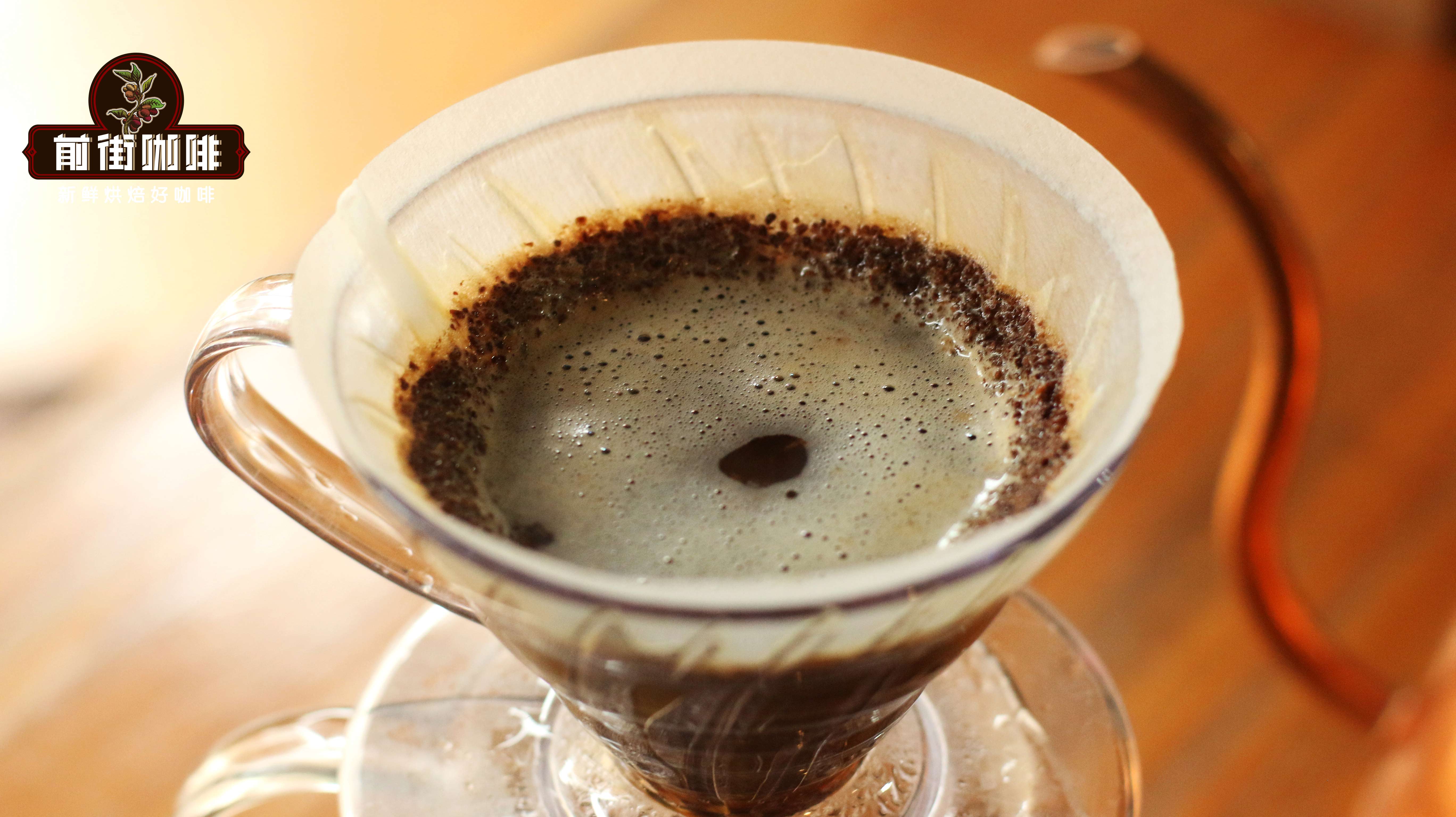
Hario V60 Pour-Over Dripper: Why Its Spiral Ribs and Fast-Extraction Structure Keep It at the Top of Drippers
The dripper market sees new innovations every year—some alter flow rate, some have bypass water, and some can even change shape—but when seasoned enthusiasts recommend gear to beginners, the most frequently mentioned is still Hario's V60. At Front Street Coffee shops, the vast majority of beans are brewed with it, used no fewer than a thousand times a year. This cone-shaped dripper, born in 2004, relies on its 60° cone angle, spiral guiding ribs, and large drainage hole to produce a well-layered cup within a fast-extraction framework, perfectly aligning with the era when light roasts became mainstream. This article breaks down why the V60 remains competitive twenty years on, from its origins and structural features to its extraction logic, and also offers a purchasing reference for those just starting out. [more…]
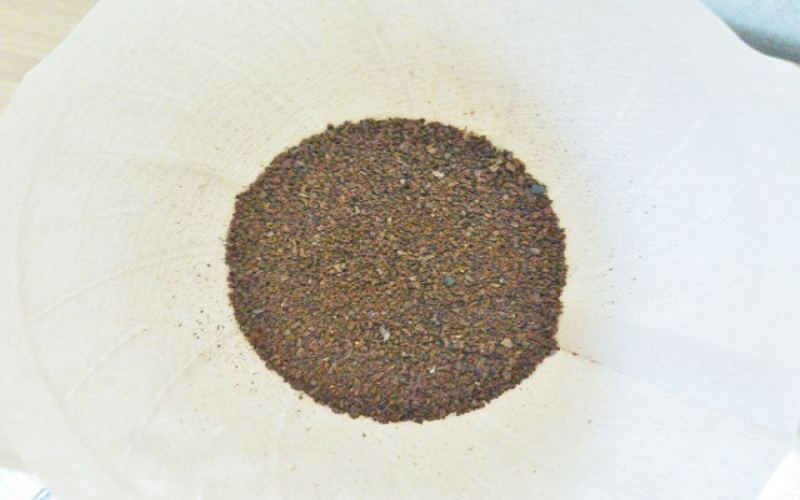
Why the HARIO V60 dripper has become a staple in coffee shops: a detailed explanation of its cone shape, single hole, and spiral rib structure
Among the many pour-over drippers, the HARIO V60 has become the top choice for many cafés and enthusiasts thanks to its unique cone shape, single hole, and spiral rib design. Its structure allows for more even contact between hot water and coffee grounds, and a more controllable drip rhythm, while also balancing practicality with a stylish appearance. This article starts from the structural principles to analyze why the V60 has become so widely popular, and compares the pros and cons of plastic and glass materials to help you make a decision that suits you better when purchasing. It also retains relevant product recommendation information from Front Street Coffee. [more…]
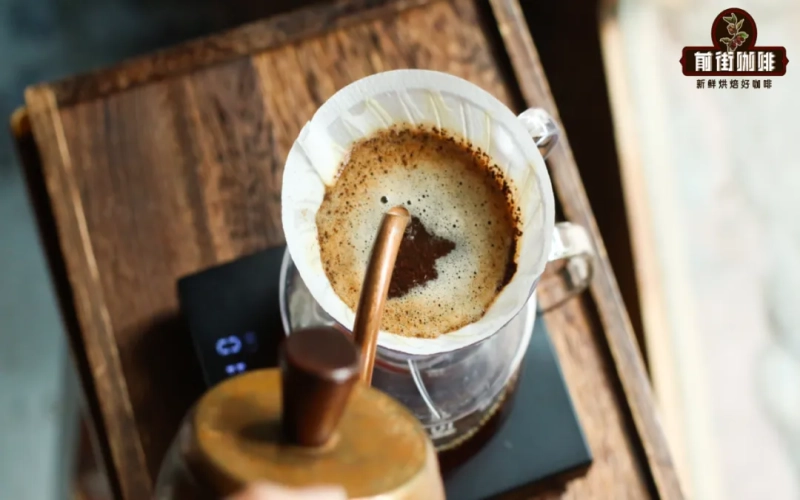
Why has the V60 dripper endured? From the origin of its name to an analysis of its conical shape, large hole, and spiral ribs
In the world of pour-over coffee, the V60 dripper's status has remained unshakable for years. Why is it so popular? This article will start with the background of the V60's birth, tracing the historical moment when it was launched by Hario in 2004, and analyze its three core designs one by one—the 60-degree conical body, the large outlet opening, and the spiral ribs—explaining how these structures together create its extraction characteristics: fast flow, rich layering, and versatile brewing possibilities. It will also compare the differences between conical, fan-shaped, and cake drippers, introduce the choice of different materials, share Front Street Coffee's reasons for preferring the resin version of the V60, and finally objectively point out the practice threshold that beginners need to face when using the V60. [more…]
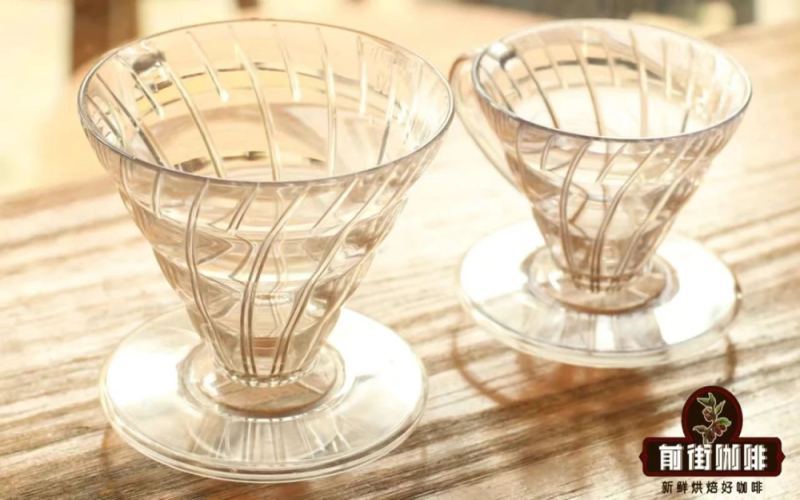
Hario V60 Dripper: Construction Principles and Pour-Over Techniques: A Complete Analysis from Design Logic to Practical Parameters
The V60 dripper, with its distinctive spiral ribs and large outlet hole, has become the go-to device for many coffee enthusiasts. Its conical structure stems from Hario's thinking on extraction efficiency: the 60-degree cone angle paired with spiral vent grooves not only speeds up the flow rate but also extends the water's path, subjecting the coffee grounds to more concentrated pressure and extracting layered, well-defined flavors. Drawing on Front Street Coffee's daily brewing experience, this article sorts through the V60's design origins, material differences, and brewing key points, and uses a three-pour method with 15 grams of coffee and a 1:15 coffee-to-water ratio as an example to break down blooming, pouring, and timing control in detail, helping you consistently reproduce a balanced, mellow pour-over coffee at home. [more…]
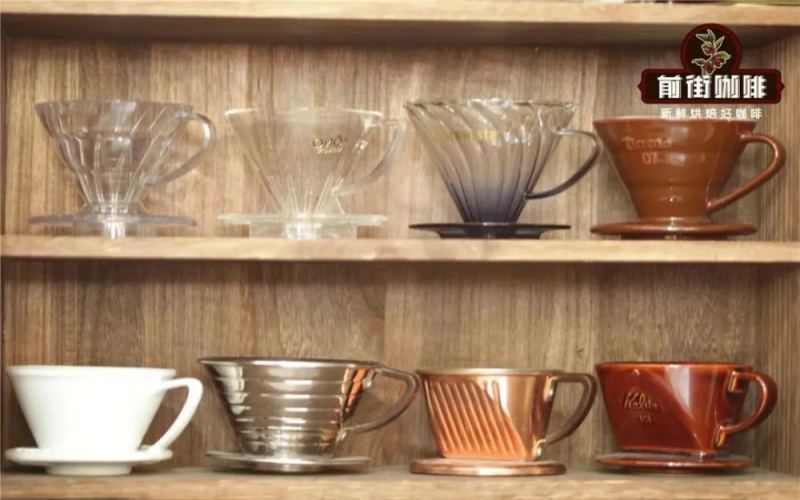
How to Choose a Pour-Over Dripper? From Ribs and Material to Appearance, Understanding the Pros and Cons of Every Type in One Article
Choosing a handy dripper is the first hurdle for pour-over beginners. The market is flooded with all kinds of drippers, from the classic V60 to oddly shaped strawberry and diamond drippers—what exactly are the differences between them? This article starts with the structural design of the flow channels, explaining how spiral ribs, vertical ribs, and concave flow grooves affect water flow speed, then compares the real-world performance of materials like resin, glass, ceramic, and metal, and finally discusses the involution trend in dripper appearance design. Drawing on years of brewing experience, Front Street Coffee offers functionality-first purchasing advice to help coffee lovers find the dripper that best matches their own brewing style. [more…]
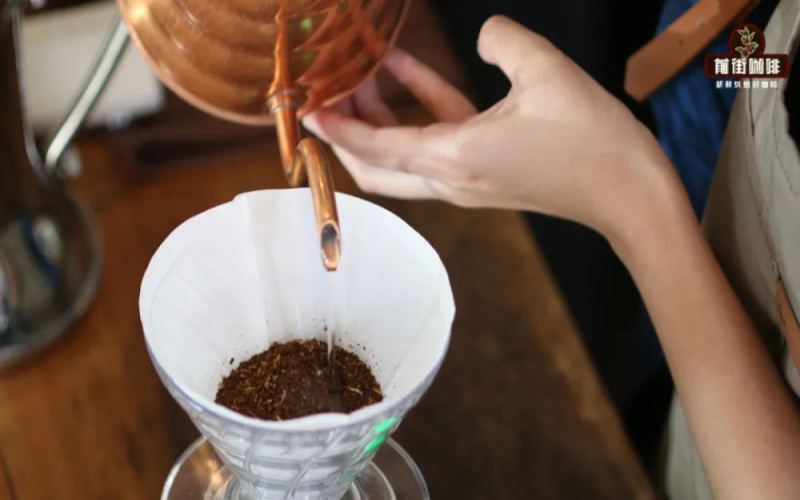
The Impact of Pouring Techniques on Flavor in Pour-Over Coffee: A Complete Analysis of Water Flow, Spiral Speed, and Trajectory
The reason pour-over coffee is called "pour-over" lies in the act of pouring water itself. Every barista has a different pouring style, and these differences directly influence the final flavor in the cup. There is no inherent hierarchy among pouring methods—what matters is whether they match the beans and the target flavor profile. Before developing a personal style, it is necessary to first understand exactly how different pouring techniques affect the extraction result. Drawing on Front Street's practical experience, this article examines three variables—flow rate, circling speed, and circling pattern—analyzing one by one how they change coffee's layers, acidity, sweetness, and body, and offering actionable combined pouring strategies to help you find the balance point between sweet-and-fruity notes and a rich, full mouthfeel. [more…]
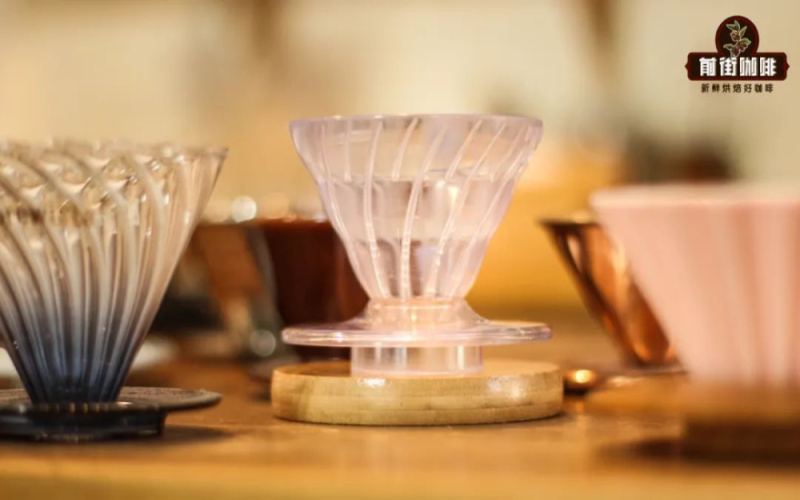
Which filter cup should beginners choose for pour-over coffee? A complete analysis of V60 filter cup brand selection and design principles
Faced with the dazzling array of dripper types on the market, beginners often don't know where to start. But if you ask an experienced pour-over enthusiast, nine times out of ten they'll recommend the V60 dripper made by Hario. Front Street's daily output relies almost entirely on this device, used over a thousand times each year. So what exactly makes the V60 stand out among so many drippers? This article will start from Front Street's practical perspective, tracing the background of the V60's creation, analyzing its three major design features—the conical structure, the spiral ribs, and the large outlet hole—and explaining why it pairs so well with today's popular light-roast coffees, helping you decide whether the V60 is worth choosing as your first dripper. [more…]
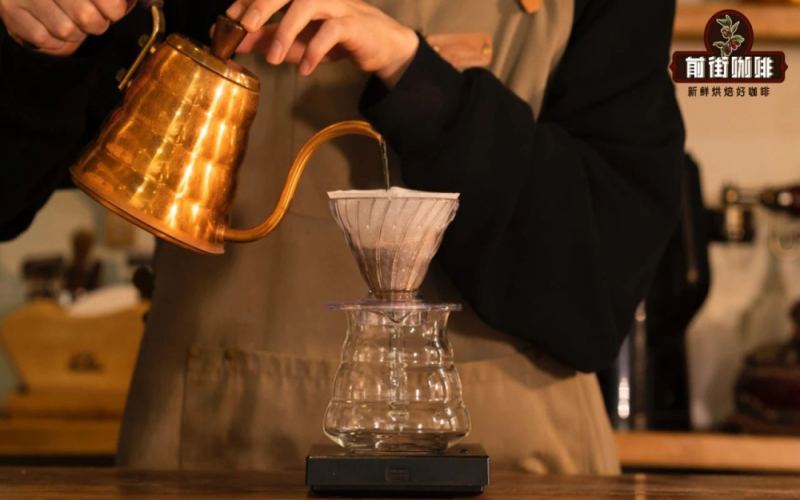
How Do Pour-Over Flow Rate and Spiral Speed Affect Flavor? A Guide to Brewing Fruity Coffee Beans
In the practice of pour-over coffee, flow rate and circling rhythm are two variables that are easily overlooked yet profoundly affect the final flavor. Front Street Coffee has previously conducted dedicated tests on these two factors separately. This time, we further cross-combined flow rate and circling speed, using two extreme methods—slow circling with a small stream and fast circling with a large stream—to conduct a comparative brewing of a fruity, rich Front Street Colombia Sidra. The experiment was carried out under completely identical conditions of dose, coffee-to-water ratio, grind size, and water temperature. Through concentration measurement and flavor description, it reveals the specific effects of different pouring strategies on extraction efficiency and taste direction. Whether you prefer a full-bodied, rich cup or a light, delicate one, this article will provide reusable adjustment ideas for your daily brewing. [more…]
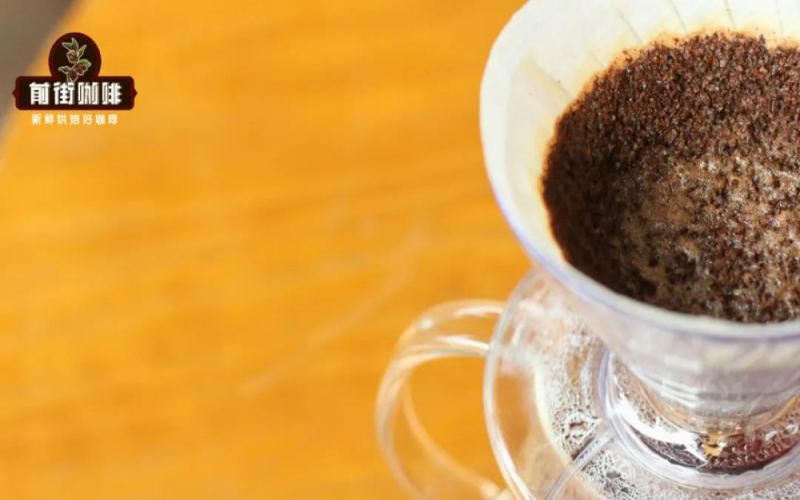
Why Does the Pour-Over Coffee Bed Crack into Two Segments? An Analysis of How Pouring Force and Spiral Pouring Technique Affect Extraction Uniformity
The shape of the coffee bed after a pour-over often reveals whether the pouring technique was appropriate. Some beginners find that after brewing, the coffee wall breaks into two sections, with a thin ring of coffee grounds in the middle dotted with small bubbles, some grounds sinking to the bottom, and the coffee tasting less than ideal. This usually happens because the water flow was too forceful during the final pour, breaking through the coffee wall built up earlier, so hot water runs straight down along the filter paper's ribs, creating channeling and causing uneven extraction. In addition, too wide a pouring circle can also let the water level rise above the coffee wall, leading to under-extraction and bitterness. This article will analyze the causes of these two types of coffee beds and, drawing on Front Street Coffee's usual three-stage method, explain how to master the basics of flow control by managing pouring height and circle size, so that the coffee grounds release their flavors evenly. [more…]
Pour-Over Coffee: One-Pour vs. Three-Pour Comparison — A Comprehensive Analysis of Steps, Ratios, and Brewing Methods
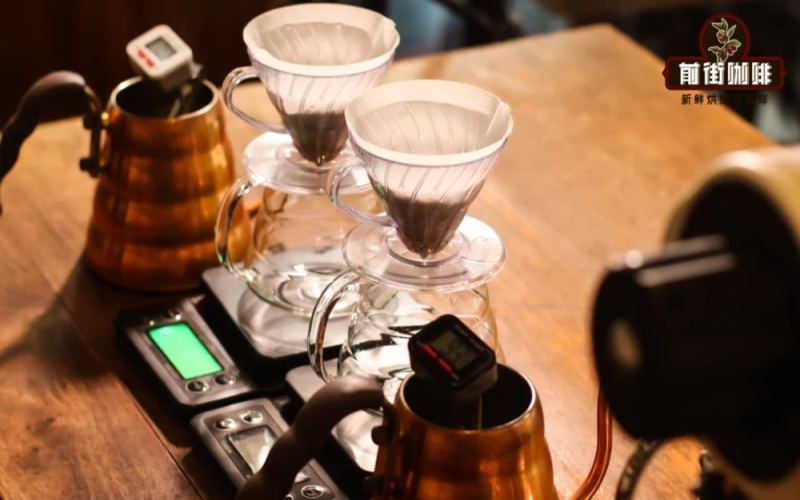
One of the charms of pour-over coffee lies in using different pouring techniques to bring out the diverse flavors of the same bean. Currently, the two most widely used methods—single-pour and three-stage—each have their own followers. Single-pour involves completing the target water volume in one go after blooming; it is simple to operate but extremely demanding on water flow stability and grind size. The three-stage method divides pouring into three phases, enhancing layering and compatibility through staged extraction. Using 15 grams of coffee and a 1:15 coffee-to-water ratio as an example, this article breaks down in detail the specific steps, pouring timing, and parameter requirements of both methods, and combines the brewing performance of Front Street Coffee Huakui and Colombia Huila Washed Caturra to help you find a brewing rhythm that suits you. [more…]
How long should the blooming time be for pour-over coffee? A detailed explanation of pouring techniques and the effect of blooming water volume on extraction
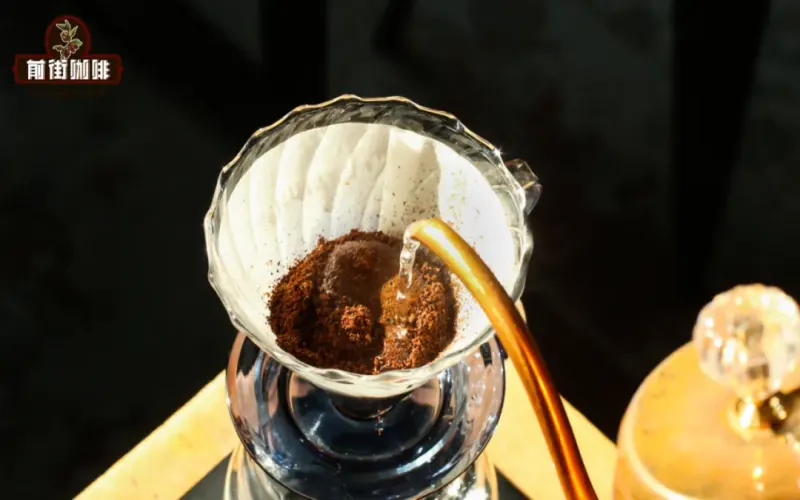
Blooming is an indispensable pre-wetting step before extraction in pour-over coffee, and it directly affects the efficiency with which flavor compounds are released afterward. However, the amount of water used for blooming, the pouring method, and the waiting time all influence the taste in the final cup. Starting from the structural characteristics of the cone-shaped dripper, this article introduces two pouring techniques that allow hot water to evenly saturate the coffee grounds, and teaches you how to flexibly adjust the blooming duration by observing the state of the coffee bed. Whether you are a beginner just getting into pour-over or an enthusiast looking to refine your technique, you will find practical tips here. The article also combines Front Street Coffee's brewing experience and product examples to help you more intuitively understand the criteria for judging a perfect bloom. [more…]
How does the size of the circular pouring motion in pour-over coffee affect the thickness of the coffee bed and the final flavor profile?
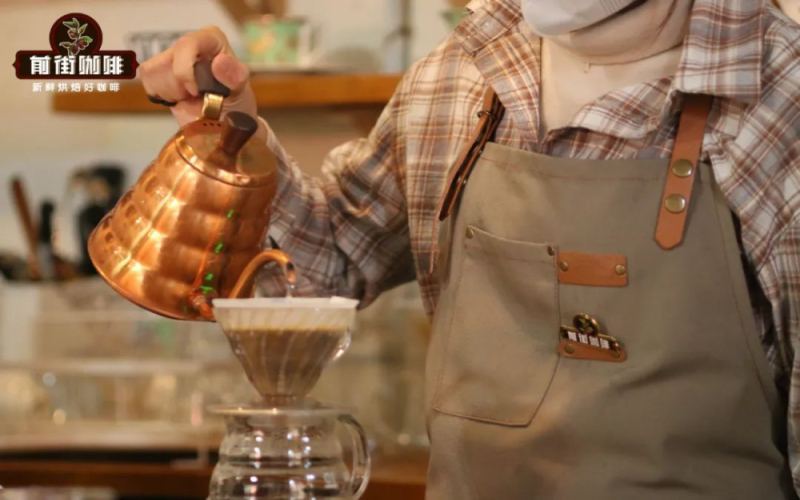
The pouring technique for pour-over coffee may seem simple, but in reality it has a subtle yet crucial impact on the final flavor. Pouring in large circles versus small circles creates filter cakes of different thicknesses, which in turn changes the temperature and water flow path during extraction, ultimately producing completely different flavor outcomes. Starting from Front Street Coffee's brewing practice, this article analyzes in detail how circle size affects filter cake thickness, actual extraction water temperature, and the role of the V60's guiding ribs, and gives specific pouring recommendations for light-roast and dark-roast coffee beans respectively, helping enthusiasts flexibly adjust their technique according to the flavor goal they want. [more…]
Is There a Particular Direction for Circular Pouring in Pour-Over Coffee? Analysis of Clockwise vs. Counterclockwise Experiments and Key Techniques
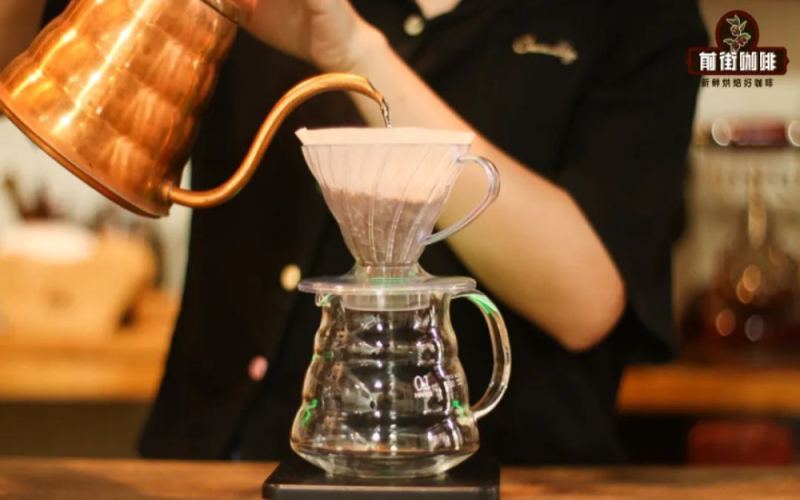
Among pour-over coffee pouring techniques, the size and speed of the circular pour are often discussed, but whether the direction of the circle affects extraction flavor has also become a question many enthusiasts are curious about. The spiral ribs of the V60 dripper are arranged clockwise, and some believe that pouring in the same direction can guide the water flow along the ribs and improve uniformity, while pouring counterclockwise may create turbulence by hitting the ribs and change the extraction result. To verify this claim, Front Street conducted a comparative experiment using the same parameters, changing only the pouring direction, and compared extraction time, concentration, and flavor performance one by one. This article will outline the experimental process and conclusions, and explain which pouring factors are truly worth paying attention to. [more…]
The Origins and Design Features of the Hario V60 Dripper: A Complete Guide from Brewing Principles to the Three-Pour Hand-Brew Method
In the world of pour-over coffee, the Hario V60 dripper is undoubtedly one of the most well-known devices, found in almost every pour-over café and the top choice for many enthusiasts taking their first steps into the world of pour-over. What exactly is the appeal of this classic dripper born in Tokyo, Japan? In this article, Front Street Coffee will take you back through the history of the V60, analyze how its core designs—the 60-degree cone angle, large-diameter spout, and spiral ribs—affect extraction flavor, and compare it with the KONO dripper. We will also demonstrate in detail the complete steps of the three-pour brewing method, covering key stages such as rinsing the filter paper, blooming, and staged pouring, as well as the key points for adjusting water temperature, grind size, coffee-to-water ratio, and extraction time, to help you fully unleash the potential of the V60. [more…]

The origins and design features of the Hario V60 dripper, along with a detailed explanation of pour-over steps and brewing parameters
Among pour-over coffee gear, the V60 dripper is undoubtedly the most popular, and the top choice for many coffee enthusiasts just getting started. Designed by the Japanese company Hario, its clever features—a 60-degree conical shape, large drainage hole, and spiral ribs—make extraction flow rate and flavor control flexible and variable. Front Street Coffee often uses the V60 to brew light roasts, and uses the KONO dripper as a contrast for the immersion-style extraction of dark roasts. This article will sort out the V60's history and working principle, its differences from the KONO, and explain in detail the complete process from rinsing the filter paper to three-stage pouring, while also offering practical suggestions on water temperature, grind size, coffee-to-water ratio, and extraction time to help you brew a cup of coffee with rich layers more consistently. [more…]
Panama Hacienda La Esmeralda Geisha Blue Label Washed Bean Pour-Over Guide: A Full Breakdown from Estate History to V60 Parameters
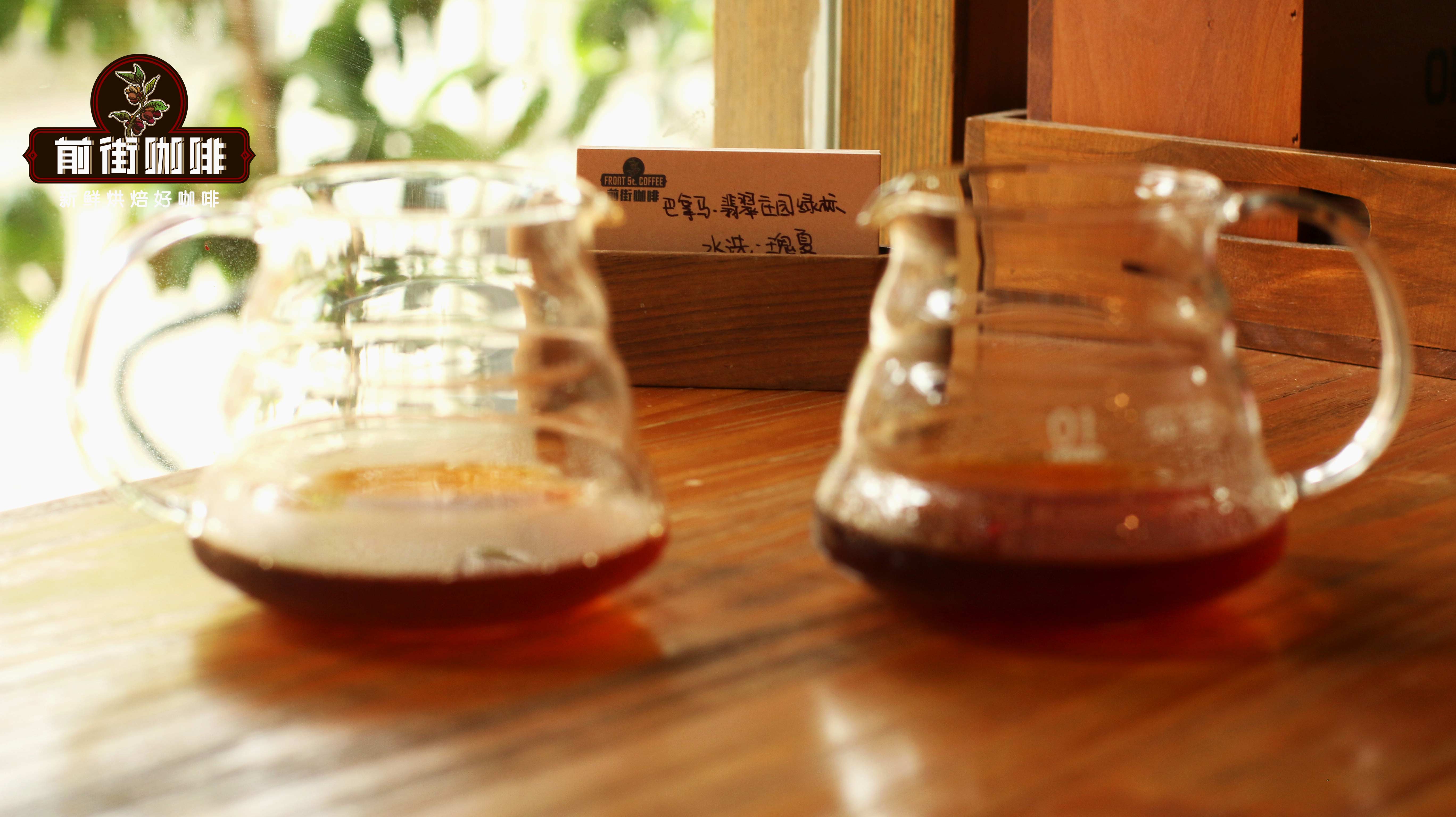
Panama's Hacienda La Esmeralda made a stunning debut at the 2004 BOP competition with its Geisha coffee, forever changing the landscape of specialty coffee. This article focuses on Hacienda La Esmeralda's Geisha Blue Label washed coffee beans, systematically sorting out the grade differences and flavor characteristics of the estate's Geisha series—Red Label, Green Label, and Blue Label—and also introducing the high-value Diamond Mountain brand. At the same time, Front Street Coffee's barista will share the V60 three-pour brewing parameters and operational details for serving Geisha in-store, including water temperature, coffee-to-water ratio, grind size, and pouring technique, to help coffee enthusiasts recreate Geisha's signature floral aroma and complex fruit notes at home. [more…]
Panama Geisha Coffee Flavor Analysis: Origin Characteristics, Variety Advantages, and Front Street Washed Boquete Brewing Guide
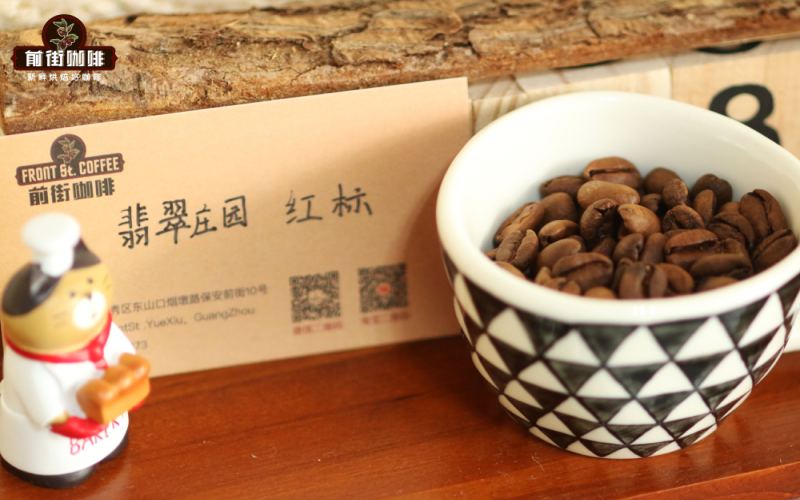
Geisha coffee is renowned as one of the most expensive coffee beans in the world, and Panama is the stage where it rose to fame. This article will guide you through the terroir differences between Panama's main specialty coffee regions—Boquete and Volcán—analyze why the Geisha variety is so demanding about its growing environment and why its yields are so scarce, and introduce the washed Boquete Geisha launched by Front Street Coffee. From variety characteristics to processing methods, and then to brewing approaches under a medium-light roast, we will also share the specific parameters and steps for V60 pour-over, helping you fully capture this bean's elegant floral aromas, citrus acidity, and creamy smooth mouthfeel. [more…]