







Search Results for: specialty coffee green bean competition

From Origin to Variety, to Competitions and Estates: A Complete Guide to How Specialty Coffee Beans Are Named
Walking into Front Street Coffee (FrontStreet Coffee) and facing the names of dozens of coffee beans on the menu, many people wonder: Aren't Bach and Mozart musicians? How did they become coffee beans? In fact, there is a complete logic behind the naming of coffee beans. In the early days, coffee beans were mostly named after countries, regions, or ports. After entering the specialty coffee era, traceability information has become increasingly detailed. Estate names, green bean competition rankings, barista competition beans, variety names, processing methods, and even brand classifications can all become the name of a bean. This article will systematically sort out the various rules for naming coffee beans to help you no longer feel confused when ordering. [more…]

COE Cup of Excellence vs. SOE Single-Origin Espresso: A Coffee Guide from Green Bean Competitions to Espresso Extraction
In the world of specialty coffee, the two English abbreviations COE and SOE often confuse enthusiasts—they appear similar but actually point to completely different domains. COE stands for Cup of Excellence, the world's most authoritative specialty green coffee competition, first held by the Alliance for Coffee Excellence in Brazil in 1999 and since expanded to Colombia, Guatemala, Panama, and many other producing countries. SOE, on the other hand, is short for Single Origin Espresso, referring to espresso made from single-origin coffee beans. This article will systematically sort out the essential differences between the two from the perspectives of competition systems, judging procedures, and extraction characteristics, and explore the common question of whether SOE is necessarily superior to blended espresso. [more…]
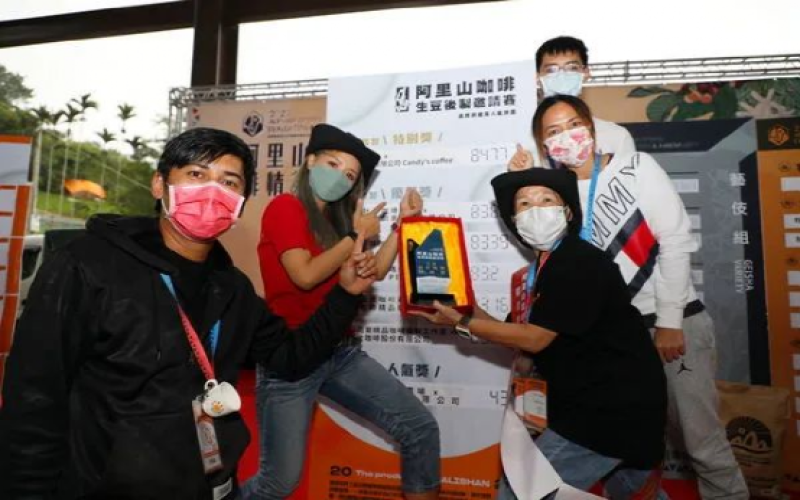
Taiwan Specialty Coffee Evaluation Ranking Disrupted by Coding Errors; Organizer Admits System Failure and Compensates the Difference
Every year, global coffee production is enormous, and different regions and processing methods give coffee beans an endless variety of flavors. Rather than trying blindly, many enthusiasts choose to buy award-winning beans from competitions directly, which ensures quality and lets them experience the award-winning flavors. Coffee farmers also hope to achieve good rankings through competitions to increase the selling price and reputation of their green beans. However, a specialty coffee evaluation in Yunlin County, Taiwan, for self-produced beans was disrupted by a computer system failure that scrambled the codes linking entrants to coffee beans, causing errors in the previously announced rankings: a Grand Prize winner became a Gold Award winner, drawing attention. The organizers urgently corrected the list and promised to pay the bonus difference, but the credibility of the competition still faces a test. [more…]
From Ethiopian Valleys to Panama Auction Tables: Tracing Geisha Coffee's Rise to Fame and the Reasons Behind Its High Price
Geisha coffee is now regarded as the crown jewel of specialty coffee, but its rise was not achieved overnight. From 1936, when the Englishman Richard Whalley collected seeds in the Geisha Mountains of Ethiopia, Geisha's footprint successively reached Kenya, Tanzania, and Costa Rica, and was finally brought to Panama in 1960 by Don Pachi Serracin. Before 2004, Geisha was long interplanted with other varieties, grown at low altitudes, and had never displayed its own flavor as a single variety. It was not until Daniel Peterson of Hacienda La Esmeralda presented an unblended Geisha in the Best of Panama green bean competition that this bean won first place in one stroke, with a bid price of only $21 per pound at the time. After that, the market crisis triggered by the collapse of the International Coffee Agreement in 1989, together with the push of the specialty coffee wave after the founding of the SCAA, jointly propelled Geisha onto the legendary stage. This article will sort out this historical thread and explain why Geisha prices remain persistently high. [more…]
Tracing the Origins of Panama's BOP Competition: Hacienda La Esmeralda Geisha Red, Green, and Blue Label Grades and Their Brewing Flavor Analysis
The Panama BOP (Best of Panama) is the world's first green coffee competition. Since its inception in 1996, it has profoundly advanced the development of specialty coffee, and Hacienda La Esmeralda's Geisha shot to fame in 2004. Hacienda La Esmeralda meticulously grades its Geisha by altitude and plot, forming a three-tier system of Red Label, Green Label, and Blue Label. This article systematically reviews the origins of the BOP competition and auction, the history and plot divisions of Hacienda La Esmeralda, analyzes in detail the definitional differences between Red Label, Green Label, and Blue Label, and includes Front Street Coffee's brewing parameter recommendations and flavor descriptions, providing coffee lovers with a complete guide to Geisha knowledge. [more…]
An Analysis of the SCAA and COE Coffee Certification Systems: Differences in Scoring Standards and Their Essential Distinction from SOE
In the world of specialty coffee, the SCAA and COE are two authoritative systems that cannot be overlooked. The former established industry standards and cupping protocols, while the latter selects top-tier green beans through rigorous competitions. How do their scoring logics differ? And why are COE and SOE often confused? This article will trace the development and operational mechanisms of the SCAA, CQI, and COE, explain in detail the differences in cupping score sheets, and use the example of the 22nd-place sun-dried Typica that Front Street Coffee bid for at Ethiopia's first COE competition in 2020 to present the complete story from origin to cup. [more…]
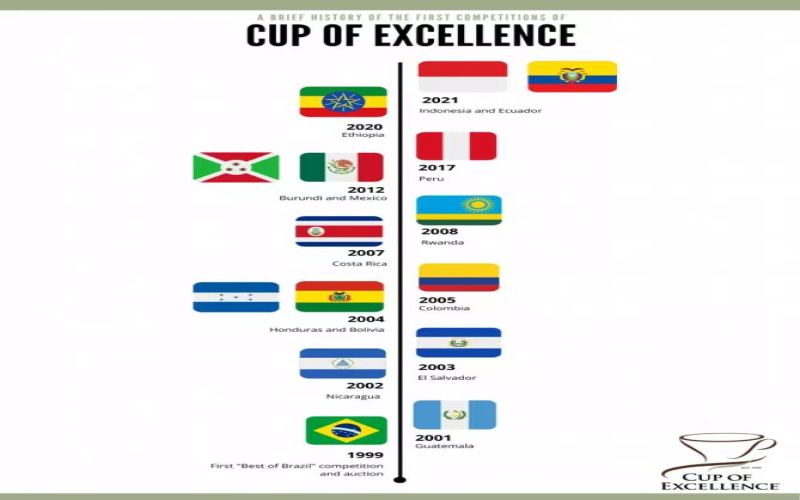
What exactly is the COE Cup of Excellence competition? A complete breakdown from the scoring criteria to Ethiopia's first auction beans
In the specialty coffee world, the Cup of Excellence (COE) is regarded as the most prestigious green coffee competition, and the top-ranked beans on its annual list often become the focal point of auctions. This competition, launched by ACE in Brazil in 1999, now covers more than a dozen producing countries, selecting the top 30 with cupping scores above 87 for a global auction. This article will outline the origins and scoring system of the COE, and focus on reviewing the story of the 22nd-place natural Typica that Front Street Coffee won at auction when Ethiopia first joined the COE in 2020—from West Arsi, grower Adem Banta Sute—as well as the processing, roasting, and brewing details of this bean. [more…]
Full Analysis of the Panama BOP Competition: Differences and Brewing of Hacienda La Esmeralda Geisha Red, Green, and Blue Label Coffee Beans
The Best of Panama (BOP) is the world's first green coffee competition, using blind cupping to conduct sensory evaluation of Panamanian specialty coffee, and it has greatly promoted the specialty cultivation of Panamanian coffee. This article begins with the history of the BOP auction and provides a detailed introduction to the Geisha legend of Hacienda La Esmeralda, including the grading criteria for Red Label, Green Label, and Blue Label, their plot origins, processing methods, and flavor differences, along with Front Street Coffee's brewing parameter recommendations to help coffee enthusiasts gain a comprehensive understanding of the origins and evolution of this top-tier Geisha. [more…]
2012 Global Specialty Coffee Green Bean Competition Top 10 List: Ethiopian and Colombian Geisha Shine
The Specialty Coffee Association of America's Roasters Guild hosted the 2012 Coffee of the Year (COTY) green coffee competition, bringing together 250 green coffees from 26 countries to compete on the same stage, ultimately selecting ten specialty coffees representing the highest standard of the year. Judges conducted blind tastings and scoring across six dimensions—dry fragrance, wet aroma, mouthfeel, flavor, aftertaste, and body—with Ethiopian and Colombian Geisha emerging as the biggest winners. This article will present the complete detailed data of this top ten list and interpret the outstanding performance of various regions and varieties, providing coffee enthusiasts with a professional reference. Front Street Coffee will also combine the list to recommend specialty beans worth paying attention to. [more…]
2023 Brazil Cup of Excellence Format Innovation: Three Processing Method Categories Reveal the Winners List
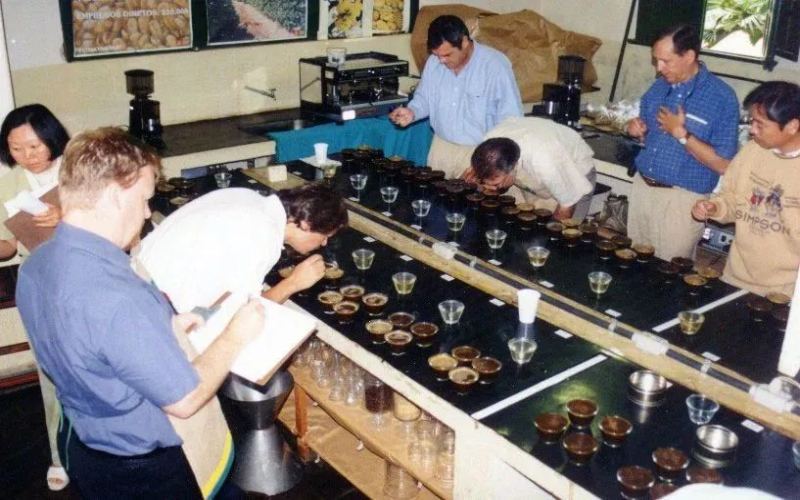
The 2023 Cup of Excellence (CoE) in Brazil underwent a major competition format change, for the first time dividing participating green beans into three categories: dry process, wet process, and experimental process, with awards evaluated separately for each. This change aims to respect different processing methods, encourage producer innovation, and promote fair competition. After pre-selection and multiple rounds of national and international judging, the lists of ten winning beans in each of the three groups have been announced, with a minimum score requirement of 87 points. Erwin Mierisch, Executive Director of the Alliance for Coffee Excellence, stated that the new classification both recognizes the value of traditional processing methods and responds to market demand for innovative processing methods. This article will outline the competition format details, the winning situation in each group, and explore the profound impact of this change on the specialty coffee industry. [more…]
From TOH Champion to the Huakui Series: The Rise and Flavor Evolution of Ethiopian Hambela Natural Coffee Beans
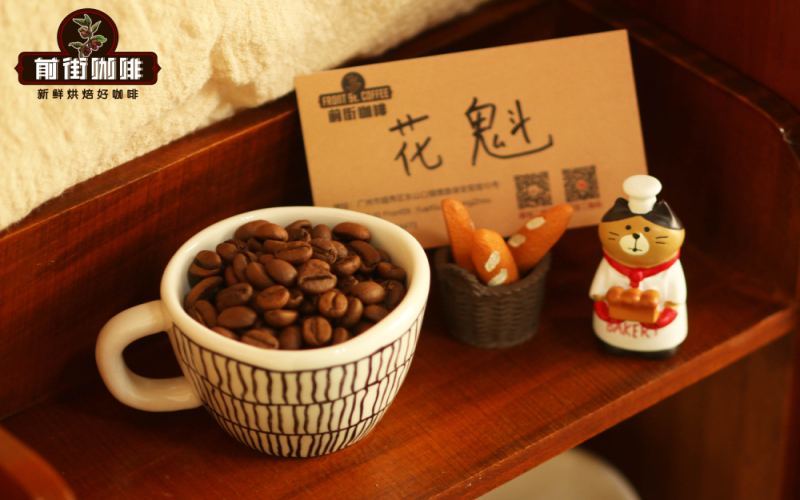
On the stage of specialty coffee, the Huakui coffee beans from the Hambela region of Ethiopia shot to fame with the title of champion of the 2017 TOH natural group, and subsequently gained even greater renown when a barista defeated Geisha in a brewing competition. This bean not only witnessed the rise of the Hambela region, but also gave rise to the Huakui X.0 series and the small-bean Huakui offshoot. This article will trace the historical development of Huakui, compare the flavor differences among different batches, and share Front Street Coffee's brewing insights on Huakui and Huakui 5.0, taking you deeper into the unique charm of this African natural-process bean. [more…]
The Complete Guide to the Differences Between Panama Hacienda La Esmeralda Geisha Red Label, Green Label, and Blue Label and Pour-Over Parameters
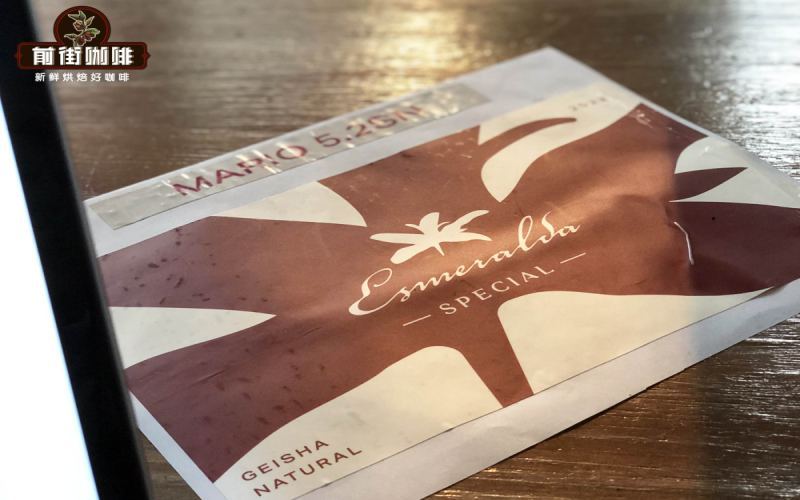
When Geisha is mentioned, the first name that comes to most people's minds is Hacienda La Esmeralda in Panama. In 2004, Daniel, the third-generation manager of Hacienda La Esmeralda, entered a Geisha bean with a distinctly different flavor profile in the BOP competition, forever changing the landscape of specialty coffee. Hacienda La Esmeralda's Geisha product line is divided into Red Label, Green Label, and the former Blue Label, each differing in plot source, altitude, and quality standards. This article will systematically review the development history of Hacienda La Esmeralda, the detailed plot divisions of its three sub-farms, and the core differences between Red Label and Green Label, while also including the pour-over Geisha parameters recommended by Front Street Coffee, to help coffee enthusiasts gain a comprehensive understanding of this legendary bean variety. [more…]
African Fine Coffees Association (AFCA) and the Taste of Harvest (TOH) Competition: A Full Analysis of the Competition That Made Ethiopia's Huakui Coffee Beans Famous
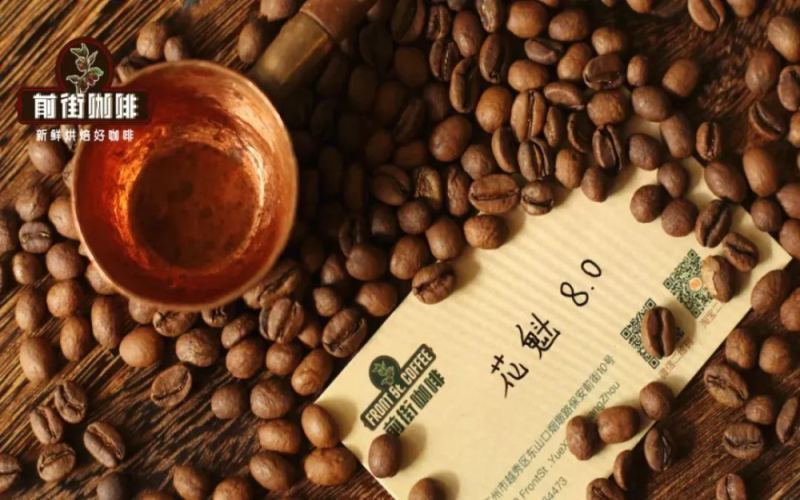
Ethiopia, as Africa's largest coffee-producing country and the widely recognized birthplace of coffee, is deeply favored by enthusiasts for its distinctive floral and citrus flavor notes. When it comes to the representative of Ethiopian natural-process beans, many people immediately think of "Huakui." This naturally processed coffee from the Buku Abel washing station in the Guji Hambela region rose to fame after winning the natural-process category at the 2017 TOH green bean competition. So what exactly is the TOH competition? And what kind of organization is AFCA, its organizer? This article will walk you through the membership structure of the African Fine Coffees Association, the competition format and tiers of the TOH, and how the event helps African coffee-producing countries improve quality and expand international trade. [more…]
A Complete Guide to Hacienda La Esmeralda Geisha Grades: Distinguishing Red, Green, and Blue Labels and Their Flavor Profiles
Geisha coffee is the crown jewel of today's specialty coffee world, and the Geisha produced by Panama's Hacienda La Esmeralda is regarded as the industry benchmark. In 2004, Hacienda La Esmeralda took first place in the BOP competition with a light-roasted Geisha, forever changing the fate of Panamanian coffee. This article systematically reviews Hacienda La Esmeralda's Geisha product grading system, explaining in detail the differences in definition, plot origin, and flavor expression among the Red Label, Green Label, and the discontinued Blue Label. It also introduces Hacienda La Esmeralda's three sub-estates and their small plot divisions, and includes Front Street Coffee's brewing suggestions and product information, helping coffee enthusiasts gain a comprehensive understanding of this legendary variety. [more…]
A Detailed Explanation of Hacienda La Esmeralda Geisha Red, Green, and Blue Label Grades: From Auction Legend to Front Street Coffee Bean Selection Guide
In the specialty coffee world, Geisha is almost synonymous with top-tier flavor, and Panama's Hacienda La Esmeralda is the driving force behind bringing this variety to legendary status. From its breakout performance at the 2004 BOP competition to repeatedly breaking auction price records, Hacienda La Esmeralda has defined the benchmark for Geisha with its unique terroir and processing techniques. This article will systematically sort out the history and differences between Hacienda La Esmeralda's Red Label, Green Label, and Blue Label, decode the flavor secrets of the three major plots—Jaramillo, Cañas Verdes, and El Velo—and share Front Street Coffee's brewing suggestions for Red Label and Green Label Geisha, helping coffee enthusiasts fully understand this legendary bean variety. [more…]
2018 Panama BOP Auction Concludes: Natural Geisha Sets a Record High of $803 per Pound, Hacienda La Esmeralda Crowned Double Champion
The results of the 2018 Best of Panama (BOP) auction have been officially revealed. The natural Geisha shattered the historical record with a staggering price of $803 per pound, becoming this year's top lot. Elida Estate, with its double victory in both the washed and natural Geisha categories, became the first "double champion" in BOP history. This year's auction not only witnessed the continued dominance of the Geisha variety but also reflected the profound impact of reduced production in the Panama region on the scale of the competition. Front Street Coffee takes you through a comprehensive review of the highlights and changes of this world-class green bean event. [more…]
Analysis of the Africa Harvest Season Flavor Competition TOH: How did Huakui Coffee win the championship in one fell swoop?
Ethiopia, as Africa's largest coffee-producing country and the birthplace of coffee, is renowned worldwide for its coffee's floral and citrus notes, thanks to its exceptional natural conditions. When it comes to the representative of Ethiopian natural-process beans, many people first think of "Floral Queen." This coffee, from the Buku Abel processing station in the Guji Hambela region, rose to fame after winning the 2017 TOH green bean competition. What exactly is the TOH competition? How does it differ from the COE Cup of Excellence? How does the African Fine Coffees Association (AFCA) organize this grand event? This article will give you a comprehensive understanding of the TOH Harvest Season Flavor Competition—its origins and development—as well as the rise to fame of Floral Queen coffee. It will also introduce the flavor profile of Floral Queen 8.0, currently available at Front Street Coffee. [more…]
An Analysis of the Variety Classification, Origin, and Flavor Profile of Geisha Coffee Beans
Is Geisha actually an Arabica variety? It emerged from the wild forests of Ethiopia, journeyed through Kenya, Uganda, Tanzania, and Costa Rica, and finally made a stunning debut in Panama, becoming the new king of the specialty coffee world. This article will trace Geisha's variety classification and transmission path, review its championship history at the Panama Best of Panama cupping competition and the SCAA International Grand Reserve cupping competition, and describe its green bean appearance, aroma characteristics, and key points in choosing roast level. Whether you are a beginner just encountering Geisha or a seasoned connoisseur wanting to understand this bean in depth, you will gain a clear and complete understanding from it. [more…]
A Comprehensive Analysis of Geisha Coffee: From Ethiopian Origins to Panama's Red, Green, and Blue Label Grading System
In the past dozen years or so, Geisha coffee has swept through major competitions, capturing more than twenty championship trophies, even eclipsing Blue Mountain and Hawaiian Kona. This legendary bean variety originated from the Gesha Mountains in southwestern Ethiopia, journeying through Kenya, Uganda, Tanzania, and Costa Rica, before finally achieving fame at Hacienda La Esmeralda in Panama. This article will guide you through the spread of Geisha, clarify the core differences between the three grades—Red Label, Green Label, and Blue Label—explore the real reasons behind its high price, and let you experience its stunning floral and fruity tea-like flavors. Whether you are new to it or already familiar, you will find practical purchasing references here. [more…]
Starbucks Geisha Coffee Price Per Cup Explained: The Variety's Characteristics and Legendary History
Geisha coffee is often called the "Hermès" of the specialty coffee world, but its price is not necessarily out of reach. From entry-level everyday beans to competition-grade Red Label, the world of Geisha has rich layers and stories. This article will walk you through the price range of a cup of Geisha coffee, the price differences across different origins, trace the legendary journey of this variety from the forests of Ethiopia to Hacienda La Esmeralda in Panama, explain the Red Label, Green Label, and Blue Label grade classifications, and share the pour-over brewing method recommended by Front Street Coffee. Whether you are a beginner just getting to know Geisha or an enthusiast who wants to understand the variety's background in depth, you will find practical reference information here. [more…]