







Search Results for: solid

Cold Brew Coffee Extraction Rate | How to Increase Cold Brew Coffee Concentration? What Is the Brewing Ratio for Cold Brew Coffee? Cold Brew Coffee Bean Recommendations for Specialty Coffee Drinks
Before writing this article, Front Street asked several coffee professionals/enthusiasts: "Under normal circumstances, when making cold brew coffee, if you use the same water, coffee beans, amount of coffee grounds, brewing container, and brewing time, how would you increase the extraction concentration of the coffee?" I believe everyone, like the interviewees, would [more…]
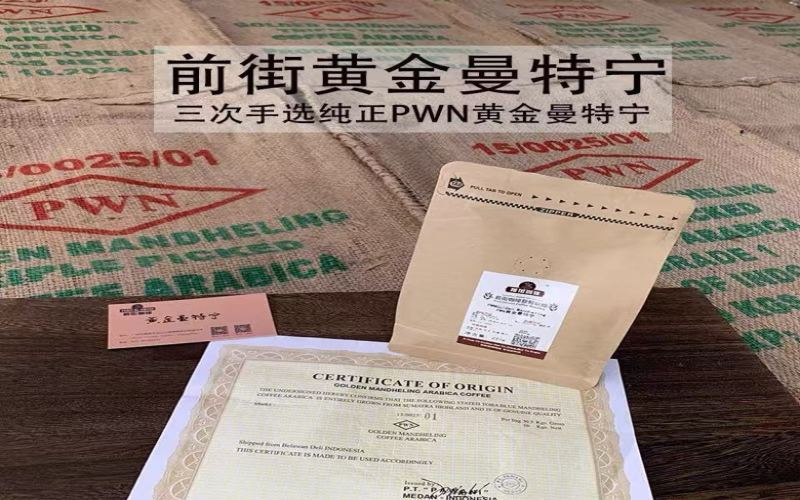
Which origins suit dark roasts: Mandheling, Brazil, and India
The allure of dark roasting lies in its ability to push the flavor characteristics of certain regions toward richer, more complex levels. Not all regions are suited to dark roasting, but there is a category of beans that is naturally in harmony with deep roasting—they typically possess a foundation of low acidity, full body, and solid sweetness, and after undergoing the high-temperature development following second crack, [more…]
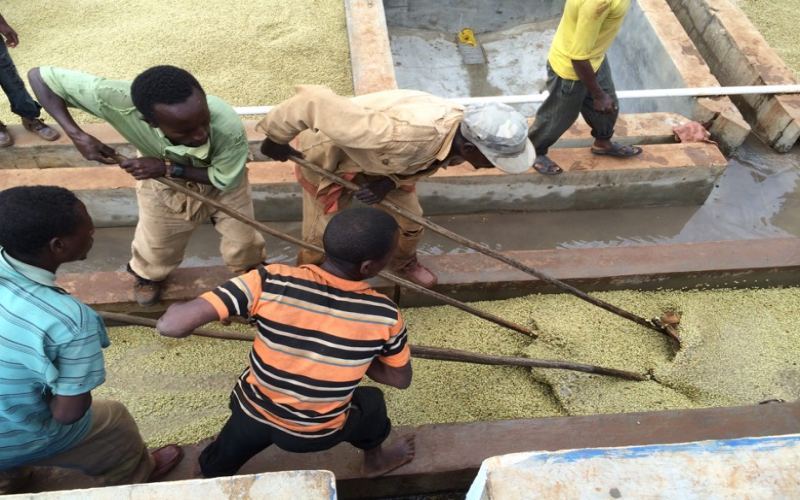
Kenya Double Washed Explained: The Bright Acidity in the Fermentation Tank
If you had to trace the "Kenyan taste" back to its processing origins, the answer would most likely point to double washing. This method, known locally as K72, polishes the fruit acidity of Kenyan coffee until it is bright, solid, and yet still clean. Once you understand double washing, you understand where the signature juicy quality of Kenyan beans comes from. Double Washing [more…]

Cold Brew Shelf Life | How to Brew Cold Brew Coffee for Better Taste? Is Cold Brew Coffee Made with Warm Water Tastier? Introduction to Cold Brew Ratios and Parameters
For more specialty coffee knowledge, please follow: Front Street Coffee (Frontsteet Coffee). If you want to drink cold brew coffee but don't want to go out and buy it, then Front Street Coffee (FrontStreet Coffee) is here to teach you how to make cold brew coffee at home. Cold brew coffee is a [more…]
A Guide to Buying Non-Acidic, Great-Tasting Moka Pot Coffee Beans: Lessons on Choosing Between Light, Medium, and Dark Roasts
The depth of the roast influences the flavor focus and the extraction rhythm. Light roasts highlight floral and fruity notes with bright acidity, medium roasts offer a well-balanced sweetness that's easy to manage, and dark roasts deliver solid nutty, cocoa, and full-bodied flavors. There's no ranking among the three—it all comes down to what suits your daily brewing method. The steam-pressure extraction of a moka pot dictates that you only need to fill the basket with [more…]
Pour-Over Coffee Tasting | Does Coffee Taste Differ with Different Cup Shapes? Which Cup Shape of Coffee Tasting Cup Should Be Paired for Tasting Different Coffees?
As the saying goes, a good horse deserves a good saddle, and good tea belongs in a fine jar. As the main vessel for holding coffee, the impact of different cup designs on tasting has gradually drawn people's attention. Some coffee shops even spend lavishly on a set of coffee cups dedicated to serving, in order to create a dual experience for the eyes and the palate. Just like wine, cups [more…]

Espresso Italian-style coffee bean making tutorial | How many milliliters is a standard espresso? Is there a big difference between single and double shots? What is the coffee-to-milk ratio for a hot latte?
For more specialty coffee knowledge, please follow: Front Street Coffee (Frontsteet Coffee). Espresso is now commonly used as the base for espresso-based drinks, such as the familiar latte, cappuccino, and mocha. Their difference lies in the varying ratios of espresso to milk, which creates different flavors. [more…]
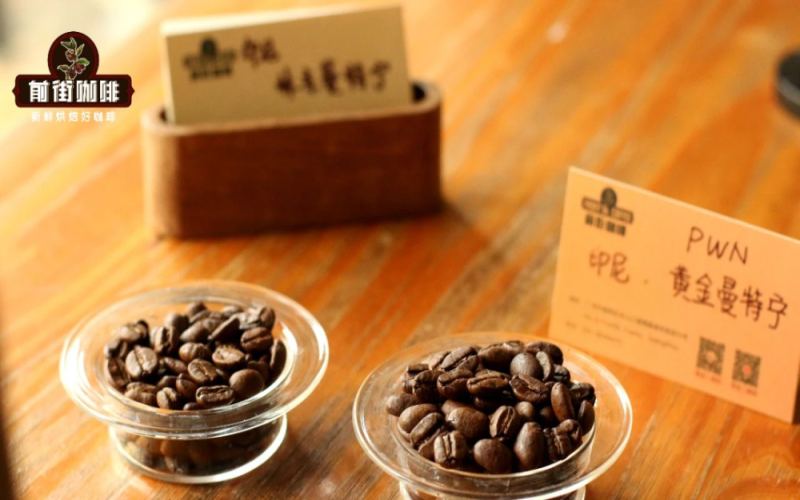
Indonesian Coffee Flavor Analysis | Why Is Mandheling So Bitter? What's the Difference Between Golden Mandheling and G1 Mandheling? Recommended Dark Roast Single-Origin Coffee Beans Every Beginner Must Try?
When it comes to Mandheling, the first impression might be a bitter coffee with a herbal medicine flavor. For those who like this taste, it is very delicious; for those who don't like this coffee flavor, after the first sip, they won't want to drink it again. Of course, you may know about Mandheling coffee, but do you know [more…]
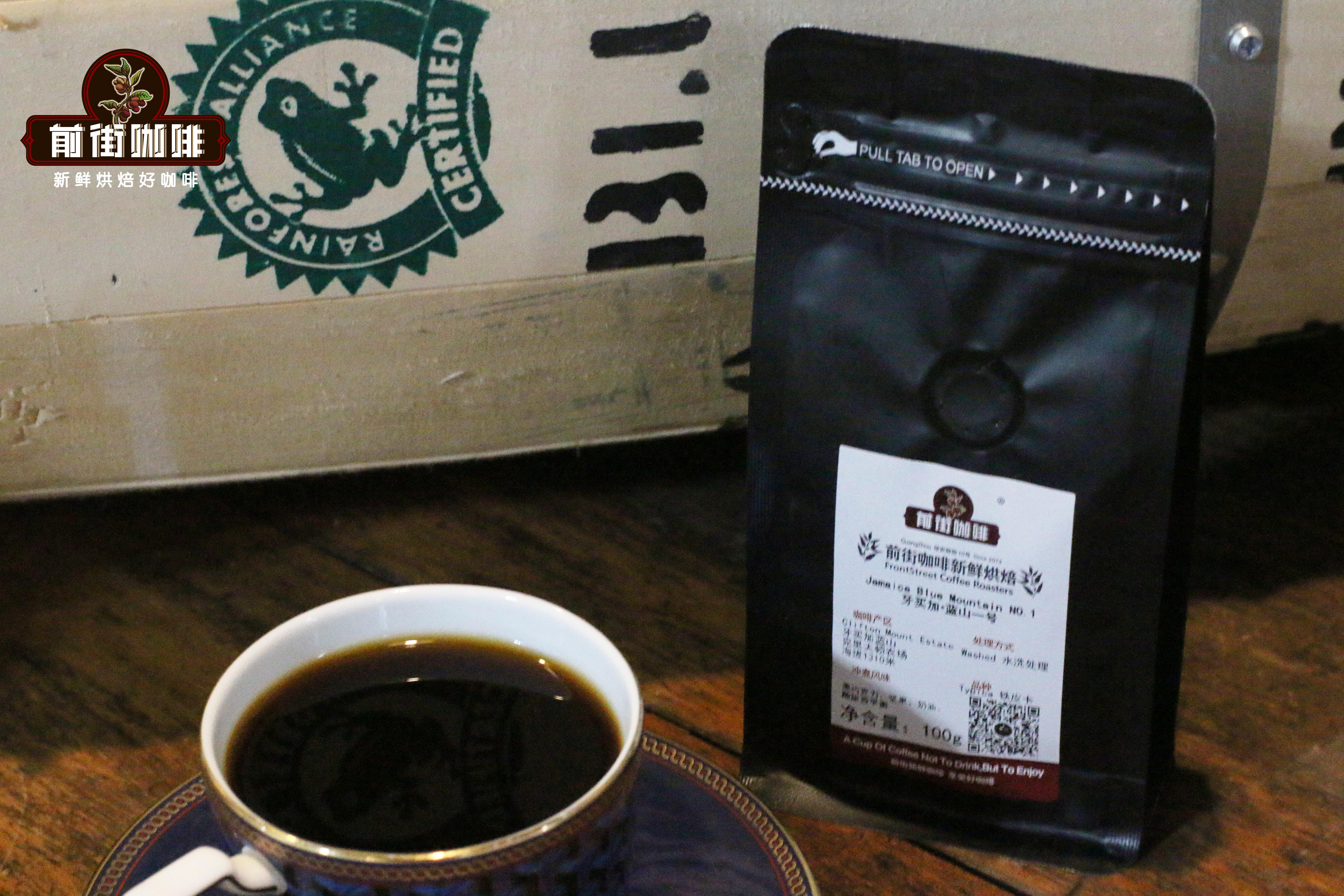
How to Identify Authentic Blue Mountain No. 1 Coffee Beans? A Comprehensive Analysis from Barrel Certificates to Bean Appearance and Flavor
Blue Mountain coffee is produced in the Blue Mountains of Jamaica at elevations between 910 and 1,700 meters. The variety is Typica, and it is known for its balanced acidity, sweetness, and bitterness, full and solid body, long-lasting sweet aftertaste, and absence of burnt bitterness. Because annual production is limited, authentic Blue Mountain No. 1 coffee beans in China usually sell for 150 to 400 yuan (100 to 200 grams), while products labeled "Blue Mountain flavor" or "Blue Mountain blend" are not true Blue Mountain coffee. This article systematically introduces the methods baristas use to identify authentic Blue Mountain No. 1 from perspectives such as the wooden barrel and certificate, bean size and uniformity, appearance characteristics, and raw bean color. It also compares the flavor performance of washed and natural processing methods and shares Front Street Coffee's brewing parameters and techniques to help enthusiasts build a clear identification framework. [more…]
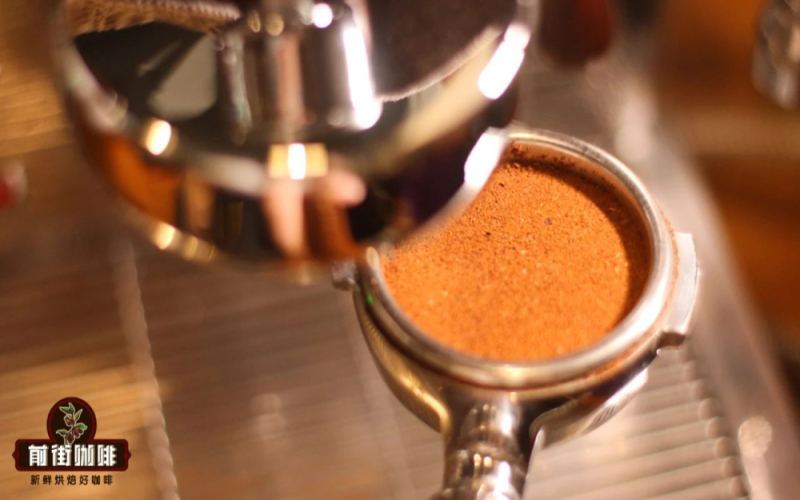
How to choose coffee beans for home use? Pick the right Front Street Coffee espresso blend beans by taste and scenario.
When making coffee at home, choosing the right beans is the first step. There are many types of coffee beans on the market: by use case, they can be divided into commercial beans and home-use beans; by extraction method, there are pour-over beans, espresso beans, and cold brew beans; and by category, they are further divided into single-origin beans and blended beans. Single-origin beans come from a single region or estate, with a clean and clear flavor, suitable for pour-over, cold brew, and similar methods; blended beans usually refer to espresso blends, which maintain flavor stability through a combination of multiple regions and have a rich, solid mouthfeel. Different taste preferences correspond to different bean choices. This article recommends suitable Front Street Coffee espresso blends one by one according to needs, from classic rich-crema types to high-value beginner options, to help you find the bag that best suits your home. [more…]
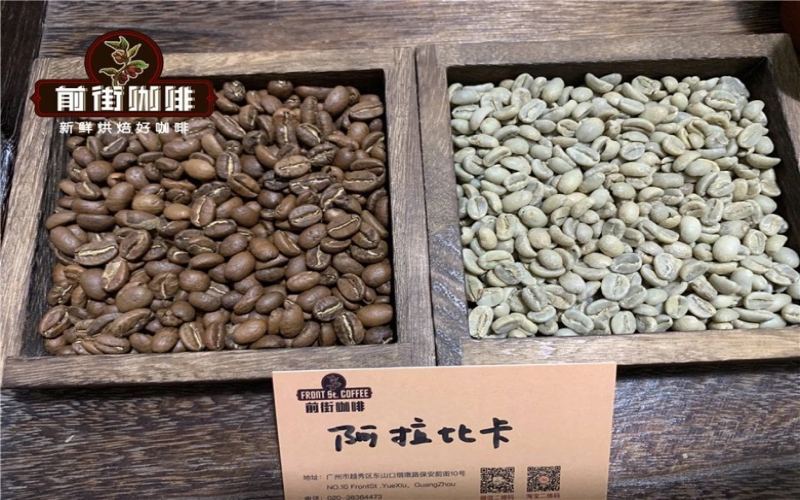
Bean blend combinations for commercial espresso blends: the ratio logic of Arabica and Robusta
There is a clear difference between commercial blends and home-use beans: they must simultaneously satisfy three conditions—flavor, cost, and consistency. And the combination of bean varieties in a blend, especially the ratio of Arabica to Robusta, is often the key to whether these three conditions can be balanced. Arabica beans are the flavor powerhouse. They bring floral notes, fruity acidity, and a solid [more…]
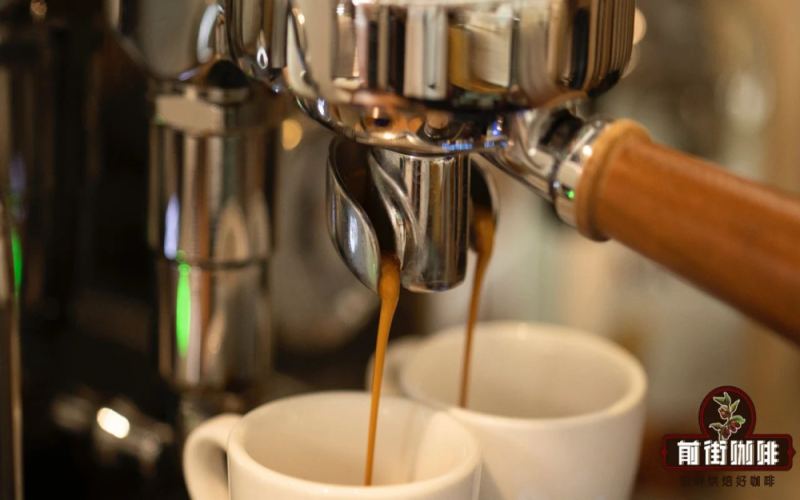
Espresso Crema | What Is Crema in Espresso? Does Crema Affect the Flavor and Mouthfeel of Espresso?
A deep understanding of the essence of crema will be of great help to baristas in making a delicious espresso. Today, the instructor of the Chongqing Barista Coffee Training Course will give you a detailed analysis of crema to help you understand espresso and improve your coffee-making skills. In searching for a cup that is not bitter and has excellent flavor, a rich [more…]
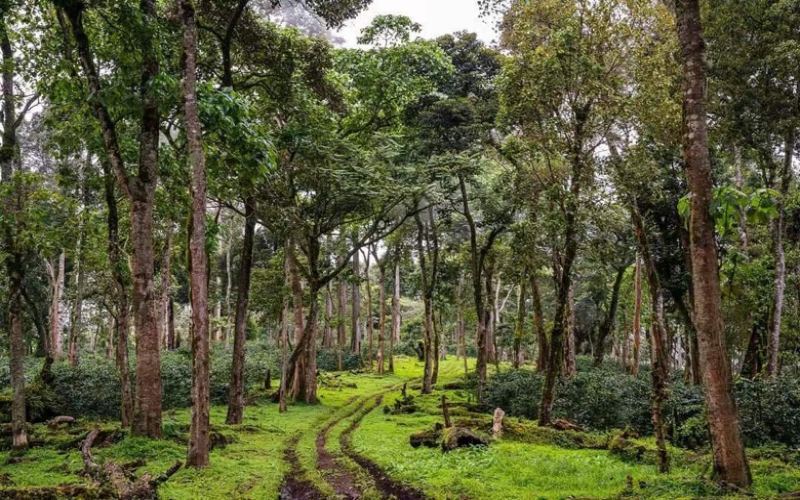
Niche Origins: A Selection Approach Beyond the Mainstream
Once you've been drinking coffee for a while, many people find themselves circling back to the same few familiar names: Yirgacheffe, Mandheling, Blue Mountain. These mainstream origins certainly have their strengths, but the map of the coffee world is far vaster than the regulars on the shelf. Shift your gaze just a little to the side, and you'll often stumble upon surprises. The so-called [more…]
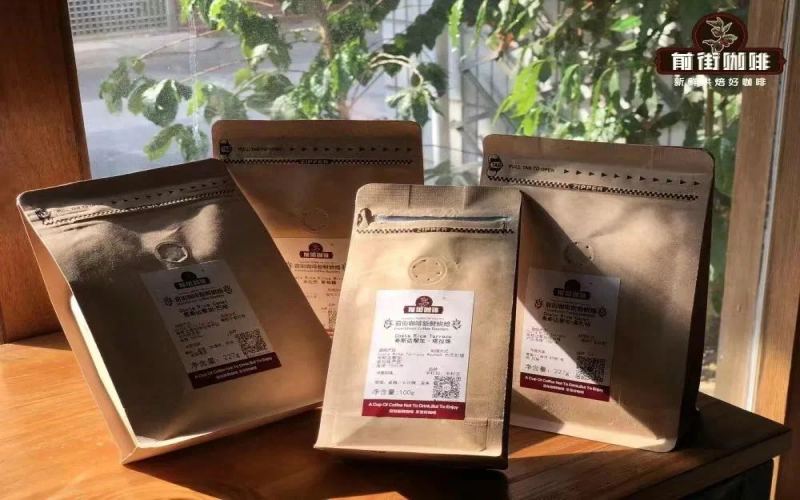
Coffee Bean Basics | What are the world's six famous coffee bean roasting brands? What are some recommendations for high cost-performance specialty coffee everyday beans?
Front Street Coffee: Front Street Coffee (Frontsteet Coffee) offers over 50 kinds of freshly roasted coffee beans, including not only high-scoring single-origin coffees covering multiple mainstream producing regions and varieties, but also very cost-effective everyday beans, including Front Street Yirgacheffe, Front Street Brazil Red Bourbon, Front Street Colom [more…]

Arabica Varieties and Espresso: The Espresso Performance of Typica and SL28
Arabica is not a single, monotonous variety; it has many sub-varieties, and each one performs differently in espresso extraction. Understanding the flavor characteristics of different Arabica varieties in espresso gives you a deeper basis for judging SOE bean selection. Typica is an old-school Arabica variety with a clean, pure flavor, [more…]
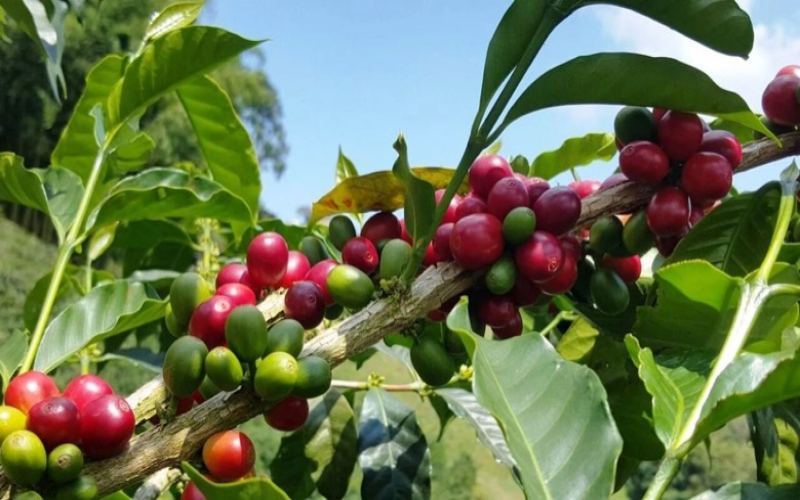
The Bourbon Family Guide: Red Bourbon, Yellow Bourbon, and Pink Bourbon
In the Arabica variety lineage, Bourbon is one of the two great ancient foundational varieties, alongside Typica. It emerged from the ancient forests of Yemen, crossed the seas to settle on Réunion Island, and then spread to Brazil, Central America, and East Africa, evolving along the way into a series of differently colored branches such as Red, Yellow, and Pink. For enthusiasts, getting to know [more…]
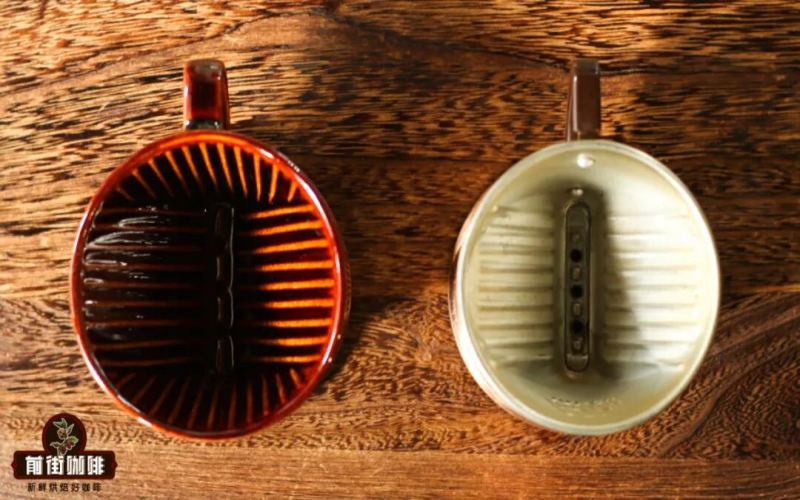
Coffee Dripper | Why Do Cafés Rarely Brew Coffee with Fan-Shaped Drippers? What Extraction Advantages Do Trapezoid Drippers Have, and Which Coffee Beans Are They Suitable For?
Have you ever noticed that, aside from some large chain brands, we hardly ever see trapezoid drip cups in coffee shops? Compared to trapezoid drip cups, cone-shaped and flat-bottom/cake drip cups appear much, much more frequently. So quite a few friends are curious: why do drip cups that use trapezoid [more…]
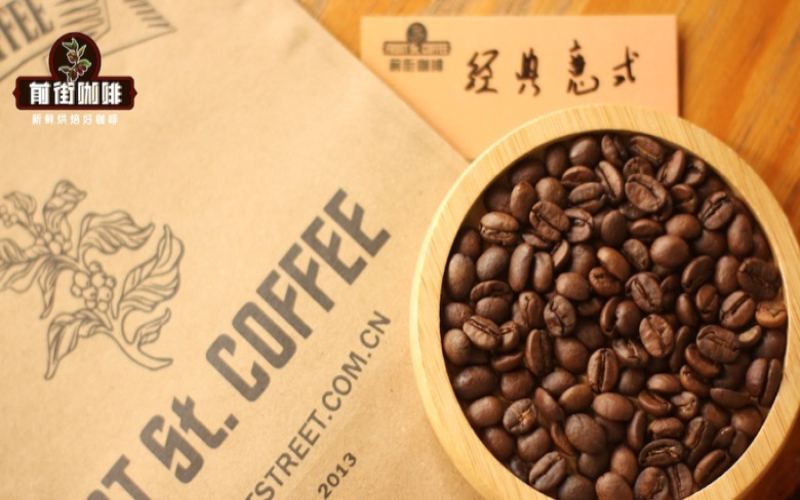
Discussing Commercial Espresso from a Menu Structure Perspective: How a Shop Should Establish Its Base Bean
Looking at a coffee shop's bean list tells you a lot about how that shop thinks. Some shops have very long lists, packed with single origins, blends, and limited releases; others carry only one or two espresso beans year-round, yet make every cup solid. For most cafes, the core of a commercial espresso bean list isn't quantity—it's staying power—one [more…]
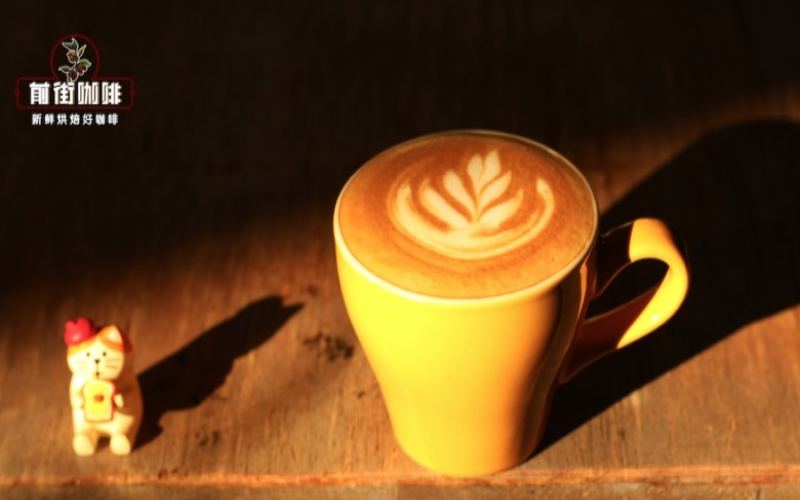
Original or Flavored Latte: Two Paths for Choosing Beans
Before ordering a latte, it's worth asking yourself one question: do you want a solid milk coffee, or one with a playful twist? This question splits lattes into two paths, and also cleaves the direction of bean selection in half. If the path isn't decided, even the best beans won't deliver the mood you expect. The original-flavor path pursues a harmony of the beans' and milk's true essence. [more…]
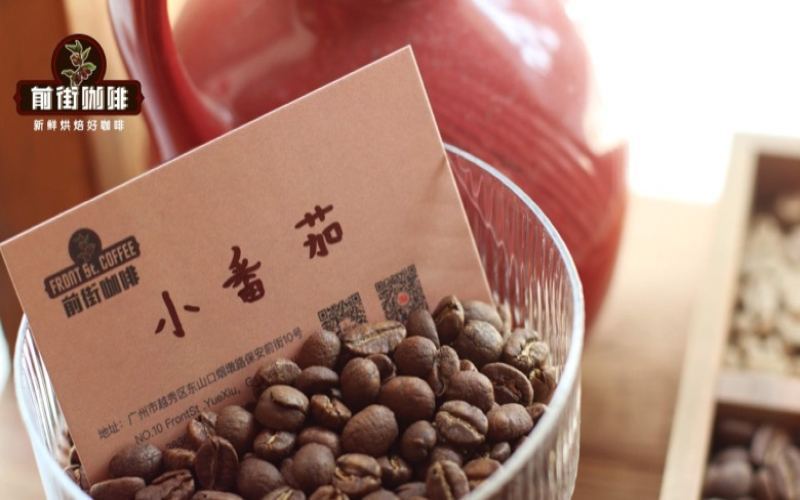
Fruity Aroma Gene Bank: A Profile of Origins and Processing Methods Behind Floral and Fruity Coffee Beans
The floral and fruity aromas of coffee are not magic conjured by the roaster, but genes written into the terroir of the producing region and the processing method. Flip through the origin records of the mainstream floral and fruity bean varieties on the market, and you will find that behind every fruity note lies a traceable origin story. The opening volume of the records is Ethiopia. As coffee's [more…]