







Search Results for: six major regions

A Complete Guide to Honduran Coffee Regions: Terroir Characteristics of Six Major Areas and the Flavor of Front Street Coffee's Sherry Barrel-Aged Beans
Honduras is located in northern Central America, with eighty percent of its terrain being mountainous. Its mild climate and abundant rainfall create an ideal environment for coffee cultivation. In 2020, the country's total coffee production ranked sixth in the world, and its Arabica production ranked second globally. Since the establishment of the Honduran Coffee Institute in 1970, the country has been divided into six major producing regions: Copán, Opalaca, Montecillos, Comayagua, Agalta, and El Paraíso, each with its own terroir and character. This article will introduce the altitude, location, and characteristics of these producing regions one by one, and focus on a Marcala Mocha estate Sherry coffee bean that Front Street Coffee has sourced, analyzing its whisky sherry wine barrel fermentation process and the unique cup flavors it creates. [more…]
A Complete Analysis of Honduras Coffee Region Classifications: The Six Major Regions and Detailed Explanation of SHG and EP Grade Standards
Honduras, through continuous investment in green bean processing and transportation in recent years, has risen to become the second-largest coffee exporter in Central America and the tenth-largest globally, harvesting approximately three million bags of coffee beans each year. Front Street Coffee's Honduran coffees cover six major regions: Copán, Opalaca, Montecillos, Comayagua, Tropical Acata, and El Paraíso, with an average cultivation altitude exceeding 1,100 meters. This article will systematically introduce the origin distribution, variety composition, export markets, and the two major quality grading standards, SHG and EP, of Honduran coffee, helping coffee enthusiasts gain a comprehensive understanding of the unique charm of this emerging Central American origin. [more…]
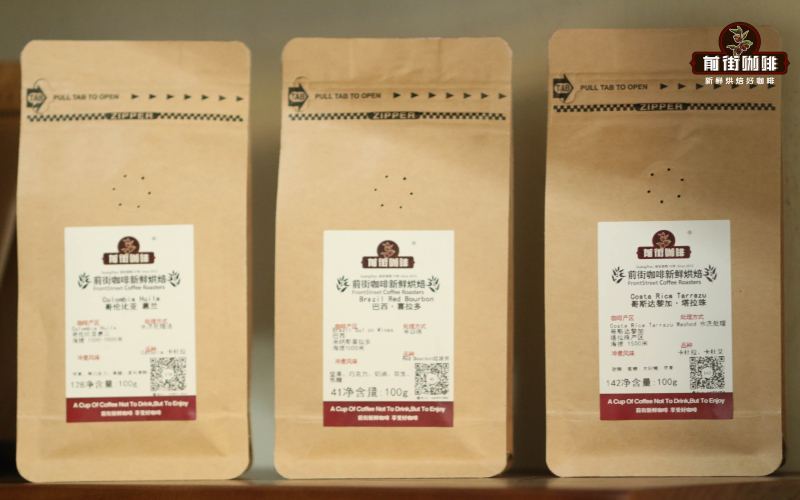
The Flavor Code of Brazilian Coffee Regions: Distribution Characteristics of Six Major Regions and Recommended Representative Brands
As the world's largest coffee producer, Brazil is known for its coffee beans with soft acidity and a smooth mouthfeel, making them ideal for those who are new to specialty coffee and not quite ready for pronounced acidity. Brazil has six major coffee-producing regions: Bahia, Espírito Santo, Minas Gerais, São Paulo, Paraná, and Rondônia. Each region, due to differences in altitude, climate, and cultivation methods, presents distinct flavor characteristics. Among them, the Cerrado region in Minas Gerais is the hallmark of Brazilian specialty coffee, and the Brazilian Red Bourbon daily-drinker beans selected by Front Street Coffee come from here. This article will go through the distribution, growing conditions, and flavor characteristics of the six major regions one by one, and introduce detailed information and brewing suggestions for Front Street's Brazil Cerrado Red Bourbon. [more…]
A Complete Analysis of Honduran Coffee Regions: Flavor Profiles of Six Major Areas and Brewing Tips for Litchi Orchid
Honduran coffee has performed impressively on the international stage in recent years. Unlike traditional producing countries such as Brazil and Colombia, it is a rising star in Central America. This article systematically reviews six major Honduran coffee regions—Copán, Opalaca, Montecillos, Comayagua, El Paraíso, and Agalta—introducing each one's geographical conditions, altitude ranges, common varieties, and cup flavors. It also features Front Street Coffee's recommended Lychee Orchid from the Marcala region, describing its layered notes of lychee, brandy, cream, and chocolate, and explaining how medium roasting balances acidity, sweetness, and bitterness. [more…]
A Complete Guide to Brazilian Coffee Origins: From Variety Origins to Six Major Regions and Flavor Profiles
Brazil is the world's largest coffee-producing country, yet more than three hundred years ago there was not a single coffee tree here. From a romantic tale of seed-passing in 1727 to the six major producing regions spread across the country today, Brazilian coffee has traveled a long and winding road. This article will trace the varietal origins and historical development of Brazilian coffee, introduce the distribution of the six major producing regions—Bahia, Espírito Santo, Minas Gerais, São Paulo, Paraná, and Rio de Janeiro—and focus on presenting the origin information, processing methods, and flavor profiles of two Brazilian beans from Front Street Coffee: Queen Estate Yellow Bourbon and Cerrado Red Bourbon, helping coffee enthusiasts gain a comprehensive understanding of the charm of Brazilian coffee. [more…]
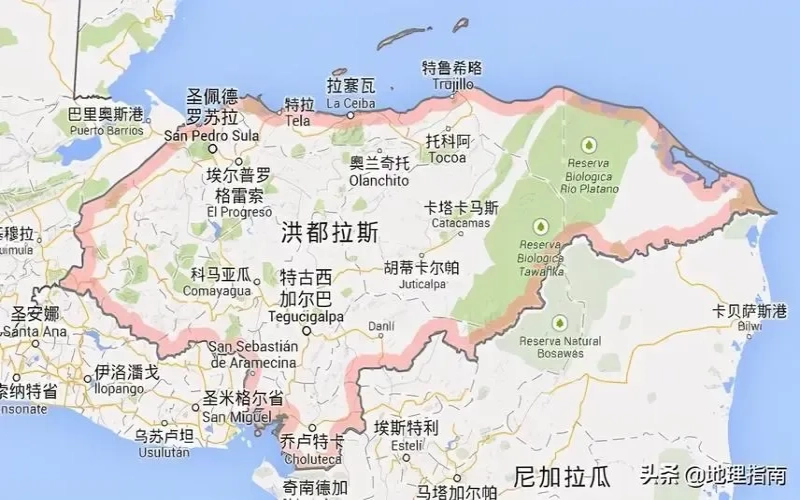
A Panoramic View of Honduran Coffee Regions: An Analysis of Six Major Origins and Varieties from Copán to El Paraíso
Honduras is the second-largest coffee exporter in Central America and the tenth-largest in the world. Most of its 280,000 hectares of coffee farms are run by smallholder farmers. The Honduran Coffee Institute (IHCAFE), founded in 1970, divides the country into six major regions: Copán, Opalaca, Montecillos, Comayagua, Agalta, and El Paraíso. Due to differences in altitude, rainfall, and microclimate, each region presents distinct flavors such as chocolate, tropical fruit, and lemon blossom. Front Street Coffee takes you through the terroir characteristics and main cultivated varieties of these regions, including Bourbon, Catuai, Pacas, Lempira, Typica, and Caturra. [more…]
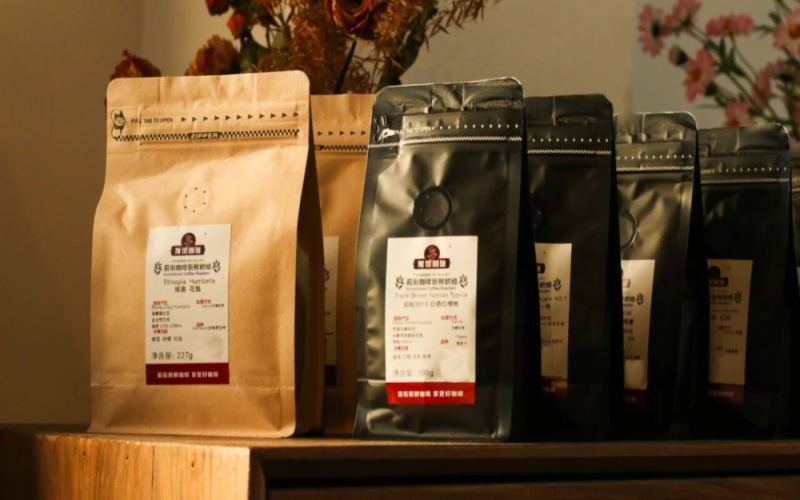
How to Choose Cost-Effective Coffee Beans? A Front Street Buying Guide from Roast Dates to the Flavors of Six Major Regions
Faced with a dazzling array of coffee beans, beginners often don't know where to start. In fact, choosing beans that taste good without breaking the bank isn't complicated—just focus on two key points: first, make sure they're freshly roasted, with a clear roast date rather than a best-before date on the packaging, ideally from a reputable specialty roaster; second, narrow down the origin based on the flavors you prefer, since climate, altitude, and processing method all profoundly shape what ends up in your cup. In this article, Front Street Coffee will share practical buying tips and introduce six single-origin beans one by one that combine regional character with great value, covering Ethiopia Yirgacheffe, Kenya, and Panama—known for their bright acidity—as well as Colombia, Indonesian Mandheling, and Brazil, which shine with their rich, full-bodied taste, helping you quickly find the one that suits your palate. [more…]
A Complete Guide to Honduran Coffee Regions: Six Major Origins, Grading System, and Flavor Characteristics
Although Honduras entered the coffee industry relatively late, it quickly rose to prominence thanks to its superior geographical conditions and microclimates, becoming the largest coffee producer in Central America and a major global producer of Arabica. This article systematically reviews the historical development, growing environment, and grading standards of Honduran coffee, and provides detailed explanations of six major producing regions: Copán, Opalaca, Montecillos, Comayagua, Agalta, and El Paraíso. It also includes Front Street Coffee's on-location photos, roasting curves, and brewing suggestions, giving you a comprehensive understanding of the unique charm of this rising star of Central American coffee. [more…]
An Overview of the Honduran Coffee Industry: Development Trajectory, Six Major Regions, and Analysis of Barrel-Fermented Flavors
In the coffee landscape of the Americas, Honduras is often overshadowed by names like Brazil and Colombia. Yet this mountainous Central American nation, with its unique geographic conditions and its industry push in recent decades, has risen to rank among the world's important coffee origins. From coffee's introduction in the late 18th century, to the founding of the dedicated agency IHCAFE in 1970, to surpassing Costa Rica and Guatemala in production in 2011, Honduras has walked a winding yet resolute coffee road. This article will systematically trace the country's coffee history, its six core producing regions, the current state of smallholder farming, and the diverse post-processing methods that have emerged in recent years—especially the sherry cask fermentation method with its notes of whisky and vanilla—to give you a comprehensive understanding of this coffee nation worthy of attention. [more…]

Analysis of Honduran Coffee-Growing Regions and Flavors: A Complete Guide from Six Major Origins to Sherry Cask Fermentation
As the largest coffee producer in Central America, Honduras nurtures a diverse range of high-quality coffees thanks to its mild tropical climate and abundant rainfall. This article systematically reviews the terroir characteristics and cup profiles of Honduras's six major producing regions, explains the origins of major varieties such as Caturra, Catuai, and Pacas, and delves into how washed processing and whisky-barrel fermentation give coffee its distinctive boozy aroma. At the same time, Front Street Coffee's Sherry and Lychee Orchid beans serve as examples to present a complete picture of Honduran coffee from origin to cup. [more…]
A Comprehensive Analysis of Honduran Coffee Beans: From Six Major Producing Regions to Sherry Barrel Fermentation, Front Street Coffee Takes You Deep into a Specialty Origin in Central America
When people mention coffee-producing countries in the Americas, Brazil, Colombia, or Panama are usually the first that come to mind, while Honduras is often overlooked. Yet this mountainous Central American nation, with its high-altitude highlands and tropical rainforest climate, has long since become a major global coffee exporter. From the perspective of Front Street, this article will outline the historical development of Honduras's coffee industry, the distribution of its six core producing regions, the current state of manual harvesting by smallholder farmers, and the diverse post-processing trends that have emerged in recent years. The article will also focus on breaking down Front Street's Honduran Sherry barrel-fermentation process, helping you understand where that hint of whisky and vanilla aroma actually comes from, and will include suitable brewing recommendations. [more…]
Kenyan Coffee Flavor and Brewing Guide: AA Grading Standards and Analysis of Six Major Producing Regions
Kenyan coffee is famous for its bright acidity and intense berry flavors, and is a beloved favorite among many seasoned coffee enthusiasts. But do you know about its cultivation history, producing regions, and green bean grading? This article starts with the origins of Kenyan coffee, outlines the distinctive characteristics of its six major producing regions, explains the logic behind grading standards such as AA and PB, and shares brewing parameters and techniques recommended by FrontStreet Coffee, helping you gain a more comprehensive understanding of this East African coffee-producing country and find Kenyan beans that suit your taste. [more…]
A Complete Guide to Honduras's Six Major Coffee Regions: Flavor Profiles, Grading System, and Origin Stories
Honduras is located in northern Central America. Although its coffee industry started relatively late, it has risen rapidly thanks to its excellent natural conditions and has become an important global producer of Arabica coffee. This article will systematically review Honduras's coffee development history, geographical advantages, and grading system, and introduce one by one the six major producing regions of Copán, Opalaca, Montecillos, Comayagua, Agalta, and El Paraíso. At the same time, it will also present Front Street Coffee's bean selection and brewing practices in Honduras, helping coffee lovers gain a comprehensive understanding of the unique charm of this Central American coffee newcomer. [more…]
A Comprehensive Guide to Honduran Coffee: From Six Major Regions to Specialty Estates, Pour-Over Flavors, Varieties, and Processing Methods
Honduras is now a major global Arabica coffee producer, but its rise to prominence has not been smooth sailing. From the perspective of Front Street Coffee, this article systematically reviews the development history, grading system, and six core producing regions of Honduran coffee, and provides an in-depth analysis of the varieties, processing methods, and roasting and brewing details of three specialty beans: Twin Blossom Estate, Laurel Estate, and Sweet Orange Estate. You will learn about the chocolatey sweetness of the Copán region, the lively fruit acidity of Montecillos, and the flavor differences brought by washed and natural processing, making it suitable for enthusiasts who want a comprehensive understanding of Honduran coffee. [more…]
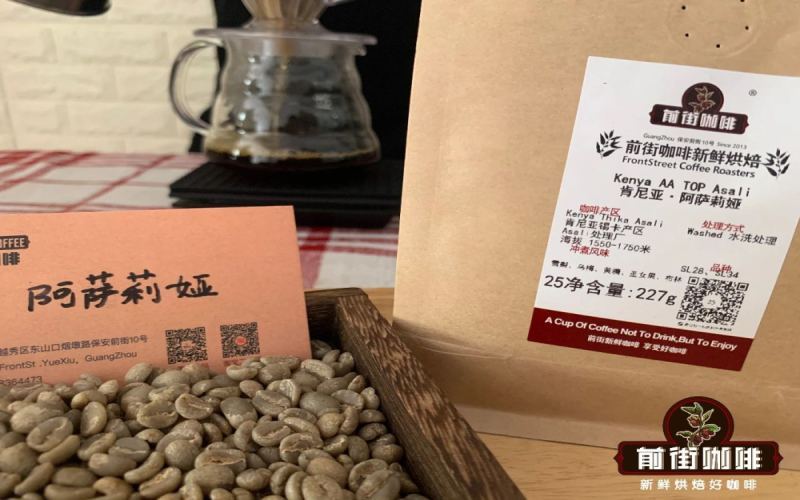
Complete Guide to Kenyan Coffee: Six Major Regions, AA Grading System, SL28/SL34 Varieties, and Pour-Over Parameter Guide
Kenyan coffee is world-renowned for its bright fruit acidity and full-bodied berry juice sensation, standing as a representative of high-acidity specialty coffee. This article systematically reviews the growing conditions and geographical environment of Kenyan coffee, introducing one by one the altitude, varieties, and flavor characteristics of six major producing regions: Thika, Kirinyaga, the western side of Mount Kenya, Nyeri, Kiambu, and Murang'a. It provides a detailed explanation of the coffee bean grading system from AA to PB, as well as the auction and direct trade systems. It offers an in-depth analysis of the varietal origins of SL28, SL34, and Ruiru 11, and fully breaks down the fermentation process of Kenya's 72-hour washed processing method (K72). At the end of the article, Front Street Coffee's roasting approach and V60 pour-over parameter suggestions for the small tomato coffee beans from the Thika region are included, for coffee enthusiasts to reference and practice. [more…]
A Complete Guide to Honduran Coffee: Six Major Regions, Grading System, Bean Characteristics, and Front Street Coffee's Top Picks
Honduras is the largest coffee-producing country in Central America and a major global exporter of washed Arabica beans. Coffee here is known for its exotic spice-like aromas, rich nutty and chocolatey finish, and balanced complexity. Since its introduction in the late 18th century, Honduran coffee has gone through a tortuous journey from lagging behind to rising, and today it has six major regions including Copán and Opalaca, as well as a strict grading system based on altitude and defect rate. This article will give you a comprehensive understanding of Honduras coffee's geographical conditions, development history, regional distribution, processing methods, and main varieties, and introduce specialty coffee beans selected by Front Street Coffee, such as Sweet Orange Estate, Mocha Estate Sherry, and Lychee Orchid. [more…]
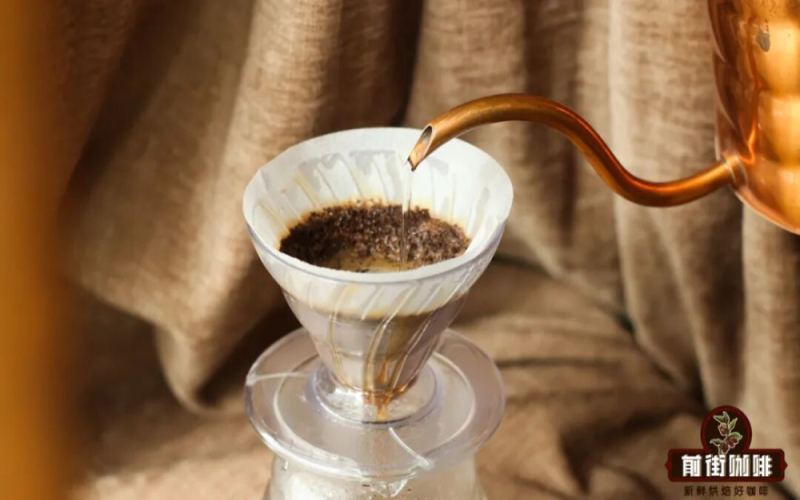
How to Choose Beginner Pour-Over Coffee Beans? A Full Analysis of the Flavor Characteristics and Brewing Key Points of Six Major Regions
Want to step into the world of manual pour-over coffee? Choosing the right beans is the first step. This article begins with the origins of pour-over coffee and systematically outlines the flavor characteristics of six representative producing regions across three continents—Africa, the Americas, and Asia—covering Ethiopia Yirgacheffe, Colombia Huila, Brazil Cerrado, Costa Rica Tarrazu, Yunnan small bean, and Indonesia Mandheling, along with beginner recommendations based on Front Street Coffee's specific products. It also breaks down in detail the six key factors affecting pour-over extraction—bean freshness, grind size, coffee-to-water ratio, water temperature, pouring technique, and extraction time—helping coffee lovers build a clear brewing framework and quickly find the cup that suits them. [more…]
A Beginner's Guide to Choosing Home Pour-Over Coffee Beans: Six Major Regions' Affordable Specialty Front Street Coffee Daily Drink Recommendations
For friends who are just getting into pour-over coffee, choosing the right coffee beans is the key step that determines whether a cup of coffee tastes good or not. The quality of the coffee beans directly affects the final flavor performance—if the beans themselves aren't good enough, even the best brewing technique can hardly save the cup. So for beginners making pour-over at home, which coffee beans from which producing regions should they start with? This article organizes the representative flavors of six classic producing regions according to the three major areas of Africa, the Americas, and Asia, and recommends the corresponding Front Street Coffee everyday beans, including Ethiopia Yirgacheffe, Colombia Huila, Brazil Cerrado, Costa Rica Tarrazu, Yunnan small-bean, and Indonesian Mandheling, to help everyone quickly find the one that suits their taste. [more…]
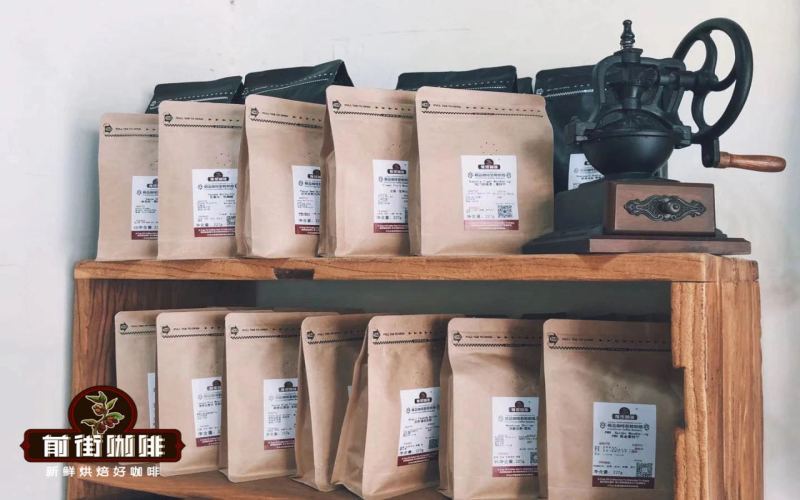
From Santos Port to Cerrado: A Complete Guide to Brazil's Six Major Coffee Regions and Bourbon Bean Flavors
Brazil is the world's largest coffee producer, with coffee grown in 17 of its 21 states, and its six major producing regions—including Minas Gerais and São Paulo—each possess distinct terroirs. This article guides you through Brazil's coffee landscape: detailing the four sub-regions of Minas Gerais, visiting São Paulo, home to the Port of Santos, and the renowned Mogiana, interpreting the characteristics of regions such as Cerrado, Espírito Santo, Bahia, and Paraná, as well as the splendor of Fazenda Rainha; at the same time comparing the varietal differences between Red Bourbon and Yellow Bourbon, and including Front Street Coffee's medium-dark roast approaches for two Brazilian beans along with a KONO three-pour hand-brewing method, to explore the source of Brazilian beans' smooth mouthfeel. [more…]
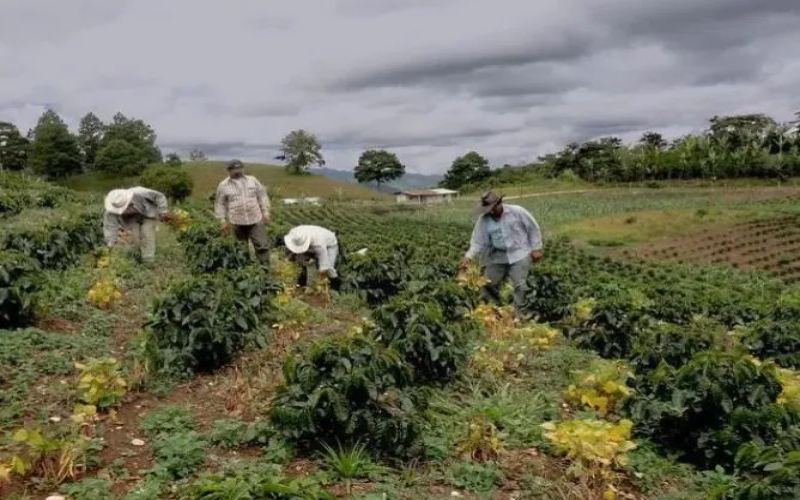
An Analysis of Honduran Coffee Regions and Flavors: From the Caballero Family to Six Major Growing Areas
Honduras has risen to become the largest coffee producer in Central America thanks to its complex terrain and diverse climate, while continually refining its quality. This article will guide you through an overview of Honduran coffee, its main growing regions, and how the most iconic Caballero family has driven the development of specialty coffee. We will also take a deep dive into the terroir characteristics of the Montecillos region, analyzing its bright acidity and fruity sweetness, and include Front Street Coffee's origin recommendations. [more…]