







On the coffee map of the Americas, Honduras is often overshadowed by names like Brazil and Colombia. Yet this Central American mountain nation, with its unique geographical conditions and decades of industry effort, has earned its place among the world's major coffee origins. From coffee's introduction in the late 18th century, to the founding of the dedicated agency IHCAFE in 1970, to surpassing Costa Rica and Guatemala in production in 2011, Honduras has walked a winding yet resolute coffee path. This article will systematically sort through the country's coffee history, its six core producing regions, the current state of smallholder farming, and the diverse post-harvest processing methods that have emerged in recent years—especially the sherry cask fermentation method with its whisky and vanilla notes—to give you a comprehensive understanding of this coffee nation worth paying attention to.
When it comes to the major coffee-producing countries of the Americas, most people immediately think of Brazil, Colombia, Costa Rica, or Panama, and Honduras is often not the first to come to mind. If you're curious about the coffee this country produces, why not join Front Street Coffee for an in-depth look.
Coffee was introduced to Honduras by Spanish merchants around the late 18th century, and by around 1804, scattered small-scale plantings had already appeared locally. However, constrained by persistent political instability, the country's coffee economy long failed to truly take off. The turning point came in 1970, when the government established a dedicated official coffee agency—the Instituto Hondureño del Cafe (IHCAFE)—to improve coffee quality and promote trade with North American countries and others. After decades of cultivation, Honduras finally achieved a production breakthrough in 2011, overtaking its neighbors Costa Rica and Guatemala.
Observing the globe, Front Street Coffee found that Honduras is located in northern Central America, bordering Guatemala and Nicaragua. Although its coffee industry started relatively late, through the joint efforts of local growers, not only has production made a breakthrough, but more and more high-quality coffees have been discovered as well. The country's terrain is predominantly mountainous, facing the Caribbean Sea to the north and the Pacific Ocean to the south. More than three-quarters of its territory is high-altitude mountains, with mountain ranges running east-west across the country, while the coastal areas are mostly plains. Being close to the equator, most of Honduras has a tropical rainforest climate with an average annual temperature of about 23°C, highly suitable for growing coffee, bananas, and other tropical crops.
Coffee can be grown almost anywhere in Honduras, but the higher-production lots mainly come from six major regions: Copan, Opalaca, Montecillos, Comayagua, Agalta Tropical, and El Paraiso.
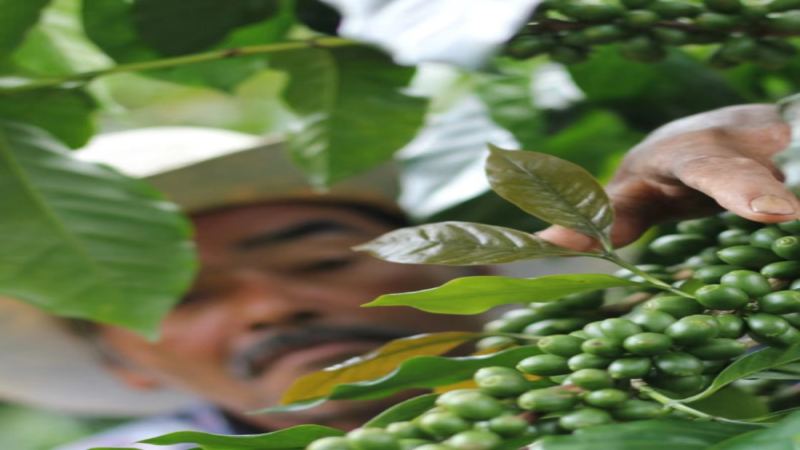
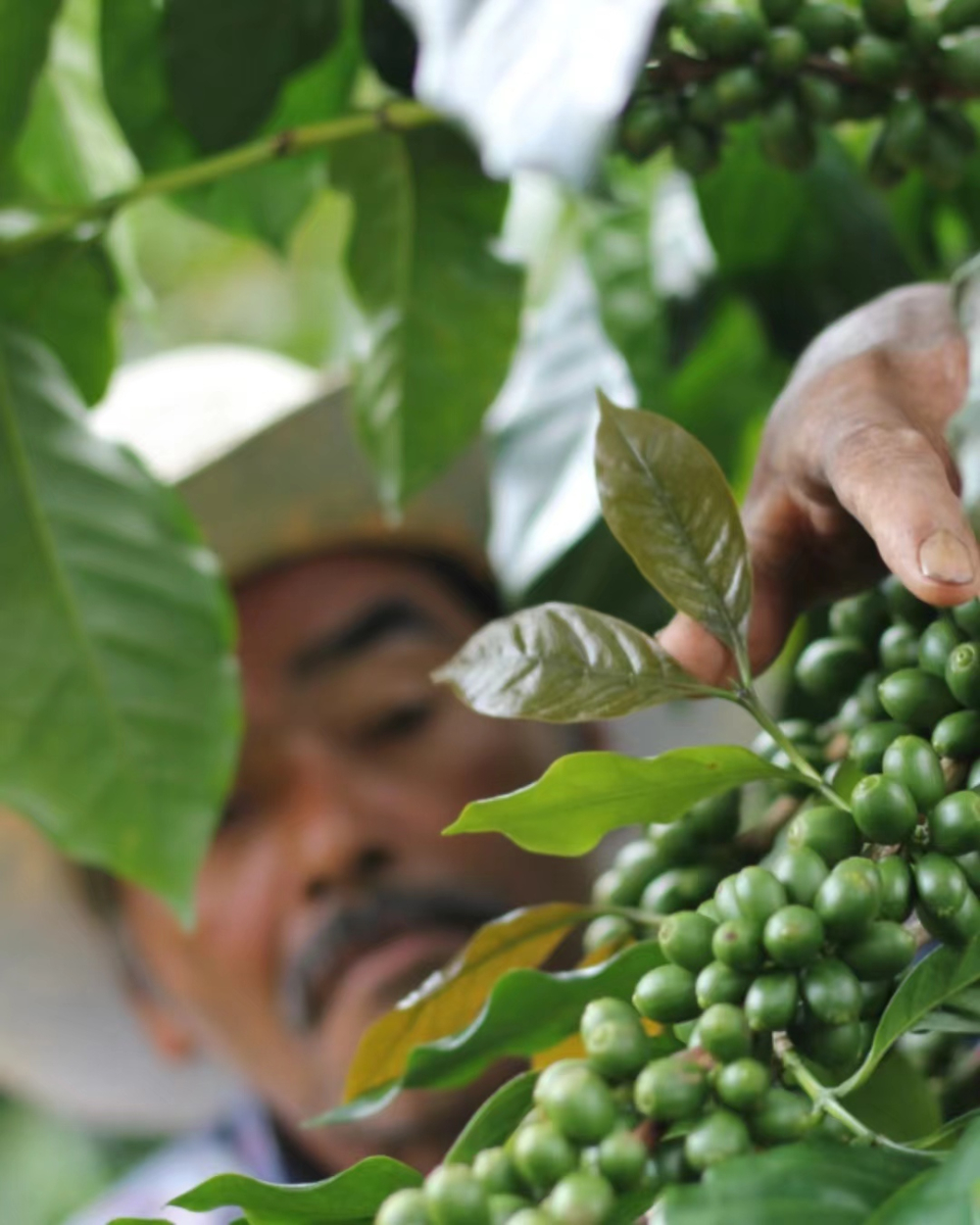
Currently, coffee plantations in Honduras cover about 280,000 hectares, the vast majority owned by smallholder farmers. These plots are typically less than 3.5 hectares, and together they account for roughly 60% of the nation's total output. Constrained by geographical conditions and a relatively low standard of living, local coffee farmers still harvest coffee cherries by hand to this day.
In Honduras, income from selling fresh coffee cherries is the economic mainstay for many poor families for an entire year. Although the country's natural conditions for growing coffee are in no way inferior to places like Guatemala, the transportation infrastructure connecting the northern and southern regions is extremely slow and backward. Most areas within the country are already hard to reach easily, let alone achieve transport connections with other countries. With only outdated, high-cost airports, exchanging domestic products with other countries is fraught with difficulty, and fair trade coffee mechanisms from Western countries are nearly impossible to implement here.
In recent years, with the rise of the specialty coffee wave, and also to help Honduran coffee achieve better quality and higher prices, the country's coffee associations and green bean processing plants have begun learning from the diversified processing approaches of neighboring countries like Costa Rica.
Traditionally, Honduran coffee has been mostly washed, but now farmers are experimenting with natural, honey, and various novel special processing methods, attempting to reshape the overall flavor profile of green coffee beans. As post-harvest processing methods have become increasingly diverse, Honduran coffee has gradually come into the view of coffee lovers worldwide, and flavors such as nuts, vanilla, cream, chocolate, and spices have become clearer and more distinguishable little by little.
When it comes to the flavor of Honduran coffee, many enthusiasts, like Front Street Coffee, will first think of that cup of Sherry coffee exuding whisky and vanilla notes—whether it's the fermented wine aroma or the silky mouthfeel, it brings to mind sweet, mellow sherry.
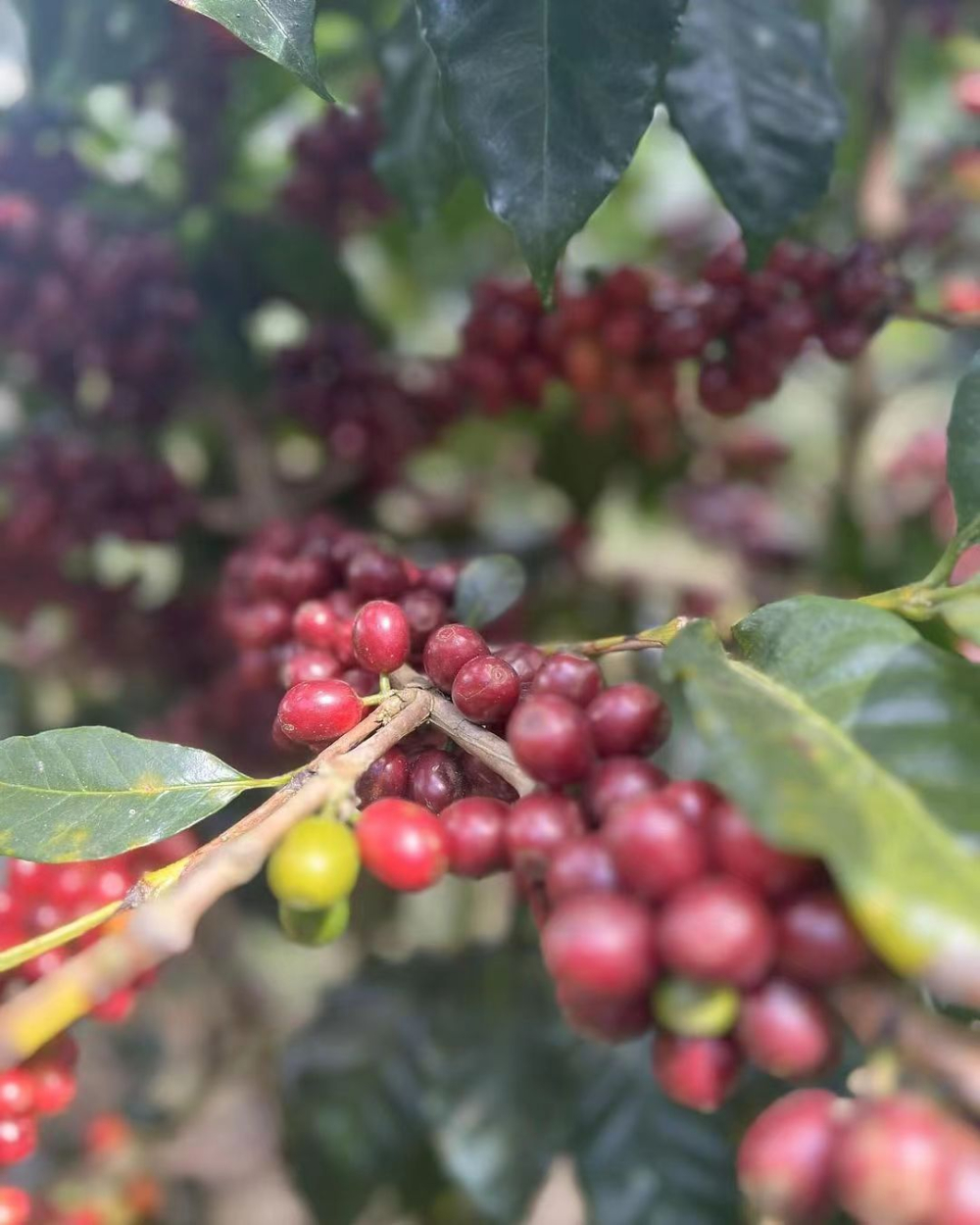
Before cask fermentation, the coffee cherries must first undergo washing to obtain the green beans. Coffee farmers first pour the harvested coffee cherries into a large water tank, skimming off the underdeveloped, defective beans floating on the surface, keeping the ripe, plump fruit for the next stage. Then a specialized pulping machine removes the outer skin and most of the pulp. At this point, a slippery mucilage layer still clings to the beans. They are poured into fermentation tanks and soaked for 16 to 36 hours, allowing the resulting microorganisms to break down the mucilage. After that, they are rinsed with plenty of clean water to thoroughly remove any residue, and finally the beans are dried to the target moisture content.
Front Street Coffee has learned that the sherry cask fermentation method was inspired by winemaking techniques. During the green bean fermentation process, the cask allows trace amounts of air to permeate through its walls, causing a moderate oxidation reaction in the coffee beans. This small amount of oxygen not only further accelerates the fermentation process but also transforms the coffee's originally fresh fruity aromas into complex fermented notes. In addition, the small amount of tannic acid remaining in the aged cask seeps into the beans during storage, endowing the coffee with a mellow, matured wine aroma.
The above content is compiled by CoffeeHunters, a coffee news website.


