







What Defines Traditional Coffee From Brazil's Six Regions?
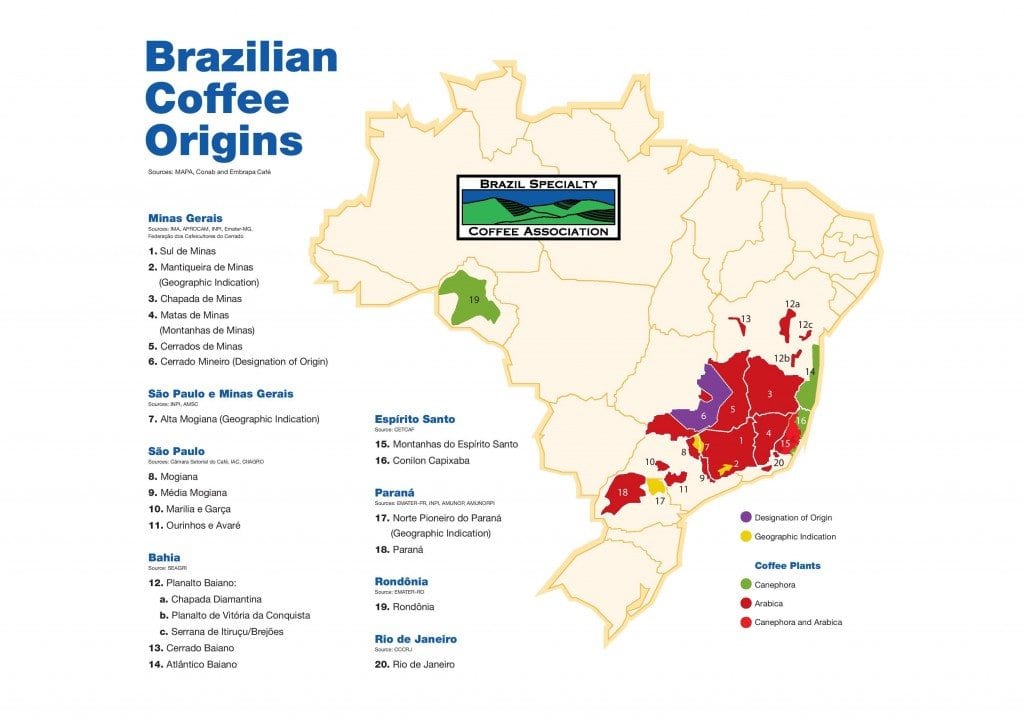
Brazil, the largest coffee producer, grows beans with mild acidity and a smooth mouthfeel across six main regions: Bahia, Espirito Santo, Minas Gerais, Sao Paulo, Parana and Rondonia. Altitude, climate and cultivation methods give each area its own profile, and the Cerrado in Minas Gerais leads specialty output.
Most Brazilian traditional coffee is sun-exposed, so fruit ripens quickly and the beans stay softer than high-altitude lots from Africa and Central America. That softness shows up in the grinder and in the cup: mild acidity and easy drinking, which suits newcomers who dislike sharp brightness.
As the world's largest coffee producer, Brazil is known for coffee beans with mild acidity and a smooth mouthfeel, making them ideal for those new to specialty coffee who can't quite handle pronounced acidity. Brazil has six main producing regions: Bahia, Espírito Santo, Minas Gerais, São Paulo, Paraná, and Rondônia, each showing distinct flavor characteristics due to differences in altitude, climate, and cultivation methods. Among them, the Cerrado region in Minas Gerais is the flagship of Brazilian specialty coffee, and the Brazilian Red Bourbon daily-drinker beans used by Front Street Coffee come from here. This article will go through the distribution, growing conditions, and flavor traits of the six major regions one by one, and introduce detailed information and brewing suggestions for Front Street's Brazil Cerrado Red Bourbon.
For more specialty coffee knowledge, please follow the WeChat public account: Front Street Coffee (FrontStreet Coffee)
In recent years, Geisha has become increasingly famous, but not everyone can appreciate it. The areas in Panama where Geisha is grown often sit above 1,500 meters in altitude, with significant day-night temperature differences, allowing the fruit to develop slowly and accumulate more nutrients. The green beans are hard in texture, and the acidity is therefore especially pronounced.
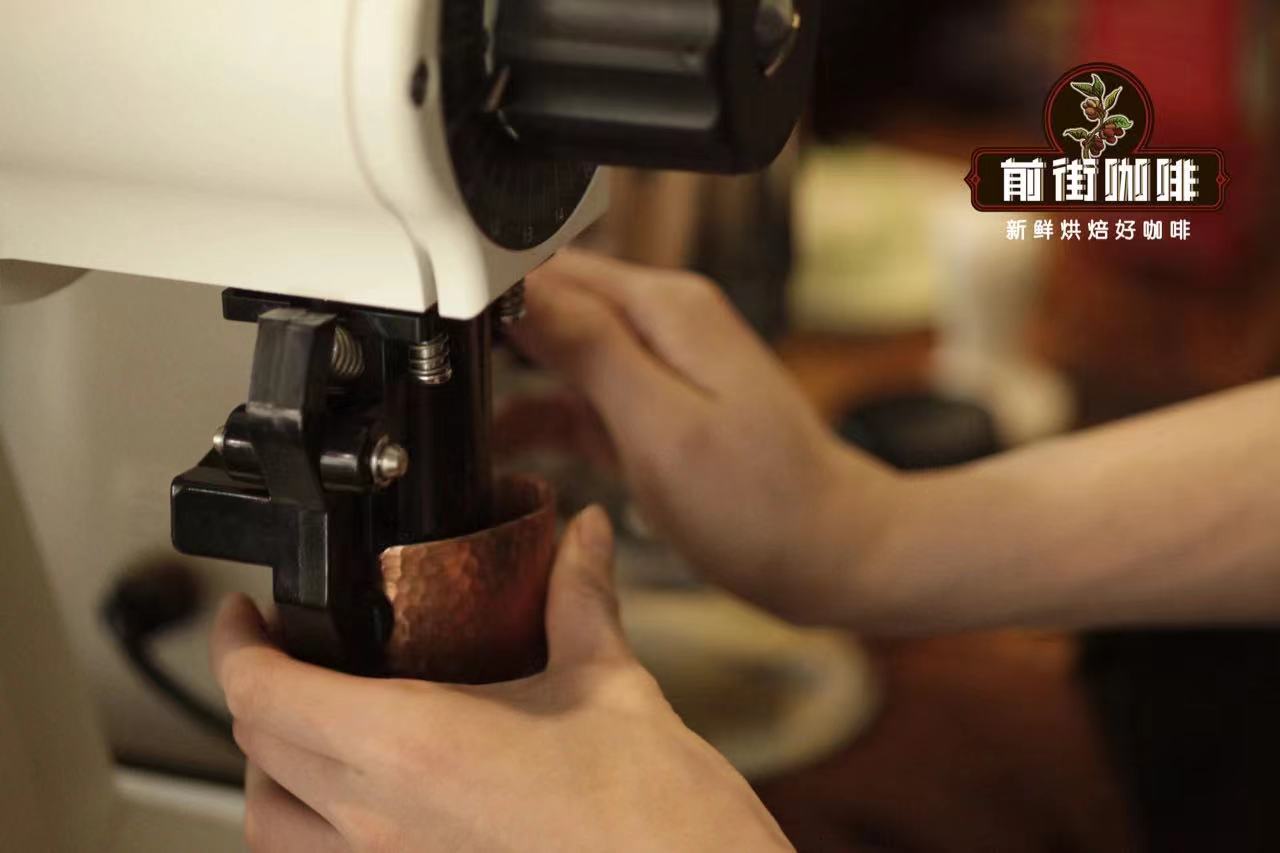
By contrast, Brazilian coffee mostly uses sun-exposed cultivation, where the fruit can absorb enough heat and ripen quickly in a relatively short time, so Brazilian coffee beans tend to be softer in hardness. If you often use a manual hand grinder to grind Brazilian beans separately from high-altitude, extremely hard beans from Africa and Central America, you can clearly feel the difference: high-altitude beans with long growing cycles are quite laborious to grind, while Brazilian beans are much easier.
Precisely because Brazilian coffee beans are softer in texture, they have mild acidity on the palate and an overall very smooth performance, making them especially suitable for beginners who are just getting into specialty coffee and do not like acidity.
Anyone with some understanding of specialty coffee knows that coffees from different regions each have their own characteristics. For example, Ethiopian beans overall have elevated acidity, but within that, Yirgacheffe is bright acidity paired with white florals, while Sidamo is berry-like acidity with a creamy mouthfeel. As the world's largest coffee-producing country, Brazil has six main regions: Bahia, Espírito Santo, Minas Gerais, São Paulo, Paraná, and Rondônia.
[Bahia]
Bahia is located in northeastern Brazil, and coffee cultivation there did not begin until the 1970s. However, the region is known for high coffee bean quality and advanced cultivation techniques. About 75% of the coffee crops in Bahia are Arabica varieties.
Bahia also includes two sub-regions: Chapada Diamantina and West Bahia. These two sub-regions are representatives of Brazil's high-tech cultivation, where fully mechanized operations are already very common. In recent years, Bahia coffee has performed impressively in green bean competitions. In the 2009 Cup of Excellence (COE) Brazil top ten, Bahia took five spots, drawing widespread attention.
[Espírito Santo]
Espírito Santo is Brazil's second-largest coffee-producing region and the largest producer of Robusta beans in Brazil. Its capital, Vitória, is a major coffee export port. In addition, the region has gained fame for small coffee farms that are very small in area yet capable of complex, professional production.
Espírito Santo has two sub-regions: Montanhas do Espírito Santo and Conilon Capixaba. The former is located on a plateau with a mild climate, at an altitude between 700 and 1,300 meters, and has the conditions to produce specialty coffee, mainly growing the Mundo Novo and Catuai varieties; the latter is a Robusta-growing area, mostly consisting of low-altitude small plantations.
[Minas Gerais]
Minas Gerais is Brazil's largest coffee-growing region, accounting for more than 55% of the country's total production, and it is also the main source of Brazilian specialty coffee. This main region is divided into four sub-regions: Cerrado, South of Minas, Minas Plateau, and Matas de Minas.
Cerrado: Cerrado was Brazil's first coffee region to receive origin certification, covering 55 municipalities and located between the Upper Paranaíba, Triângulo Mineiro, and northwestern Minas Gerais. The growing altitude is between 800 and 1,300 meters, with mostly medium to large plantations that often use irrigation systems. Cerrado is rich in specialty coffee and also frequently appears in Front Street's espresso blends, including Front Street Specialty Blend, Front Street Commercial Blend, and Front Street Basic Blend. Each bean can present a different flavor profile, and everyone can purchase them at Front Street's Tmall flagship store.
South of Minas: This region has a relatively high average altitude of about 950 meters and mild temperatures year-round, around 22°C. South of Minas is a major agricultural production area in Brazil, with many small and medium-sized coffee plantations ranging from 10 to 100 hectares.
Minas Plateau: Coffee has been grown in this area since the late 1970s. The terrain is flat and suitable for mechanized cultivation and management, but production is relatively low.
Matas de Minas: This region has undulating terrain and a warm, humid climate, with 80% of coffee plantations smaller than 20 hectares. From the mid-19th century to the early 20th century, this place grew wealthy through coffee and dairy products, and today coffee income accounts for about 80% of total agricultural income. This sub-region has attracted attention for producing more and more specialty coffee beans.
[São Paulo]
Coffee beans occupy an important place among Brazil's cash crops. São Paulo is one of Brazil's regions with the longest history, and the Port of Santos in São Paulo state is also a major coffee export port. The most important sub-region in the state is Mogiana, at an altitude between 900 and 1,200 meters, with moderate temperatures averaging about 20°C and rugged terrain. The Arabica coffee produced there is superior in quality, full of sweetness, and well balanced overall.
[Paraná]
Paraná is one of Brazil's most traditional coffee regions, but after a severe frost in the 1970s, the number of coffee plants dropped sharply. The state lacks high-altitude areas and has a relatively cool climate.
[Rondônia]
The main producing region of Rondônia is dominated by Robusta varieties. The state has a tropical climate, with relatively high temperatures and low altitudes.
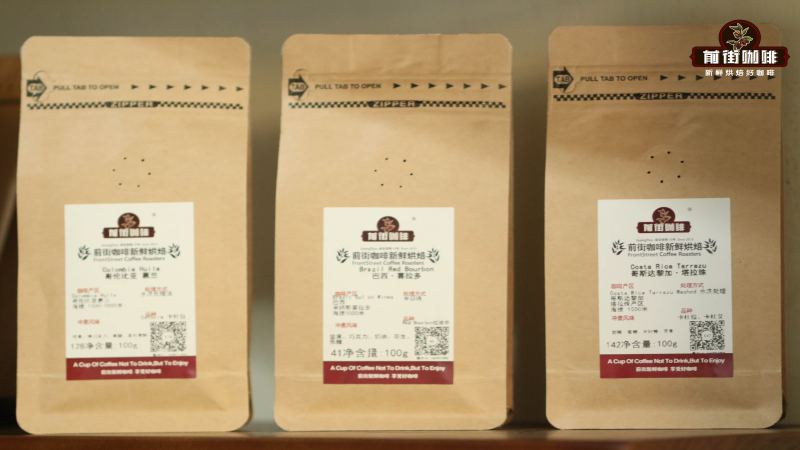
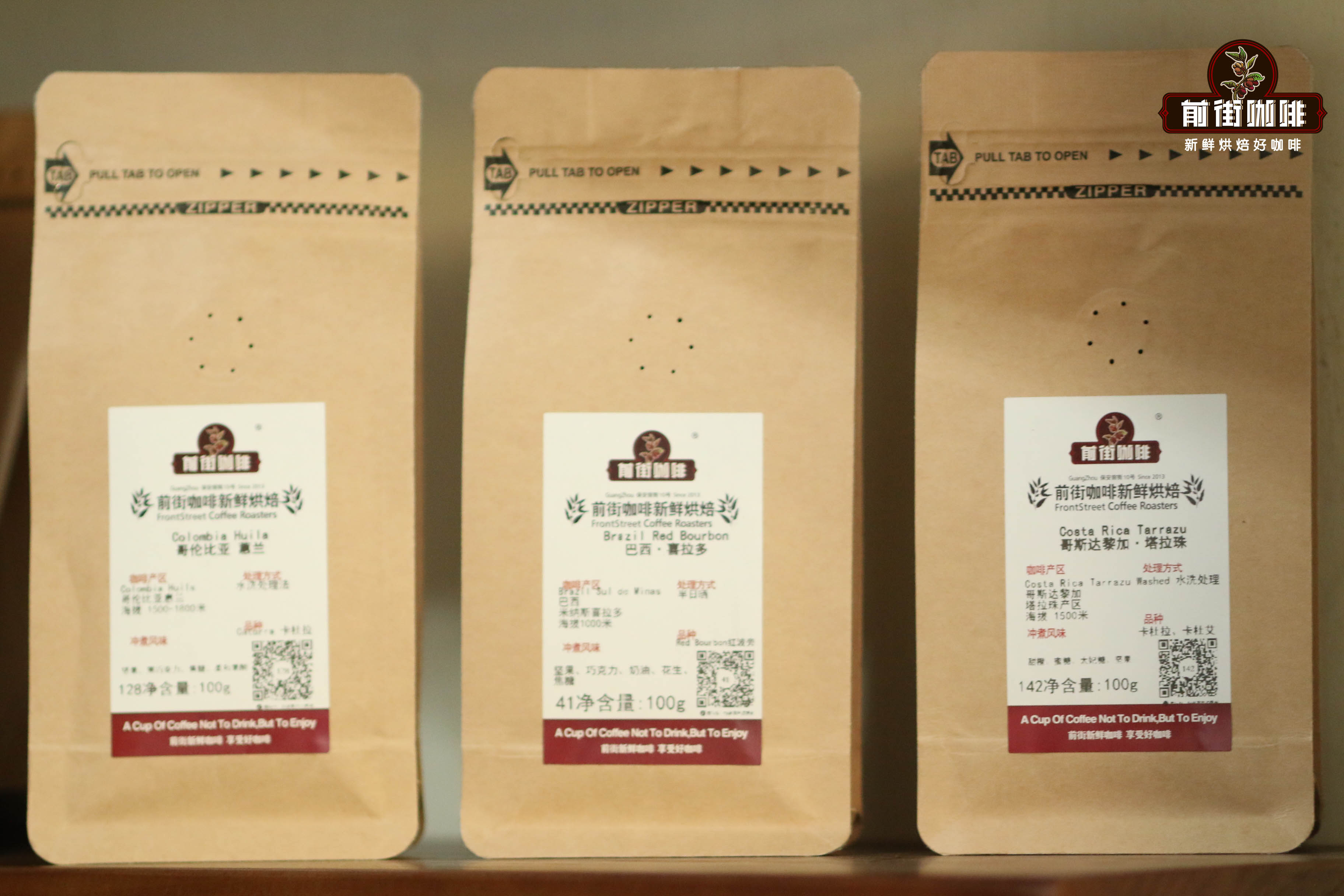
Among Brazil's many regions, Front Street selected the Cerrado region in Minas Gerais as the Brazilian coffee in its representative daily-drinker series. This Red Bourbon uses semi-washed processing. Washed processing requires large amounts of water and capital investment, while natural processing requires more labor, so the semi-washed method emerged. It removes the skin and pulp while retaining part of the mucilage for drying. The sugar components in the mucilage can better penetrate into the green beans, making Brazilian coffee sweeter, heavier, and smoother on the palate.
Front Street Brazil Cerrado Red Bourbon Coffee Beans
Region: Cerrado, Minas Gerais
Altitude: 1,000 meters
Variety: Red Bourbon
Processing method: Semi-washed
Front Street's Brazilian Red Bourbon offers obvious peanut, nut, and chocolate flavors on the palate, with a caramel-like finish and a silky mouthfeel. Of course, the specific experience still depends on trying it yourself. When roasting this bean, Front Street aims both to highlight the nutty flavor and retain good sweetness while also balancing body, so it uses a medium-dark roast. Front Street recommends brewing this bean with a water temperature of 88°C, a coarser grind size, and a dripper with a slower flow rate (such as the KONO dripper).
For more coffee bean information, please follow Coffee Workshop (WeChat public account: cafe_style)
For professional coffee knowledge exchange, please add WeChat ID: kaixinguoguo0925
The above content is compiled by CoffeeHunters, a coffee news website.


