







How to Drink Arabic Coffee from Six Producing Regions
For home pour-over, choose single-origin beans by the flavor you want, then brew with water just off the boil and a medium grind. Ethiopia Yirgacheffe brings lemon, citrus, white floral, and green tea notes; Colombia Huila leans to sweet chocolate; Brazil Cerrado offers nutty sweetness; Costa Rica Tarrazu, Yunnan small-batch, and Indonesia Mandheling cover the rest of the range.
Origin shapes the cup more than technique does, because poor beans cannot be rescued by brewing skill. Ethiopian Yirgacheffe grows near 2,000 meters, where wide day-to-night temperature swings slow the fruit and build aromatic compounds, and washed processing keeps the cup clean. Colombian farmers typically plant under shade trees such as banana, which supports the sweet, chocolate-forward profile of Huila coffee.
For friends who are just getting into pour-over coffee, choosing the right coffee beans is the key step that determines whether a cup of coffee tastes good. The quality of the coffee beans directly affects the final flavor performance—if the beans themselves aren't good enough, no brewing technique can save it. So for beginners making pour-over at home, which coffee beans from which producing regions should they start with? This article organizes the representative flavors of six classic producing regions across three major areas—Africa, the Americas, and Asia—and recommends corresponding Front Street Coffee daily beans, including Ethiopia Yirgacheffe, Colombia Huila, Brazil Cerrado, Costa Rica Tarrazu, Yunnan small-batch, and Indonesia Mandheling, to help everyone quickly find the one that suits their taste.
The quality of coffee beans is the primary factor determining whether a cup of coffee tastes good. If the beans chosen at the start aren't good enough, then the brewed coffee naturally won't taste good. Today we'll recommend several daily coffee beans suitable for home consumption for friends who are just starting out.
Pour-over usually uses single-origin coffee beans, but there are so many types of single-origin beans on the market—how can you quickly find the one that matches your taste? The most direct approach is to start with flavor and origin:
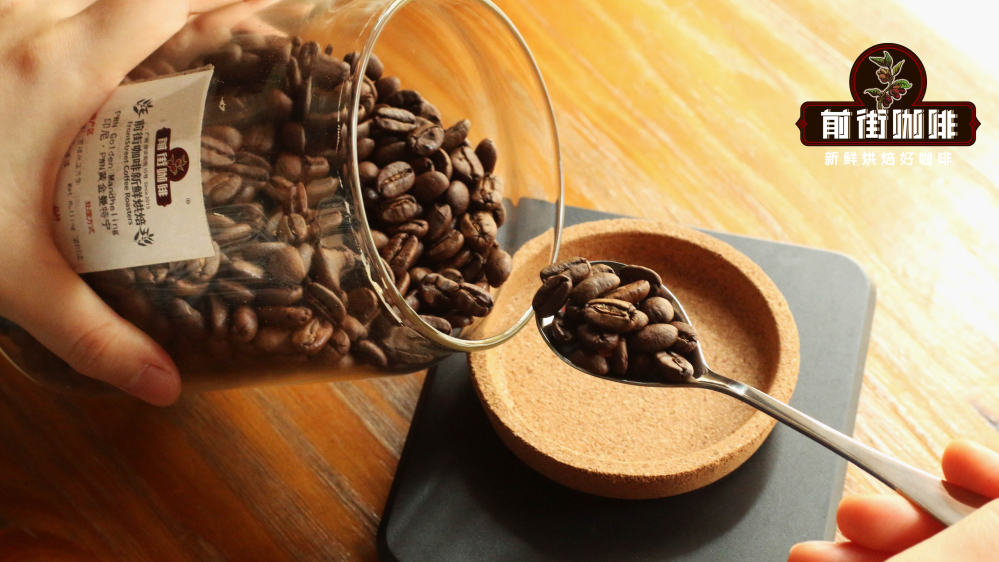
1. Africa — Ethiopia (bright fruity acidity) — Front Street Washed Yirgacheffe Coffee Beans
A growing environment at an altitude of nearly two thousand meters creates a significant temperature difference between day and night, causing coffee trees to grow slowly and the fruit to take longer to mature. During this process, more aromatic substances accumulate, so the harvest season often arrives relatively late. At the same time, continuous improvements in the washed processing method have greatly enhanced the quality of Front Street Yirgacheffe. With its clean and transparent lemon and citrus notes, it has secured an important place in specialty coffee. As a daily bean, Front Street Yirgacheffe presents elegant white floral, citrus, orange, and green tea-like flavors.
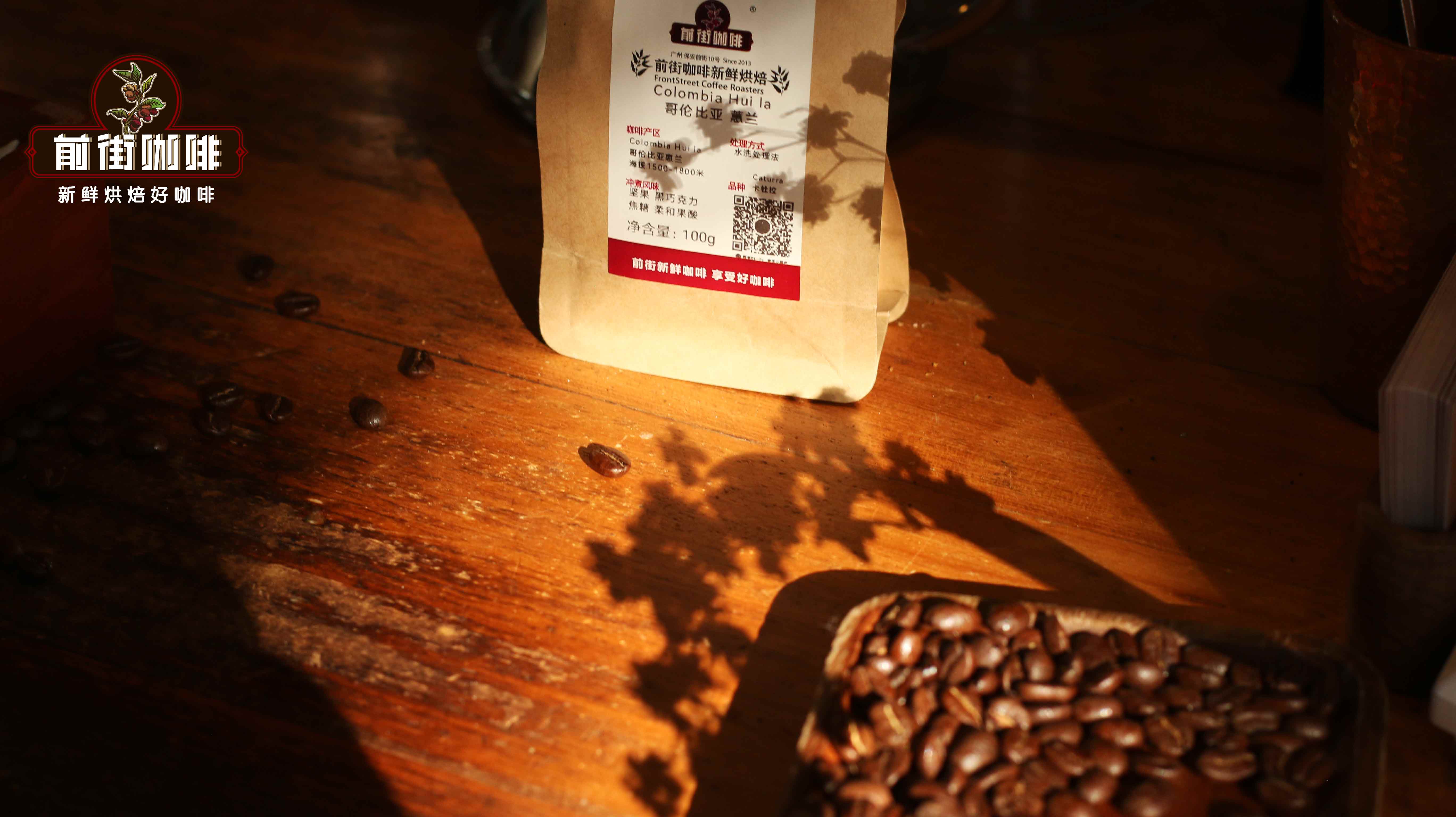
2. Americas — Colombia (sweet chocolate aroma) — Front Street Huila Coffee Beans
Colombian coffee farmers generally plant coffee trees beneath shade trees, which are mostly tall trees or banana trees. During the seedling stage, shade structures are built for the coffee trees to ensure the cool and humid conditions needed for growth. Inside the coffee grove, humidity is high and temperature differences are small, so the coffee beans mature slowly, which helps the accumulation of caffeine and aromatic substances, resulting in better coffee quality. The representative Front Street Colombian coffee comes from the well-known specialty region of Huila. Washed processed, its flavor profile shows dark chocolate, nuts, cream, and caramel, accompanied by soft fruity acidity.
3. Americas — Brazil (prominent nutty notes) — Front Street Cerrado Coffee Beans
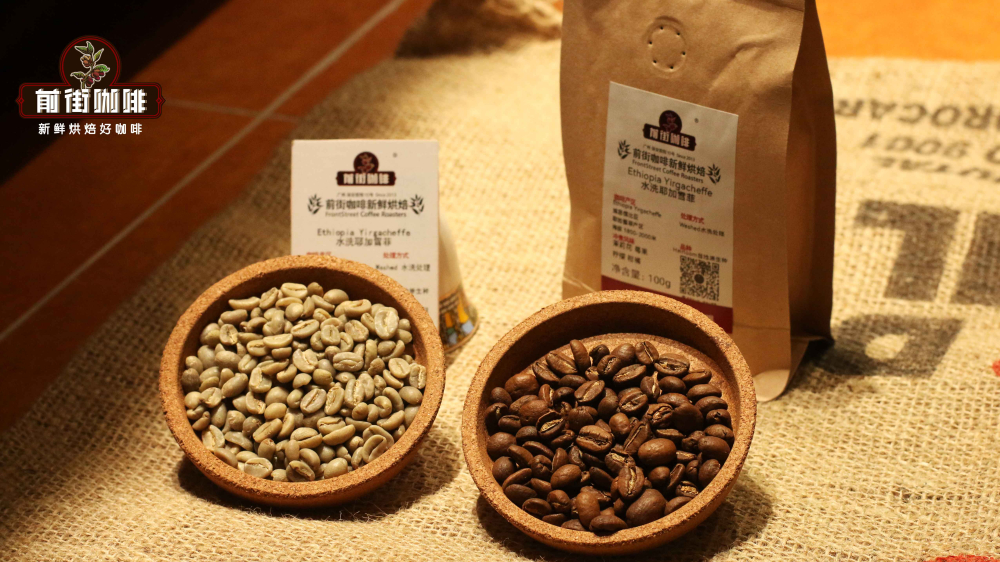
Brazil makes full use of its tropical geographical advantages to vigorously develop the coffee industry. Its production, export volume, and per capita consumption have long ranked first in the world, earning it the title of "Coffee Kingdom." Front Street Brazilian coffee beans are known for being plump and having a mild aroma. Their mouthfeel is balanced and smooth in every aspect, making them a typical representative of neutral coffee. They can be enjoyed as single-origin beans extracted by pour-over or other methods, and can also be blended with other coffee beans to make espresso. As a representative of Brazilian coffee, Front Street Cerrado has an entry of roasted peanut, nut, chocolate, and caramel flavors.
4. Americas — Costa Rica (prominent sweetness) — Front Street Tarrazu Coffee Beans
Tarrazu is one of the most important and highest-quality specialty regions in Costa Rica. In addition to micro-lots, Tarrazu also produces large quantities of exceptionally high-quality macro-lots. Tarrazu is located in Costa Rica's scenic Central Valley, and no pesticides or artificial fertilizers are used during cultivation. These conditions together make the region a truly ideal growing location for Arabica varieties. The Front Street selected Costa Rican coffee is produced precisely in Tarrazu, using a relatively traditional washed process. After brewing, it reveals flavors of sweet orange, nuts, citrus, and berries.
5. Asia — China (balanced mouthfeel) — Front Street Yunnan Small-Batch Coffee Beans
Yunnan has a long rainy season and variable climate. Most local coffee beans are processed using the washed method, though there are also sun-dried batches. To better present the flavor characteristics of Yunnan small-batch beans, Front Street selected washed batches and processed them with a medium roast, giving Front Street Yunnan small-batch beans a balanced profile with nut, brown sugar, and chocolate flavors on the palate.
6. Asia — Indonesia (strong full body) — Front Street Mandheling Coffee Beans
Indonesia's weather is humid and hot, and locals face many difficulties when processing green coffee beans, such as beans easily becoming moldy and unstable sunlight conditions. To compress processing time and reduce labor costs, locals gradually developed a unique processing method—wet hulling. Because fermentation and drying time are shortened, and the entire process takes place in a high-temperature, high-humidity environment, the resulting Mandheling coffee carries low-toned herbal notes as well as pine wood and other flavors. The birth of wet hulling was originally meant to adapt to local conditions, but it also happened to give Front Street Mandheling coffee a flavor profile different from other dark-roasted coffees, making it one of the classic representatives among many coffees with its unique herbal, spice, and woody notes.
The above content is compiled by CoffeeHunters, a coffee news website.


