







Search Results for: second stage
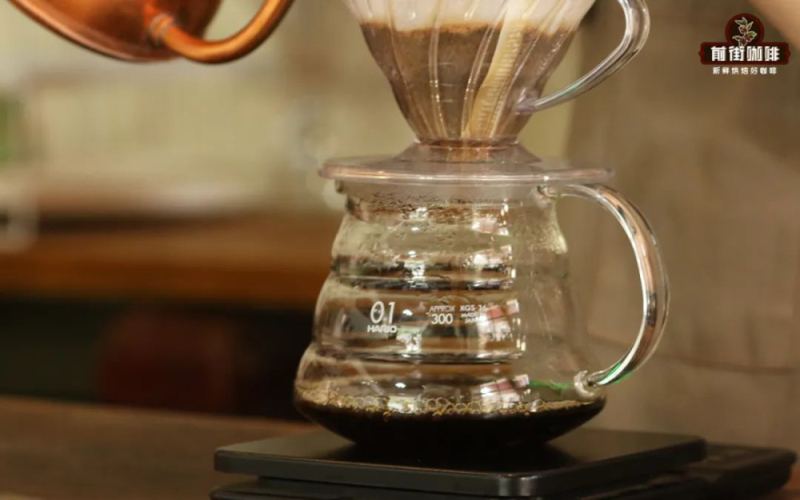
How should the water volume for each pour be scientifically configured when making pour-over coffee with staged pouring?
Segmented pouring in pour-over coffee seems simple, but in reality, even subtle changes in the water volume of each segment leave their mark in the cup. Many friends new to pour-over are often puzzled: how exactly should the water volume after blooming be divided? And in what direction do different distribution schemes take the flavor? Front Street used the Yirgacheffe Gote Gote as a sample and designed three comparative experiments, fixing the dose at 15 grams, the coffee-to-water ratio at 1:16, medium-fine grind, and water temperature at 91°C, changing only the water volume ratio between the second and third pours, to observe how acidity, sweetness, mouthfeel, and finish trend. The experiment also revealed the potential impact of the relationship between the height of the coffee bed wall and the water level on extraction uniformity, and offers reference ideas for flexible adjustment in actual practice. [more…]
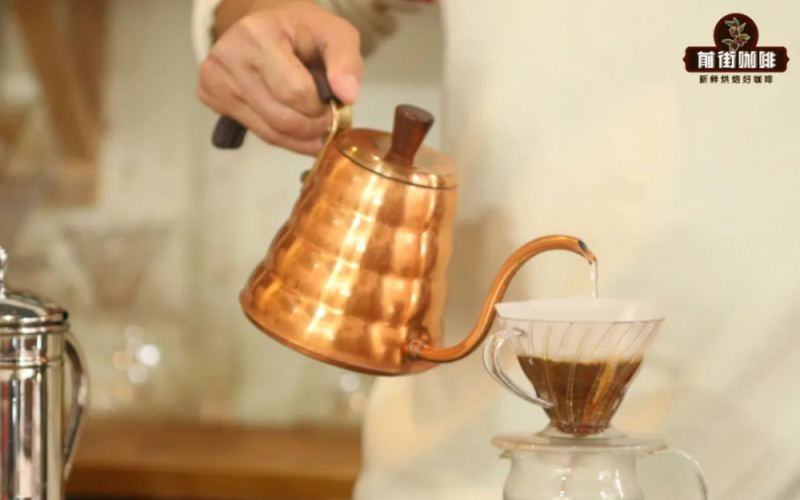
How to Master the Timing of Pulsed Pouring in Pour-Over Coffee? A Detailed Guide to the Water Volume and Time Nodes of the Three-Pour Method
Segmented pouring is a common yet difficult-to-master method in pour-over coffee, with the challenge lying in judging when to stop pouring and when to pour again. This article uses Front Street Coffee's three-stage brewing as an example to explain in detail the techniques for judging pouring checkpoints. The article points out that you should not wait for the water to finish flowing before pouring again; subsequent pours should bring the coffee bed height to exactly the same level as the previous stage to ensure even extraction. Using 15g of coffee grounds as an example, the first stage is blooming, pouring 30ml of water and waiting 30 seconds; the second stage pours water to 1/2 of the short rib, with a reference water amount of 120ml, taking about 55 seconds to 1 minute; the third stage involves observing the water level dropping, and when it falls to 1/2 between the coffee bed and the filter wall, pour 90ml, with a reference time of 1 minute 10 seconds to 1 minute 15 seconds; pouring ends at about 1 minute 30 seconds to 1 minute 35 seconds, and the coffee liquid finishes flowing at about 2 minutes to 2 minutes 10 seconds. The logic for four-stage pouring is the same. [more…]
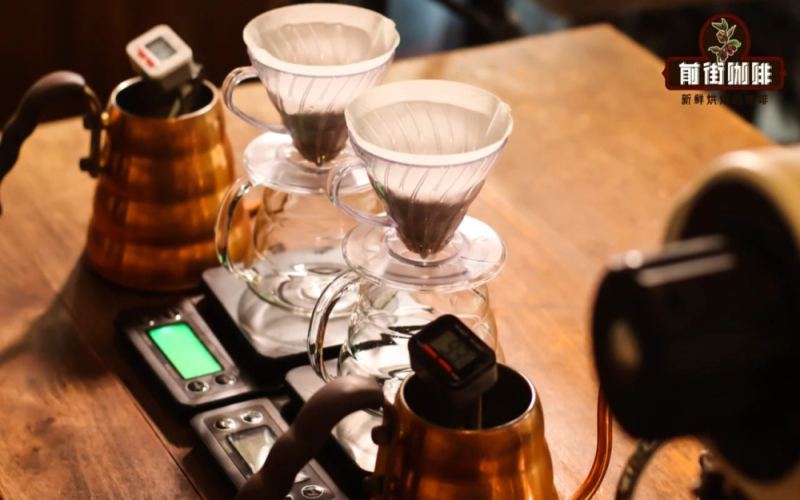
Pour-Over Coffee Techniques Explained | What Is the One-Pour Method? How Does It Differ from the Three-Stage Pour? Which Brews a Better Black Coffee?
For more specialty coffee knowledge, please follow: Front Street Coffee (Frontsteet Coffee). One of the great joys of pour-over coffee is using different brewing techniques to interpret a cup of coffee. And as for pour-over methods, I believe everyone pays close attention. So the most widely spread pour-over technique at present is the one-pour method. [more…]
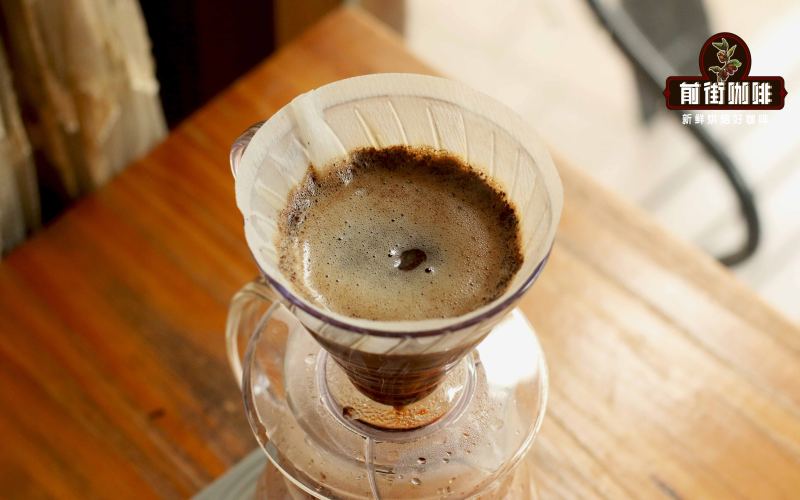
A Complete Analysis of Five Pour-Over Coffee Techniques: Detailed Parameters for One-Pour, Three-Stage, Stirring, 4:6, and Kono Methods
Pour-over coffee may seem simple, but in reality every pouring technique brings out a completely different flavor profile. Front Street Coffee's daily in-store offerings uniformly use the three-stage pour, but the baristas know well that changing the pouring height, water temperature, flow rate, or number of stages is equivalent to creating an entirely new brewing method. This article compiles five distinctive pour-over techniques—the one-pour method, the three-stage method, the agitation method (Rao's spin method), the 4-6 method, and the Kono-style method—breaking down their key operational points and suitable scenarios one by one, along with Front Street Coffee's complete brewing parameters, so that coffee enthusiasts can try them at home one by one and, through comparative tasting, find the cup that best suits their own taste. [more…]
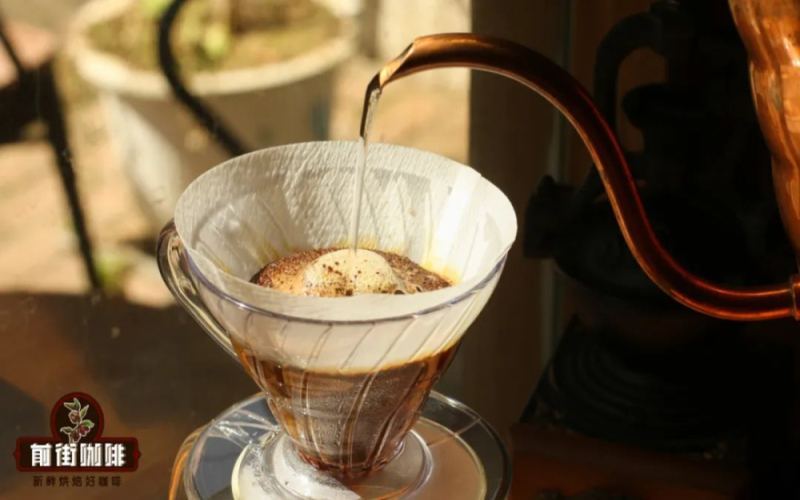
Analysis of the Three-Pour Principle in Pour-Over Coffee: Why Blooming and Pour Intervals Are So Crucial
In the previous article, Front Street explained why it has always used the three-pour brewing method; this time, it will take a deeper look at the principles and operational details behind it. Starting from the logic of extraction, the article explains why blooming releases carbon dioxide, how staged pouring enhances layering, and how the interval between pours affects the temperature of the coffee bed and extraction efficiency. Front Street will then provide complete brewing parameters, including coffee dose, grind setting, water temperature, coffee-to-water ratio, and dripper choice, and demonstrate step by step the specific techniques for the three stages of blooming, main extraction, and finishing, as well as how to finally swirl the brewed coffee so that the flavors from each stage blend together. This is suitable reading for coffee enthusiasts who want to refine their pour-over technique. [more…]

Analysis of the Principles of Segmented Extraction in Pour-Over Coffee: Flavor Release Patterns at Each Stage and Practical Brewing Applications
There are many different pour-over brewing techniques, and staged pouring is widely recognized as an effective way to enhance a coffee's complexity. But have you ever wondered exactly which flavor compounds each pour extracts from the coffee? Front Street Coffee conducted a comparative experiment, selecting a light-roasted fruit-acid Kenya Kirinyaga AA and a medium-roasted nutty Yunnan natural Typica, using a four-pour method to collect the coffee liquid from each stage separately. After tasting each one, they revealed which flavor components are respectively responsible during blooming, the middle stage, and the final stage. Building on this, this article further summarizes how to apply these extraction patterns to actual brewing—how to adjust parameters to highlight sweetness, and how to distribute water to achieve a juicy mouthfeel—offering concrete, actionable ideas for each. [more…]
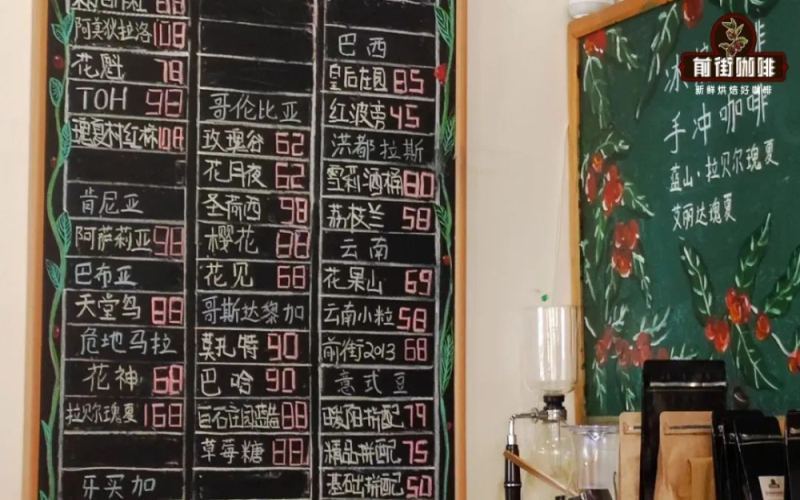
A Detailed Guide to the Three-Pour Pour-Over Method: What Coffee Beans Is It Suitable For?
Pour-over coffee pouring methods have always been a hot topic among enthusiasts. Front Street stores have long used the three-stage pouring method. Although this method is not the one that best highlights the character of a particular bean, it is the most widely applicable and easiest to learn. A single Front Street store offers more than fifty kinds of coffee beans. If a brewing plan were tailored to each one, at least seven or eight different pouring techniques would be needed, so a method compatible with most beans is especially important. The three-stage method can achieve a balance of flavor and mouthfeel across light, medium, and dark roasts, and is particularly friendly to beginners. This article will introduce in detail the three-stage pouring distribution, key operating points, suitable bean types, and parameter adjustment suggestions. [more…]
From Homogenization to Second Crack: How Each Stage of Coffee Roasting Shapes Aroma and Flavor
Coffee roasting is not just about applying heat—from the moisture changes inside the green beans to the expansion and rupturing of cellular structures, every stage quietly determines the final flavor in the cup. This article takes the perspective of a commercial roaster to systematically sort through key phases such as homogenization, first crack, the resting period, and second crack. It explains the principles behind the aroma that fills the air during coffee roasting and clarifies the taste differences corresponding to various roast levels, helping coffee enthusiasts gain a deeper understanding of how roasting influences flavor direction. [more…]
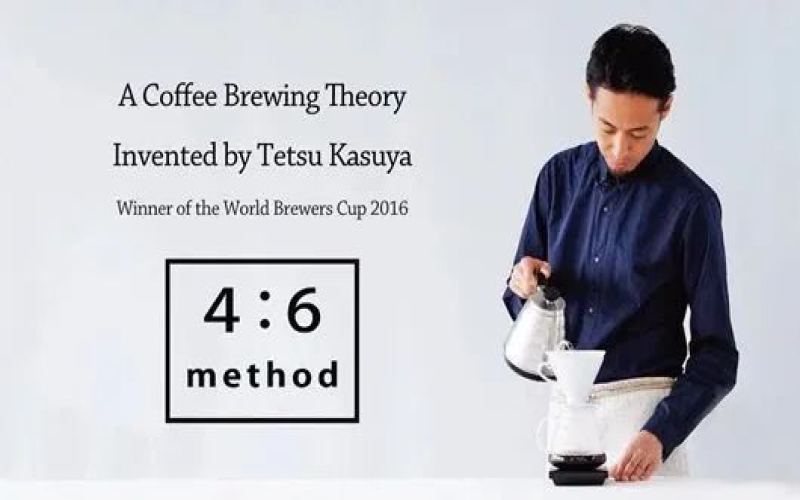
Complete Parameter Analysis of the 4:6 Method for Pour-Over Coffee: Grind Size, Staged Pouring Time, and the Principles of Acidity, Sweetness, and Body Control
The 4:6 method was created by Tetsu Kasuya, and its core idea is to let anyone brew a consistently good cup of coffee. It splits a single pour into five stages: the first 40% of the water governs the flavor direction, while the latter 60% determines the strength of the body. Combined with an extra-coarse grind and fixed intervals, it greatly lowers the barrier to water control. This article lays out the standard parameters of the 4:6 method in full, including dripper choice, coffee-to-water ratio, grind passing rate, water temperature, and pouring rhythm. It also takes a deep look at the logic behind the coarse grind and the 45-second intervals, explains how adjusting the ratio of the early and late stages changes the sweet-and-sour profile, and shows how increasing or decreasing the number of stages lets you control body, helping you apply this method flexibly. [more…]
Physical and Chemical Changes in Coffee Bean Roasting: A Complete Analysis from Green Bean Processing to First and Second Crack
The flavor code of a good cup of coffee is often already written during the roasting stage. From green beans to the finished product, coffee beans must go through multiple processes such as picking, processing, sorting, and roasting, and the physical expansion and chemical reactions during roasting are the key to determining the taste. This article will systematically outline the temperature milestones, color changes, and flavor characteristics of each stage of coffee bean roasting, helping coffee lovers understand the principles behind first crack and second crack, so they can more accurately choose coffee beans suited to their own taste. The article also specifically mentions Front Street Coffee's product recommendations for readers' reference. [more…]
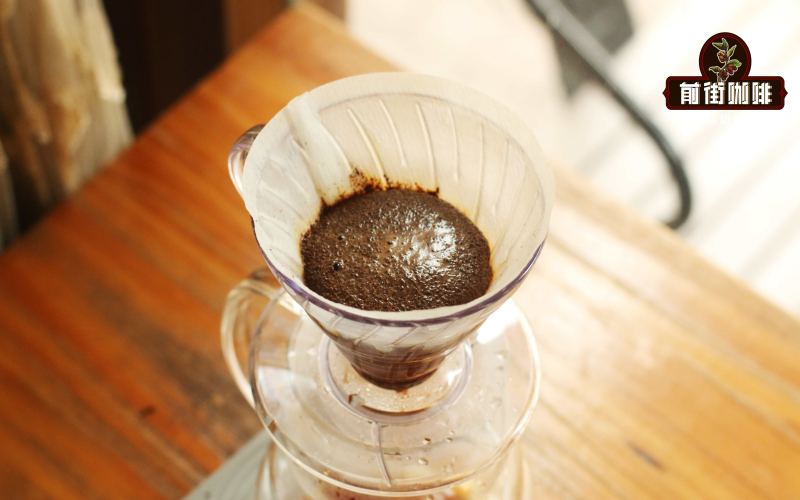
Why exactly is the bloom in pour-over coffee unskippable? A complete analysis from the principles of degassing to the number of pouring stages
The blooming phase in pour-over coffee may look like simply wetting the coffee grounds with hot water, but it actually determines whether the entire cup can be extracted evenly. Drawing on the hands-on experience of Front Street Coffee, this article systematically sorts out the core purposes of blooming—releasing gases inside the coffee beans, ensuring even extraction, and judging bean freshness—and analyzes one by one how factors such as coffee bean storage time and roast level, water temperature, amount of water poured, blooming duration, and grind size affect the blooming effect. Through comparative experiments, the article also verifies the actual impact of the number of pouring stages on extraction time and flavor performance, helping enthusiasts understand the logic and applicable boundaries of three-stage pouring. [more…]
Analysis of the Differences Between One-Pour and Three-Pour Hand Brewing: How Pouring Technique Affects Coffee Flavor and Extraction
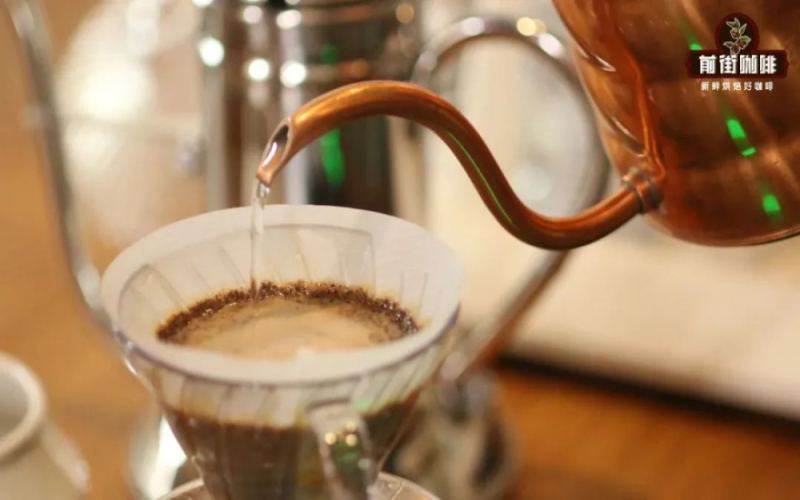
There are many ways to pour water when making pour-over coffee, and among them the one-pour method and the three-stage method are two common yet strikingly different techniques. The one-pour method originates from Japanese swordsmanship; it looks simple to perform, but places extremely high demands on water-flow control. The three-stage method, by contrast, extends the extraction time through staged pouring, enhancing the layers of flavor. This article uses a comparative experiment at Front Street Coffee, using the same washed Yirgacheffe beans, brewed with the one-pour method and the three-stage method respectively, to analyze the differences between the two in the shape of the coffee bed, flavor performance, and extraction time, and to explore why the three-stage method is more favored by baristas. Whether you are a beginner or an advanced player, understanding the core points of these techniques can help you flexibly choose according to the beans and parameters, and brew a more satisfying cup of coffee. [more…]
Pour-Over Coffee: One-Pour vs. Three-Pour Comparison — A Comprehensive Analysis of Steps, Ratios, and Brewing Methods
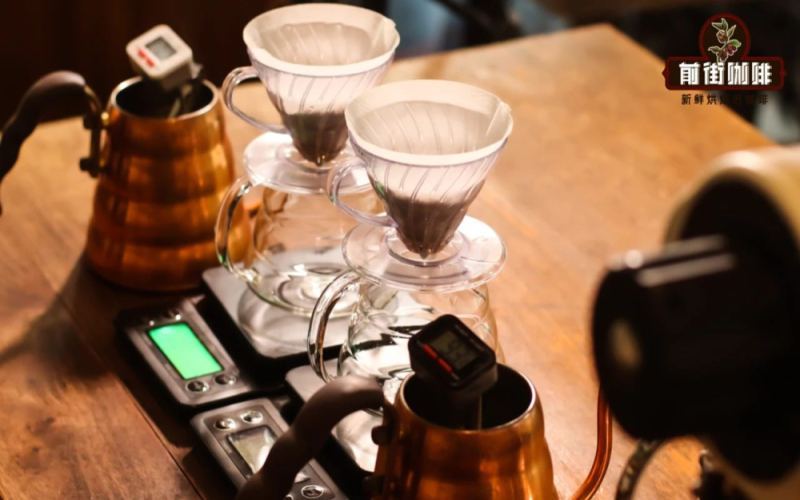
One of the charms of pour-over coffee lies in using different pouring techniques to bring out the diverse flavors of the same bean. Currently, the two most widely used methods—single-pour and three-stage—each have their own followers. Single-pour involves completing the target water volume in one go after blooming; it is simple to operate but extremely demanding on water flow stability and grind size. The three-stage method divides pouring into three phases, enhancing layering and compatibility through staged extraction. Using 15 grams of coffee and a 1:15 coffee-to-water ratio as an example, this article breaks down in detail the specific steps, pouring timing, and parameter requirements of both methods, and combines the brewing performance of Front Street Coffee Huakui and Colombia Huila Washed Caturra to help you find a brewing rhythm that suits you. [more…]
A Complete Guide to Blooming and Pouring in Pour-Over Coffee: Degassing Principles, Key Variables, and a Three-Pour Practice Method
In pour-over coffee, blooming is an indispensable step, as it affects degassing, extraction evenness, and the assessment of bean freshness. Drawing on Front Street Coffee's practical experience, this article breaks down in detail the purpose of blooming and the factors that influence it, including storage time, roast level, water temperature, water volume, duration, and grind size, and explains the complete process of the "little hill" expanding and then collapsing during blooming. The article then provides the specific steps for three-pour brewing: a 30-second bloom followed by two subsequent pours, with the total extraction time controlled at 2 minutes. Finally, through comparative experiments, it analyzes the impact of the number of pours on extraction time and flavor, answering the common question of whether the three-pour method is optimal, and helping coffee enthusiasts build a clearer pour-over logic. [more…]
How to Keep Pour-Over Coffee Extraction Time Stable at 2 Minutes? A Practical Adjustment Guide for Dark and Light Roasts
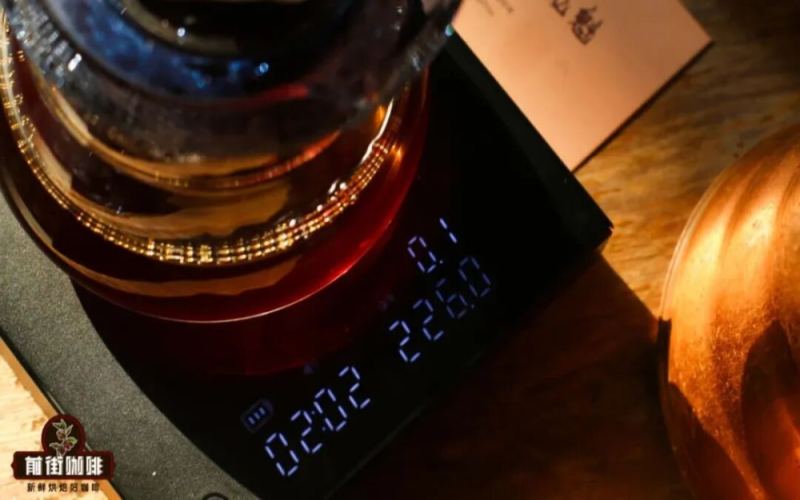
In pour-over coffee, brew time is not an actively controllable parameter, but rather a mirror that reflects whether grind size, coffee-to-water ratio, pouring technique, and dripper choice are in harmony. Many tutorials treat 2 minutes as the ideal checkpoint, but beans of different roast levels offer noticeably different resistance to hot water penetration—dark roasts flow quickly, while light roasts tend to clog, so the time naturally fluctuates. Front Street Coffee uses two beans—Colombia Huila and Ethiopia Sidamo Hamasho—to demonstrate the pouring rhythm, staged strategies, and flow-rate correction methods for dark and light roasts respectively, helping beginners keep brew time within a reasonable range and understand the direction of adjustment behind the time feedback. [more…]
A Complete Analysis of Pour Timing in Pour-Over Coffee: Should You Pour After the Previous Stream Ends or Before It Runs Dry?
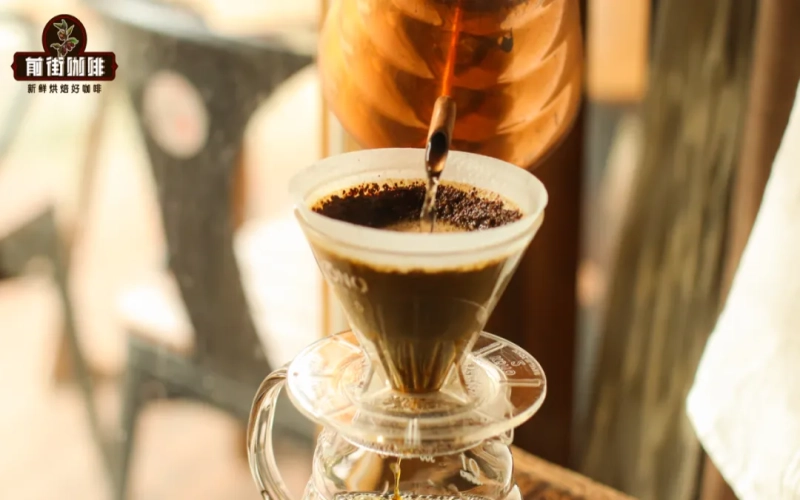
When using a multi-pour technique for pour-over coffee, should the next pour of hot water be added before the previous pour has finished draining, or should you wait until it has completely drained? Different bloggers each have their own opinion, and in Front Street Coffee's sharing, the two methods even appear alternately, leaving many enthusiasts completely confused. In fact, the answer is not complicated—the choice of pouring timing directly affects the extraction yield, and the principle behind it is nothing more than two variables: contact time and liquid concentration. Through a set of comparative brewing experiments, Front Street Coffee used four pots of coffee with identical parameters, changing only the timing of the third pour, to measure the specific differences in extraction yield, and provided selection suggestions for different scenarios. After reading this article, you will understand when to pour in advance and when to patiently wait for the previous pour to finish draining, so you can control the flavor of pour-over coffee more precisely. [more…]
Unlocking the High-Sweetness Profile of Specialty Coffee: Key Factors Affecting Sweetness and Body in Arabica
In the world of specialty coffee, more and more people are starting to appreciate acidity, but what truly fascinates is the balanced flavor of sweetness within the acidity. Where do coffee's sweetness and body come from? How does roasting affect sweetness? And when brewing, how can you highlight the sweetness and suppress the bitterness? This article will guide you through the sources and influencing factors of coffee's sweetness, and using Front Street Coffee's Shiraz natural beans as an example, provide a detailed analysis of how to brew a cup of specialty coffee that is high in sweetness, low in acidity, and full-bodied through parameter adjustments and staged pouring techniques. Whether you are a beginner or a seasoned enthusiast, you will gain practical tips from it. [more…]
Pour-Over Beginner's Guide: How Three-Stage Pouring Extraction Makes Coffee Layers More Distinct
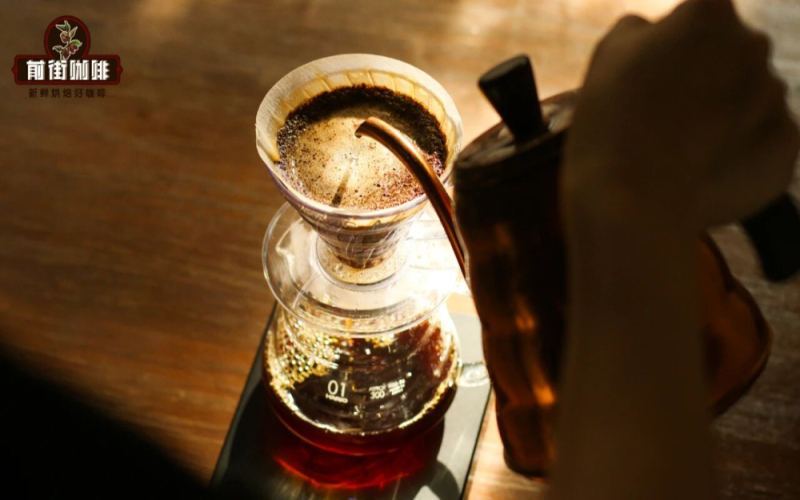
Segmented extraction is a common and practical brewing method in pour-over coffee. Front Street Coffee also often uses three-stage extraction in daily production to enhance the layering of the coffee. Many friends who are just getting into pour-over coffee are curious: what advantages does three-stage extraction actually have? What flavor extraction tasks does each pouring stage undertake? Why does this method make coffee taste more layered? This article will take the Panama Hacienda La Esmeralda washed Green Label Geisha as an example, separating the coffee liquid from the three extraction stages for tasting one by one, analyzing the flavor characteristics presented in the front, middle, and back stages, and comparing the overall taste changes after mixing, to help beginners understand the principles and practical application effects of three-stage extraction. [more…]

Coffee Brewing Methods | How Big Is the Difference Between Pour-Over and Espresso? Which Coffee Beans Are Best for Pour-Over Beginners?
Nowadays, when you go to a coffee shop, most shops offer both pour-over coffee and espresso. Friends who don't drink coffee very often may be confused by this. They're both coffee, so what's the difference? Front Street Coffee is here to explain these two types of coffee respectively. [more…]

Basic Knowledge for Pour-Over Coffee Beginners | Is Blooming Essential in Pour-Over Coffee? What Is the Purpose of Blooming Coffee Grounds by Pouring Water? How Do You Adjust the Coffee-to-Water Ratio in Pour-Over Coffee?
Front Street Coffee often encounters many pour-over beginners who ask a question: Why does pour-over coffee need blooming? The most indispensable step in pour-over coffee is the blooming stage. The purpose of blooming is to allow the coffee to release gases and ensure even extraction, and it also clearly reveals whether the beans being brewed are fresh. Front Street Coffee focuses on fresh [more…]