







Which coffee beans work with the three-pour pour-over method?
The three-pour method suits light, medium, and dark roasts, which is why a single store carrying more than fifty kinds of beans can use one routine instead of dozens. It does not push a bean to its flavor ceiling, but it reliably brings out the cup the bean is meant to show, and beginners can learn it quickly.
Building a separate pouring plan for every bean would require at least seven or eight techniques. The three-stage method spreads the water across set intervals to balance flavor and mouthfeel. Once the basics are steady, grind size, water temperature, and pour timing can be adjusted for individual lots.
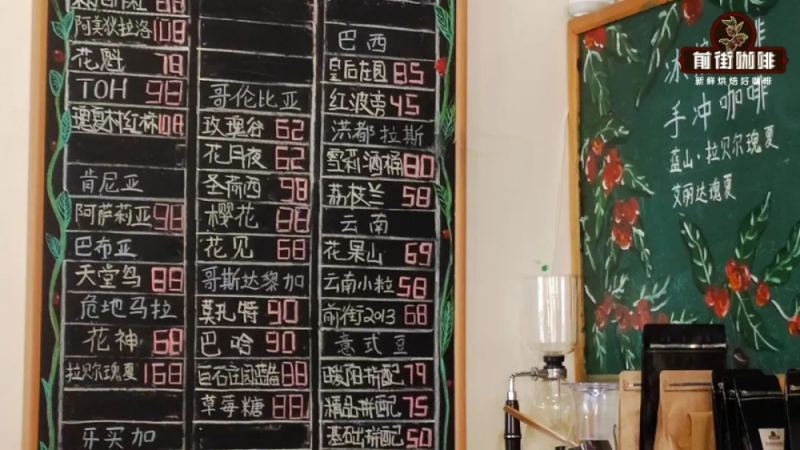
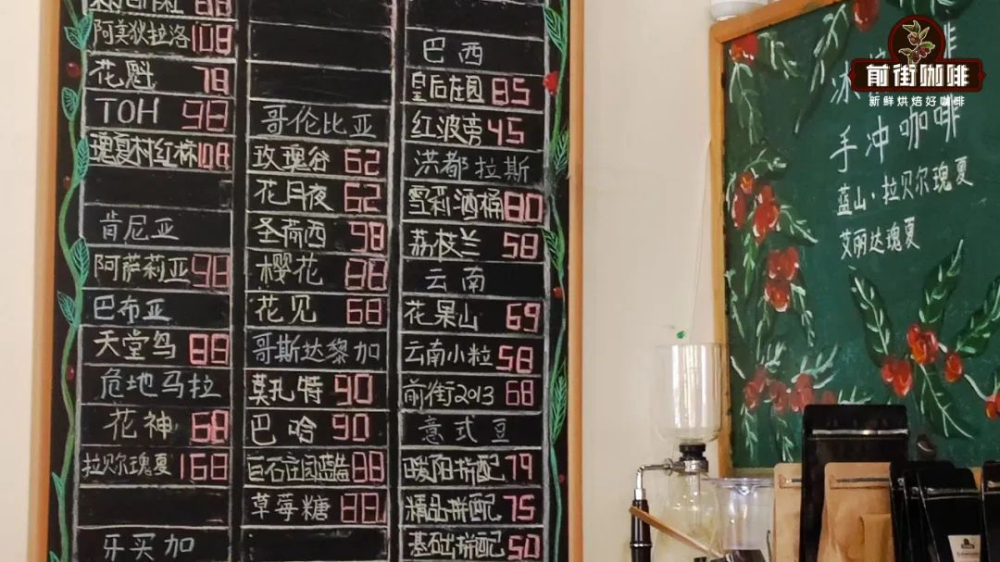
The pouring method for pour-over coffee has always been a hot topic among enthusiasts. Front Street stores have long used the three-stage pouring method. Although this method is not the one that best highlights the personality of a particular bean, it is the most widely applicable and easiest to learn. A single Front Street store offers more than fifty kinds of coffee beans. If a customized brewing plan were designed for each one, at least seven or eight different pouring techniques would be needed. Therefore, a method that can accommodate most beans is especially important. The three-stage method can achieve a balance between flavor and mouthfeel for light, medium, and dark roasts, and is especially friendly to beginners. This article will introduce in detail the three-stage pouring distribution, key operating points, suitable bean types, and parameter adjustment suggestions.
The pouring method has always been a focus of heated discussion among pour-over coffee enthusiasts. Friends who know Front Street are well aware that Front Street stores have always used the three-stage pouring method. Some may ask, if a certain bean performs better with another brewing method, why don't you make targeted optimizations...
Different pouring techniques do indeed bring differences in flavor, and some brewing methods also perform extremely well with specific coffee beans. The three-stage pouring method may not be the method that shows the upper limit of coffee flavor, but it is certainly a highly versatile and easiest way to brew the flavor that the coffee beans should present.
Friends who have visited Front Street stores will probably be surprised by Front Street's dazzling bean list. A single Front Street store offers more than fifty kinds of coffee beans. If each one required a dedicated pouring plan, at least seven or eight different pouring techniques would have to be prepared. Therefore, a pouring method that can cover most coffee beans is particularly crucial. The three-stage method is compatible with light-roasted, medium-roasted, and dark-roasted coffee beans, and finds a balance between flavor and mouthfeel. Its core advantages are that it is beginner-friendly, easy to master, and suitable for the vast majority of coffee beans. Front Street will first briefly explain how the three-stage method is performed. As the name suggests, the three-stage method divides the total pouring amount into three stages, including the first stage of blooming pour and the following two stages of extraction pours.
The main factor determining the pouring distribution is the coffee-to-water ratio. Taking 15 grams of coffee as an example, when using a 1:15 ratio, Front Street's distribution is 30 ml for the first stage (blooming), 100 ml for the second stage, and 95 ml for the third stage. If using a 1:16 ratio, Front Street uses a water distribution of 30 ml for the first stage (blooming), 120 ml for the second stage, and 90 ml for the third stage. Advantages of the three-stage method Why is the three-stage method said to be especially friendly to beginners? The reason is that controlling the flow rate is often difficult for beginners to grasp. If a one-pour method is used, after blooming, all the remaining water is poured into the dripper at once. Then if the pour is too fast and the extraction time is too short, or if the pour is too slow and the extraction time is too long, one can only watch helplessly with no room for remedy.
The significance of the three-stage method is that it provides one more opportunity to observe and adjust. When the second-stage pour is completed, one can observe the speed at which the water level drops and, together with the corresponding time, judge whether the total extraction time is reasonable. If it is found that the earlier-stage flow was too strong and the coffee bed was lifted too high, then in the third stage switch to a slow pour with a small stream to ensure the extraction time meets the target. If it is found that the second-stage pour takes too long, then the third stage needs a stronger stream to avoid prolonging the overall extraction time.
Then why not divide it into more stages? Wouldn't that provide more opportunities for judgment? This involves the issue of pouring timing. The more stages there are, the more timing points need to be judged, and the instability of brewing rises greatly. So, in pursuit of stability, ease of learning, and high versatility, dividing it into three stages is a relatively ideal solution. In the three-stage method, only the third stage requires judging the pouring time point, because the second stage begins pouring 30 seconds after blooming, meaning the second stage is basically fixed at the 30th second (it may vary depending on the blooming duration). The third stage, however, must be judged according to the actual situation. If you want to learn about the timing of the third-stage pour, you can click this link "Judging the Timing of Staged Pouring"!
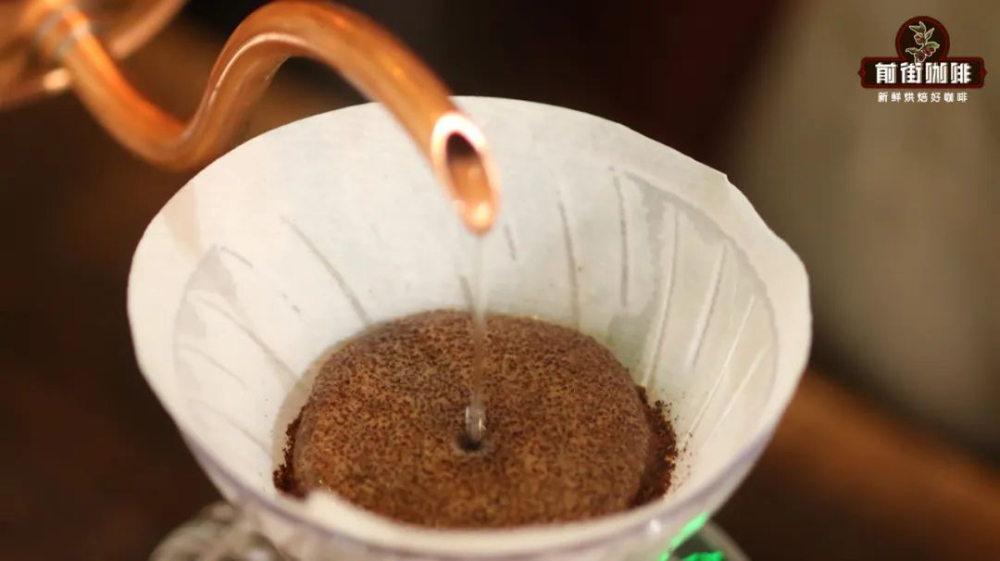
The three-stage pouring method can present the flavor, layered complexity, and mouthfeel of most coffee beans. For coffee beans with different roast levels, only two parameters need to be adjusted: water temperature and grind size. For medium-light roasted coffee beans, it is recommended to use a water temperature of 90-93°C and a fine pour-over grind (75-80% passing through a No. 20 sieve); for medium-dark roasted coffee beans, it is recommended to use a water temperature of 86-89°C and a medium pour-over grind (70-75% passing through a No. 20 sieve).
The above content is compiled by CoffeeHunters, a coffee news website.


