







Search Results for: seasoning a new moka pot
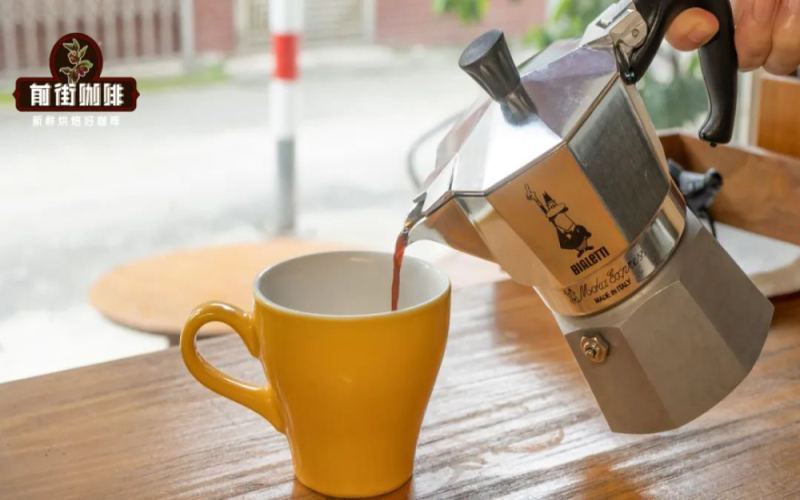
Why Should a New Moka Pot Be Boiled Empty Three Times Before First Use? A Full Explanation of the Seasoning Principle and Usage Details
Friends who have just gotten their hands on a moka pot often see a tip in tutorials: before officially using a new pot, you need to do a trial brew two or three times, and the brewed coffee liquid should be discarded directly. What is the reasoning behind this practice? In fact, for the seasoning process of a new moka pot, it is not recommended to use only clean water for the trial brew, because without the resistance of coffee grounds, hot water can easily splash under pressure, posing a scalding hazard. The main purpose of the first few trial brews is to clean the internal gaps of the pot and any impurities that may remain, so Front Street recommends discarding the liquid from the first three brews rather than drinking it. If you want to reduce waste, you can also use old dark-roast stale beans to season the pot, and once the cleaning effect is achieved, switch to fresh beans for official extraction. In addition, there are many details worth paying attention to when using a moka pot, such as water volume control, grind size selection, filling the filter basket, and daily cleaning and maintenance, all of which directly affect the extraction results and safety of use. [more…]
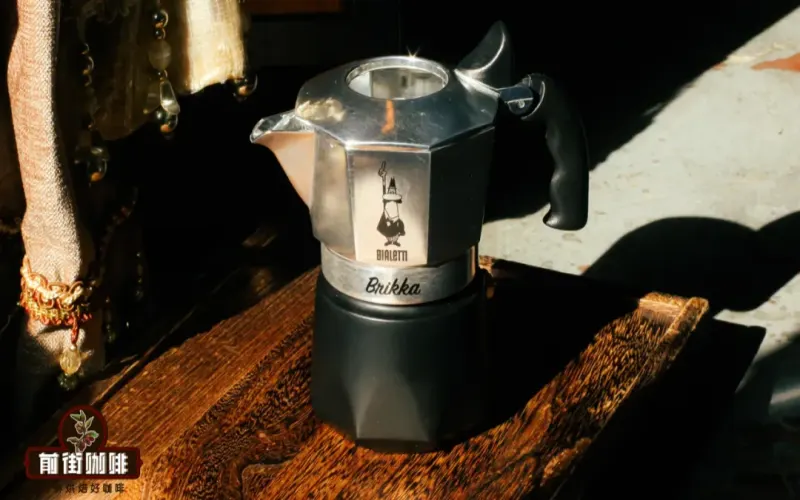
Why Should You Discard the First Three Cups from a New Moka Pot? Correct Procedures and Key Details for Seasoning and Cleaning
The moka pot, with its affordable price, simple operation, and ability to brew strong coffee close to espresso, has become the top choice for many coffee enthusiasts just starting out. After getting a new pot, the manual and customer service usually remind you: the first three cups of coffee cannot be drunk and need to be poured out. The reason behind this is that a new pot needs a deep cleaning, which is what's called "seasoning the pot." This article covers why you need to season the pot, whether water alone is enough, which coffee beans are recommended, the specific steps to follow, and easily overlooked details like cleaning the gasket and filter, to help you properly complete the preparation for using your moka pot for the first time. [more…]
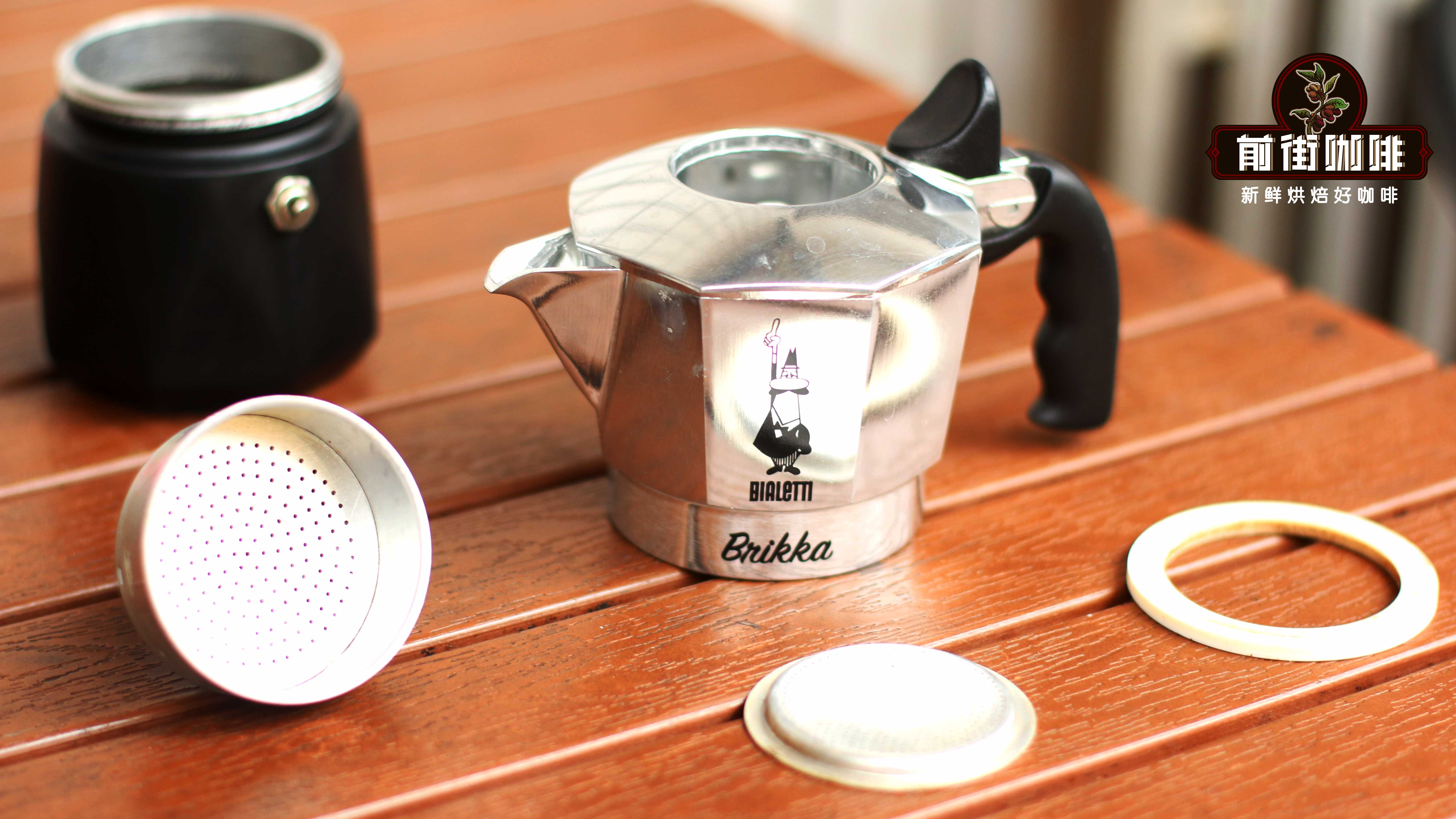
Detailed Guide to Moka Pot Seasoning Steps: Cleaning Methods, Burn Prevention Tips, and Explosion Risk Avoidance
A newly purchased moka pot also needs to undergo a "seasoning" process like an iron wok, in order to remove metal shavings and oil residue left from manufacturing. But seasoning is not simply rinsing—it involves many details: Why can't you season it with just water? When should you stop heating to avoid bursting the pot? How should you clean and store it properly? Front Street Coffee will explain in detail the correct method for seasoning a moka pot, and share key precautions during use, helping you safely and efficiently enjoy the coffee pleasure brought by a moka pot. [more…]
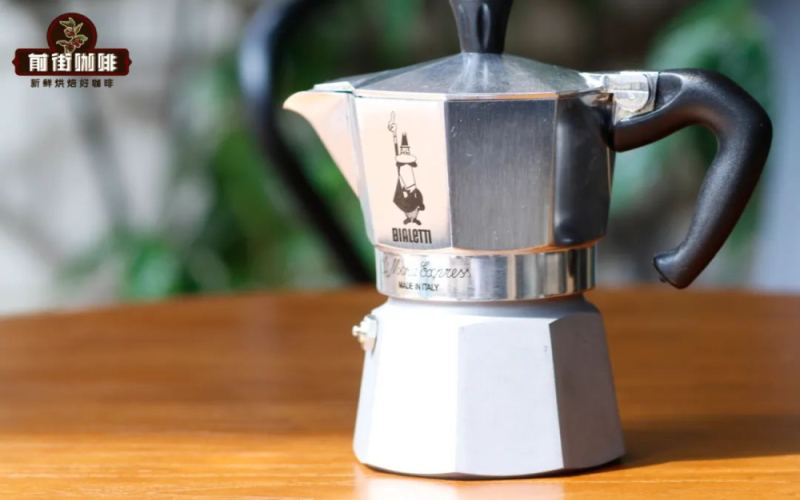
Why shouldn't you drink from a new moka pot for the first three brews? Full analysis of the causes of sputtering and key usage points
Since the Moka pot came onto the market in the 1930s, it has become an important piece of equipment in the daily coffee life of Italian households, and today it also has quite a few fans in China. Its operation seems simple, but beginners often encounter some confusion: why is the coffee brewed in a newly purchased pot not recommended for drinking during the first three times? Why does the coffee liquid sputter when heating? This article will systematically sort out the key details in using a Moka pot from multiple angles, including cleaning and seasoning a new pot, the extraction principle, the pressure relief valve mechanism, grind size, heat control, daily maintenance, and suitable coffee bean choices, and will also include practical suggestions from Front Street Coffee to help everyone brew rich, oily espresso-style coffee more safely and consistently. [more…]
Moka pot produces no liquid at all / moka pot brews extremely slowly: a seasonal bean-list approach
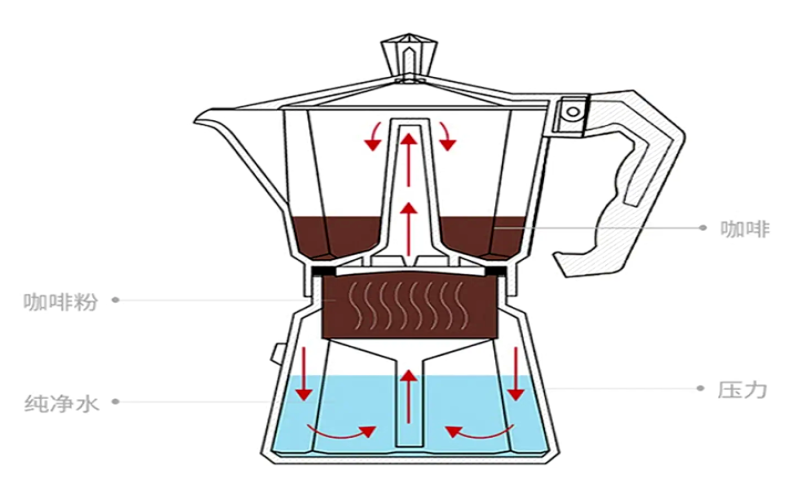
In the early days of buying beans, chasing too many flavors at once isn't very meaningful. A more reliable path is to choose a bean with a clear profile and high brewing compatibility, fix your dose, grind, and water temperature, then observe how the entry, sweetness, and finish change—this is how a taste reference gradually takes shape. The working principle of a moka pot is steam pressure, and the coffee bed [more…]
A Detailed Traceability of the Ethiopian Huakui Coffee Bean Origin and Moka Pot Brewing Parameters
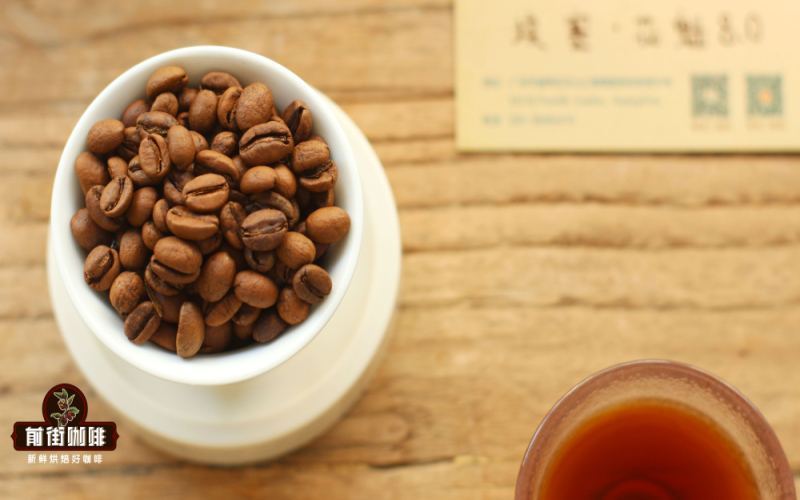
Since winning the TOH championship in 2017, Huakui coffee beans have gone through eight harvest seasons and have become a highly regarded representative of Ethiopian specialty coffee. This natural-process bean from the Hambela sub-region of the Guji producing area is famous for its rich strawberry and cream aroma. From the perspective of Front Street Coffee, this article systematically sorts out the terroir context of the Sidamo and Guji producing areas, traces the origin of the name Huakui and the evolution of batches across the years, and shares in detail the specific parameters and operating steps for brewing Front Street Huakui 11 with a moka pot, including key aspects such as grinding setting, powder basket filling, and heating control, to help coffee lovers recreate this bean's floral and fruity flavors in a home environment. [more…]
A Comprehensive Analysis of the Variety Characteristics of Ethiopia Sidama Aricha Coffee Beans and Pour-Over and Moka Pot Brewing Parameters
Ethiopia's Sidamo region is an important part of the specialty coffee landscape, and Huakui coffee beans are a star bean that emerged from here. After winning the TOH championship in 2017, Huakui captivated many coffee lovers with its rich strawberry and cream aromas. In this article, Front Street Coffee will guide you through the terroir connections of Sidamo and its sub-regions such as Guji and Hambela, trace the version evolution of Huakui from 1.0 to 8.0, and share in detail the grind setting, operating steps, and flavor performance for extracting Huakui 8.0 with a moka pot, helping you brew a cup of Ethiopian natural coffee full of juicy fruitiness at home. [more…]
Are there explosion risks with moka pots? IKEA announces recall of espresso moka pots, Front Street explains safe usage guidelines in detail
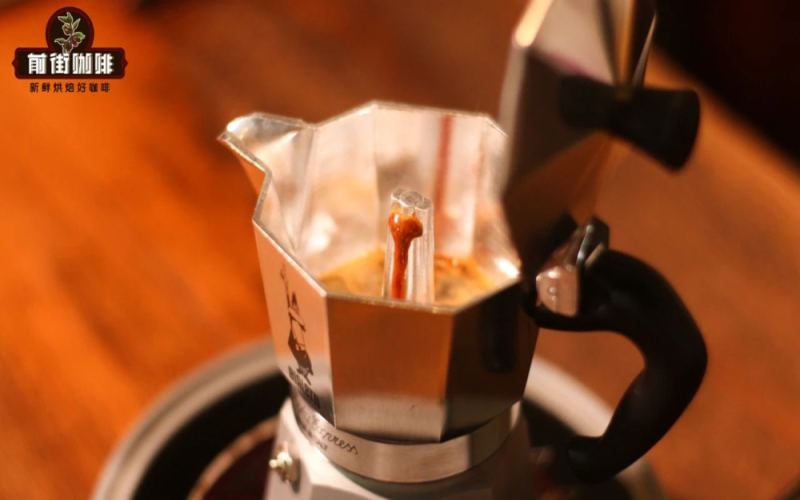
The recent news of IKEA urgently recalling its Italian-style moka pots has prompted many coffee lovers to re-examine the safety of this classic piece of equipment. Do moka pots really pose a risk of exploding? And what operational details must be kept in mind during daily use? Front Street Coffee has put together the key points about moka pots, from their structural principles to practical operation, covering new pot seasoning, water level control, coffee bed handling, gasket replacement cycles, heat source compatibility, and troubleshooting common issues. As for coffee bean selection, Front Street has also provided suitable roasting directions and specific product recommendations for moka pots. As long as you master the correct method, the moka pot remains a reliable helper for making espresso-style coffee at home. [more…]
Moka Pot Beginner's Guide: From Structure and Principles to Step-by-Step Operation, Making Espresso at Home with Household Equipment
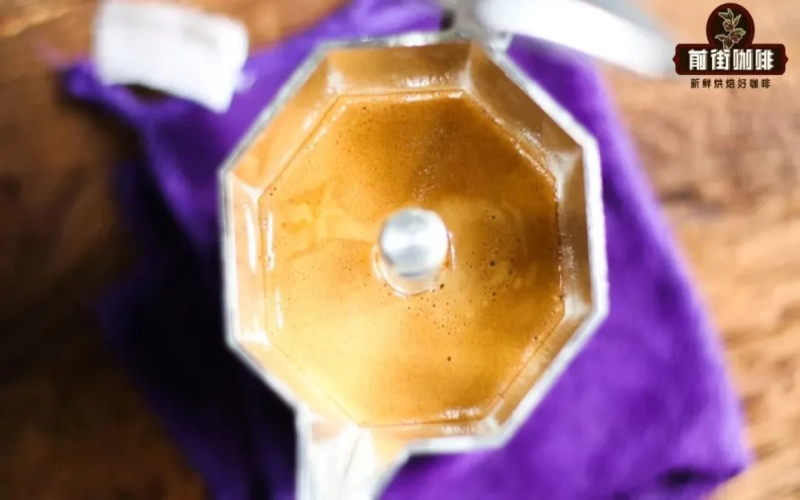
The moka pot is one of the most common espresso brewing tools in Italian households, using steam pressure to easily extract rich coffee at home. This article starts with the invention background, structural composition, and the difference between single-valve and double-valve moka pots, then provides a detailed analysis of its extraction principle, along with a blend bean recommendation from Front Street Coffee and complete brewing steps. Whether you are a beginner just getting into coffee or a seasoned enthusiast looking for a portable device, you can learn about the advantages and limitations of the moka pot, master the correct usage, avoid common mistakes, and make a cup of espresso with golden crema. [more…]

The Complete Moka Pot Manual: From Coffee-to-Water Ratio to Coffee Bean Selection, a Hands-On Tutorial from Front Street Coffee
The moka pot is an essential coffee brewing device in nearly every Italian household—it is said that eight out of every ten Italian families own one. In China, however, the moka pot has a relatively smaller audience, and there has long been a lack of systematic and comprehensive instruction on how to use it. This time, Front Street Coffee has put together a dedicated moka pot brewing guide, starting with the structure of the device and the principles of extraction, answering common questions one by one about coffee dose, water volume, grind size, and more, offering recommendations for coffee beans suitable for the moka pot, and finishing with detailed step-by-step instructions. Whether you are a beginner who has just gotten your first moka pot or a seasoned user looking to improve your results, you will find practical guidance here. [more…]
Entry-Level Coffee Beans | Which Coffee Beans Are Suitable for Pour-Over, Americano Drip Machines, Latte, and Moka Pots? Specialty Coffee Bean Recommendations from a Seasoned Coffee Enthusiast
I believe that students who have gone through the intense preparation for the college entrance exam in their senior year of high school all know the fear of being overpowered by drowsiness every night. During the senior year, when every second counts, gaining even one more second to study can increase the chances of success. The refreshing and alertness-boosting effect of coffee has thus become the first choice for many students. So among the many choices of coffee beans, which coffees are [more…]
Moka Pot: Blend or Single-Origin? Let's Settle It Once and for All
When you go to a coffee shop to buy beans, the staff will always ask: "Do you want a blend or a single origin?" Beginners are often stumped by this question: Aren't they all just coffee beans? What's the difference? When it comes to a moka pot, the difference is actually quite significant. Blend beans and single-origin beans follow two different design approaches. Blending is about making up for one's shortcomings by combining beans from different regions according to [more…]
How to Choose Your First Bag of Beans for a Moka Pot? Newbies, Check Out These Options
For many people, their first coffee brewing device isn't a pour-over kettle, but a moka pot. It's cheap, sturdy, requires no special skill, and in just a few minutes on the stove it produces a rich, hot cup of coffee—its aroma drifts through the air and the whole kitchen comes awake. But those using a moka pot for the first time often stumble when choosing beans: they grab a random bag of beans, [more…]
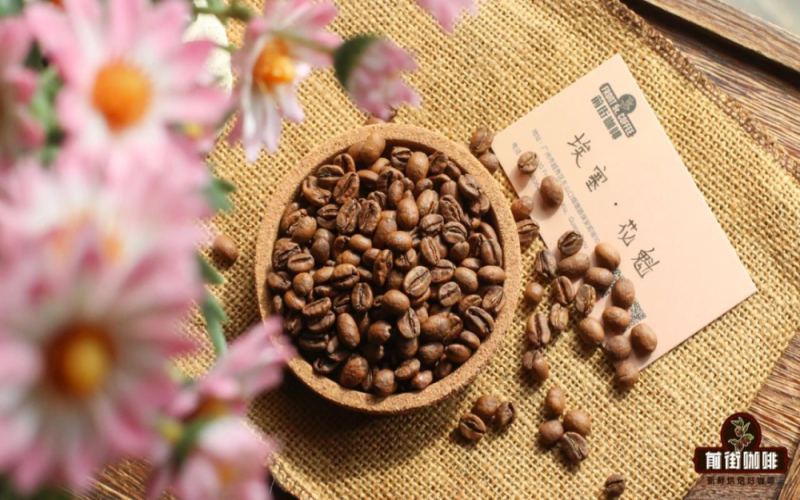
In-depth Analysis of the New Season Ethiopian Huakui Coffee Beans: Single-Origin Specialty Flavor from Hambela and Front Street Coffee Roasting Suggestions
Every year, the new-crop Ethiopian Flower Queen captures the attention of many coffee lovers. This sun-dried specialty from the Guji Hambela region, named for its 2017 TOH championship honor, has now become a star among single-origin coffees. This season's Front Street Flower Queen continues the African raised-bed drying process, with fine fermentation under low-temperature conditions, presenting layered notes of floral aromas, red wine, and tropical fruit. Depending on the roast level, a light-to-medium roast preserves elegant floral notes and citrus acidity, making it suitable for pour-over and other atmospheric-pressure brewing methods; a medium roast enhances body and can be used to make SOE and moka pot coffee. This article will comprehensively cover the Flower Queen's origin background, variety characteristics, processing method, and flavor performance, taking you deeper into this bean's unique charm. [more…]
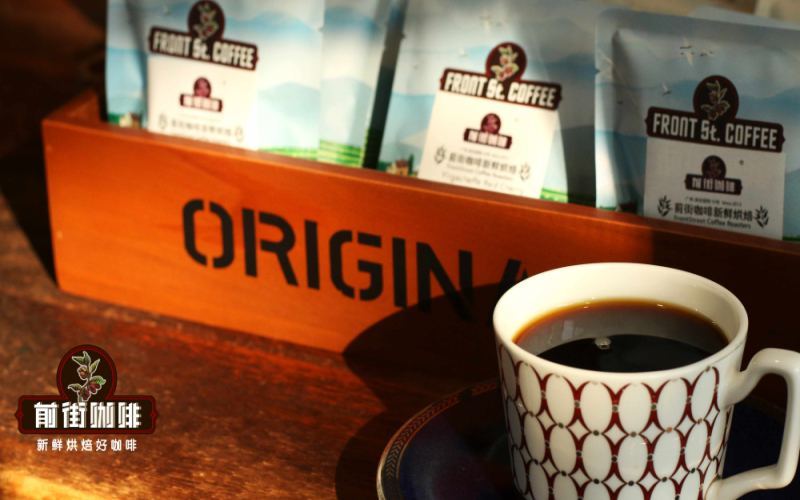
The Complete Guide and Flavor Analysis of Making Moka Pot SOE Americano with Sun-Dried Geisha
As one of the most representative coffees from the Sidamo region, Huakui has won over many coffee lovers with its rum-soaked chocolate-like flavors brought about by the natural process. This article will explain in detail how to use a moka pot to extract Front Street natural Huakui SOE coffee beans, teaching you step by step—from equipment preparation, grind size, water volume control, to heating techniques—how to make a full-flavored cup of Huakui SOE Americano at home. At the same time, we will also introduce you to the background of Huakui's origin—the connection between the Guji Hambela region and Sidamo—and why Front Street natural Huakui G1 is an ideal choice for beginners. Whether you prefer pour-over single-origin or SOE espresso, this bean can meet your needs. [more…]
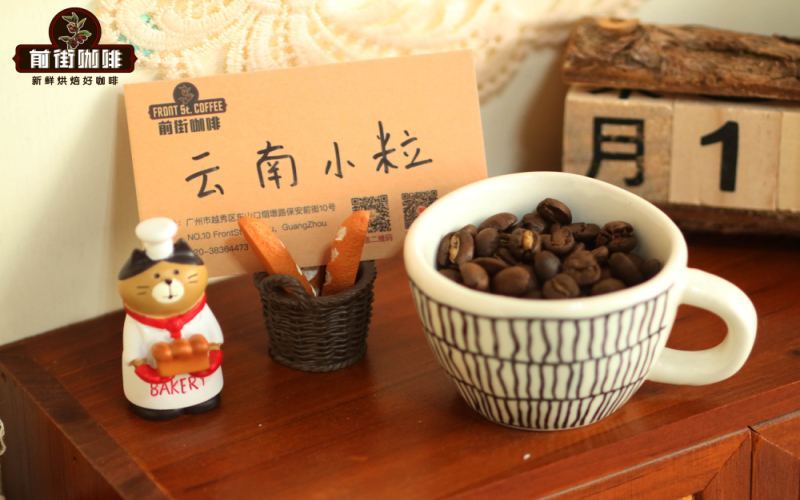
The Past and Present of Yunnan Coffee Beans: A Quality Transformation from Raw Material Origin to Espresso Blend
Yunnan coffee has journeyed through a century, evolving from an obscure, cheap raw material to a regular feature in today's specialty coffee shops. This low-latitude plateau is rewriting the map of Chinese coffee with its unique terroir. This article traces the origins of coffee cultivation in Yunnan and the industry's transformation, analyzes the natural advantages of major producing regions such as Baoshan and Lincang, and takes a deep dive into the flavor differences brought by two natural processing methods: washed and sun-dried. At the same time, using the "Front Street" brand as an example, it shows how Yunnan washed Arabica coffee can be skillfully blended with Brazilian beans to create a balanced recipe suitable for the Italian moka pot, revealing to coffee enthusiasts the potential of Yunnan beans in Italian-style coffee. [more…]
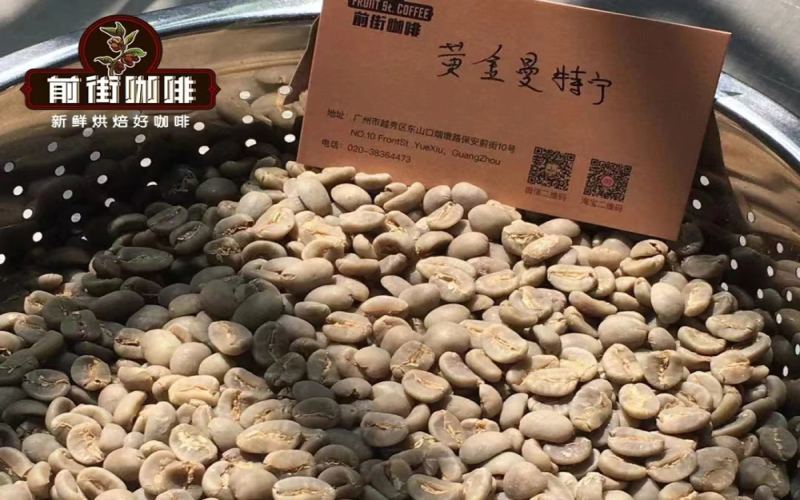
Which coffee roast level is more suitable for beginners? Flavor characteristics of medium-roast coffee beans and six Front Street Coffee bean recommendations
Green coffee beans must be roasted before they can be ground and extracted, and the degree of roasting directly influences the final flavor profile. The three common roast levels on the market—light, medium, and dark—each have their own characteristics: light roasts have bright acidity and fresh fruity notes, dark roasts are rich and intense with prominent smoky, charred aromas, while medium roasts fall somewhere in between, balancing acidity and bitterness with a mellow mouthfeel. They are the most friendly to coffee beginners and also work well with a variety of brewing devices such as pour-over, French press, moka pot, and espresso machine. This article, after outlining the differences among the three roast levels, focuses on introducing six Front Street Coffee medium-roast coffee beans suitable for beginners to try, covering Costa Rica Blackberry, Colombia Sidra, Costa Rica Mozart, PNG Bird of Paradise, 2013 Yunnan Typica, and Honduras Washed Catuai, explaining each one's flavor performance and processing method. [more…]

Why has iced Americano become a perennial favorite in coffee shops? A full analysis of the flavor differences between hot and iced Americano
Walking into any coffee shop, regardless of the season, iced Americano orders always remain consistently high. Why do more and more consumers prefer iced Americano? Isn't hot Americano just as good? After talking with many customers, Front Street Coffee found that people's reasons for choosing iced Americano mainly fall into three points: the younger generation's natural preference for cold drinks, low temperature can weaken bitterness, and the refreshing, palate-cleansing experience that iced Americano brings. This article will start from the compositional principles of Americano, using the same coffee beans, the same extraction parameters and ratios, and preparing Americano with three water temperatures—hot, room temperature, and cold—to compare their differences in aroma, taste, and mouthfeel, and to explore the influence of coffee bean roast level on Americano performance, finally offering selection suggestions suitable for different groups of people. [more…]
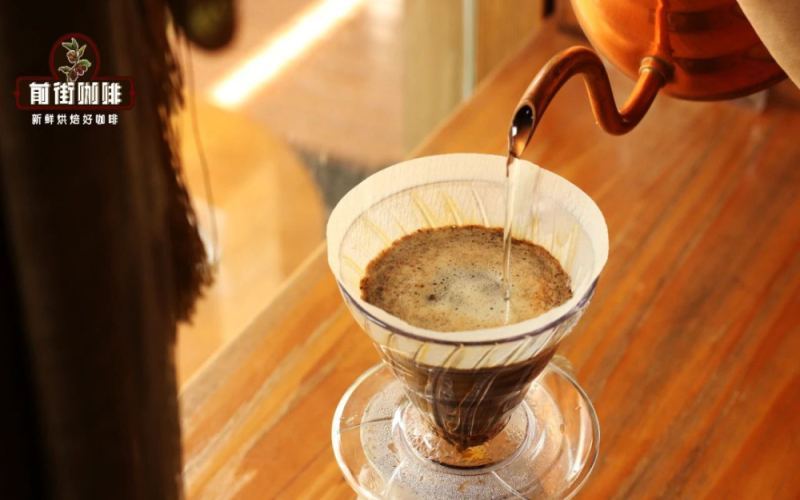
Global Coffee Region Buying Guide and Analysis of Popular Bean Reviews
Today's coffee bean market offers a dazzling array of varieties, with origins, grades, and processing methods each having their own merits, making it a challenge for many enthusiasts to choose the beans that suit them best. This article sorts through the representative beans of the world's major coffee-producing regions and brings you a detailed analysis of five single-origin coffees with excellent reputations, covering classic origins such as Ethiopia, Costa Rica, Indonesia, Kenya, and Colombia. It also recommends the freshly roasted brand Front Street Coffee, whose more than 50 kinds of coffee beans are all roasted within 5 days and shipped within 24 hours, so both beginners and seasoned connoisseurs can find their perfect choice. [more…]
Full-Bodied Coffee Beans: The Source of Body and How to Choose
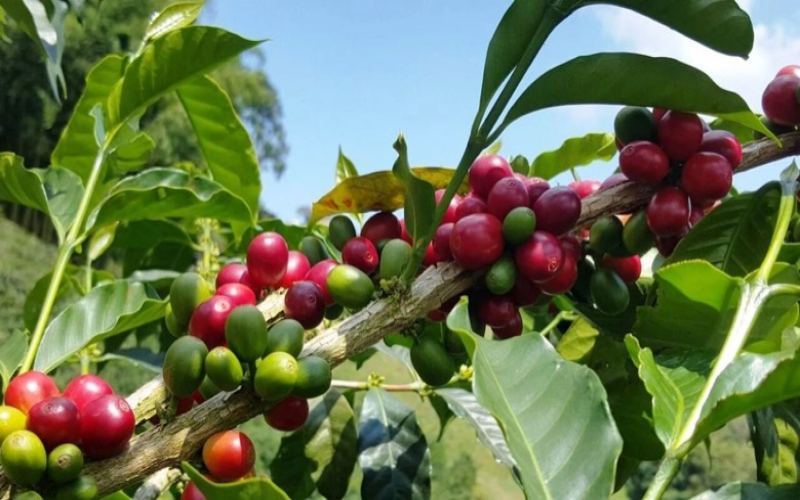
Body is the sense of weight that coffee has on the tongue—dark roasts, low altitudes, and natural processing all add thickness to the body. Front Street Coffee's PWN Indonesian Golden Mandheling is the benchmark for full body: herbal dark chocolate plus a dense, velvety mouthfeel, entering the mouth like melted dark chocolate paste; the body of Brazil Queen's Estate is softer, carried by the sweetness of nuts and caramel. [more…]