








How fine should moka pot coffee grind be?
Moka pot coffee grind should sit between drip and espresso: fine enough to create resistance in the filter basket, coarse enough that water can push through without clogging. Fill the basket level and loose, without tamping, then level the bed with a finger. Water goes into the base up to the valve, and the pot comes off the heat once the upper chamber fills and the flow turns pale and sputtering.
The device works by steam pressure: heated water in the base is forced up through the coffee bed into the upper chamber, similar to a siphon. Dose, water volume, and grind are the questions users ask most, and each affects how long does it take a moka pot to brew, typically a few minutes on medium heat. A two-cup, three-cup, or larger pot changes the amounts, so follow the size you own.
The moka pot is a coffee device found in nearly every Italian household—it's said that eight out of every ten Italian families own one. In China, however, the moka pot has a relatively small following, and there has long been a lack of systematic, comprehensive guidance on how to use it. This time, Front Street Coffee has put together a dedicated moka pot tutorial, starting from the device's structure and extraction principles, answering common questions one by one about coffee dose, water volume, and grind size, offering coffee bean recommendations suitable for the moka pot, and finishing with detailed step-by-step instructions. Whether you're a beginner who just got a moka pot or a seasoned user looking to improve your results, you'll find something practical here.
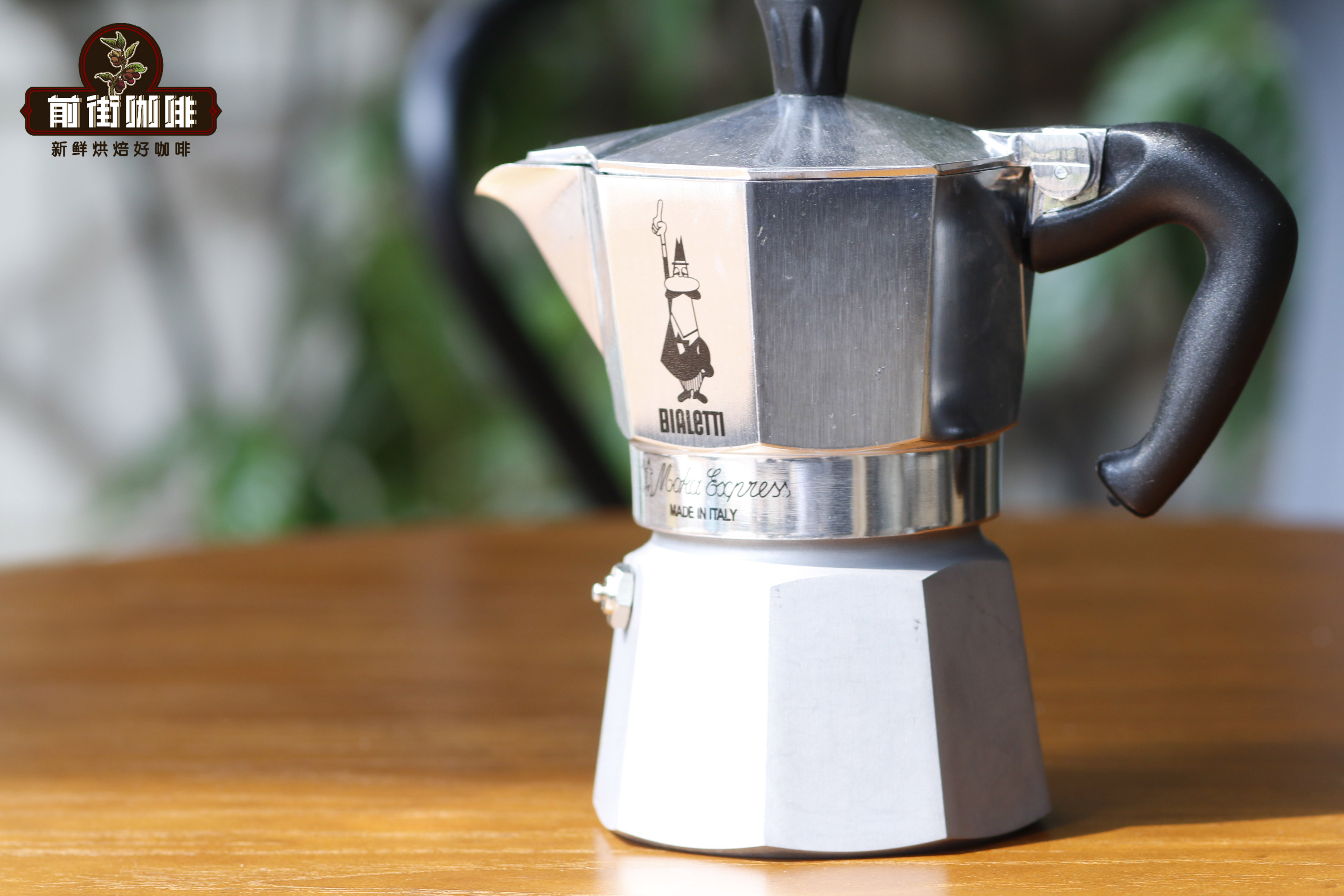
The moka pot is practically a national-level coffee brewing tool in Italy—some say eight out of every ten households there keep one on hand. In the domestic market, by contrast, the moka pot's audience has always been relatively small, so when it comes to how to use it, there has consistently been a lack of systematic and detailed explanation. This time, Front Street Coffee is here to fill that gap with a complete moka pot usage tutorial.
The Structure and Principle of the Moka Pot
The moka pot consists of three parts: the upper chamber, the filter basket, and the base. The base holds the water, the filter basket holds the coffee grounds, and the upper chamber receives the extracted coffee liquid.
Its extraction principle isn't complicated. After heating the base, the water inside generates steam pressure from the heat. When the pressure builds up enough, the hot water is pushed upward into the upper chamber—this is somewhat similar to how a siphon works. On its way up, the hot water passes through the layer of coffee grounds in the filter basket. The coffee bed itself creates a certain resistance, and once the water breaks through this resistance, it surges into the upper chamber, becoming the rich coffee liquid we're after.
Moka Pot Tutorial Section
When it comes to the moka pot, the most frequently asked questions center on a few things: how much coffee to use, how much water to add, and how fine to grind the coffee. Below, Front Street answers each one.
- Moka Pot Coffee Dose
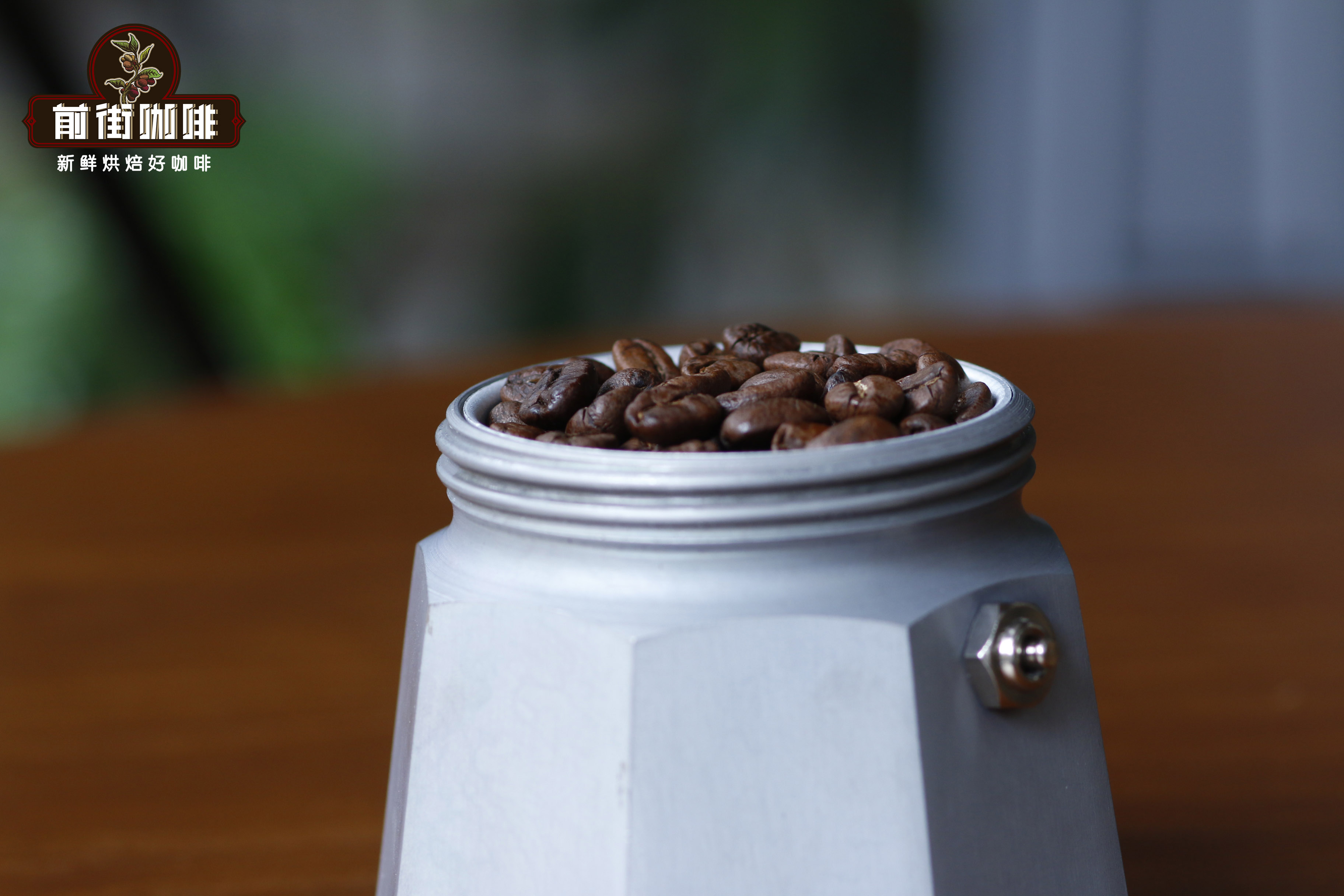
When you buy a moka pot, you'll find it typically comes in various sizes—two-cup, three-cup, even models up to 18 cups. The most direct manifestation of these size differences is the capacity of the filter basket. In other words, how much coffee you need to put in depends on the size of the filter basket you have. The easiest way to measure is to pour coffee beans directly into the filter basket, fill it level with the rim, and then take that batch of beans to be ground.
If you prefer to go by numbers, you can also weigh and record the coffee beans that fill the filter basket. Front Street uses a Bialetti three-cup single-valve moka pot, and the measured dose required is 18 grams.
- Moka Pot Water Volume
What temperature of water to add and how much to add are also points many people care about. Front Street's recommendation is to use warm water—first, it shortens the extraction time and prevents the coffee grounds from burning and sticking to the bottom; second, it reduces the risk of scalding yourself during the process.
Take a look at the base and you'll notice a small protruding hole on the side—this is the pressure relief valve. Its function is to automatically release pressure when it rises abnormally high (for example, when coffee grounds are too fine and cause a blockage), preventing an explosion. If the water level rises above this valve when you're adding water, the pressure relief function may fail, and the risk of the pot bursting increases accordingly.
Therefore, the safest approach is to keep the water level about 0.5 cm below the pressure relief valve. Those who like precise measurements can also weigh and record the water. For the Bialetti three-cup single-valve moka pot that Front Street uses, the measured water volume is 130 ml.
- Moka Pot Coffee Grind Size
First, let's be clear about one thing: the moka pot's grind size is not the same as an espresso machine's. An espresso machine has a greater pressure of 9 bar, enough to penetrate the resistance of the coffee puck; the moka pot's pressure is much lower, so if the coffee is ground too fine, the coffee liquid most likely won't come up, and meanwhile the pressure in the base keeps climbing—if it isn't released in time, there's a danger of explosion. So if you ever see that the water is already boiling but the coffee liquid still hasn't appeared, cut off the heat source immediately.
Grinding too coarse is equally problematic. When there's too little resistance, the coffee liquid will violently burst out, easily causing splashing and scalding. Front Street recommends a grind size of EK-43s setting #3 to #3.5.
- What Coffee Beans Are Suitable for the Moka Pot
Front Street recommends choosing medium-dark roasted coffee beans, espresso beans, or coffee grounds specially made for moka pots. If you usually use your moka pot to make Americanos and prefer a full-bodied style of black coffee, you can try Front Street Brazil Queen's Estate coffee beans. This is a medium-dark roasted single-origin bean, and the result will carry a clear roasted peanut aroma;
If you sometimes make Americanos and sometimes lattes at home, with a more balanced taste preference, then the Front Street espresso blend series will suit you better. If you're after a rich layer of crema, you can choose Front Street Classic Blend or Front Street Commercial Blend; if you prefer fruity notes, you might want to try Front Street Strawberry Candy Espresso—it will give your moka pot coffee a floral aroma and a sweetness like fruit candy.
- Moka Pot Operation Steps
① Pour hot water into the base, up to 0.5 cm below the pressure relief valve. Using hot water can more effectively shorten the coffee brewing time.
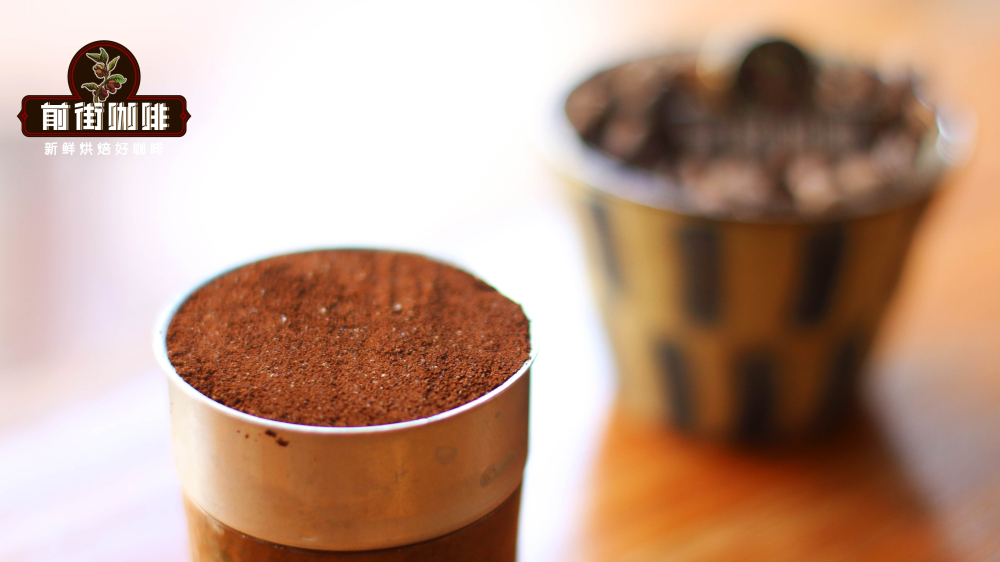
② Pour the ground coffee into the filter basket, tap it lightly left and right a few times to let the grounds settle naturally, then level the surface. This is done to distribute the gaps between the coffee particles evenly; not applying pressure is to avoid excessive resistance in the coffee bed.
③ Place the filter basket into the base, then screw the upper chamber and base tightly together.
The base contains hot water, so remember to use a cloth for insulation to avoid scalding
④ Place it on an electric ceramic stove, connect the power, and begin heating.
⑤ When the moka pot heats up to a certain point and makes a distinct "whirring" sound, turn the electric ceramic stove to low heat and lift the lid of the upper chamber—at this point the coffee liquid and crema begin to flow out.
⑥ When about half of the coffee liquid has flowed into the upper chamber, turn off the electric ceramic stove and move the moka pot to the tabletop. The residual heat and remaining pressure inside will continue to "push" the rest of the coffee liquid into the upper chamber.
⑦ Finally, pour the coffee into a cup and it's done. The crema produced by a single-valve moka pot is rather thin, coarser in texture, and doesn't last long—it dissipates in a moment.
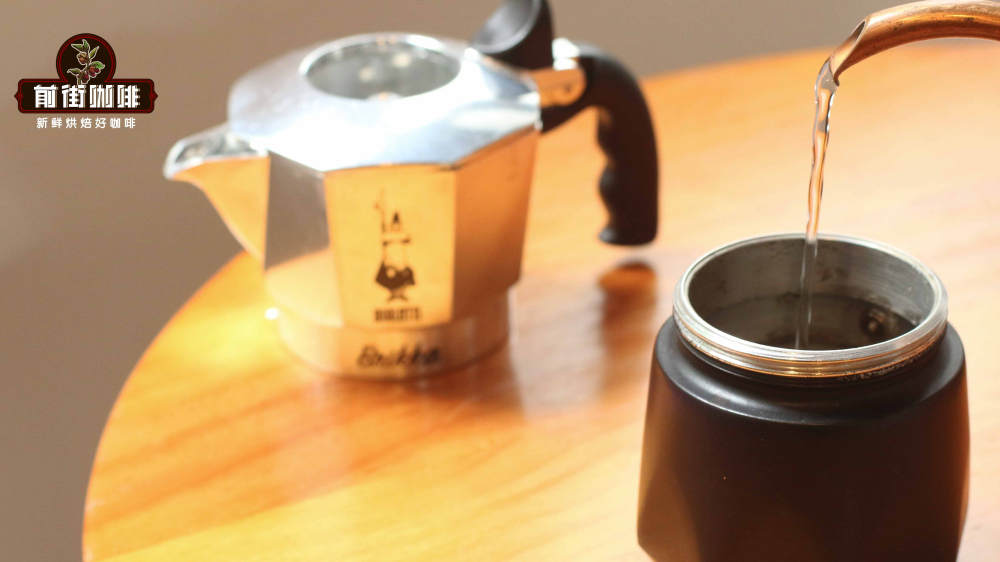
It's worth mentioning that Bialetti launched a new generation of pressurized moka pots this year, whose crema performance is a notch above the single-valve version.
The above content is compiled by CoffeeHunters, a coffee news website.


