







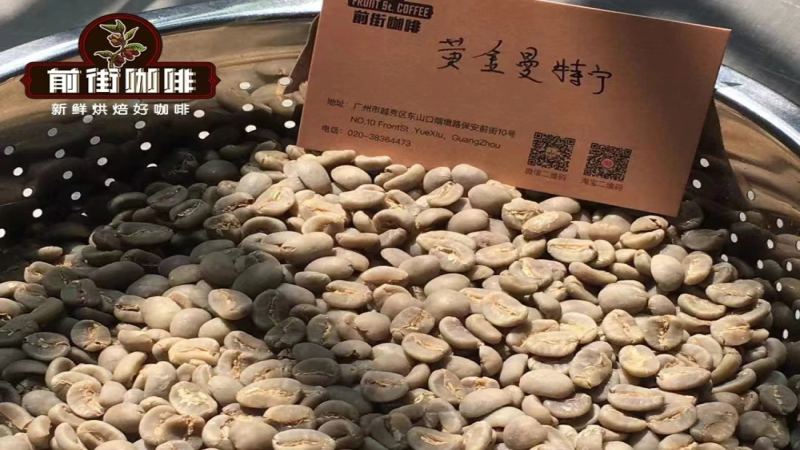
Which Roast Level Suits Beginners Working With Coffee Green Bean?
Medium roast is the most approachable choice for beginners. A coffee green bean cannot be ground, brewed or drunk until it is roasted, and the roast level sets the final flavor direction. Light roasts carry bright acidity and fruity notes, dark roasts are intense with smoky and charred tones, and medium roasts sit between the two, balancing acidity and bitterness with a smooth body.
The roasting process is essentially a transfer of heat into the beans. Unroasted beans taste grassy and grainy until caramelization and the Maillard reaction build aroma compounds. Medium roast works across pour-over, French press, moka pot and espresso machine. Six Front Street medium-roast options are covered, including Costa Rica Blackberry and Colombia Sidra, each with its own processing method.
Coffee green beans must be roasted before they can be ground and extracted, and the degree of roasting directly affects the final flavor direction. The three common roasts on the market—light, medium, and dark—each have their own characteristics: light roasts have bright acidity and refreshing fruity aromas, dark roasts are rich and intense with prominent smoky and charred notes, while medium roasts fall between the two, balancing acidity and bitterness with a smooth mouthfeel. Medium roasts are the most friendly to beginners just getting into coffee, and they also work well with various brewing devices such as pour-over, French press, moka pot, and espresso machine. Based on sorting out the differences among the three roast levels, this article focuses on introducing six Front Street medium-roast coffee beans suitable for beginners, covering Costa Rica Blackberry, Colombia Sidra, Costa Rica Mozart, PNG Bird of Paradise, 2013 Yunnan Typica, and Honduras Washed Catuai, explaining their flavor performance and processing methods one by one.
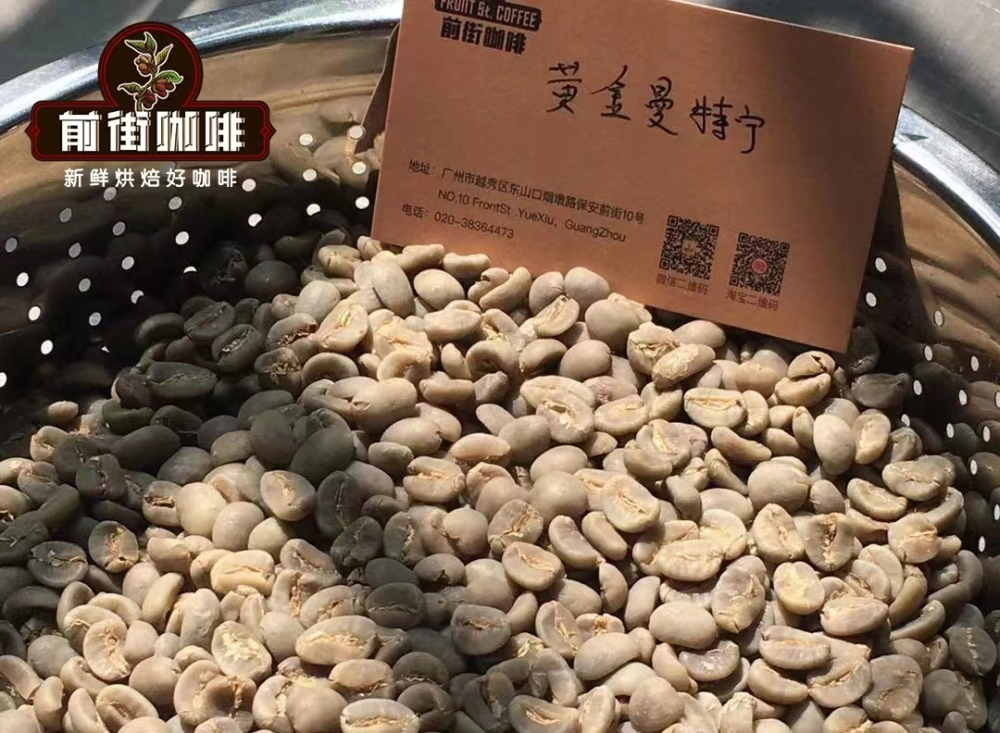
Coffee green beans themselves cannot be directly ground, extracted, or drunk; they must first undergo a key process—roasting—before they can be brewed and tasted.
Roasting is essentially a process in which coffee beans absorb heat. Unroasted green beans have not yet formed many flavor compounds, so whether smelled or tasted, they carry only a light grassy and grainy aroma. During the endothermic roasting process, the components inside the green beans gradually transform, successively undergoing caramelization and the Maillard reaction, and more and more aromas are released as well.
Currently, coffee bean roast levels can be divided into seven categories, but the most common ones on the market are mainly the following three:
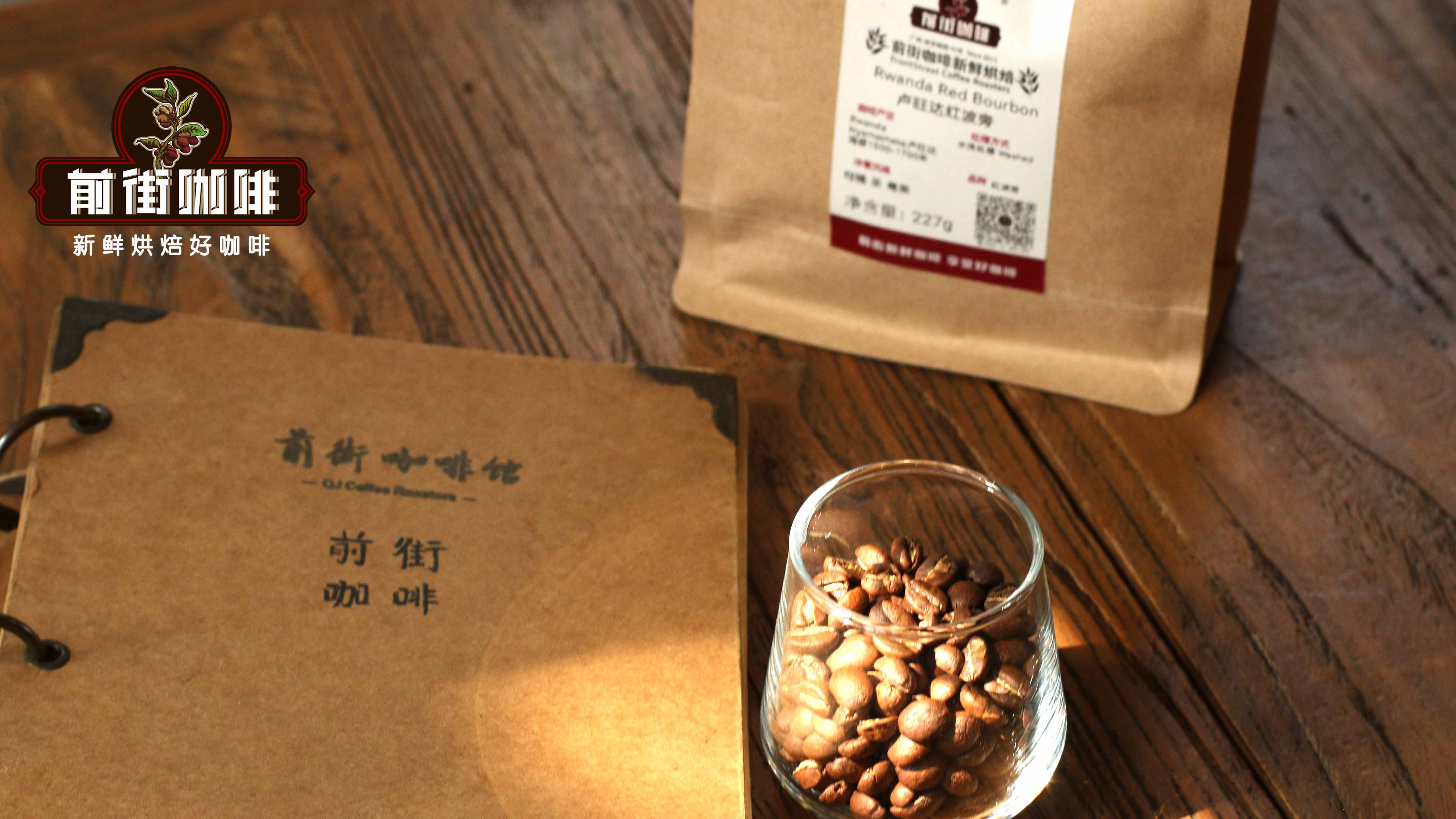
Light roast: at the stage after the end of first crack, the coffee color is on the lighter side, rich in acidity, with a very refreshing fruity character. Sweetness and bitterness are not prominent, and body is relatively low. It is suitable for pour-over, clever dripper, drip bags, and other methods. Recommended: Front Street Rwanda Red Bourbon, Front Street Kenya Little Tomato, and Front Street Huakui, allowing you to clearly experience the characteristics of light-roast coffee.
Dark roast: after dark roasting, the bean surface is smooth and oily, showing a clear dark coffee color. Fruit acidity content is low, acidity is very不明显, and it smells of prominent scorched and smoky notes. Body is relatively high. It is suitable for pour-over and espresso/moka pot. If you want to try it, it is recommended to buy Front Street PWN Golden Mandheling and Front Street Brazil Queen's Estate.
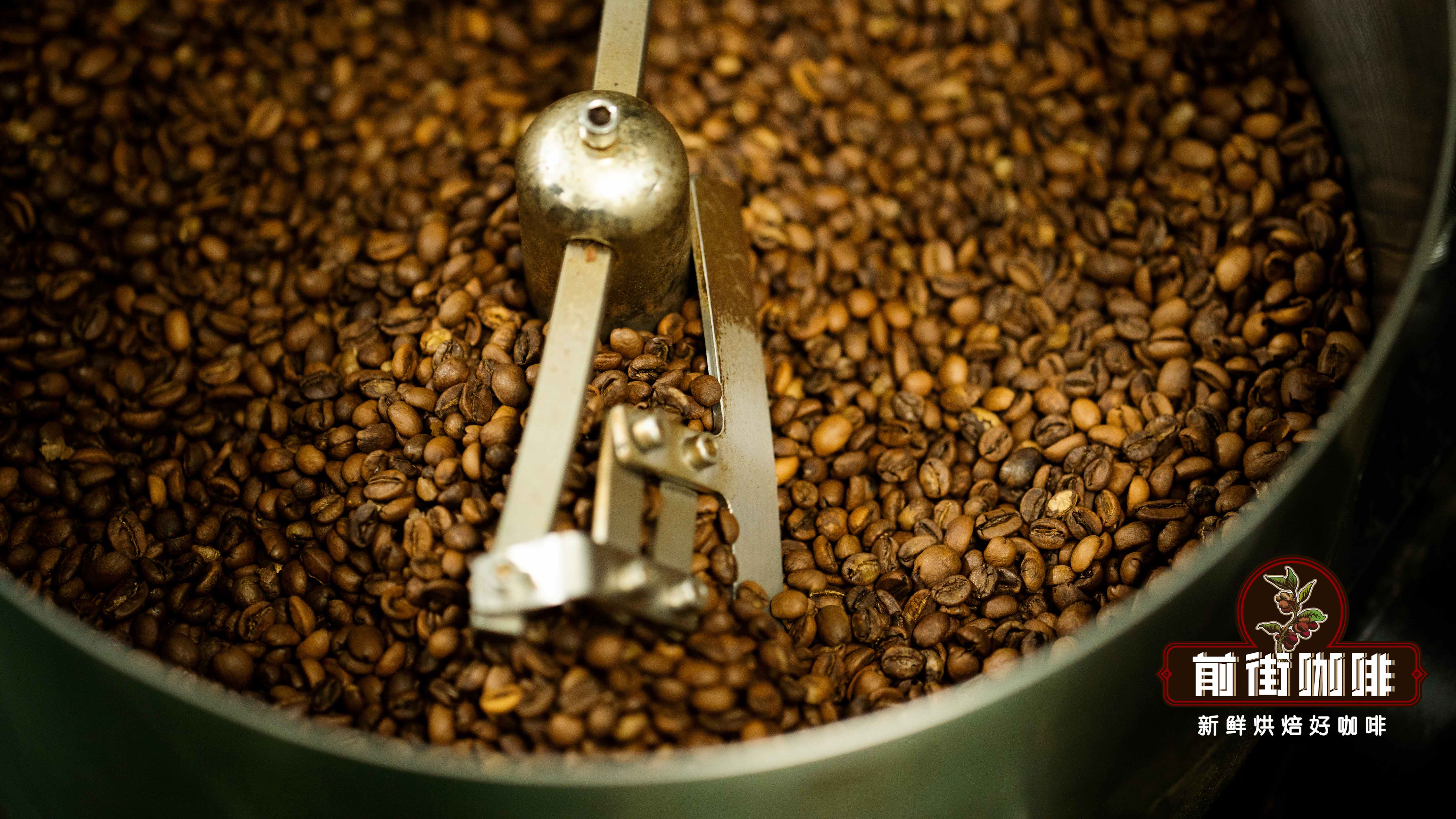
Medium roast: removed from the roaster a little longer after the end of first crack. The bean surface is a clear coffee color, with less oil, moderate fruit acidity, good sweetness, and slight bitterness. Compared with dark roast, medium-roast coffee has lower body, but the mouthfeel is smooth. It is suitable for the vast majority of coffee beginners, and can be used with pour-over, French press, moka pot, clever dripper, espresso machine, American coffee machine, and many other devices. Recommended medium-roast coffees are as follows:
1. Front Street Costa Rica Blackberry — Flavor: grape, berry, floral, slight fermented note
This coffee is processed using the black honey method. Compared with other honey processes, black honey coffee removes almost no pectin, and drying takes the longest, usually requiring more than 14 days of drying. During the drying process, to avoid overly rapid drying that would lead to insufficient sugar transformation, farmers use coverings to appropriately shade the sunlight, allowing the substances more time to convert and ensuring the sugars can be better absorbed by the beans. Because of this, coffee processed with black honey has a very rich flavor and abundant sweetness.
2. Front Street Colombia Sidra — Flavor: grape, passion fruit, citrus, apricot, dried fruit
A Front Street Sidra coffee bean produced in the Huila region at Finca La Divisa, grown at an altitude of 1700m, using a double anaerobic natural process. Front Street Sidra coffee shows mouth-filling, rich passion fruit and grape, along with the clean sweetness of dried fruit and a mandarin-like acidity. After swallowing, an almond-like aftertaste remains in the mouth, which has successfully attracted many fans to repurchase.
3. Front Street Costa Rica Mozart — Flavor: osmanthus, red grape, pineapple, raisin, fruit wine
Front Street Mozart coffee is one of the famous Musician Series. When brewed, it has the fermented aroma of berries and fruit wine; on entry, there are flavors of raisin, sweet orange, and pineapple. As the temperature changes, the fermented wine aroma and osmanthus aroma become more obvious.
4. Front Street PNG Bird of Paradise — Flavor: toasted bread, nuts, sugarcane, cream, chocolate
Papua New Guinea mainly grows Typica. Typica has an elegant flavor, but the plant is relatively weak, has low disease resistance, and is prone to coffee leaf rust. Front Street Coffee believes that the biggest characteristic of the Typica coffee tree is that the top leaves are bronze-colored, which is why some people also call it "red-top coffee." Typica beans are relatively large, shaped like a pointed cone or slender tip, different from the round-bodied beans of the Bourbon variety. Front Street believes that Typica coffee has its own uniquely quiet, clean flavor and balanced characteristics, with high cleanliness in the cup.
5. Front Street 2013 Yunnan Typica — Flavor: chocolate, dried apricot, brown sugar, tea-like
Yunnan's Lincang is influenced by the warm, moist air flow from the Indian Ocean and the southwest monsoon. The distinctions among the four seasons are not obvious, but the dry and rainy seasons are clearly divided. There is relatively more rainfall, long sunshine hours, and a short frost period. Some areas have no frost year-round, and the vertical climate is obvious, making it very suitable for Arabica coffee cultivation. Typica has an elegant and pure flavor. Front Street believes that the coffee flavor produced by Yunnan's terroir has a neutral and balanced tone, so it is very suitable for medium roasting, highlighting the roasted aromas of chocolate and nuts and a rounded sweetness, while retaining slight acidity.
6. Front Street Honduras Washed Catuai — Flavor: chocolate, nuts, cocoa
Most Honduran coffee is processed using the washed method, so the resulting coffee beans are generally relatively clean and the quality is fairly stable. From a roasting perspective, medium roasting is usually recommended. The coffee tends to show aromas of dark chocolate and nuts as well as moderate sweetness, with a long-lasting aftertaste.
The above content is compiled by CoffeeHunters, a coffee news website.


