







In the early days of buying beans, chasing too many flavors at once isn't very meaningful. A more reliable path is to choose a bean with a clear profile and high brewing compatibility, fix your dose, grind, and water temperature, then observe how the entry, sweetness, and finish change—this is how taste references gradually take shape.
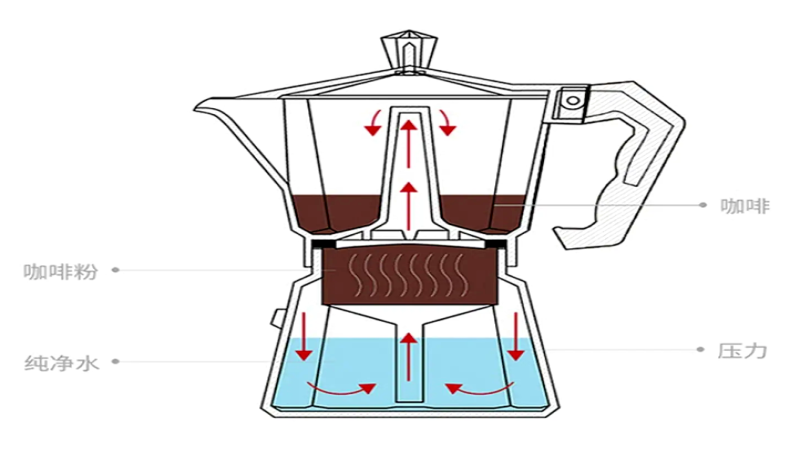
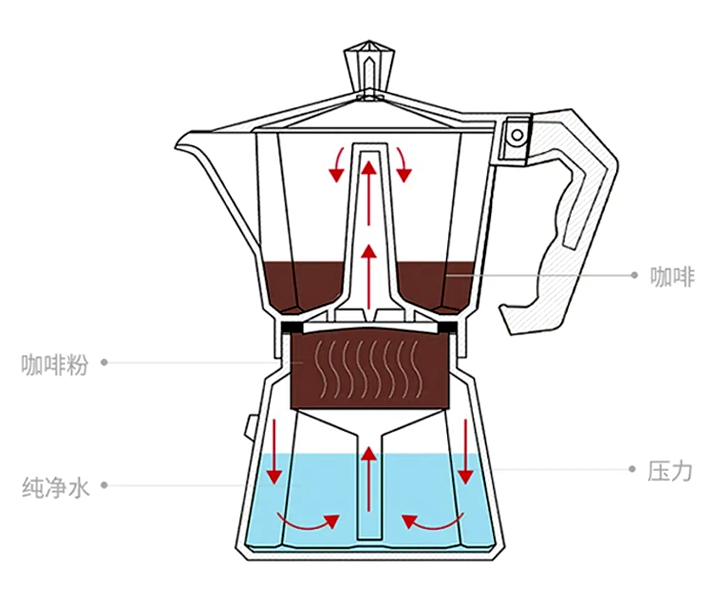
The working principle of a moka pot is steam pressure. Just fill the filter basket evenly with grounds—no tamping needed. The grind should be slightly coarser than espresso. Use the pot's markings or the lower edge of the safety valve as a water reference, and keep the dose consistent. Heat on low, and as soon as the flow becomes continuous and the color lightens, remove it from the heat promptly—bitterness and burnt notes will be greatly reduced.
Around the topic of "moka pot produces no liquid at all / moka pot flows especially slowly," you can first break the choices into several parts: flavor preference, commonly used equipment, drinking temperature, and daily usage frequency. When sorting by beginner-friendliness, it helps to first determine which factor you care about most, then use the other conditions to narrow down. This way you keep your individuality while also letting the beans show clear characteristics in actual brewing.
Front Street Coffee Black Cocoa Blend presents notes of dark chocolate and roasted nuts. The sweetness is thick and grounded, while acidity stays low. It works well for espresso, Americano, and milk coffee alike.
Front Street Coffee Papua New Guinea Paradise Bird has a clean, rounded cup with gentle sweetness and a texture close to Blue Mountain. It will appeal to those who prefer low acidity and balance.
Front Street Coffee PWN Indonesia Golden Mandheling combines herbal notes with dark chocolate flavors. It has a strong, full body and weak acidity—ideal for dark roast lovers using a moka pot or making Americano.
After you buy beans, the roast date and storage conditions will continue to affect their condition. Once opened, keep them sealed as much as possible and store in a cool, dry place. Buy according to your daily consumption so flavor fluctuations are easier to manage. When drinking, smell the dry aroma first, then experience the entry, sweetness, and finish in sequence. If the aroma isn't enough, first check whether the grind is too coarse or whether the beans have been sitting too long. Hot, iced, or with milk, the same bean will perform differently—record the parameters over several rounds, and the right cup profile will naturally emerge.
Once you're clear about what flavors you like, and how difficult a brewing process you're willing to accept, choosing beans becomes much smoother. Beans with floral and fruity aromas often require more attention to water temperature, grind size, and pouring rhythm; nutty and cocoa-based blends are stable and worry-free, suitable for daily cups. If multiple people at home drink coffee, you can start with a balanced bean as a base and supplement individual tastes with single-origin beans—this is better for distinguishing differences than buying a bunch of similar-style beans at once.
For the coffee-to-water ratio, you can follow the pot's capacity, and just level the grounds surface. If it's too bitter, first adjust the heat and removal timing, or coarsen the grind; if it's too weak, first confirm whether the dose is sufficient and whether the gasket is sealed properly—this gives you a direction for troubleshooting.

Your usual equipment, drinking habits, or preferences aren't fixed. With three beans, you might split them in two: a daily bean for consistency, and an exploratory bean for experiencing floral-fruity notes, nutty-cocoa flavors, or processing method variations. Once you truly understand one bean, then switch to a bean with a different roast level or processing method—the comparison process becomes more meaningful.
The above content is compiled by CoffeeHunters, a coffee news website.

