







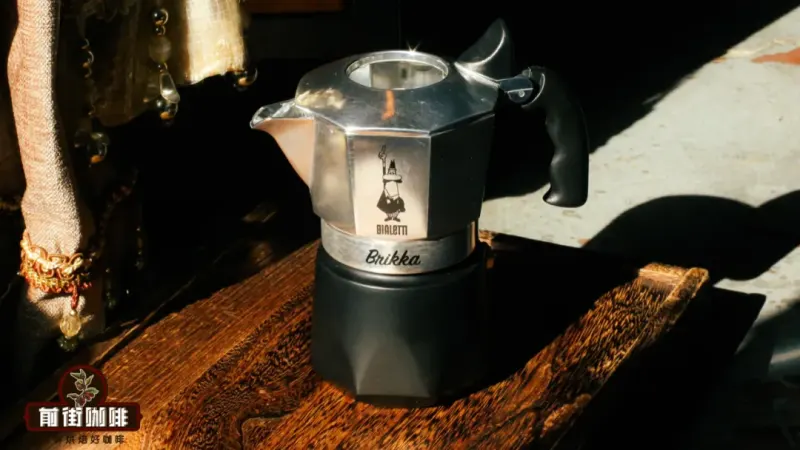
Why do the first cups from a new moka pot get poured out?
The first three cups from a new moka pot should be poured away because they are doing the cleaning job, often called pot opening, or seasoning. Manufacturing leaves metal residue, dust, and machine oils in corners and gaps that a quick rinse cannot reach. Brewing and discarding a few cycles flushes those areas and prepares the pot for the coffee you actually want to drink.
Pot opening also sets a baseline for moka pot brew time, since a clean, well-sealed gasket and filter let water pass at a steady pace. Use plain water or inexpensive grounds for the first runs, then check the rubber gasket and filter for trapped grit. For everyday brewing, medium to dark blends with caramelized aroma pair well with the strong, espresso-like output of the pot.
With its affordable price, simple operation, and ability to brew a strong coffee close to espresso, the moka pot has become the entry-level first choice for many coffee lovers. After getting a new pot, the manual and customer service usually remind you: the first three cups of coffee cannot be drunk and must be poured away. The reason behind this is that a new pot needs a deep clean, which is the so-called "pot opening." This article covers why the pot needs to be opened, whether plain water alone can be used, which coffee beans are recommended, the specific steps, and easily overlooked details such as cleaning the rubber gasket and filter, to help you properly complete the preparation for first-time use of a moka pot.
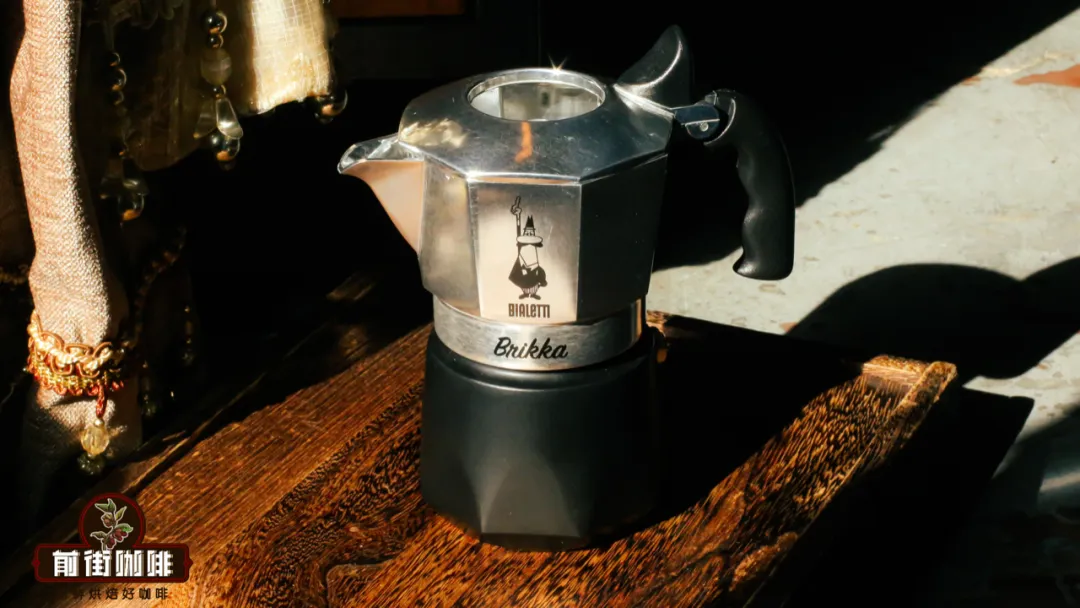
The reason the moka pot is so popular is not just that it can brew coffee with a strength close to espresso, but also because it is affordable, easy to use, and quite convenient to carry when traveling. Precisely because of this, many coffee lovers will buy a moka pot; even if it is not used often, it still looks good sitting on the table.
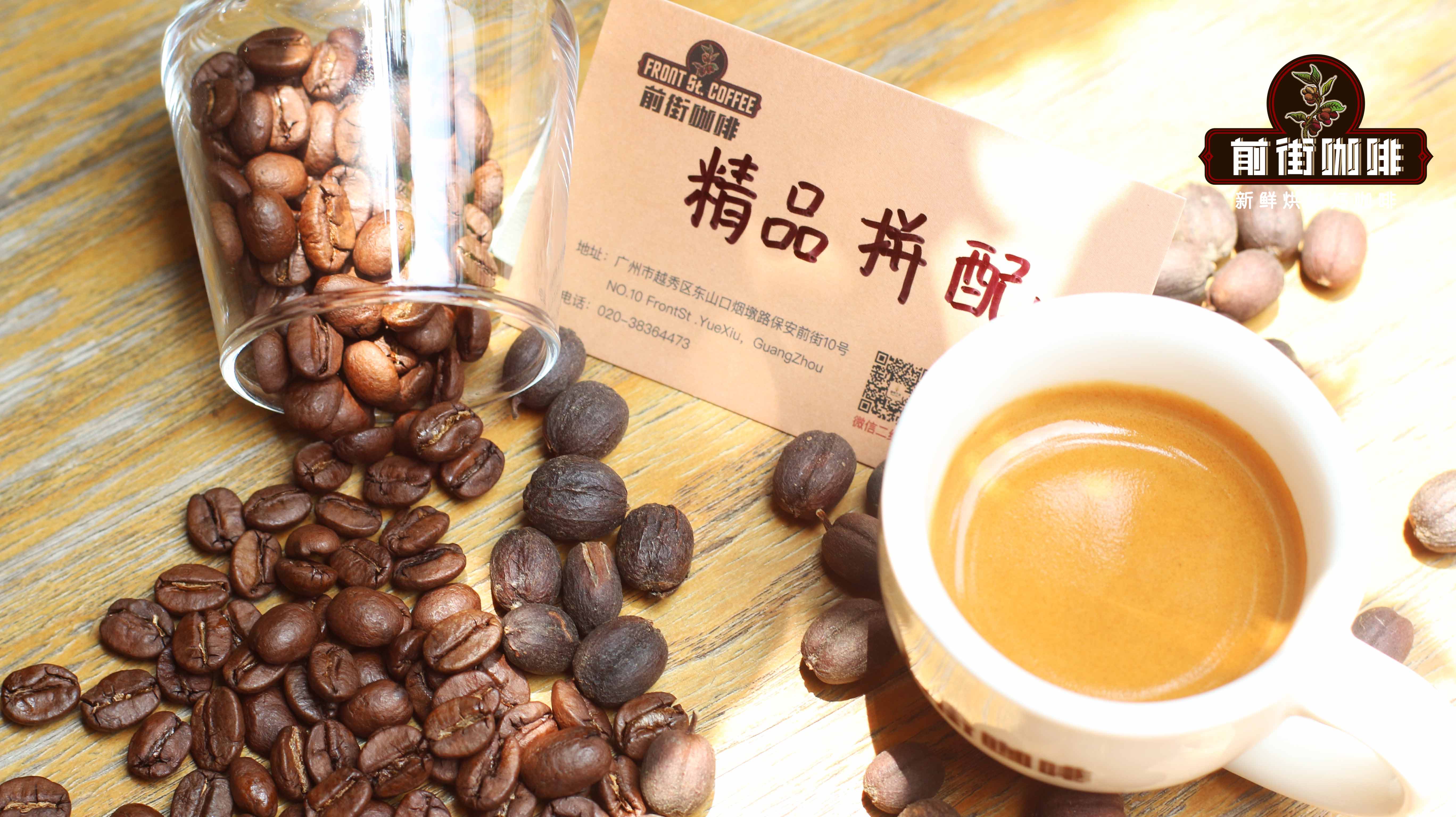
When it comes to what coffee beans go well with a moka pot, the Front Street Espresso Blend series is a relatively cost-effective choice: the full-bodied Classic Blend, the Specialty Blend with nutty cookie notes, the affordable and tasty Basic Blend with dark cocoa, and the Commercial Blend made for cafés. These beans each have their own style, while also standing out for their caramelized aroma, making them very suitable for pairing with a moka pot or a home espresso machine.
However, when buying a moka pot, whether from store customer service or the accompanying manual, there is usually a reminder like this: do not drink the first three cups of coffee brewed with a new pot, and be sure to pour them away.
Not only official channels, but also some moka pot bloggers mention this when sharing their experience. So many friends begin to wonder: why can't you drink the first three cups of coffee from a new moka pot?
Why can't you drink the first three cups of coffee made with a new moka pot?
The reason is that these three cups are doing the cleaning job—what is commonly known as the pot-opening process.
A moka pot is made up of metal parts combined with several small components. Although the structure is not complicated, during manufacturing there are inevitably corners and gaps that cannot be thoroughly cleaned, and metal shavings or grease stains may remain, such as in the water tube of the filter basket and at the coffee outlet.
Therefore, before formal extraction, it is necessary to thoroughly clean the moka pot to avoid metal residue or off-flavors getting into the coffee.
After Front Street shares this content each time, there are always friends who ask: can we just boil plain water? I don't want to use coffee grounds, since three cups have to be poured away anyway, and it feels a bit wasteful.
A moka pot can indeed boil water directly, but Front Street does not recommend doing so, because if only plain water is used, the cleaning effect will be reduced.
When a moka pot is brewing coffee, the tamped coffee grounds in the filter basket create resistance, slowing the flow of hot water. This allows more pressure to build up, enabling the hot water to extract the coffee better while also providing stronger cleaning power, so that every corner inside the pot is rinsed more thoroughly.
Therefore, Front Street recommends using coffee grounds for the cleaning brew, and this process also lets you check whether the moka pot's flow and seal are normal. If there are potential problems, they can be discovered in time, making after-sales handling easier.
But since the filter basket needs to be filled just as in normal extraction, three rounds can indeed be somewhat wasteful. In this situation, Front Street suggests using beans that have been sitting for a long time, whose flavor is no longer ideal, or cheaper beans to open the pot. After cleaning is complete, switch back to your favorite coffee beans for extraction.
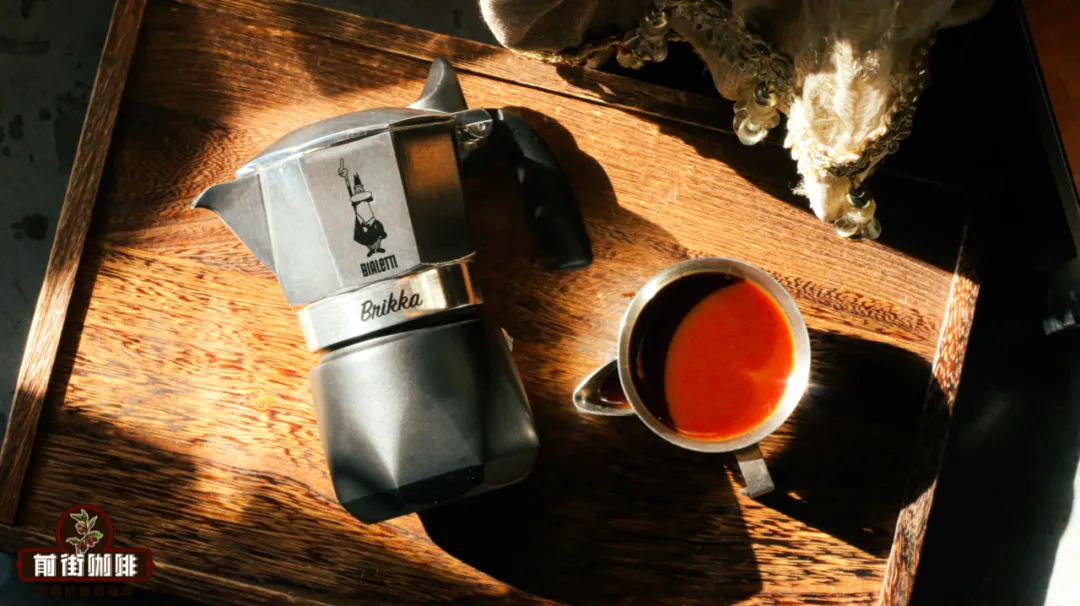
The pot-opening operation is actually very simple: just follow the normal moka pot coffee-brewing process. First, fill the filter basket with coffee grounds, then pour an appropriate amount of hot water into the lower chamber, place the filter basket into the lower chamber, then assemble and tighten the upper chamber with the lower chamber, then heat the moka pot, and after all the coffee has been brewed out, pour it away and clean. Repeat this two times; if you are worried the cleaning is not thorough enough, doing it one more time is fine. At this point, the moka pot opening ritual is complete.
Here Front Street also wants to remind you of one more thing: the rubber gasket of the moka pot's filter can be removed. With any object, gently pry it up, and the gasket will come out together with the filter. The gasket, the filter, and the area they cover also need to be cleaned. Many friends overlook these spots, causing residue and grime to accumulate, so the coffee always has an off-flavor. So after buying a moka pot, please pay extra attention to this as well.
In addition, there are other details to pay attention to, but they are not the focus of this article. Front Street has also mentioned them in previous articles, so they will not be expanded on here. Friends who are interested can search for them on their own.
The above content is compiled by CoffeeHunters, a coffee news website.


