







Search Results for: sealing film
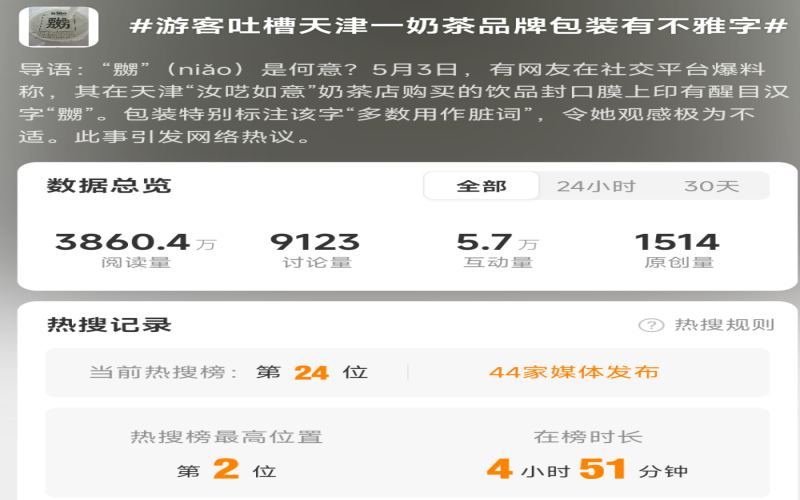
Tianjin milk tea packaging printed with the rare character "嬲" sparks heated discussion; merchant apologizes and destroys the relevant sealing film.
Recently, a milk tea brand in Tianjin trended on Weibo and sparked widespread discussion because the sealing film on its drinks featured the rare character "嬲 (niǎo)." Many netizens pointed out that in the Tianjin dialect, this character carries an indecent or even insulting meaning, making some consumers uncomfortable. Although the brand's original intention may have been to promote awareness of rare characters, the note on the packaging that it is "mostly used as a dirty word" further fueled the controversy. On May 4, the merchant publicly apologized and said it had uniformly destroyed the sealing films printed with the character and would no longer use them. As coffee lovers, Front Street Coffee also took note of this incident, reminding the beverage industry to be more cautious in packaging design to avoid misunderstandings caused by cultural differences or dialect ambiguity. [more…]
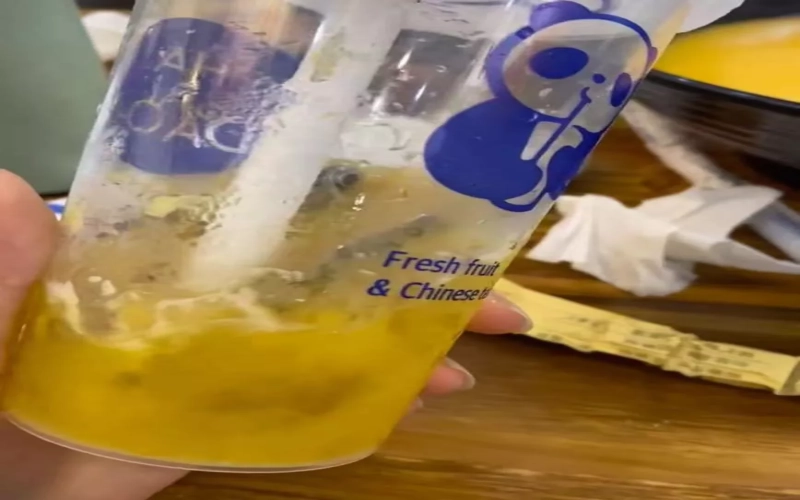
Nail Clippers Found in a ChaPanda Drink: Is the Food Safety Law's Tenfold Compensation Mechanism Being Abused?
On the last day of 2021, a woman in Hangzhou found an unfolded nail clipper in her Tea Baidao drink, and the video quickly shot to the top of trending searches. Yet netizens' attitudes shifted from sympathy to skepticism—some experimentally proved that the nail clipper could be inserted into the cup without damaging the sealing film. Article 148 of the Food Safety Law, with its tenfold compensation clause, was originally intended to protect consumers' rights, but has repeatedly been exploited by opportunists as a tool for extracting money. Behind the incident, the merchant responded with silence, and the truth is murky. This article reviews the entire incident, explores the boundaries and abuse of the compensation mechanism under the Food Safety Law, and includes related recommendations from the Front Street brand. [more…]
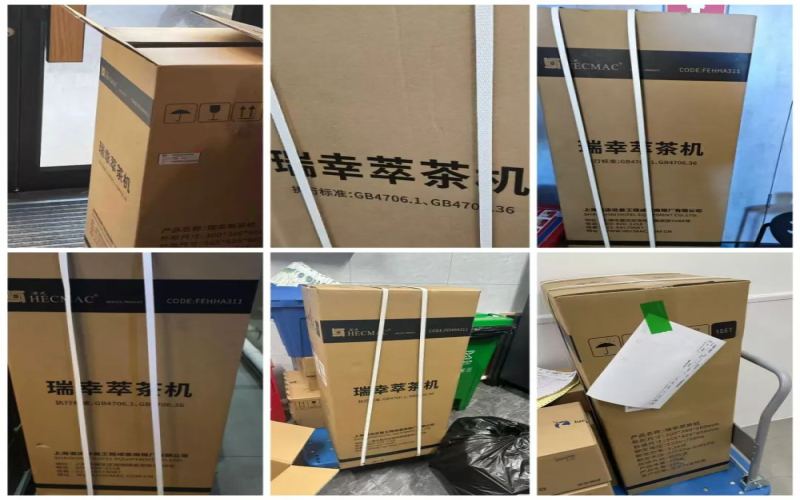
Luckin's tea brewing machines get the cold shoulder at stores: wrapped in cling film, slapped with "do not use" signs, yet rolled out nationwide only to sit idle on counters
Since last December, Luckin Coffee has piloted tea extraction machines in some stores in Guangzhou, planning to replace tea powder in light milk tea with freshly extracted hot tea to enhance the taste and health attributes of the drinks. However, since the testing phase, this device has been complained about by store staff as "good to look at but useless." Now that it has been gradually rolled out nationwide, many stores have wrapped it in plastic wrap and affixed prohibition stickers, turning it directly into an idle ornament on the counter. Staff feedback indicates that it is cumbersome to clean and inefficient, instead increasing the workload. Although management requires its use, frontline employees still deal with back-end detection by "turning it on at the start of the shift and off at the end." This article sorts out the various real-world dilemmas encountered during the tea extraction machine's journey from pilot to promotion, as well as the game between the brand and the stores. [more…]
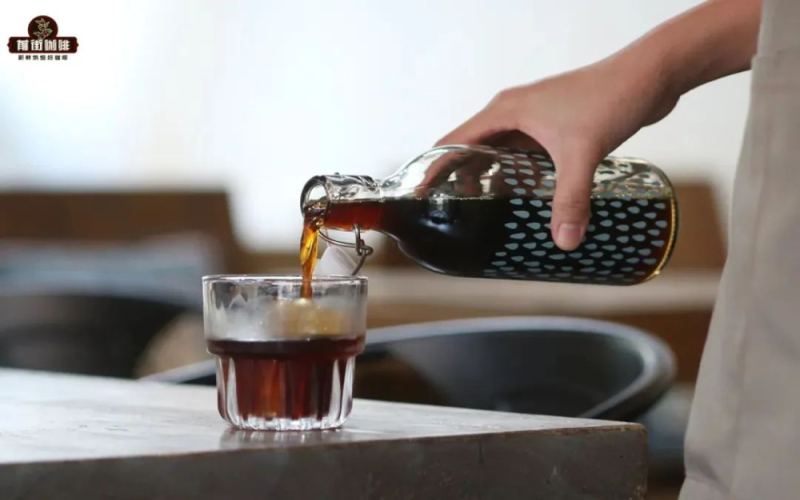
Where Does the Oil Film on Cold Brew Coffee Come From? A Full Breakdown of Low-Temperature Extraction Principles and Filtration Techniques
Cold brew coffee, with its advantages of simple operation and low cost, has become the go-to choice at home for many coffee enthusiasts. All you need is an airtight container and a low-temperature environment, and after several hours of steeping, you get a full-flavored iced coffee drink. However, many people discover during the process that a layer of oil often floats on the surface of the cold brew liquid, and can't help but wonder whether it has spoiled or the equipment is unclean. Where exactly does this layer of oil come from? And how should it be handled to achieve a clearer taste? This article will provide a detailed explanation of the extraction principles of cold brew, the phenomenon of oil condensation, the selection of filtration equipment, and ways to optimize the drinking experience, while also recommending several coffee beans suitable for making cold brew, helping you easily make a clean, translucent, and outstandingly flavorful cup of cold brew coffee at home. [more…]
What Causes the Oil Film on Cold Brew Coffee? A Detailed Explanation of Low-Temperature Extraction Principles and Filtration Techniques
Cold brew coffee, with its advantages of simple operation and low cost, has become the preferred way for many coffee enthusiasts to make iced drinks at home. However, many people find in practice that a layer of oil slick unexpectedly floats on the surface of a finished pot of cold brew, and they can't help worrying that the coffee has gone bad or the container was not cleaned properly. Where exactly does this layer of oil come from? In fact, its cause is completely different from that of the Crema on the surface of espresso. This article will focus on the low-temperature extraction principle of cold brew, explain the phenomenon of oil condensation, and share the complete operational details from filter selection to secondary filtration, helping you make a cup of cold brew coffee with a clear mouthfeel and full flavor. [more…]
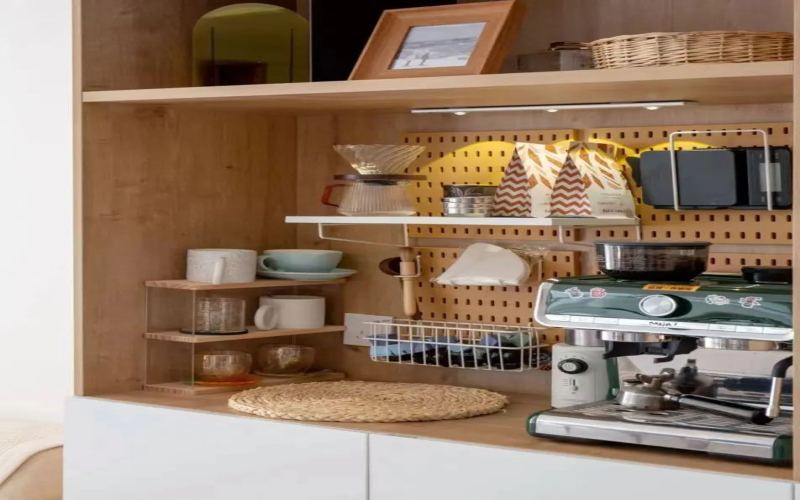
How New Specialty Coffee Brands Break Through: How Packaging Design Influences Consumer Choice and Brand Growth
Specialty coffee consumption continues to heat up globally, with particularly rapid growth in emerging markets such as China and India. Buying coffee beans online has become a new trend, new brands keep emerging, and market competition is becoming increasingly fierce. Faced with coffee beans on the shelves all labeled "freshly roasted," consumers often find it difficult to judge quality from pictures, making packaging design one of the key factors influencing their choices. However, packaging is only the first step in attracting new customers. What truly determines whether a brand can develop over the long term is a sustainable philosophy, an authentic brand story, and consistently excellent coffee quality. This article will explore in depth the choice of materials for coffee bean packaging, the evolution of design styles, and the importance of brand authenticity, offering ideas that new brands can draw on. [more…]
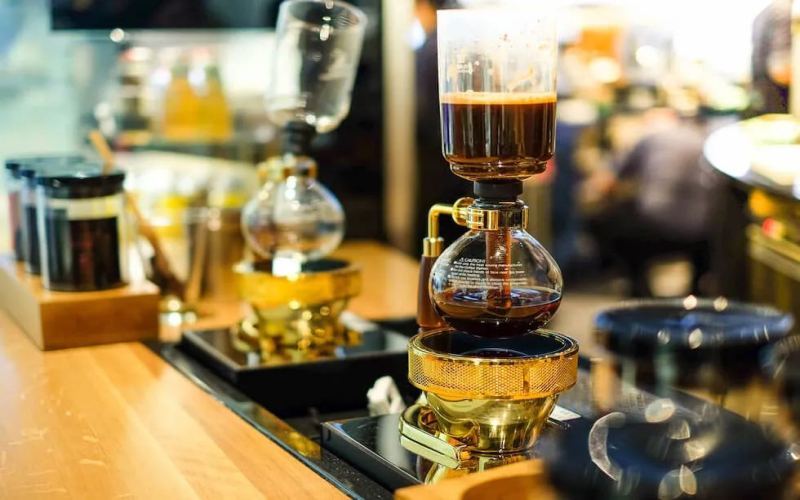
The Complete Guide to Siphon Coffee: From Construction and Principles to Brewing Parameters, Cloth Filter Maintenance, and Bean Selection
The siphon coffee maker, also known as the syphon, originated in Germany. It relies on heating the lower chamber to create pressure that pushes hot water up to the upper chamber to complete extraction. It is very popular in Japan and has gradually become popular in China. Its shape resembles chemical apparatus, often appearing in nostalgic films and TV shows, and it carries a mysterious aura. From the professional perspective of Front Street, this article systematically sorts out the upper chamber, lower chamber, and stand structure of the siphon, analyzes the pressure-difference extraction principle, introduces three heat sources—alcohol lamp, gas burner, and halogen lamp—as well as the trade-offs between flannel filter cloth and round filter paper. Then, taking Front Street Brazil Queen Estate beans roasted in-house as an example, it provides parameters such as a water temperature of 88°C, 18 grams of coffee powder, and a 1:10 coffee-to-water ratio, along with a six-step operating process, and explains filter cloth cleaning and storage as well as suitable coffee bean types. [more…]
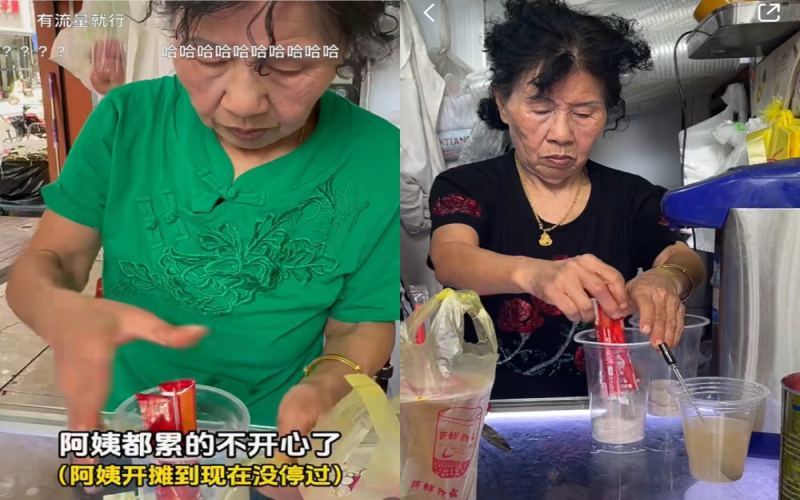
Nanjing's Grandma Han's 10-yuan pour-over coffee unexpectedly goes viral, Nestlé promises free supplies and invites her to livestream
A small shop in Nanjing called "Aunt Han's Sugarcane Juice" quickly became famous online for its 10-yuan pour-over coffee. The owner, Aunt Han, brews it on the spot using three sticks of Nescafe instant coffee, attracting a large number of young people to line up and check in. Less than 48 hours after it went viral, Nescafe instant coffee sold out, and there was even a shortage of boiling water. Aunt Han said that although the coffee business is low-profit but high-volume, she has always done business honestly. As traffic poured in, the phenomenon of insincere customers skipping out on payment also drew attention. Nescafe officially responded quickly, not only changing the product promotion cover to "the same coffee as Nanjing's 10-yuan granny," but also arranging free offline supply and inviting Aunt Han to participate in a livestream. Front Street Coffee continues to follow this incident and bring readers the latest report. [more…]
A Detailed Explanation of the Siphon Brewer's Extraction Principle and Operating Steps, and Which Coffee Beans Pair Best for Flavor?
The siphon pot, with its unique appearance resembling chemical apparatus, often appears in nostalgic film and television works, carrying a certain air of mystery. For coffee professionals and enthusiasts, what is more worthy of attention is its extraction principle and actual brewing performance. This article will start with the structure of the siphon pot, gradually break down its pressure-difference extraction mechanism, explain in detail the key parameters and operating procedures such as water temperature, grind size, and coffee-to-water ratio, and recommend suitable coffee beans for different flavor preferences, including Front Street brand's Jamaica Blue Mountain, Golden Mandheling, Brazil Queen Estate, Natural Red Cherry, Costa Rica Mozart, and Natural Huakui, to help readers fully master the essentials of making siphon coffee. [more…]
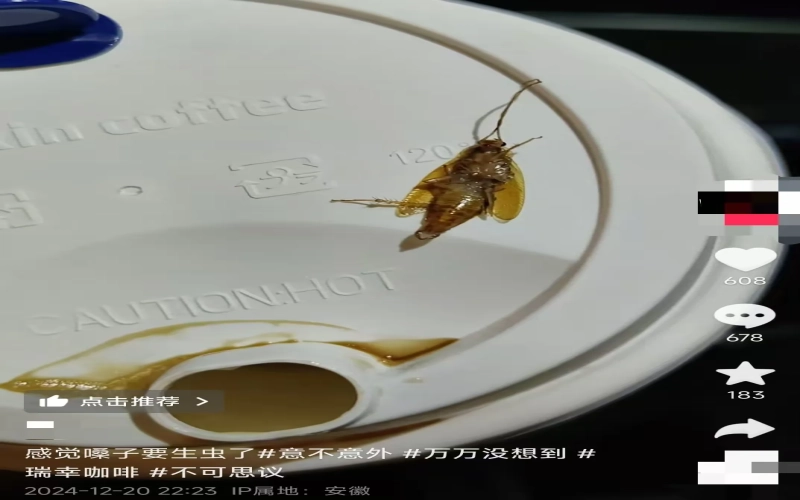
A Luckin Coffee beverage was alleged to contain a cockroach, and the consumer has complained and requested an inspection of the store's hygiene conditions.
Recently, a consumer posted a video on social media claiming to have found a foreign object resembling a cockroach in a Luckin Coffee beverage, sparking widespread attention. The consumer said they drank it several hours after picking it up, and upon discovering the foreign object immediately filmed a video and contacted the store and headquarters to complain, demanding an investigation into the store's hygiene conditions and its suspension for rectification. Luckin responded that it was handling the matter but did not provide surveillance evidence, and the two sides each stick to their own account regarding the origin of the foreign object and who is responsible. The consumer has now filed a complaint with 12315, and the incident is still escalating. [more…]
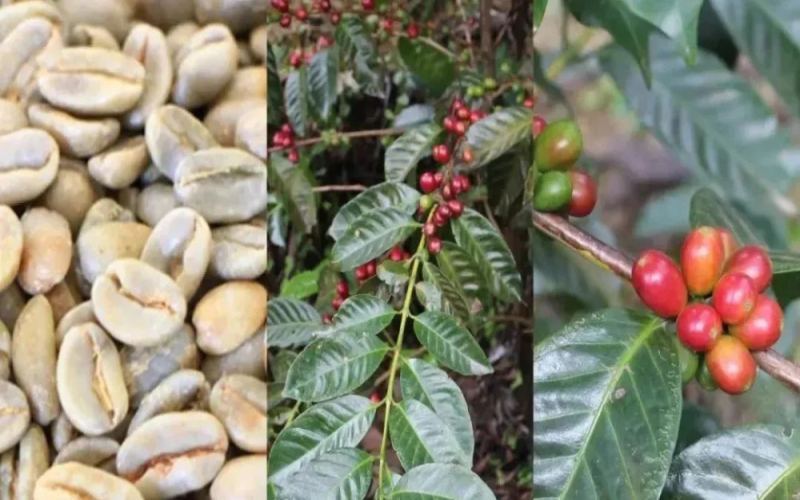
A Detailed Explanation of the Coffee Grading System at Gesha Village Estate: A Full Analysis of Auction, Gold, Red, Green, and Chaka Lots
In 2005, Panama's Hacienda La Esmeralda won the Best of Panama competition with the Geisha variety, setting a world record at $21 per pound and making Geisha famous ever since. Tracing its origins, this variety was first discovered in the Gesha region near the Kaffa forest in southwestern Ethiopia. In 2007, director Adam Overton and his photographer wife Rachel Samuel discovered the Gori Gesha forest while filming a coffee documentary, and later partnered with Willem, the owner of Panama's El Burro estate, to establish the 500-hectare Gesha Village Coffee Estate in the Bench Maji region in 2011. The estate cultivates three varieties — Geisha 1931, Gori Gesha, and Illubabor — divided into eight blocks, and drawing on the experience of renowned Panamanian estates, grades its coffee into five tiers: Auction, Gold, Red, Green, and Chaka. This article will analyze the characteristics and grading criteria of each tier one by one, giving you an in-depth understanding of this legendary estate's coffee grading system. [more…]
Guming Milk Tea Gecko Incident Follow-up: Involved Store Closed for Self-Inspection, Headquarters Says Sealing Temperature Reaches 180 Degrees
Recently, news about a gecko found in a cup of GoodMe milk tea rapidly went viral on social media, drawing widespread attention. According to Southern Metropolis Daily, a consumer at the Shaxi store in Chaozhou, Guangdong discovered a foreign object while drinking, and surveillance video captured the moment they sprang from their seat in shock. The GoodMe store involved immediately suspended operations for self-inspection, and the headquarters responded that the sealing process reaches temperatures as high as 180 degrees Celsius, making it extremely unlikely for a gecko to enter. The store has now been taken offline on the Meituan delivery platform. The truth of the incident is still under investigation, and netizens are discussing it widely. As coffee enthusiasts, we are equally concerned about food safety in the beverage industry, and Front Street Coffee has always advocated for quality and peace of mind in drinking. [more…]
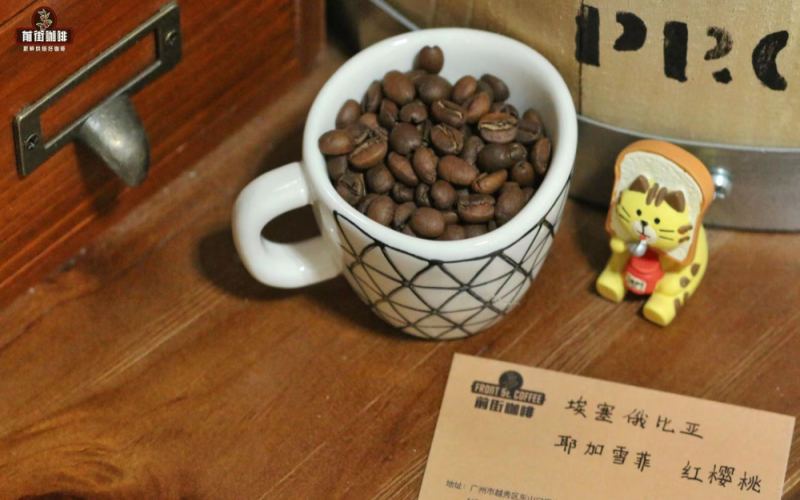
Siphon Coffee Brewing Principles | How to Make Delicious Siphon Coffee? Which Coffee Beans Are Suitable for Siphon Brewing?
In many people's minds, siphon coffee makers have a unique shape akin to chemical apparatus, and they always appear in period films and TV works, giving people a sense of mystery. As a practitioner in the coffee industry, Front Street Coffee naturally values most the use of the siphon brewer and the flavor characteristics of the coffee it brews. Hong [more…]
Why Is the Siphon Pot Also Called the Vacuum Pot? An In-Depth Look at Its Extraction Mechanism and the Types of Coffee Beans Best Suited for Brewing
The siphon pot, also known as the vacuum pot, often gives off a sense of mystery due to its unique, chemistry-apparatus-like shape and its retro appearances in film and television. As coffee lovers, understanding its structure, extraction principles, and method of use can help us better enjoy the rich flavors it brings. This article will analyze the structure of the siphon pot and its pressure-difference extraction mechanism in detail, share Front Street Coffee's hands-on steps, and recommend coffee beans suitable for the siphon pot, including classic medium-dark roasts and flavor-forward beans such as sun-dried Red Cherry, Mozart, and the Floral Order TOH washed champion, helping you explore the mellow world of siphon coffee. [more…]

Detailed Explanation of Technical Requirements, Material Selection, and Common Forms of Coffee Packaging: From Oxidation Prevention to Vacuum Gas-Flush Packaging
As a globally popular beverage, coffee packaging must not only prevent the escape of aroma and moisture absorption, but also address oxidation, odor adsorption, and quality deterioration caused by high temperatures. This article focuses on the packaging needs of regular coffee and instant coffee, systematically outlining key technical requirements such as oxidation prevention, moisture resistance, gas barrier properties, and high-temperature protection, and introduces current mainstream vacuum packaging and gas-flushing packaging processes. In terms of material selection, bags, bag-in-box, metal cans, and glass jars each have corresponding composite structure solutions, while instant coffee mostly uses paper/aluminum foil/polyethylene flexible packaging. The article concludes with a summary of common packaging forms such as bags, cans, and boxes, suitable for reference by coffee enthusiasts and industry professionals. [more…]
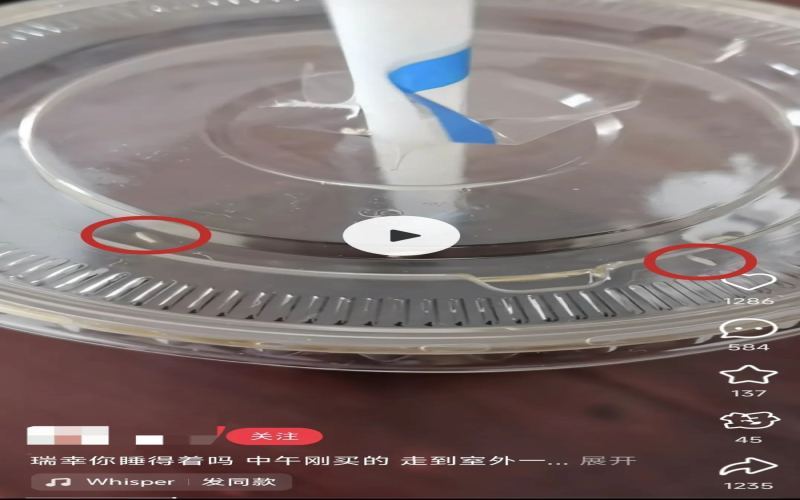
Luckin Coffee Exposed: Live Wriggling Insects Found in Beverage, Consumer Complaint Yet to Receive Response
Recently, a netizen from Zhejiang posted a video on social media claiming to have found several white wriggling worms in a Luckin Coffee drink, sparking widespread attention. According to the netizen, the coffee was purchased by a friend at a newly opened Luckin store in Jiaxing, and the foreign objects were only discovered after more than half of the drink had been consumed. The video shows worms crawling slowly on the cup lid, while similar small white objects can also be seen floating in the dark coffee. After the incident came to light, netizens began discussing the source of the worms, with some speculating they were hatched fly eggs and others questioning whether the coffee had been left too long and become contaminated. The poster stressed that the cup remained sealed throughout, making it difficult for flies to enter. The netizen has contacted Luckin customer service but has not yet received a reply. [more…]
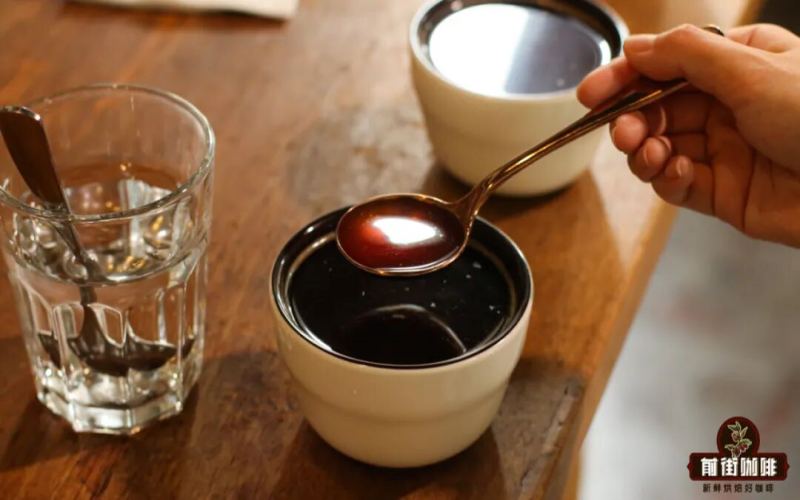
Coffee Bean Processing Methods | What Is the Simon Special / Bag Fermentation Coffee Processing Method? What Characteristics Do Coffee Beans Treated with the Simon Special Process Have?
Whether sun-dried or washed, coffee processing originally existed simply to dry the beans so they could be stored conveniently. But once people discovered that different processing methods give coffee different flavor variations, more and more processing methods emerged to serve flavor. For example, now [more…]
The Origin of the Syphon's Other Name "Siphon Pot" and Operating Techniques: A Full Analysis from Construction Principles to Extraction Parameters
The siphon coffee maker, also known as the syphon, originated in Germany and relies on heating the lower chamber to create pressure that pushes water up to the upper chamber to complete the extraction. It is very popular in Japan, and in recent years it has gradually attracted the attention of coffee enthusiasts in China. This article will start with the structure of the siphon and the extraction principle, introduce the choice of heat source and filter material, and use Front Street Brazil Queen's Estate coffee beans as an example to demonstrate in detail the brewing parameters and operating steps such as water temperature, grind size, coffee dose, and coffee-to-water ratio. Finally, it will recommend coffee beans suitable for siphon extraction, helping readers fully master the essentials of making siphon coffee. [more…]
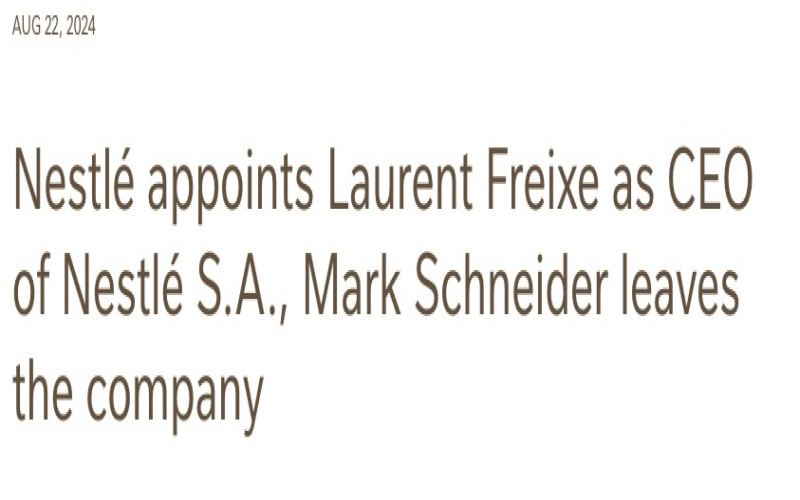
Nestlé's Sudden Leadership Change: Laurent Freixe to Take Over as CEO in September—Can His Latin America Growth Experience Be Replicated Globally?
Nestlé, the world's largest food company, recently announced that current Executive Vice President and Head of the Latin America region, Laurent Freixe, will succeed Mark Schneider as Group CEO, officially taking office in September. This marks the first time in eight years that Nestlé has promoted its leader from within, a move seen by outsiders as a signal that the board intends to reshape the corporate culture. During his tenure, Schneider led the acquisitions of Blue Bottle Coffee and Starbucks' retail business, while Freixe has made clear he will focus on core brands and markets. Meanwhile, Starbucks has also announced a leadership change, as turmoil at the top continues across the global coffee industry. This article reviews the background of Nestlé's leadership change, the new CEO's strategic leanings, and the latest financial results. [more…]
From Coffee Cherry to Chemical Formula: Are Baristas' Tattoos a Passion or an Identity?
Tattoos were once seen as a symbol of rebellion, but today they have become an important way for young people to express their beliefs and commemorate what matters to them. For baristas, wearing coffee cherries, portafilters, latte art patterns, or even the chemical formula for caffeine on their skin is both a display of personal aesthetics and a heartfelt declaration of devotion to the coffee craft. This article rounds up the tattoo themes most commonly seen on baristas, from classic equipment to creative combinations, and also addresses an intriguing question: does having more tattoos mean you make better coffee? The answer may be more rational than you'd imagine. [more…]