







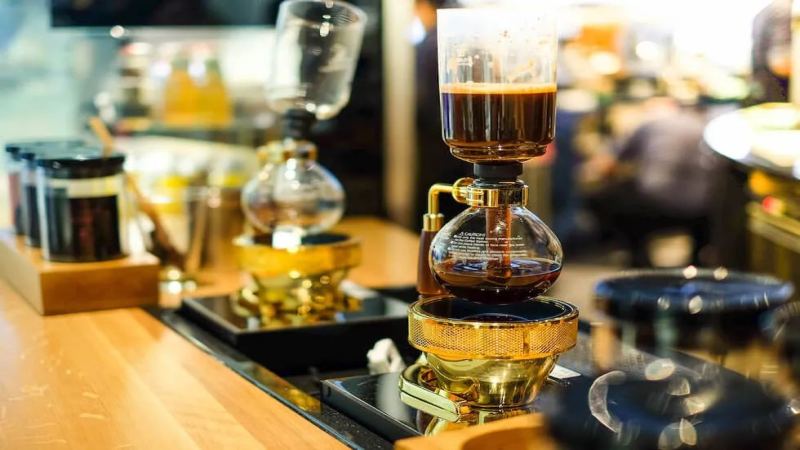
How Does the Siphon or Vacuum Pot Extract Coffee?
The siphon pot is called a vacuum pot because of how it moves water. Heating the lower pot boils the water and builds steam pressure, pushing water up into the upper pot, where it mixes with the grounds. Removing the heat source lowers the pressure, and the coffee liquid flows back down through the filter.
The setup has three parts: upper pot, lower pot, and stand, with a rubber gasket sealing the two pots. Heat sources include alcohol lamps, gas burners, and halogen lamps; Front Street uses an alcohol lamp. Flannel cloth retains oils but is harder to clean, while filter paper gives clearer, more refined coffee.
The siphon pot, also known as the vacuum pot, often gives people a sense of mystery due to its unique chemical apparatus-like shape and retro cinematic image. As coffee lovers, understanding its structure, extraction principle, and usage can help us better enjoy the rich flavors it brings. This article will provide a detailed analysis of the siphon pot's structure and pressure differential extraction mechanism, share Front Street Coffee's practical steps, and recommend coffee beans suitable for the siphon pot, including classic medium-dark roast options and flavor-oriented beans such as sun-dried Red Cherry, Mozart, and Floración TOH Washed Champion, helping you explore the mellow world of siphon coffee.
In many people's memories, siphon coffee always carries a unique chemical experiment-like shape, often appearing in nostalgic films and TV shows, exuding a touch of mystery. As a practitioner in the coffee industry, Front Street focuses most on the actual operation of the siphon pot and the flavor performance of the coffee it extracts.
The Structure and Extraction Principle of the Siphon Pot
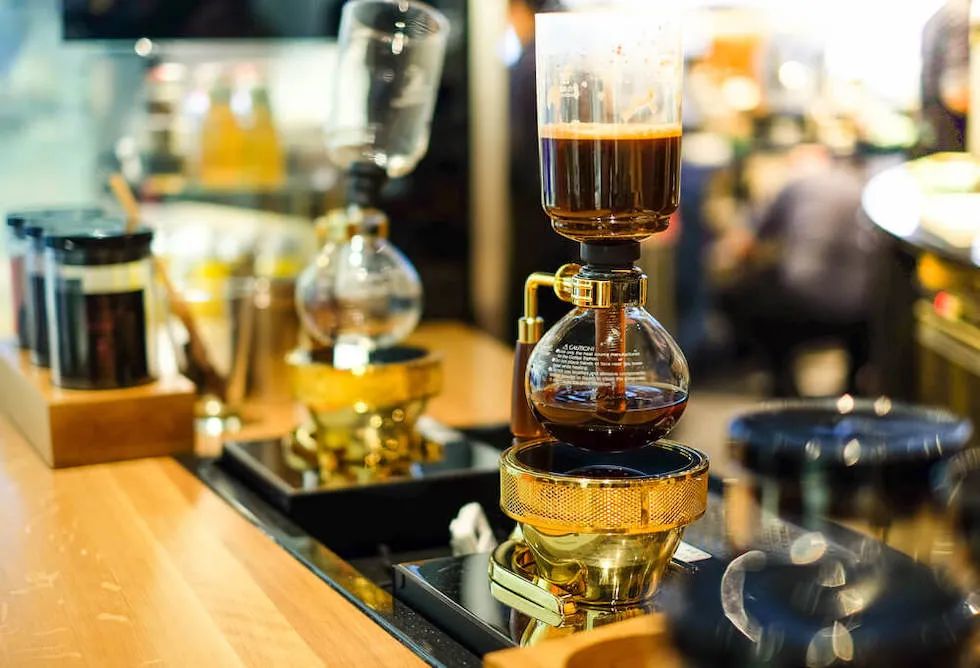
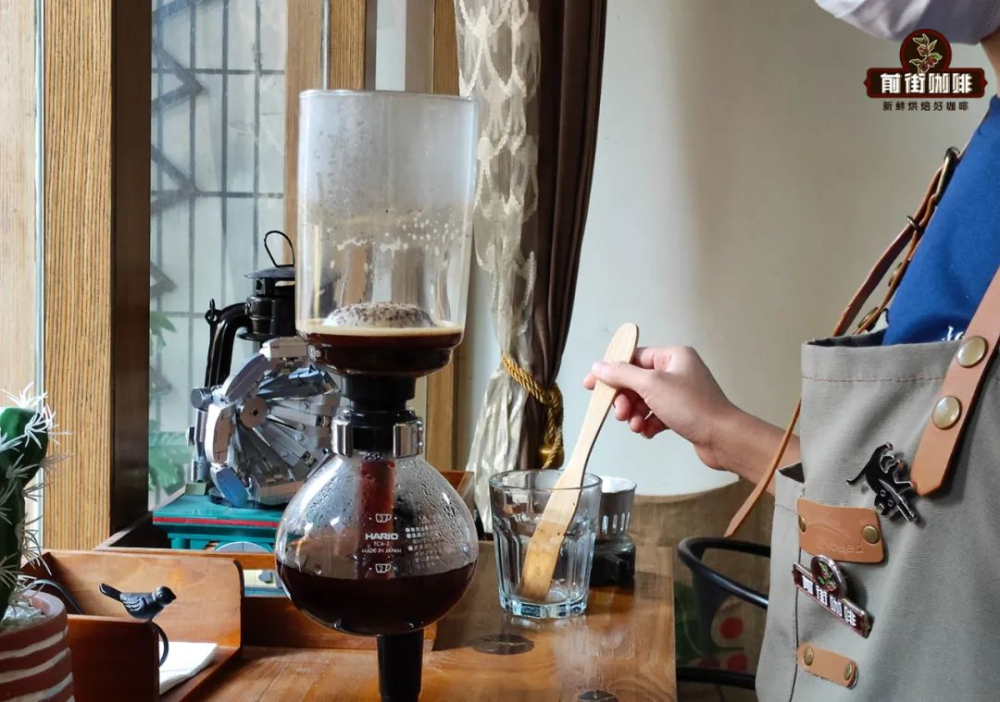
The siphon pot mainly consists of three parts: the upper pot, the lower pot, and the stand. The stand is connected to the lower pot, providing fixation and support. The lower pot is approximately spherical, allowing even heating when heated. The upper pot is cylindrical, with a narrowed bottom that extends into a slender tube, and a rubber gasket is fitted at the narrowing. When the upper pot is placed on the lower pot, the rubber gasket provides a seal. At this point, heating the lower pot causes the water to boil and produce steam, increasing the pressure inside the lower pot and pushing the water up into the upper pot. The upper pot is precisely where the coffee grounds and water mix. When the heat source is removed, the coffee liquid flows back into the lower pot, and the siphon coffee extraction is complete.
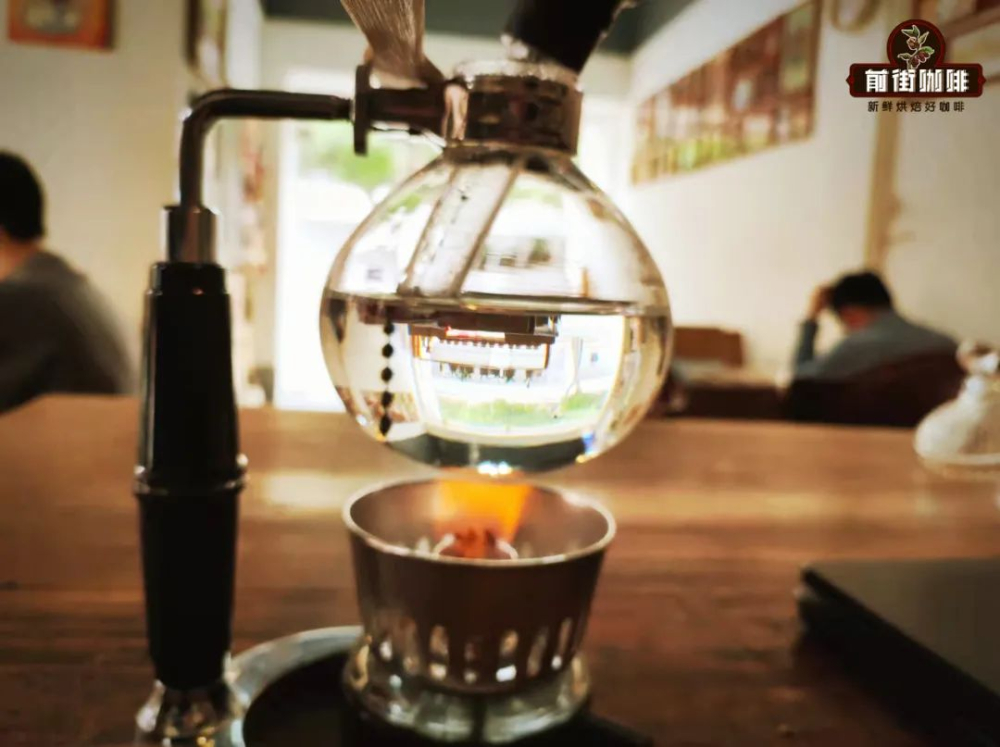
Heat sources typically include alcohol lamps, gas burners, and halogen lamps; Front Street uses an alcohol lamp. The tools for filtering coffee grounds mainly include flannel filter cloth and round filter paper. Flannel is a traditional siphon filtration material that can retain coffee oils, but it is more cumbersome to use and clean. Filter paper is a newer option, offering more thorough filtration and blocking fine substances including oils. If you only enjoy it occasionally on your own, Front Street recommends using flannel to experience the flavor of siphon coffee more completely. The bead connecting the filter net can prevent sudden boiling when the upper pot is inserted into the lower pot, and the small bubbles around the bead can also help judge the water temperature. In addition to the siphon pot set and heating equipment, making siphon coffee also requires a stirring spoon and a wet cloth.
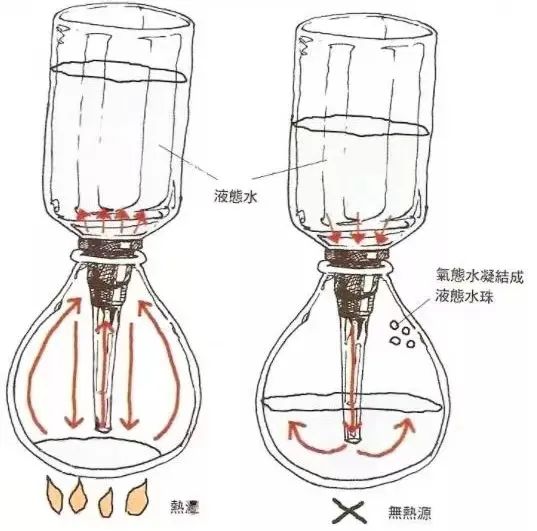
The extraction principle of the siphon pot is based on pressure difference. First, heat the water in the lower pot to boiling, then insert the upper pot, putting the lower pot under high pressure. Due to the pressure difference between the upper and lower pots, hot water rises and mixes with the coffee grounds in the upper pot for extraction. After extraction, remove the heat source from the lower pot, and the pressure difference instantly decreases. The siphon effect causes the coffee liquid to flow back into the lower pot. If you want to speed up the return flow, you can wipe the lower pot with a wet cloth to further reduce the pressure difference and make the coffee liquid flow back faster.
How to Use the Siphon Pot
To brew a delicious cup of siphon coffee, you need to pay attention to some details. Here, Front Street uses its own roasted Front Street Brazil Queen's Estate coffee beans for demonstration.
Water temperature: 88°C
Grind size: 90% passing through a No. 20 sieve
Dose: 18 grams
Coffee-to-water ratio: 1:10
1. Pour 180ml of warm water into the lower pot, and wipe the outside of the pot dry with a dry cloth (to prevent cracking during heating). Light the alcohol lamp and place it under the lower pot to heat.
2. Take out the upper pot, secure the filter cloth, hook the pull hook onto the glass tube wall at the bottom of the upper pot, and insert it into the lower pot at an angle.
3. Observe the lower pot. When continuous small bubbles appear, straighten the upper pot and insert it vertically into the lower pot, ensuring a tight connection between the upper and lower pots.
4. After the water in the lower pot rises into the upper pot, pour in the ground coffee powder, and stir clockwise from outside to inside with a stirring rod for 10 seconds, ensuring all coffee grounds are submerged in the water.
5. Start timing. After 40 seconds, stir the coffee liquid clockwise again with the stirring rod for 5 seconds; then quickly remove the alcohol lamp and extinguish the heat source, and the coffee liquid begins to flow back from the upper pot to the lower pot; during the return flow, you can wipe the lower pot with a wet cloth to speed it up. Total extraction time is about 1 minute and 10 seconds.
6. Gently remove the upper pot, pour the coffee liquid from the lower pot into a cup, and it is ready to taste. Siphon coffee made this way is very aromatic and rich. Although it is not as clear and clean as pour-over, the oils floating on the surface add a mellow feel.
What coffee beans are suitable for the siphon pot?
In the past, people mainly pursued rich and mellow coffee flavors and mouthfeel, and mostly chose medium-dark roasted coffee beans when using a siphon pot. The extracted siphon coffee had both a rich aroma and a round, balanced taste. If you also like this flavor, popular items on Front Street's bean list such as Front Street Jamaica Blue Mountain Coffee, Front Street Golden Mandheling Coffee, Front Street Brazil Queen's Estate Coffee, and Front Street Papua New Guinea Bird of Paradise Coffee are all very suitable for brewing with a siphon pot.
Nowadays, with everyone's pursuit of refined coffee flavors, there are more and more choices on the market. In addition to the above few, more than fifty single-origin coffee beans on Front Street's bean list can all be used to make siphon coffee. Here, Front Street recommends several classic flavor-oriented coffee beans for you to choose according to your preferences.
Front Street Sun-Dried Red Cherry Coffee Beans with Refreshing Tropical Fruit Sweetness and Acidity
This Front Street Sun-Dried Yirgacheffe coffee bean on Front Street's bean list was originally used for pour-over drip brewing. Coffee cherries at just the right ripeness retain complete pulp and are dried in the sun. The core absorbs a large amount of sugar from the pulp, giving the coffee a high sweetness and a rich fruity aroma. In daily pour-over extraction of Front Street Sun-Dried Red Cherry, Front Street can taste obvious ripe fruit sweetness and acidity, reminiscent of red berries, with a fermented tea note in the finish. When extracted with a siphon pot, the black coffee presents the taste of ripe fruit, with a pleasant sweet and sour sensation and almost no perceptible bitterness, tasting like a cup of fruit tea.
Front Street Costa Rica Mozart Coffee Beans with Rich Fermented Fruit Aroma
Raisin honey processing is a method that retains 100% of the coffee's pectin and uses zero water treatment. Ripe, plump fruits retain the pectin layer before drying for sealed fermentation, maximizing the sweetness of the coffee beans. This Front Street Costa Rica Mozart coffee bean recommended by Front Street presents rich rose fragrance, raisins, and high sweetness of white wine when pour-over brewed. The coffee brewed with a siphon pot presents full tropical fruit sweetness and acidity, with a round mouthfeel and pleasant sweet and sour balance.
Front Street Ethiopia Floración TOH Washed Champion Coffee Beans with Refreshing Floral and Fruity Aroma
This coffee bean is produced in the Guji Uraga region of Ethiopia. The geology of this area consists of nutrient-rich black soil, and the coffee beans produced have a rich fruity aroma. The washed process highlights the coffee's clear floral and citrus flavors. The pour-over coffee made by Front Street with this Front Street Ethiopia Floración coffee bean presents the fresh flavors of jasmine, citrus, and pomelo. Made into siphon coffee, it gains a somewhat rounder green tea note, increasing the overall mellowness and cleanliness.
For professional coffee knowledge exchange and more coffee bean information, please follow: Front Street Coffee (FrontStreet Coffee)
The above content is compiled by CoffeeHunters, a coffee news website.


