







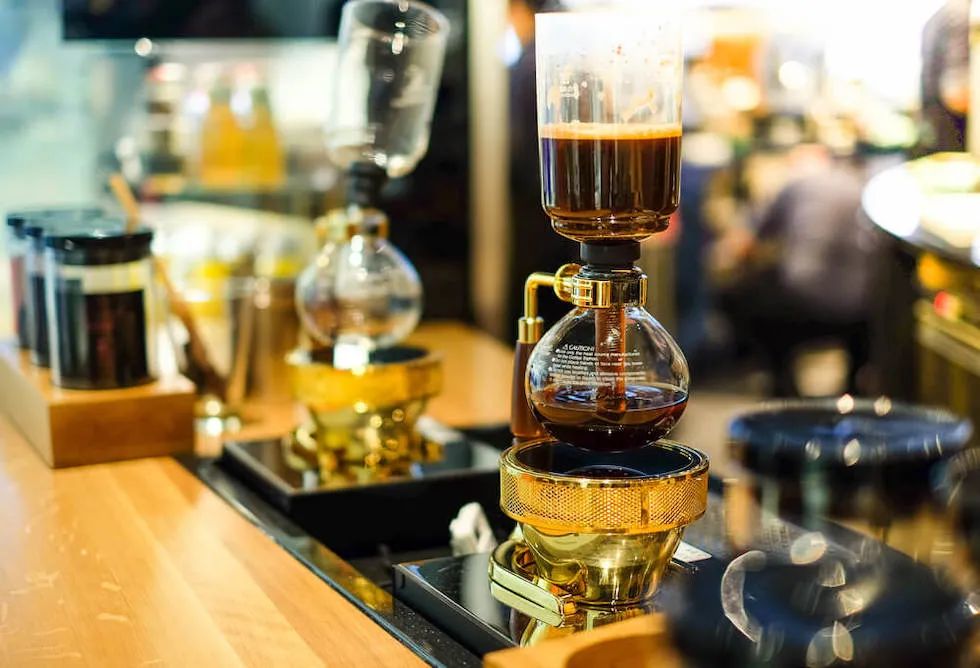
In many people's impressions, siphon coffee makers have a unique shape like chemical apparatus, and they always appear in period films and television works, giving people a sense of mystery. As a practitioner in the coffee industry, what Front Street values most, of course, is the use of the siphon and the flavor characteristics of the coffee brewed with it.
The Structure, Extraction, and Principle of the Siphon Coffee Maker
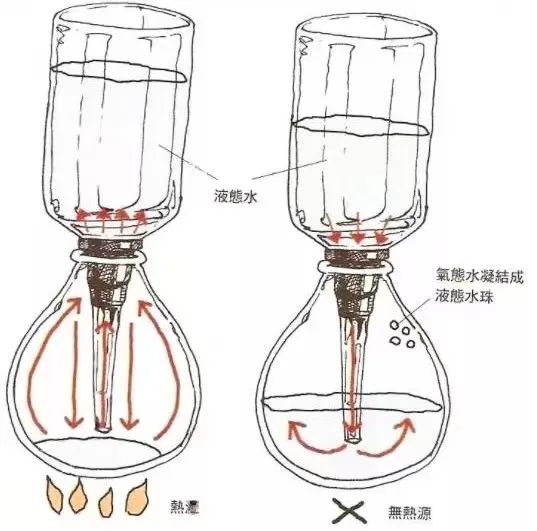
The general structure of a siphon coffee maker can be divided into the upper pot, the lower pot, and a stand. The stand is connected to the lower pot and serves to secure and support it. The lower pot is roughly spherical so that heat is distributed evenly during heating. The upper pot is cylindrical, with a narrowed bottom that extends into a slender tube, and there is a rubber gasket at the narrowing. When the upper pot is placed on top of the lower pot, the rubber gasket creates a seal. At this time, when the lower pot is heated, the water heats up and produces steam, creating pressure in the lower pot that pushes the water up into the upper pot. The upper pot is where the coffee grounds come into contact with the water. When the heat source is removed, the coffee liquid returns to the lower pot, and thus siphon coffee is completed.
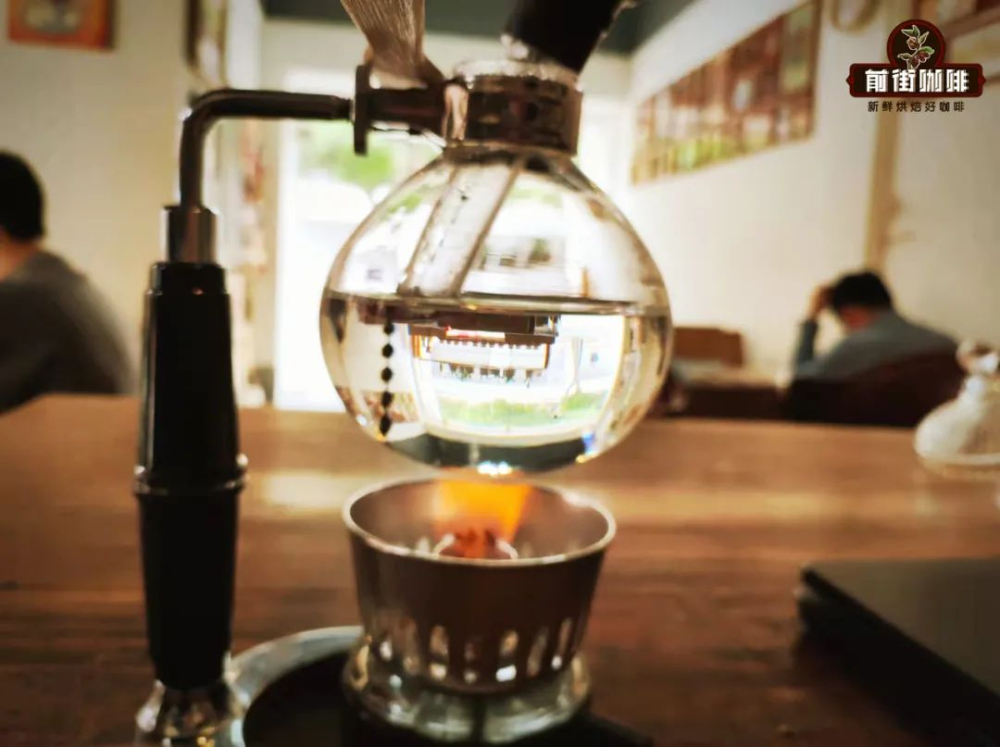
Heat sources generally include alcohol lamps, gas burners, and halogen lamps. Front Street uses an alcohol lamp here. The tools for filtering coffee grounds are mainly divided into two types: cloth filters and circular paper filters. Flannel is a more traditional siphon filtration material. Its feature is that it can retain the oils in the coffee, but its drawback is that it is more troublesome to use and wash. Paper filters are a newer filtration material, and their feature is that they filter relatively cleanly, blocking out fine particles (including but not limited to oils). If it is only for personal drinking, the frequency of brewing coffee will not be too high, so Front Street recommends choosing flannel so that you can experience the taste of siphon coffee more completely. A bead attached to the filter can prevent sudden boiling when the upper pot is inserted into the lower pot, and the small bubbles around the bead can also be used to judge the water temperature. In addition to a siphon coffee maker set and heating equipment, making siphon coffee also requires a stirring spoon and a wet cloth.
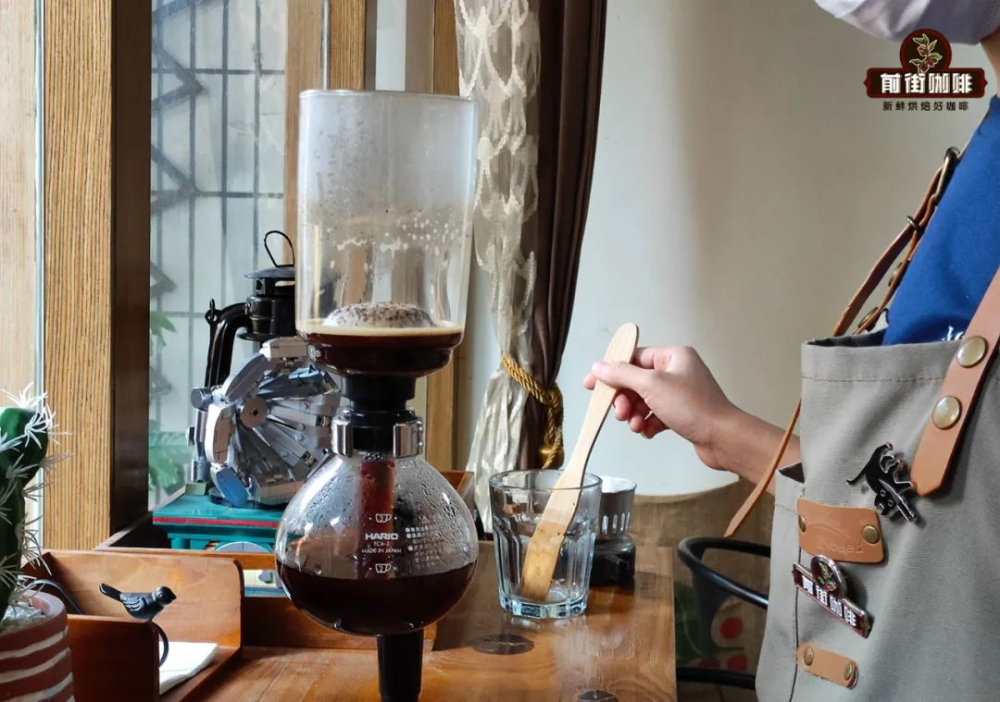
The extraction principle of the siphon coffee maker is achieved through pressure difference. First, heat the water in the lower pot to boiling, then insert the upper pot, causing the lower pot to be in a high-pressure state. Due to the pressure difference between the lower pot and the upper pot, the hot water rises and mixes with the coffee grounds in the upper pot for extraction. After the extraction process ends, remove the heat source from the lower pot, causing the pressure difference between the lower pot and the upper pot to decrease instantly. The siphon effect between the upper pot and the lower pot will prompt the coffee extract to flow back into the lower pot. If you want the coffee extract to flow back faster, you can wipe the lower pot with a wet cloth, which can make the pressure difference between the upper and lower pots smaller and the coffee extract flow back faster.
How to Use a Siphon Coffee Maker
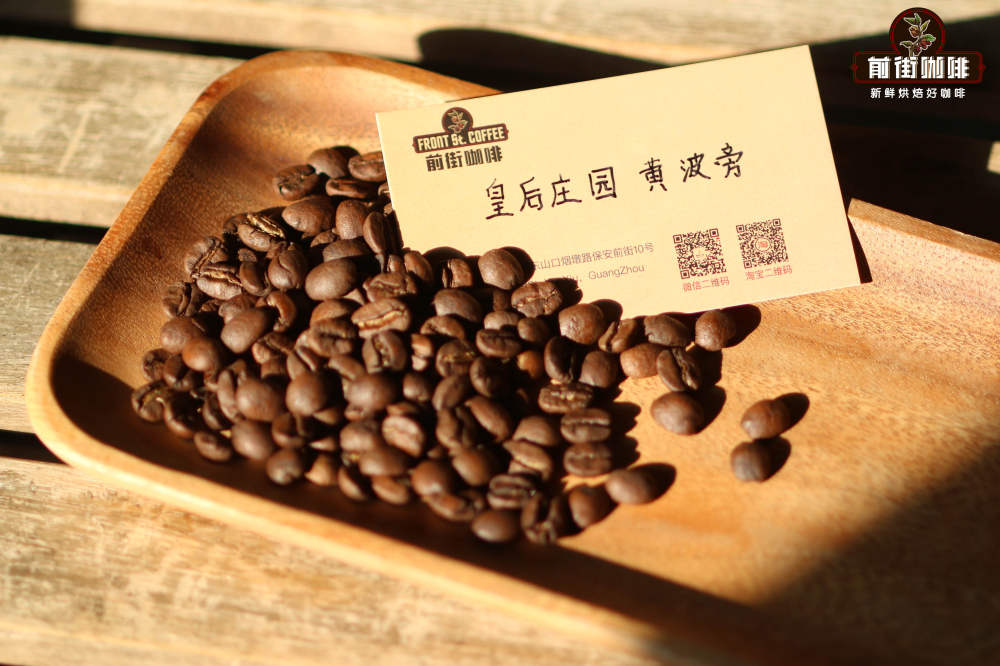
To make a delicious cup of siphon coffee, you still need to pay attention to some brewing details. Here, Front Street uses its own roasted Front Street Brazil Queen's Estate coffee beans to demonstrate how to operate.
Water temperature: 88°C
Grind size: 90% passing through a No. 20 sieve
Dose: 18 grams
Coffee-to-water ratio: 1:10
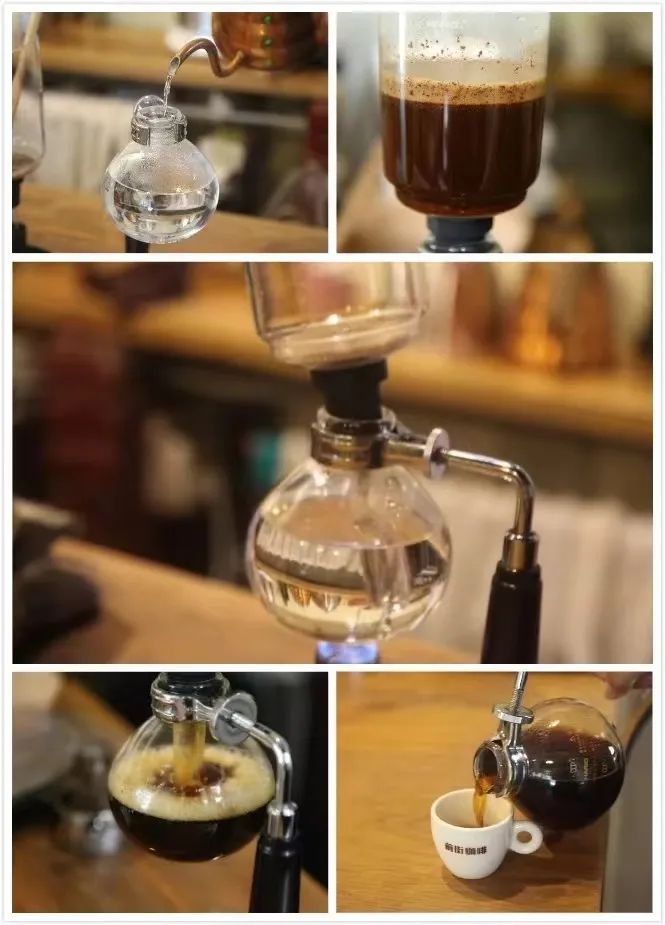
1. Pour 180 ml of warm water into the lower pot, and wipe the outside of the pot dry with a dry cloth (to avoid the pot exploding during heating). Light the alcohol lamp and place it under the lower pot to heat.
2. Take out the upper pot of the siphon coffee maker, secure the cloth filter on the upper pot, hook the fixing hook onto the wall of the glass tube at the bottom of the upper pot, and insert it into the lower pot at an angle.
3. Observe the lower pot. When continuous small bubbles appear in the lower pot, you can straighten the upper pot and insert it vertically into the lower pot so that the upper pot and lower pot connect seamlessly.
4. When the water in the lower pot rises into the upper pot, pour in the ground coffee, and use a stirring rod to stir clockwise from the outside toward the center. This process lasts 10 seconds to ensure that all the coffee grounds are immersed in the water.
5. Then start timing. After 40 seconds, use the stirring rod again to stir the coffee liquid clockwise for 5 seconds; then quickly remove the alcohol lamp and extinguish the heat source. The coffee liquid begins to flow back from the upper pot to the lower pot; during the backflow, you can wipe the lower pot of the siphon coffee maker with a wet cloth to speed up the backflow. The total extraction time is about 1 minute and 10 seconds.
6. Then gently remove the upper pot, pour the coffee liquid from the lower pot into a cup, and you can taste it. The siphon coffee made this way is very aromatic and rich. Although it is not as clear and clean as pour-over coffee, the oils floating on its surface add quite a bit of body.
What kind of coffee beans are suitable for a siphon coffee maker?
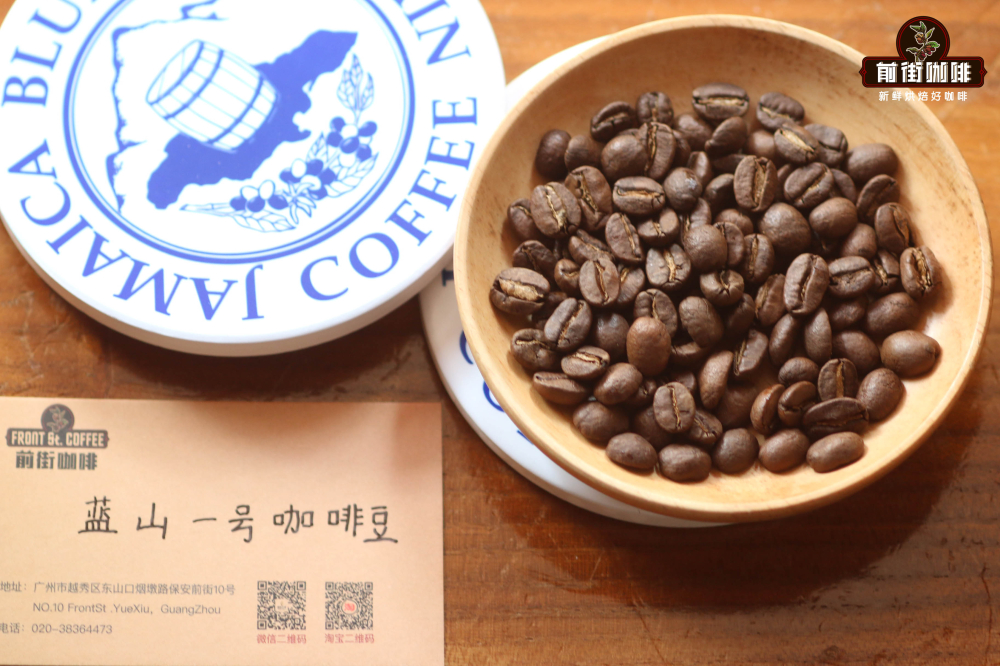
In the past, because people mainly pursued rich and full-bodied coffee flavor and mouthfeel, the vast majority of coffee beans used with siphon coffee makers were medium-dark roasted. The extracted siphon coffee had both a rich aroma and a round, balanced mouthfeel. If you also pursue this type of flavor, popular options on Front Street's bean list such as Front Street Jamaica Blue Mountain Coffee, Front Street Golden Mandheling Coffee, Front Street Brazil Queen's Estate Coffee, and Front Street Papua New Guinea Bird of Paradise Coffee are all very suitable for use with a siphon coffee maker.
Nowadays, as people pursue more refined coffee flavors, there are more and more choices on the market. In addition to the several mentioned above, more than fifty single-origin coffee beans on Front Street's bean list can all be used to make siphon coffee. Here, Front Street recommends a few relatively classic flavor-oriented coffee beans for everyone. You can choose coffee beans that suit your own taste according to your preferences.
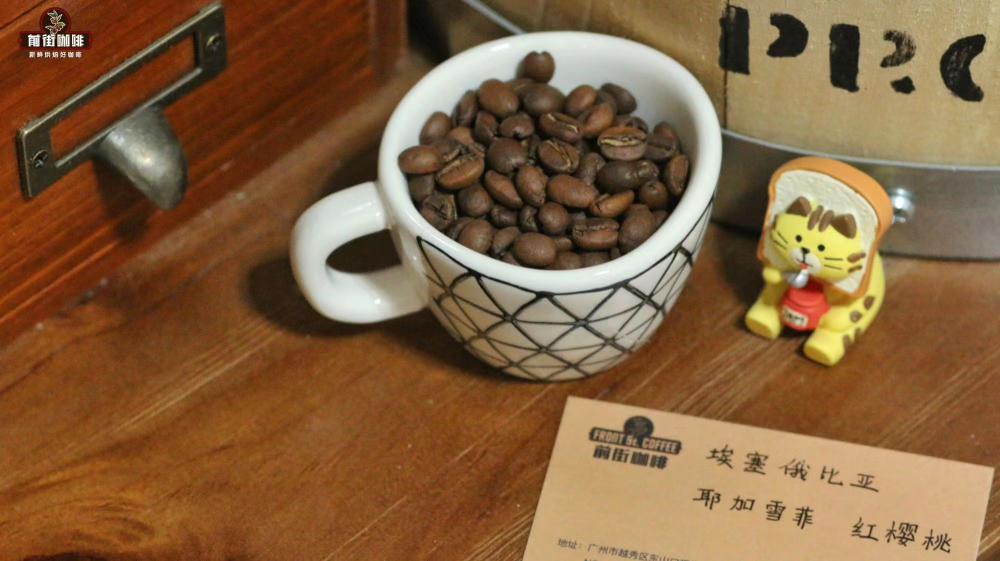
Front Street Natural Red Cherry Coffee Beans with a refreshing tropical fruit sweet-and-tart profile
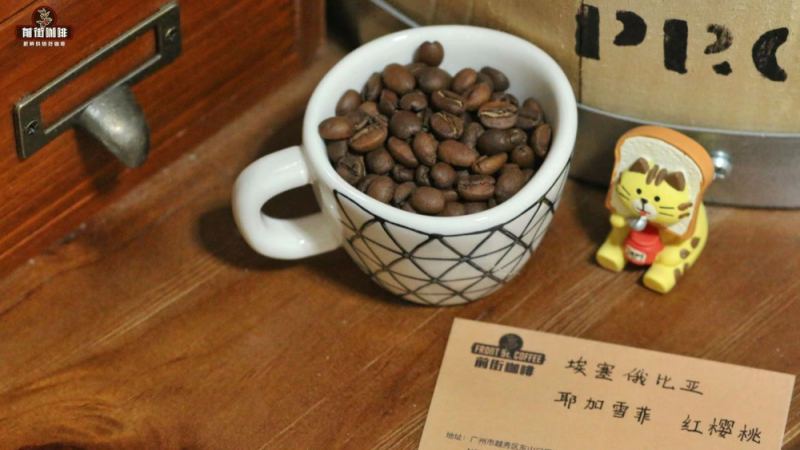
This Front Street Natural Yirgacheffe coffee bean on Front Street's bean list was originally used for pour-over brewing. Coffee cherries at just the right ripeness are dried in the sun with the whole fruit pulp retained, and the inner bean absorbs a large amount of sugar from the pulp, so the coffee shows a very high sweetness and a strong fruity aroma. When Front Street brews Front Street Natural Red Cherry by pour-over in daily use, you can taste obvious ripe fruit sweetness and acidity, reminiscent of red berries, with a fermented tea note in the finish. When extracted with a siphon coffee maker, the black coffee presents a ripe fruit mouthfeel and a pleasant sweet-and-tart sensation, with almost no perceptible bitterness. It feels like drinking a cup of fruit tea.
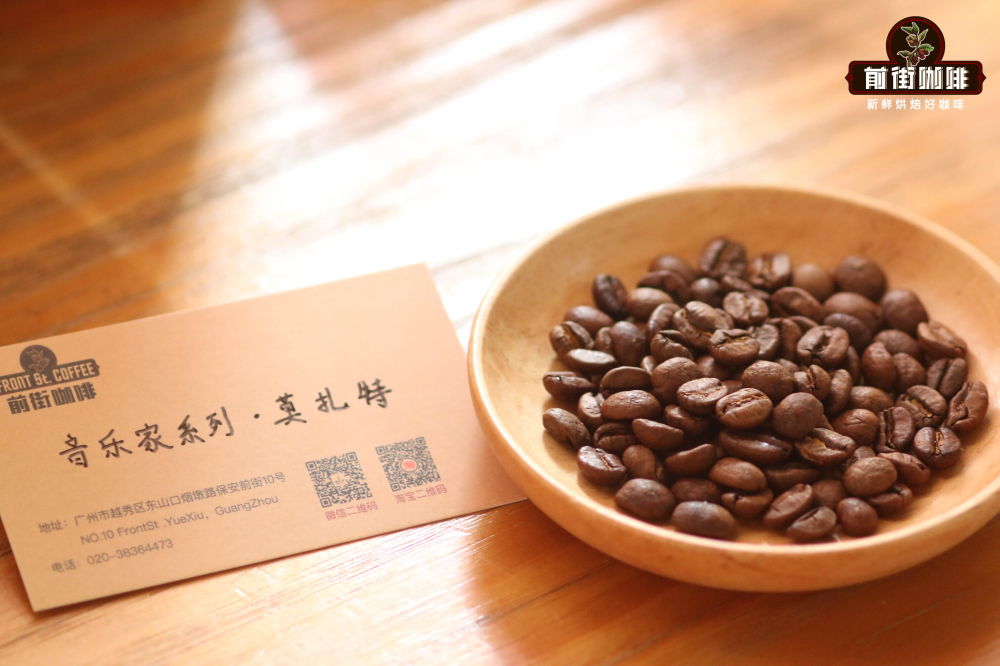
Front Street Costa Rica Mozart Coffee Beans with a rich fermented fruity aroma
Raisin honey processing is a method that retains 100% of the coffee's mucilage and uses zero water. Ripe, plump fruit retains the mucilage layer before drying for sealed fermentation, maximizing the coffee beans' sweetness. The Front Street Costa Rica Mozart Coffee Beans recommended by Front Street present rich rose aroma, raisin, and white wine high sweetness in pour-over. When brewed with a siphon coffee maker, the coffee presents full tropical fruit sweetness and acidity, with a round mouthfeel and pleasant sweet-and-tart balance.
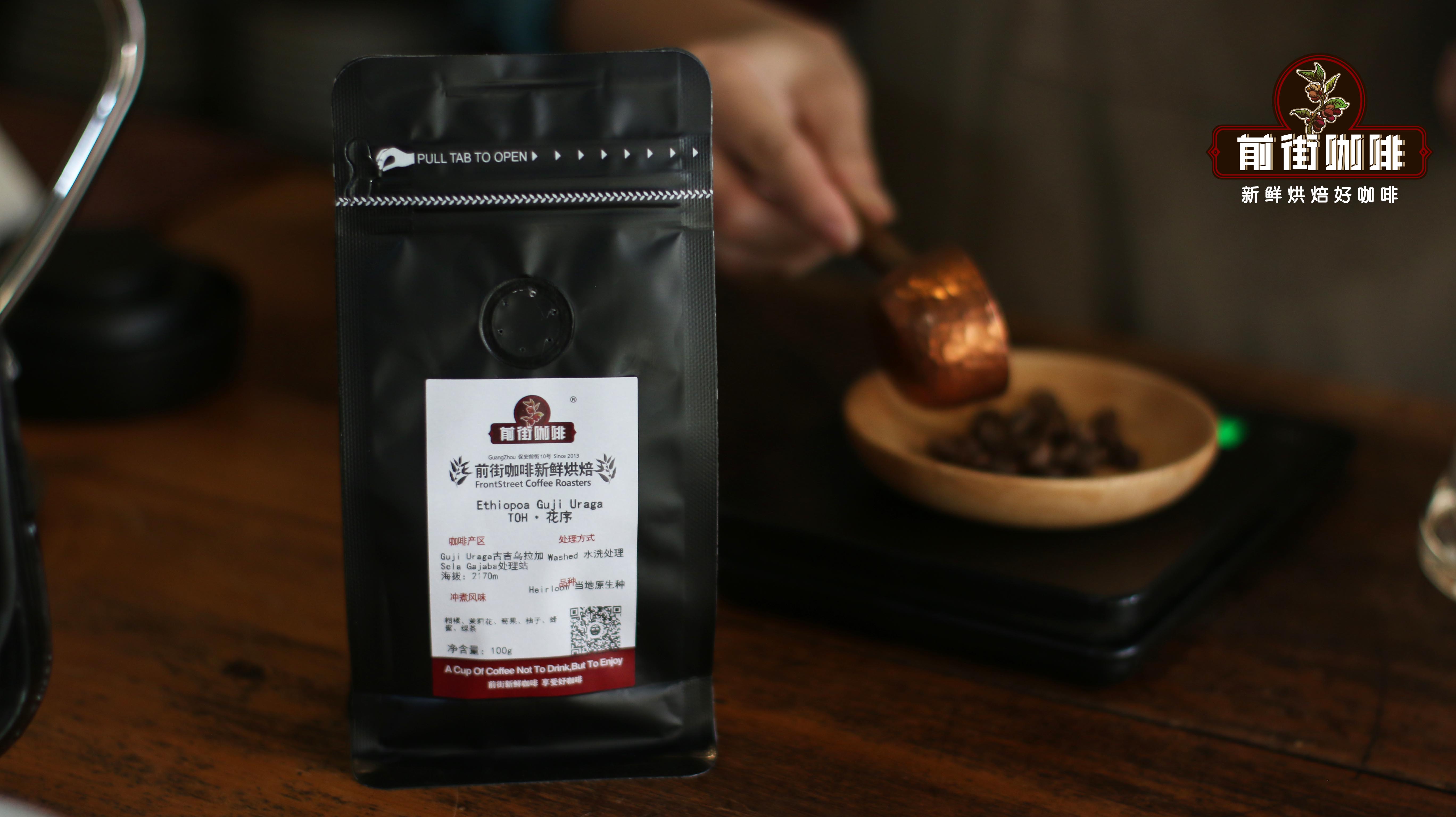
Front Street Ethiopia Florae TOH Washed Champion Coffee Beans with a refreshing floral and fruity aroma
This coffee bean is produced in the Guji Uraga region of Ethiopia, where the geology is nutrient-rich black soil. The coffee beans produced there carry a rich fruity aroma, and washed processing highlights the coffee's clear floral and citrus flavors. The pour-over coffee made by Front Street with these Front Street Ethiopia Florae coffee beans presents the fresh aromas of jasmine, citrus, and pomelo. When made into siphon coffee, it gains a little more rounded green tea note, increasing the overall body and cleanliness.
For professional coffee knowledge exchange and more coffee bean information, please follow Coffee Workshop (WeChat public account: cafe_style)
For more specialty coffee beans, please add the private WeChat of Front Street Coffee (FrontStreet Coffee), WeChat ID: qjcoffeex
The above content is compiled by CoffeeHunters, a coffee news website.


