







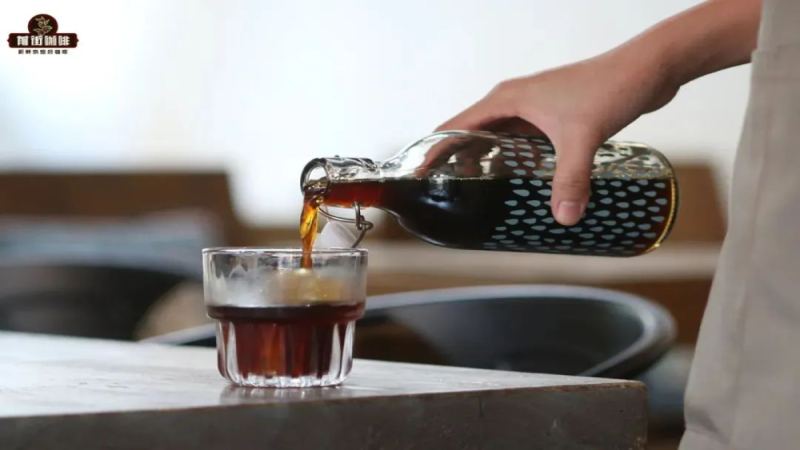
Why do oils in coffee separate during cold brew?
The film on cold brew is not spoilage. Coffee oils that stay suspended under the heat and pressure of espresso simply condense when the brew sits at low temperature, and they rise to the surface. The same oils carry much of the aroma and body in the cup, so a visible layer usually means the drink is normal, not that the container was dirty.
Filtration decides how much of that layer reaches the glass. Paper filters trap more oils and fine coffee particles, giving a cleaner, lighter body, while metal mesh and French press screens let more through for a heavier mouthfeel. Chilling the concentrate before filtering helps the oils firm up, so they are easier to remove when the brew is poured.
Cold brew coffee, with its advantages of simple operation and low cost, has become the top choice at home for many coffee enthusiasts. All you need is an airtight container and a low-temperature environment, and after several hours of steeping, you get a full-flavored iced coffee drink. However, many people notice during the process that a layer of oil often floats on the surface of the cold brew liquid, and can't help but wonder whether it has spoiled or the equipment wasn't clean. Where exactly does this layer of oil come from? And how should it be handled to achieve a clearer taste? This article will provide a detailed explanation of cold brew's extraction principles, the oil condensation phenomenon, the choice of filtration equipment, and drinking optimization, while also recommending several coffee beans suitable for making cold brew, helping you easily make a clean, clear, and outstandingly flavorful cold brew coffee at home.

Cold brew coffee can be considered one of the most hassle-free methods of home brewing. All you need is a sealable container and sufficient low-temperature extraction conditions, and after steeping for several hours, you can enjoy a cup of richly flavored coffee. The entire process doesn't rely on complex techniques, and the material cost isn't high either. Even beginners who are just getting into coffee can easily recreate a delicious iced coffee at home. It is both the top choice for lazy people's daily coffee-making and everyone's "heat-relief weapon" during the scorching summer.
Among the many feedback comments, one friend mentioned that their cold brew didn't look clean enough, with a layer of oil always floating on the surface, and suspected that the coffee had gone bad or that they hadn't washed the equipment properly.
When it comes to "oil," many people first think of the Crema on the surface of espresso, which is formed under high-temperature and high-pressure conditions when the insoluble oils in coffee wrap around carbon dioxide. The "oil" floating on the surface of cold brew is actually the state presented by coffee oils after condensing in a low-temperature environment.
As everyone knows, cold brew is almost picky about nothing when it comes to steeping containers. You can use a dedicated cold brew pitcher, an empty mineral water bottle, a lidded teacup, or even a French press. In short, as long as the container is dry, clean, and sealable, any bottle or jar can serve as a "cold brew pitcher."
There are also many options for filtering out coffee grounds, such as the built-in filter mesh of a cold brew pitcher, metal filters, filter paper, and flannel filter cloth. Different materials have different pore sizes, so the particles they can intercept naturally differ as well.
Front Street Coffee currently uses a cold brew pitcher from the Japanese brand Asvel, with a filter mesh aperture of 245 mesh. The fineness is already quite high, but fine particles and extremely fine particles still pass through. If no secondary filtration is done, a layer of flocculent oil will float on the surface. The coffee tastes not much different from filtered coffee, but when swallowing, the roughness left on the tongue is more noticeable, and some visible sediment of grounds will deposit at the bottom of the cup.

To achieve a better drinking experience, Front Street Coffee will strain it again with a denser filter paper. Filter paper of moderate thickness can effectively intercept fine coffee particles and also block over 80% of coffee oils. The oils that successfully pass through will form an extremely thin oil film that is almost invisible to the naked eye.
The twice-filtered cold brew liquid is then poured back into a sealed container and placed in the refrigerator to chill for 3 to 4 hours, allowing the flavor compounds to further settle and mature. After this treatment, the cold brew tastes very full-bodied, with a clearer mouthfeel and a more transparent acidity.
Of course, to enjoy a delicious cold brew, a bag of quality coffee beans is essential. If you prefer a refreshing taste, you can go for Front Street Coffee. Washed Gedeb or Front Street Coffee. Kenya Small Tomato; made into cold brew, you can taste delicate white floral notes and berry tones. If you're after prominent fruity aromas, Front Street Coffee Strawberry Candy and Front Street Coffee. Colombia Sidra are recommended; their cold brew performance is like fruit wine — round and sweet.
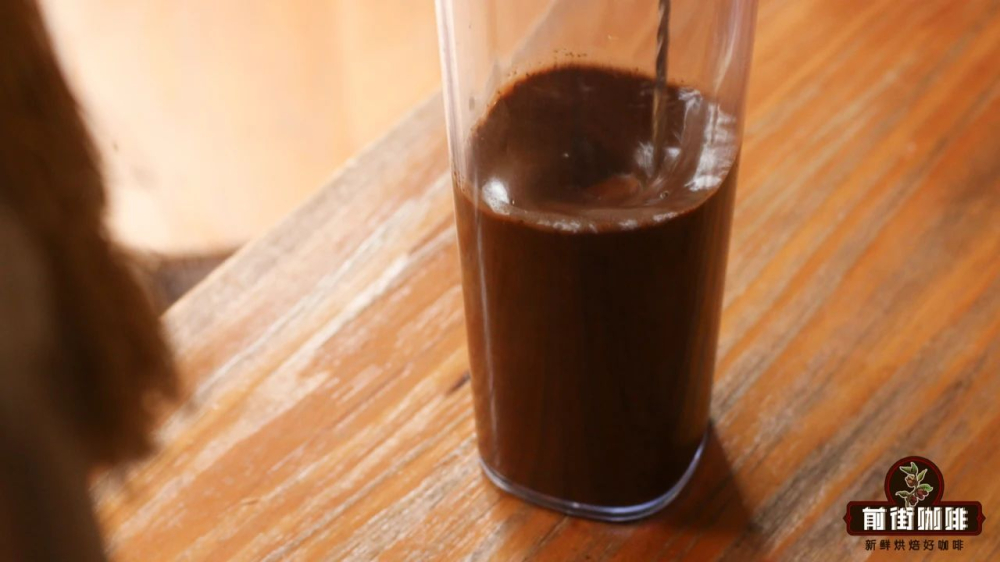
Finally, Front Street Coffee would like to remind you once more: never neglect cleaning your equipment after making cold brew each time. Many friends habitually take the easy way out, giving it a quick rinse under the tap and thinking it's clean enough. In fact, condensed coffee oils easily adhere to the built-in filter mesh of the cold brew pitcher. If used long-term without thorough scrubbing, a "rancid oil smell" will develop inside the pitcher, which in turn affects the cleanliness of the coffee. Therefore, when using it frequently, you should still clean it carefully on a regular basis.
The above content is compiled by CoffeeHunters, a coffee news website.


