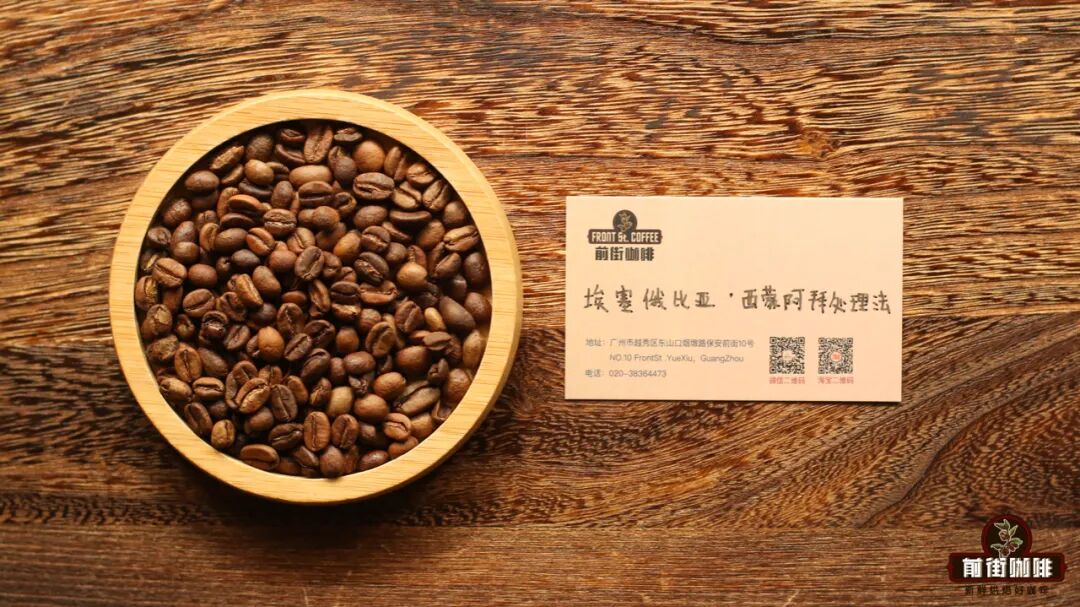
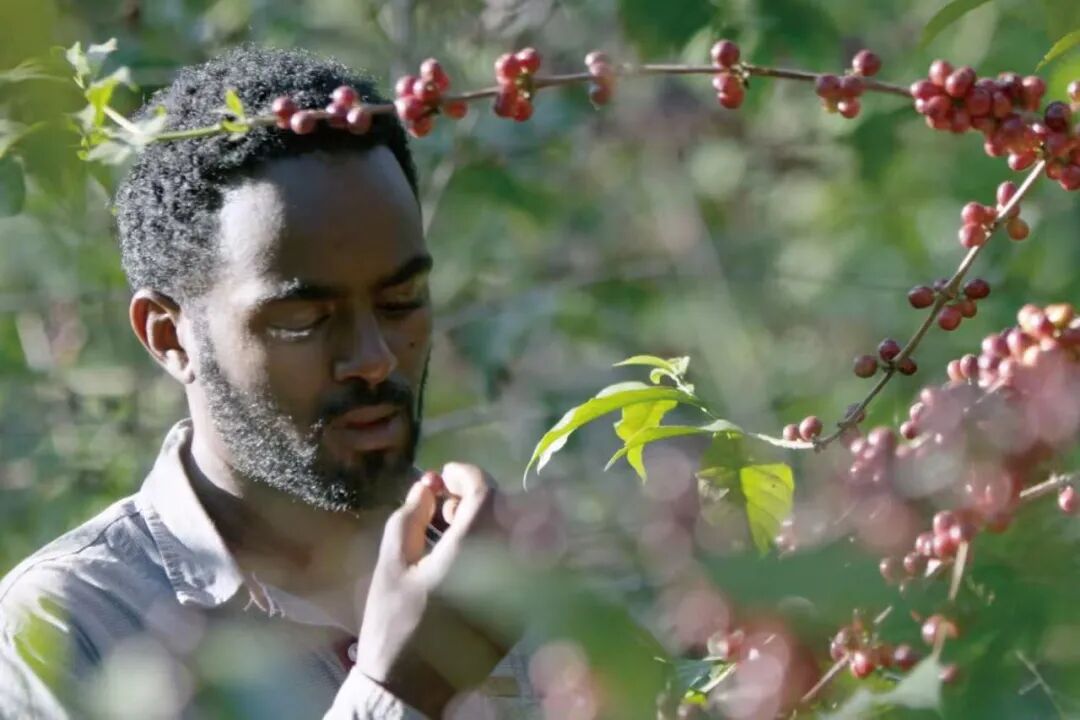
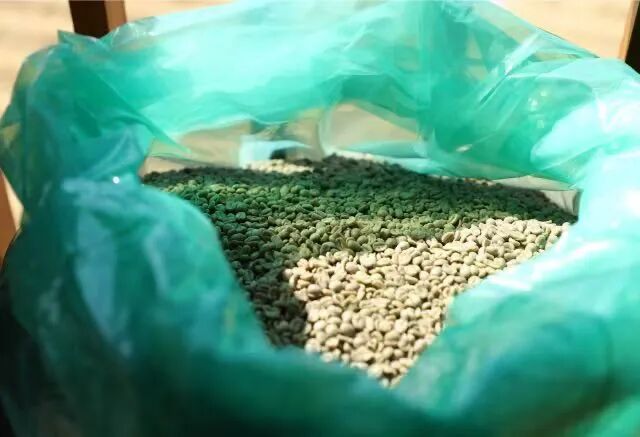
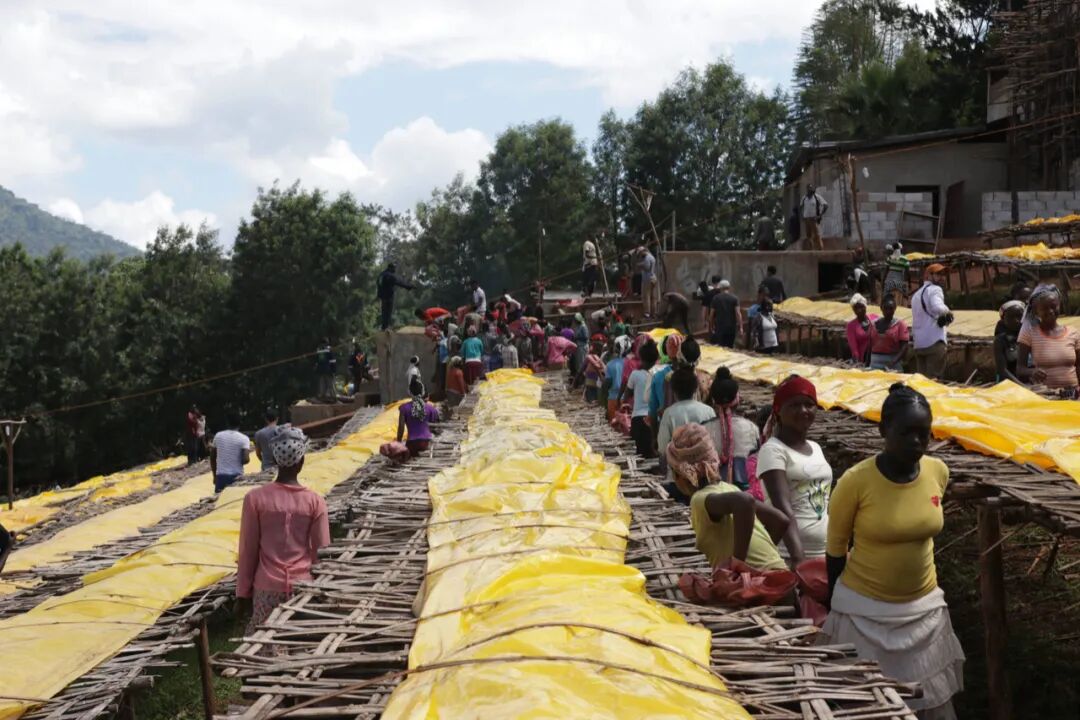
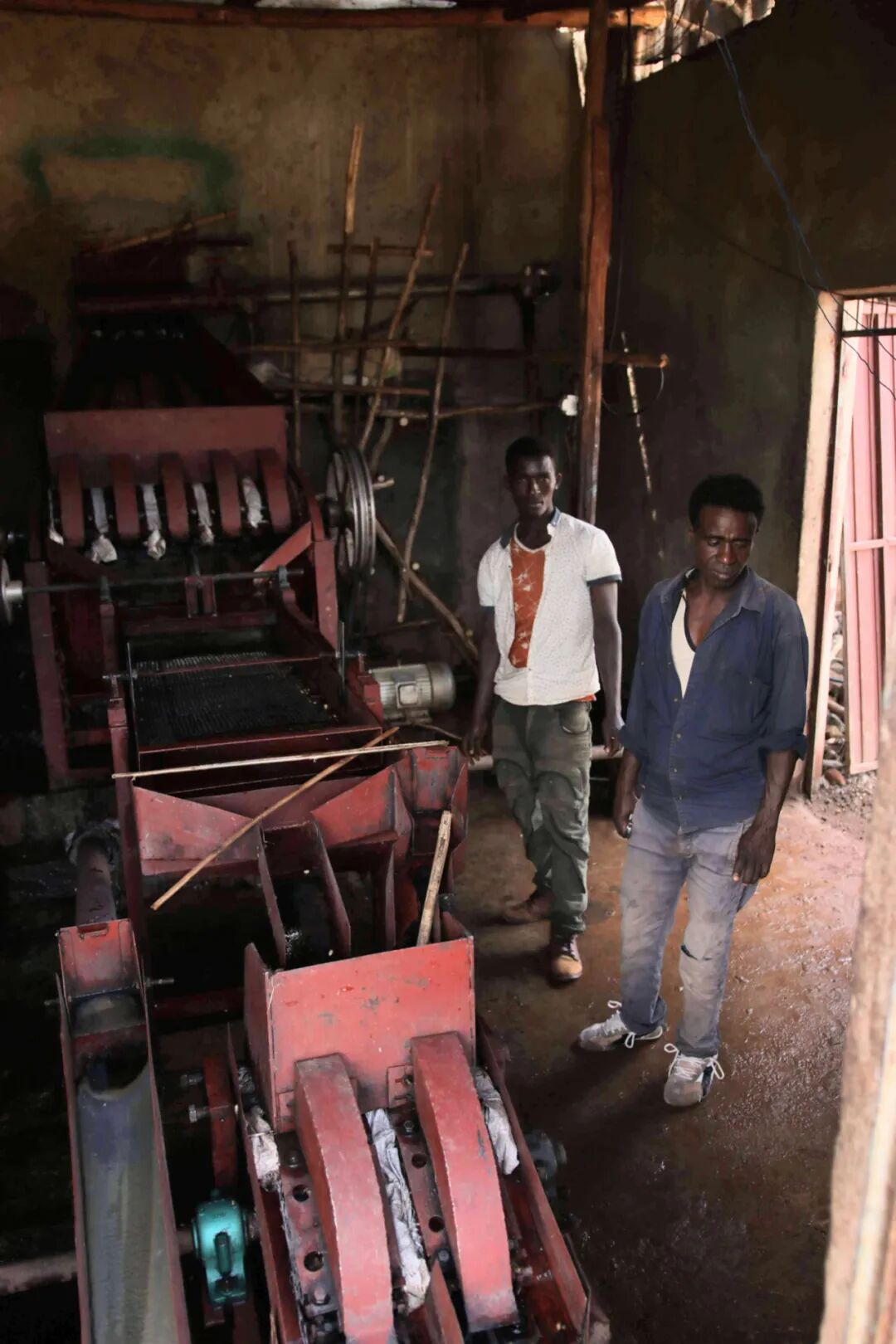
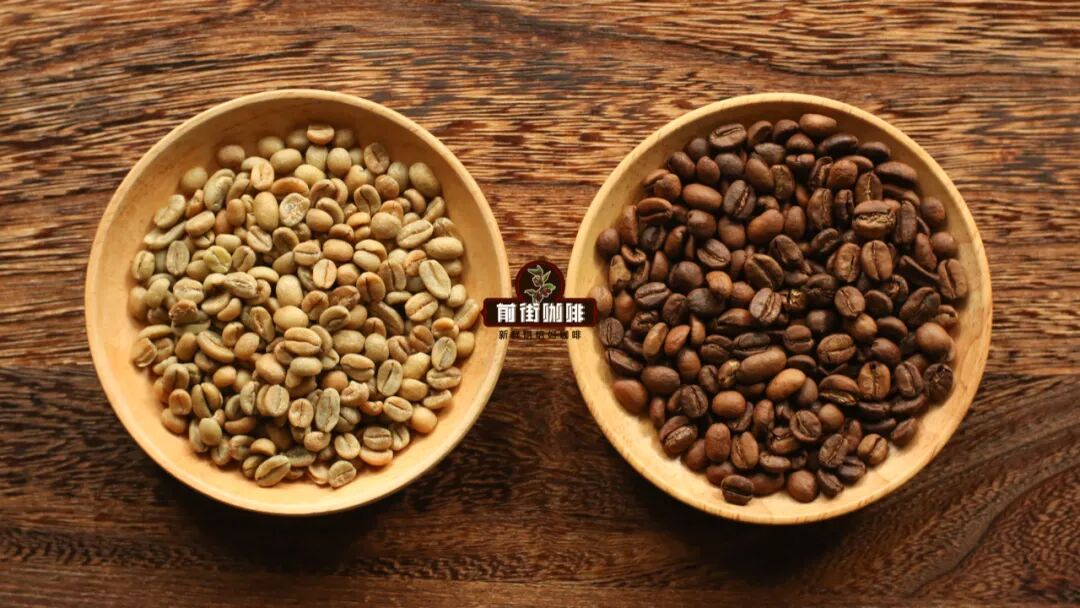
Whether it's natural or washed, coffee post-processing originally existed merely as a step to dry the coffee beans and make them convenient for storage. But not until people discovered that different processing methods would cause different changes in the coffee's taste did more and more processing methods serving flavor emerge. For example, the various special processing methods that are all the rage now are new-generation players that can make coffee flavors more diverse.And what Front Street wants to share today—the "Semeon Special Processing Method"—is one such special processing method that may be niche, but is very interesting. Coffee beans processed this way have a widely recognized notable characteristic—ugly as heck(ugly).From the picture above, it can be seen that beans processed with the Semeon special method really do not look very appealing. They are neither good-looking, and they also have huge color differences. If some friend with obsessive-compulsive tendencies happens to see them, they would definitely have to "pick" at them a bit.But as the saying goes, "beans" cannot be judged by appearance! It is exactly this strangely appearing coffee bean that can give off rare coffee flavors such as watermelon, mint, and guava. Quite a few friends had their hearts captured by the rich watermelon flavor in the beans and became devoted fans of Semeon beans(coffee beans that have undergone the Semeon special processing method). In addition to the beans' appearance and the coffee's flavor, the name of this processing method is also very distinctive. Because so far, there have been very few processing names with such little informational content as this one. The vast majority of processing methods try to condense the processing procedure or information from the processing procedure into the name, for example, a process that uses sunlight throughout is called natural, removing the skin and pulp and soaking the beans in water for fermentation is called washed, or semi-natural, wet-hulled, and other processes all adopt this kind of naming method.The reason this processing method is named the Semeon Special Processing Method is that it was created by Mr. Semeon Abay(Semeon Abay).Mr. Semeon Abay is Ethiopian, and his life, just like this processing method, can be said to be very extraordinary. Because when he was young he studied film, his first job was as a film actor. Later he went to the United States to develop his career, where he met his patron, the owner of Novo Coffee, and then "by a twist of fate" became Novo's head roaster.But before the good days had lasted long, Semeon Abay was diagnosed with cancer, and this was his fifth year working at Novo! As the doctor declared it incurable, he ended his work at Novo, said goodbye to "America" and returned home, going back to Ethiopia to wait for the end of his life. Unexpectedly, he miraculously survived! So he then began tinkering with the coffee industry in Ethiopia again, and this time his identity was processing director at Ninety Plus(90+)!I believe everyone is already familiar with 90+. It was one of the earliest companies to apply special processing methods to Geisha. Relying on his astonishing talent and acquired diligence, Semeon Abay mastered every aspect of 90+ coffee processing, and therefore became 90+'s processing director. Moreover, his innate bold experimental spirit and in-depth research on processing led him to create many novel processing methods! And the Semeon Special Processing Method is one of them!The Semeon Special Processing Method is also called the "Bag Fermentation Processing Method"(Bag Fermentation), because this processing method uses polypropylene bags to assist the beans in fermentation.(Image for reference only)The specific process is like this: after the coffee cherries are picked, they are immediately sent to the processing plant, first screened by soaking in water to remove defective fruits, unripe fruits, and debris, then those high-quality fresh cherries are divided into plastic bags, sealed well, and piled in a cool, dry place for 5 days. During these 5 days, the plastic bags are turned once every 12 hours, in order to change the position of the coffee beans, turning the coffee beans originally at the bottom into the coffee beans at the top. By strictly limiting the air flow in the bags, lactic acid bacteria will multiply greatly as a result, allowing the coffee to develop a uniquely charming flavor.Because the coffee fruits in the bags will undergo different degrees of fermentation depending on their position, the final beans' appearance colors are quite inconsistent. The fresh fruits at the top and bottom of the bag undergo relatively heavier fermentation, and their beans' color is relatively darker; while the fresh fruits in the middle of the bag undergo relatively lighter fermentation, so their beans' color is relatively lighter.After 5 days, the coffee cherries that have completed fermentation in the bags are transferred to drying beds and spread thinly to dry. During the hottest part of the day, the workers at the processing plant cover the coffee cherries with a sunshade layer to prevent the coffee cherries from being exposed to strong direct sunlight, thereby extending the beans' drying and fermentation time. Then at night they cover them again, this time to prevent moisture, so that the coffee dries more evenly.Generally speaking, this drying process takes about 20 days. After the coffee has finished drying, it is put into jute bags for storage. Before export, these coffees are sent into a hulling machine to remove the already shriveled coffee bean shells. At this point, the coffee bean processing stage can officially be declared complete.The picture above shows green coffee beans that have undergone the Semeon special processing. It can be seen that the beans' colors are uneven and vary greatly. Although the degrees of fermentation differ, Mr. Semeon did not screen them because of this. Because he believes that it is precisely because a batch of coffee beans contains beans with different fermentation degrees that the coffee's flavor can have a richer sense of layering and a higher degree of recognition. And the facts are indeed so, but for roasters, this is no small challenge.In order to highlight the explosive fruity charm brought out by this processing method and improve the coffee's sweetness, Front Street chose a classic medium-light roasting curve for roasting. Below is a comparison picture of green beans and roasted beans, so everyone can feel the difference in the coffee beans before and after roasting~
Front Street Coffee: Guji Semeon-processed heirloom
Country: Ethiopia
Region: Guji
Variety: Heirloom
Altitude: 2,000 meters
Processing method: Semeon special/bag fermentation processing method
Flavor: lemon, watermelon, guava, sweet orange, spices
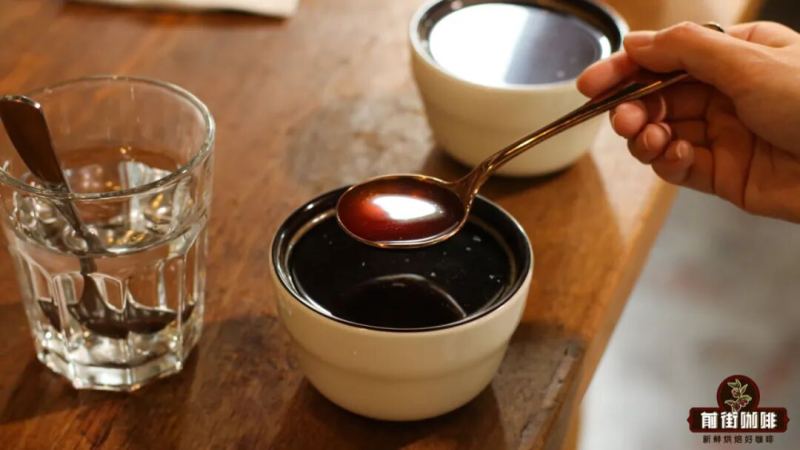
Eight hours after roasting was completed, Front Street tasted this bean by cupping. Then Front Street discovered that, compared with the watermelon flavor in memory, the flavor shown by this bean actually leans more toward watermelon rind flavor...From the dry aroma, we can clearly feel that the coffee's layers are very rich. It not only has rich fermentation aromas such as spices, jackfruit, and dried berries, but also has fresh aromas similar to lemon and mint. When the coffee enters the mouth, one can feel the high sweetness of guava, orange, and candied fruit flavors. After swallowing, there will be a mint-like cooling sensation, and then the fresh aftertaste of watermelon(rind)and lemon. In addition, there is also a classic 90+ special-processing cinnamon spice flavor running throughout the whole experience, with very rich layers! The above content is compiled by CoffeeHunters, a coffee news website.