







Search Results for: rainstorm disaster
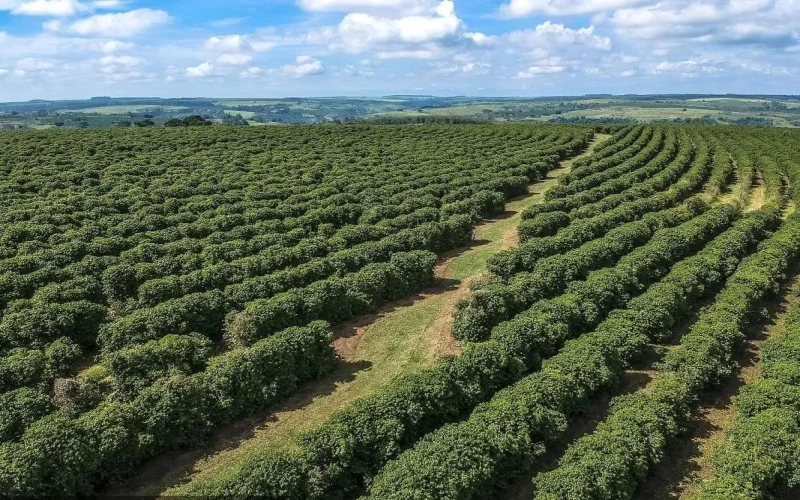
Brazil Hit by Extreme Rainstorms, New Coffee Crop Yield Faces Severe Test
Several major coffee-producing regions in southeastern Brazil were recently hit by severe storms formed by the collision of strong cold fronts and high temperatures. São Paulo, Minas Gerais, Espírito Santo, and Rio de Janeiro were all affected, with rainfall in some areas exceeding 100 mm per day and wind speeds reaching up to 100 km/h. Together, these regions account for 48% of Brazil's total national coffee output, and as the coffee berries are currently in their fruit-setting stage, the storms and heavy rain caused large numbers of cherries to drop. Industry insiders are calling on coffee farmers to strengthen precautions. At the same time, the heavy rain has caused at least 24 deaths and displaced thousands of people, while the dengue fever outbreak continues to spread, putting pressure on the healthcare system and raising the risk of labor shortages during the harvest period. Front Street Coffee will continue to follow developments in Brazil's producing regions and bring coffee lovers the latest information. [more…]
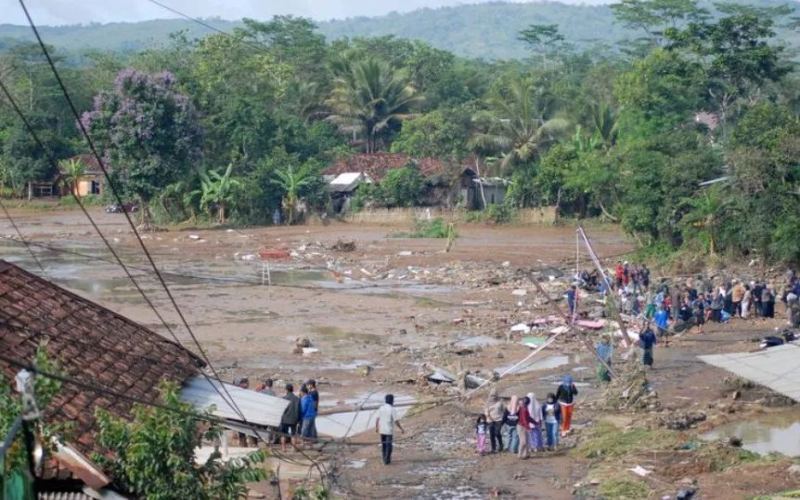
Heavy rainfall during Indonesia's rainy season hinders coffee harvesting, frequent disasters in main producing areas raise concerns about output
Since Indonesia entered the rainy season, heavy rainfall has triggered floods, landslides and other natural disasters in many places, causing casualties and damage to public facilities. This coincides with the coffee harvest season, and the affected areas are close to major coffee-producing regions, so whether plantations have been damaged remains to be confirmed. At the same time, Indonesia's coffee production for 2024/25 is expected to be revised downward, exports are forecast to decline, and combined with a weaker Indonesian rupiah exchange rate and rising fertilizer prices, robusta coffee prices may rise again in the future. This article will review the disaster impact, production data and market trends for coffee lovers' reference. [more…]
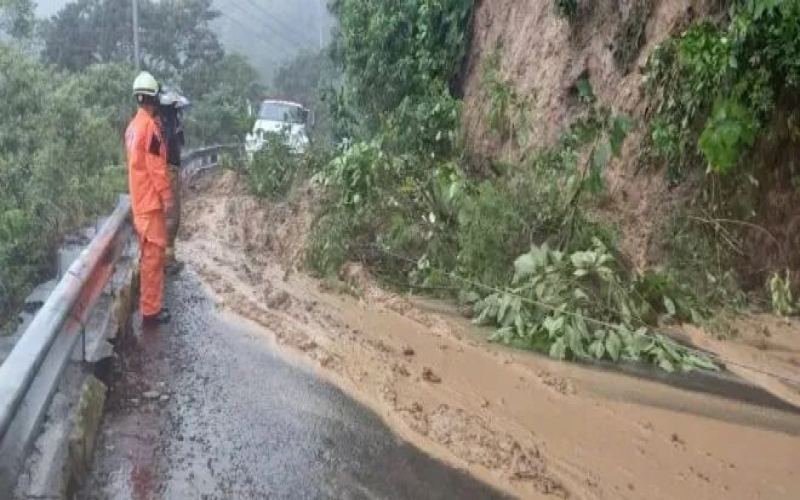
Panama's Boquete Hit by Severe Storms: Frequent Landslides Put Specialty Coffee Region to a Severe Test
Since October, Panama has entered its rainy season, but this year, under the influence of Tropical Storm Rafael, torrential rain and strong winds have been unusually severe, triggering multiple landslides and floods, with Chiriquí Province and other areas hit hard. Boquete, the core production area for Panama's specialty coffee, has not been spared either, with roads damaged, water supplies cut off, and coffee transportation blocked. Even more concerning is that the coffee harvest season is approaching in December, and continued heavy rain could damage coffee trees that are currently bearing fruit, further affecting quality and yield. This article will review the progress of the disaster and its potential impact on the coffee industry. [more…]

Torrential Rain Hits Shenzhen Coffee Festival: Stalls Leak, Power Out, Sewage Backs Up, Event Forced to Halt and Extended by One Day as Compensation
During the May Day holiday, Guangdong was hit by severe convective weather, and the site of the Shenzhen coffee festival descended into chaos under the onslaught of torrential rain. Leaking canopies over temporary stalls, sudden power outages on site, and yellow sewage gushing from drainage outlets—a triple blow that caught vendors and visitors off guard. Although the organizers and the mall carried out emergency repairs afterward, the incident still exposed the shortcomings of outdoor events in responding to extreme weather. This article reconstructs the course of events and brings the latest news on compensation for the event's postponement. For friends who love coffee culture, Front Street Coffee will also continue to follow such industry developments and bring more on-site reports. [more…]
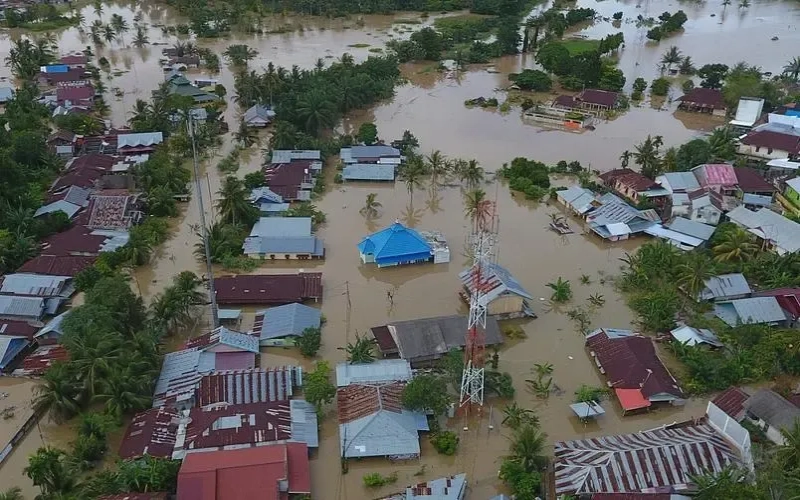
Severe Weather in Indonesia Devastates Coffee-Growing Regions: Java and Sumatra Hit Hard, Output Expected to Fall by as Much as 50%
Indonesia is a major global coffee producer, with coffee cultivation mainly distributed across islands such as Sumatra, Java, Sulawesi, and Bali. However, the country has recently experienced persistent severe weather, and floods and landslides triggered by heavy rain have dealt a serious blow to multiple coffee-producing regions. The Bandung area on Java Island, the island's largest coffee-producing region, has already seen casualties and extensive housing damage; nine regions in western Sumatra have been especially hard hit, and with Robusta coffee at the pre-fruiting and early harvesting stage, losses have been severe. According to estimates by local producers, output on some islands will fall by 20%, and the country's total production may be halved. At the same time, the Indonesian government has designated coffee as a national priority industry and significantly increased fertilizer subsidies in an attempt to ease the impact of the disaster on agriculture. This article will review the specific effects of the disaster on Indonesia's coffee industry and related policy trends. [more…]
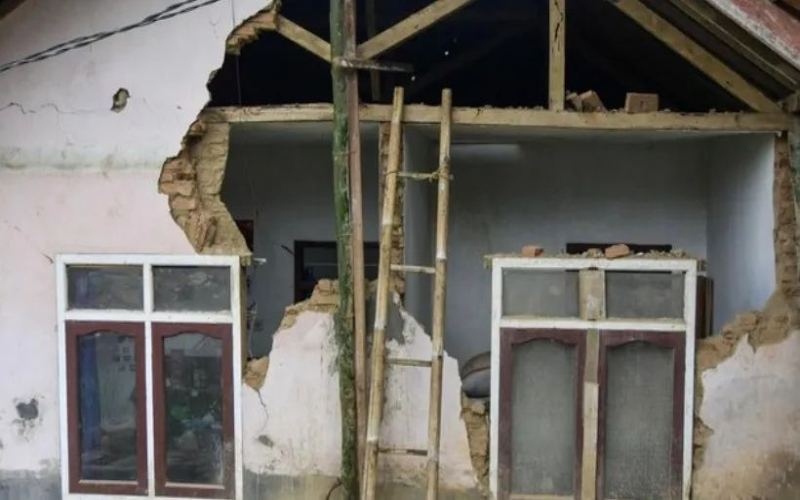
Two major coffee-producing regions in Indonesia have been hit by disasters in succession; output may decline further, and prices could keep rising.
Recently, several major coffee-producing regions in Indonesia have been hit by natural disasters. A magnitude 5.0 earthquake struck near Bandung in West Java on the island of Java, causing injuries and damage to homes; the Aceh region in northern Sumatra was hit by heavy rain and strong winds, and with the coffee harvest season underway, harvesting work has been disrupted. At the same time, several provinces are also facing ongoing drought, and coffee production may decline further. This article summarizes the disaster situations in various areas and their impact on Indonesia's coffee industry. [more…]
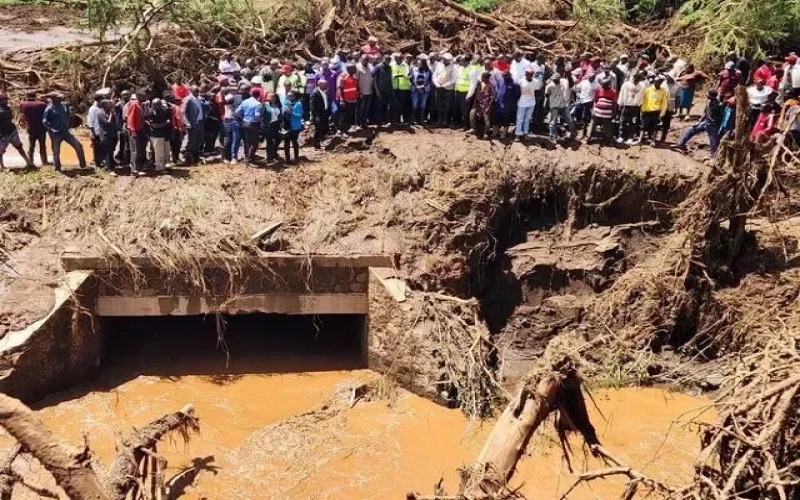
Central Kenya coffee-growing regions hit by persistent heavy rain, with Nyeri, Kiambu and other production areas suffering severe losses, casting a shadow over the next harvest season
Recently, multiple East African countries have been hit by sustained heavy rainfall, with major coffee-producing areas in central Kenya such as Nyeri, Nakuru, and Kiambu suffering severe damage. Floods, mudslides, and other disasters have caused significant casualties and property losses, and as coffee is currently in its flowering and fruiting stage, the next harvest season is expected to be severely affected. Meanwhile, Kenyan coffee auction prices have already hit record highs, and prices may climb further in the future. The Kenyan government has allocated 4 billion shillings for disaster relief. The Chinese Embassy in Kenya has also issued a reminder, calling for attention to weather changes and flood prevention and disease control. Stay tuned to the disaster situation in coffee-producing areas; Front Street Coffee will continue to follow up with reports. [more…]
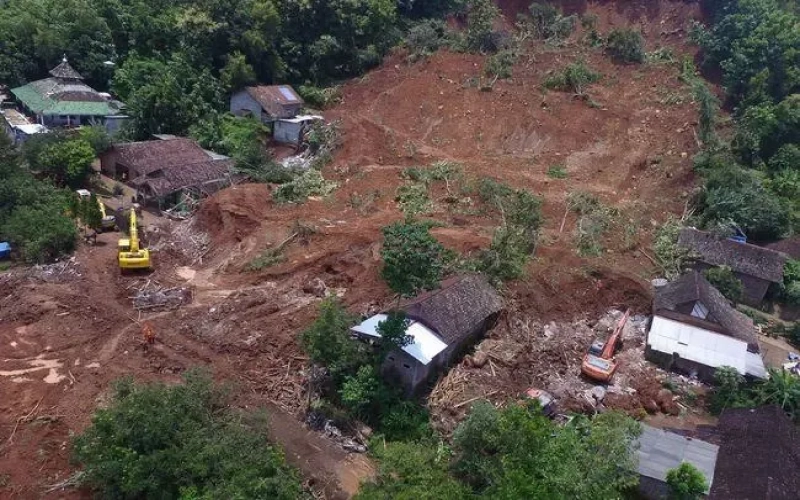
Indonesia's Sulawesi Island Hit by Floods, Robusta-Producing Regions Suffer Heavy Losses That May Drive Coffee Prices Up
Recently, many parts of Asia have been hit by extreme weather, with Indonesia bearing the brunt. Torrential rain, floods, volcanic eruptions, and landslides have struck one after another, dealing a heavy blow to multiple industries in the country, and the coffee industry has been unable to escape unscathed. After West Java and Sumatra were successively affected, South Sulawesi Province was also hit by heavy rainfall, with severe losses in regencies such as Luwu, Soppeng, and Sidrap, where roads and bridges were destroyed and farmland was flooded. This disaster mainly struck the country's Robusta coffee-producing areas, and as it coincides with the harvest season, industry insiders expect output on some islands to decline by 20%, while the country's total production may be halved. A tightening of Robusta supply could further push up international coffee prices. [more…]
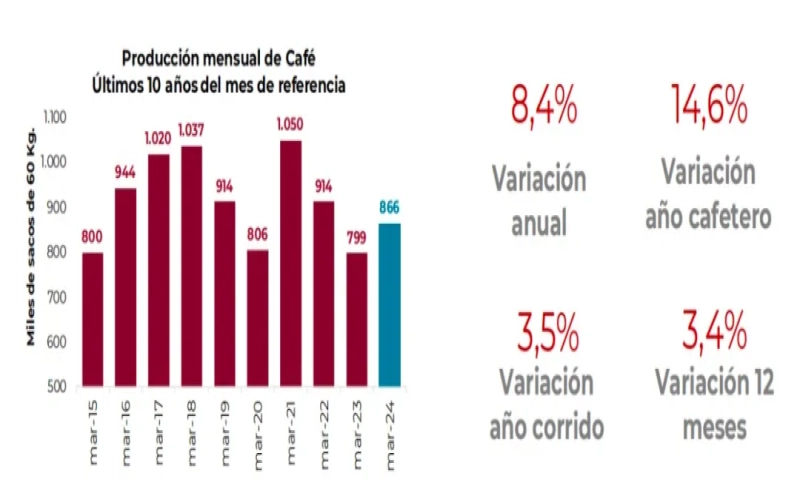
Colombia Coffee March Export Report: Production Declines Month-on-Month, FNC Calls on Government for Assistance
The latest March export report released by the National Federation of Coffee Growers of Colombia (FNC) shows that although coffee production and export volume for the month increased compared with the same period last year, both declined month-on-month, mainly due to drought weather. At the same time, Colombia's president previously proposed that the state should take over the FNC, sparking industry controversy, while the government has so far taken no practical action. Coffee growers' committees from 15 provinces across the country jointly spoke out, pointing out that the coffee industry is facing a difficult period and calling on the government to provide necessary assistance rather than encourage division. This article will provide a detailed interpretation of the report data, climate impacts and policy controversies, and bring related recommendations from Front Street Coffee. [more…]
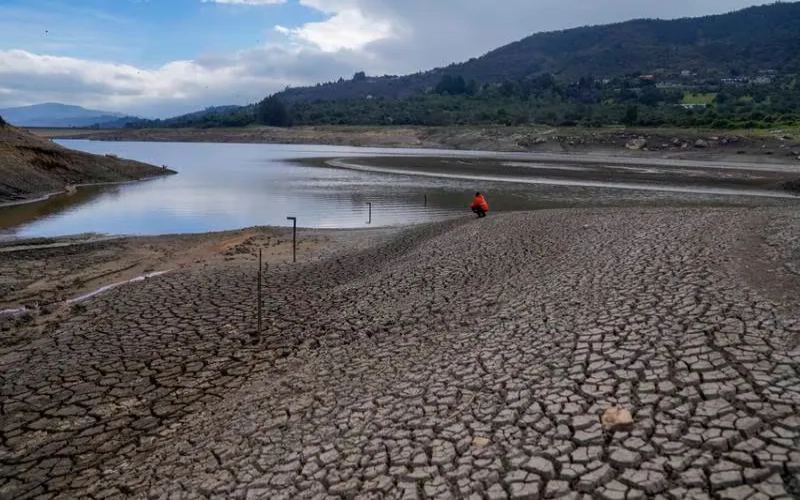
El Niño Worsens Drought in Colombia, National Reservoir Levels Drop Below 30%, Coffee Industry Faces Dual Challenge
Affected by the El Niño phenomenon, Colombia has been in a state of natural disaster since the beginning of this year. The drought, which persisted until April, caused the average water storage level of reservoirs nationwide to drop to 29.96% of normal, approaching the critical threshold of 27%, impacting both water supply and power generation. Although the country is rich in freshwater resources, problems such as low agricultural water use efficiency and serious pipeline leakage are prominent, with 70% of the nation's water resources used for crops such as coffee, bananas, and flowers. The capital, Bogotá, has already implemented water restrictions, and the government has not ruled out nationwide water rationing. Fortunately, the rainy season is expected to arrive in mid-to-late April, but coffee industry insiders warn that the heavy rainfall and low temperatures brought by the subsequent La Niña may affect coffee growth, and coffee farmers need to respond in advance. [more…]
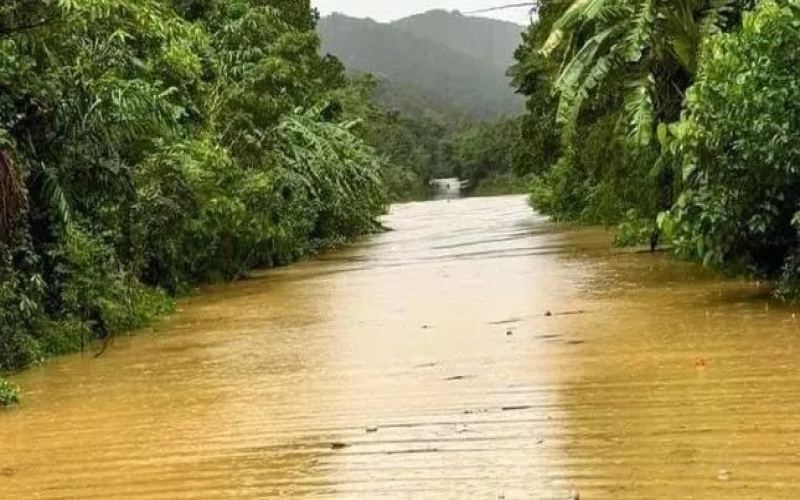
Vietnam Hit by Successive Tropical Storms, Port Congestion Worsens Coffee Export Woes
Central Vietnam was hit by two consecutive tropical storms in September, causing casualties and severe damage to infrastructure. Although the main coffee-growing regions were not directly affected, heavy rainfall has clouded the harvest outlook. More critically, major export hubs such as Haiphong Port and Da Nang were paralyzed by the storms, leaving large numbers of shipping containers backed up and severely disrupting coffee exports. Combined with reduced output caused by drought earlier in the year and steadily climbing domestic spot prices, the supply difficulties facing Vietnam—the world's second-largest coffee producer—are driving up international robusta futures prices. Front Street Coffee continues to monitor developments in the producing regions. [more…]

Mixue Bingcheng leverages the Starbucks police incident for marketing, Snow King banners and Lucky Cup tactics spark netizen controversy
Starbucks has recently been caught in successive public opinion storms due to driving away on-duty police officers and product price increases, with some consumers even expressing their dissatisfaction by sending white flowers and throwing eggs. Just at this time, several Mixue Bingcheng stores in Yinchuan, Ningxia, hung banners welcoming on-duty police officers to rest inside, which was seen by the outside world as opportunistic marketing. Although this move won praise from some netizens, who said it showed great vision and relied entirely on the contrast with peers, it also attracted criticism for malicious marketing and suspicion of being a publicity stunt. Subsequently, the market manager, worried about triggering guided public opinion, notified the stores to take down the banners. Mixue Bingcheng has always used simple and direct marketing methods, from catchy songs to donations and now to this banner response, with an obvious intention to ride hot topics. [more…]
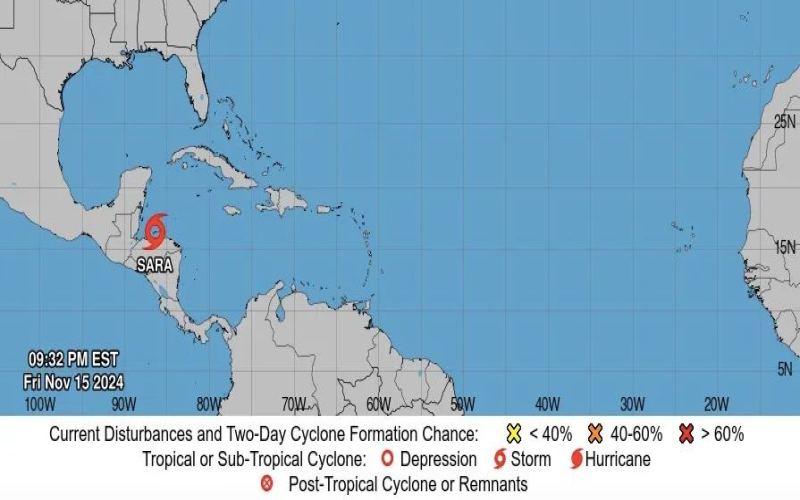
Tropical Storm Sara Devastates Honduras: Coffee Exports Disrupted, Arabica Futures Prices Hit Record High
The 18th named storm of the 2024 Atlantic hurricane season, "Sara," made landfall in northern Honduras, affecting nearly 33,000 people, and the president declared a 30-day national state of emergency. Torrential rain, flooding, and mudslides not only destroyed roads and disrupted port operations, but also struck just before the coffee harvest season, potentially dealing a severe blow to the output and exports of the world's sixth-largest coffee producer. Combined with harsh weather in producing regions such as Brazil and Colombia, Arabica coffee futures prices have soared to historic highs. This article will sort out the specific impact of the storm on Honduras' coffee industry and follow how brands such as Front Street Coffee continue to track information from producing regions. [more…]

Earl Grey Tea Notes and Caramel Sweetness: A Flavor Analysis of Sidamo Hambela Coffee and the Sun-Dried Process at Buku Abel Estate
The Sidamo Hambela region has captured the attention of coffee enthusiasts with its distinctive flavor profile, and coffees that carry Earl Grey tea notes and caramel sweetness are especially captivating. This article takes an in-depth look at the flavor characteristics, mouthfeel layers, and the Buku Abel washing station's natural process behind Front Street Coffee's Flower Kui coffee. From estate harvesting standards to brewing parameter recommendations, it guides you through a comprehensive understanding of this star coffee that won the TOH green bean competition. Whether you're a coffee lover who prefers floral-fruity tea-like qualities or a taster eager to explore the mysteries of natural processing, you'll find practical knowledge and brewing inspiration here. [more…]
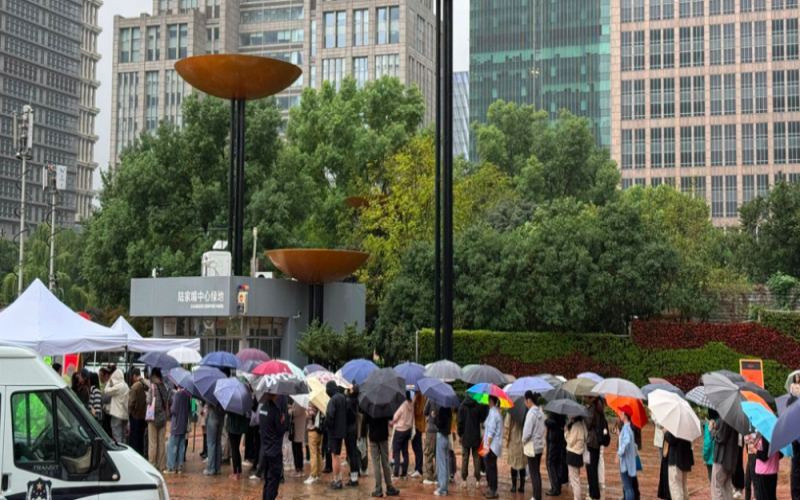
Shanghai Coffee Festival Hit by Torrential Rain: Muddy Open-Air Venue and Inadequate Emergency Preparations Spark Controversy
Recently, a coffee festival held on the grassy grounds of Lujiazui in Shanghai was hit by a sudden heavy rain, plunging what was originally a lively autumn event into a sorry mess. The rain turned the lawn into mud, some stalls leaked and lost power, and visitors struggled through the wet, slippery mud, greatly diminishing the experience. Although weather forecasts had already warned of rain over the weekend, the organizers appeared to have made inadequate preparations, sparking dissatisfaction among many participants. Still, some optimistic coffee lovers found a different kind of fun in it, even joking that they got to drink coffee with a "built-in washed flavor." Below is a detailed report on the incident. [more…]
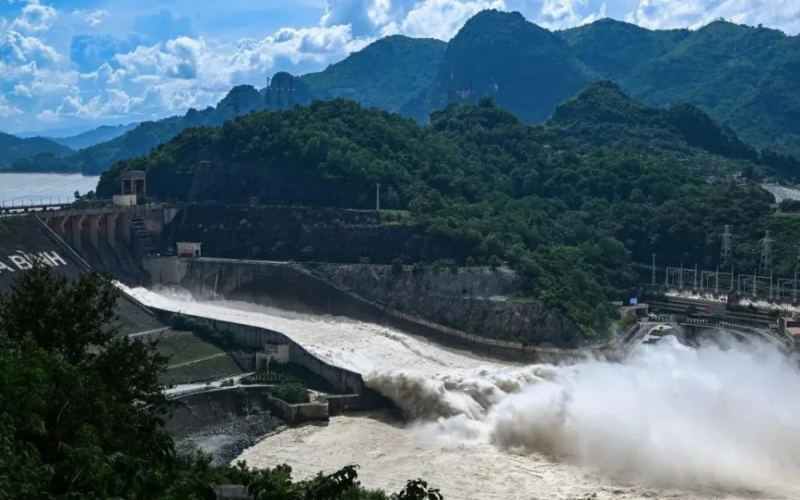
Mekong River floods combined with drought-driven production cuts: Vietnamese Robusta coffee prices may remain elevated into early 2025
Vietnam, as a major global robusta coffee-producing region, has recently faced a succession of extreme weather challenges. Two consecutive tropical storms brought heavy rainfall, causing rapid flooding in the upper reaches of the Mekong River and threatening coffee cultivation in low-lying downstream production areas. At the same time, drought earlier in the year has already adversely affected coffee flowering, making a decline in the new crop season almost certain. Some coffee farmers have switched to more profitable crops such as durian, further reducing the area devoted to coffee cultivation. Port facilities have been damaged and exports hindered, and combined with Indonesia's reduced export capacity, global robusta supply is expected to face a shortage for the fourth consecutive year. Front Street Coffee will continue to follow developments in the production regions and bring enthusiasts the latest news. [more…]
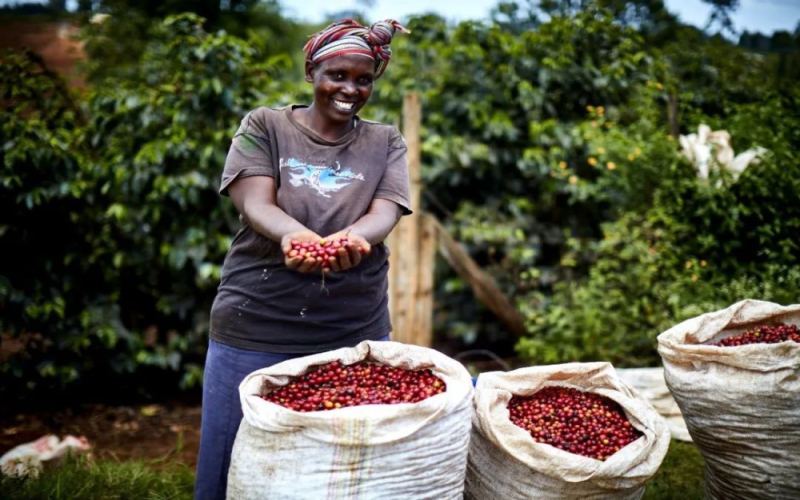
Kenyan Coffee Bean Varieties and Flavor Analysis: The Impact of SL28, SL34, and the K72 Washed Process on Taste
Kenyan coffee is renowned for its bright acidity and complex flavors. Its distinctive taste stems from the two major varieties, SL28 and SL34, and the Kenyan-style 72-hour fermentation washed processing. From the perspective of Front Street Coffee, this article systematically introduces the varietal origins, flavor differences, and washed processing characteristics of Kenyan coffee, and, using Asalia coffee beans as an example, shares in detail a light roast approach and V60 pour-over parameters, including water temperature, coffee-to-water ratio, grind size, and staged pouring steps, helping coffee enthusiasts understand the sweet-and-sour layers and brewing key points of Kenyan coffee. [more…]
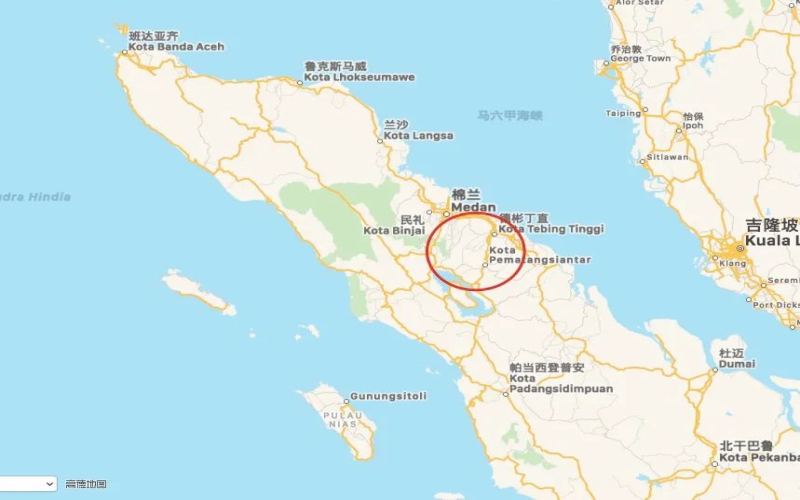
Heavy rains in northern Sumatra trigger floods and mudslides, affecting the Mandheling Arabica growing region
Recently, northern Sumatra in Indonesia has experienced continuous heavy rainfall, triggering secondary disasters such as flash floods and landslides in multiple areas of North Sumatra Province, resulting in 20 deaths and multiple injuries so far. This disaster has not only caused severe damage to local infrastructure including houses, schools, and roads, but has also directly affected the Arabica coffee-growing belt in the Lintong region of central Sumatra—the area where the world-renowned Mandheling coffee is produced. Meanwhile, Deli Serdang Regency, an important commodity transport corridor leading to the Medan seaport, has also been damaged by landslides, disrupting import and export operations. As the Arabica harvest season is currently underway, days of heavy rain may cause ripe cherries to drop and yields to decline, with the market generally holding a cautious attitude toward the supply outlook for the new harvest season. [more…]

Japan Develops Atmospheric Water-Generating Coffee Machine: Providing a Safe Brewing Solution for Disaster Water Shortages
Have you ever thought about brewing coffee using air? A Japanese company has actually turned this idea into reality. They developed a coffee machine that can efficiently extract water from the air, and after multiple filtration and mineralization processes, produce safe drinking water. It is said that the original intention of this machine was to address water shortages and supply cuts caused by natural disasters, allowing people to still enjoy a cup of coffee brewed with clean water in emergency situations. How exactly does this device work? Can it really solve practical problems? And why are netizens complaining about it? This article will take you on a deep dive while also including related recommendations from Front Street Coffee. [more…]
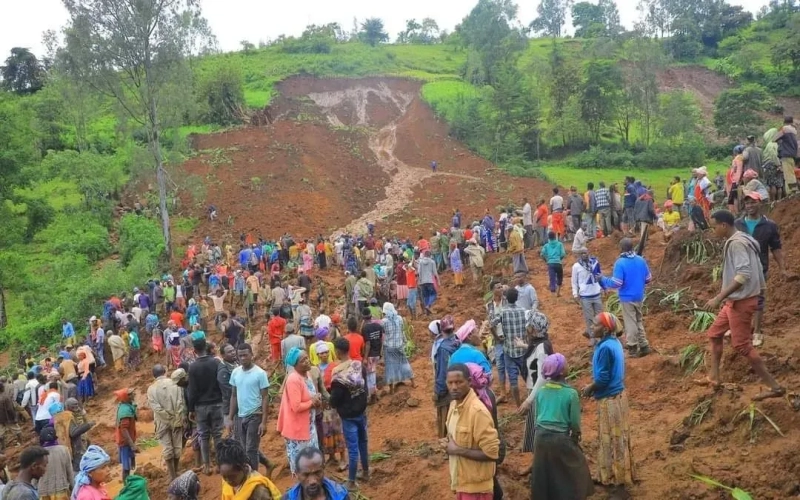
Landslide in Ethiopia's Gofa Zone Kills 229, Coffee-Growing Region Faces Risk of Reduced Output
A severe landslide occurred in the Gofa Zone of southern Ethiopia on the evening of July 21 local time. As of now, 229 deaths have been confirmed, and the casualty toll is feared to rise further. The disaster was triggered by persistent heavy rainfall, and a secondary landslide buried rescue workers. Of particular concern to coffee lovers is that the affected area covers important coffee-producing regions such as Kaffa, Jimma, and Yirgacheffe, where torrential rain and geological disasters are directly threatening the coffee-growing environment and infrastructure. At the same time, the conflict in the north and the impact of the Red Sea crisis on the port of Djibouti have plunged Ethiopia's coffee industry into multiple difficulties. Front Street Coffee will continue to follow the developments and their potential impact on the coffee supply chain. [more…]