







What the Sumatra Floods Mean for Mandheling Coffee
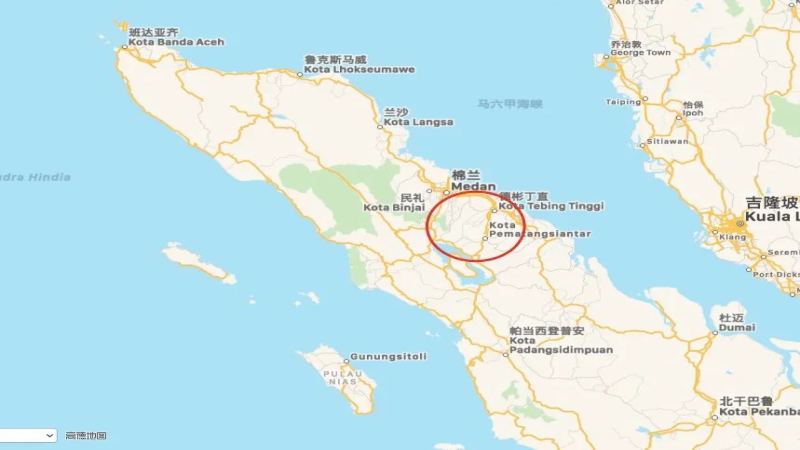
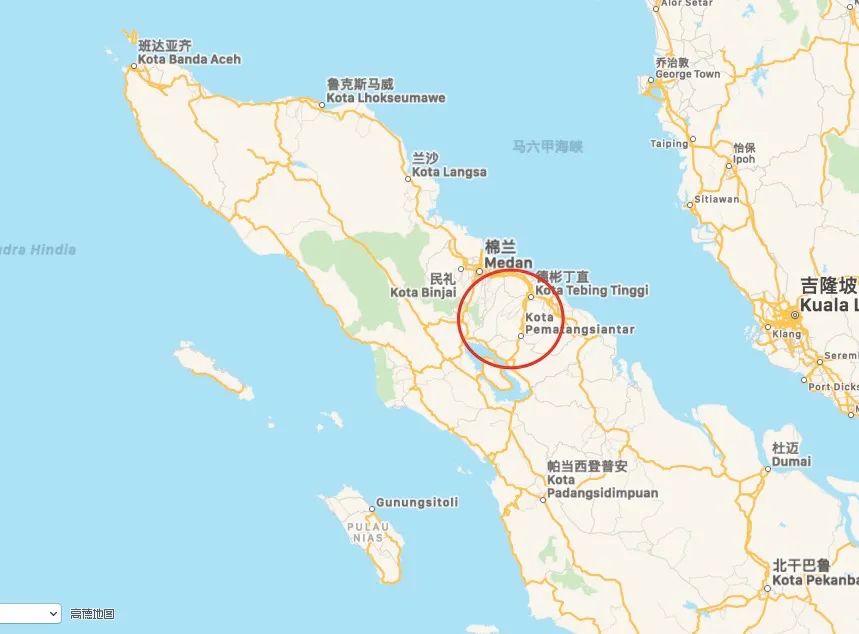
Heavy rainfall across northern Sumatra has triggered flash floods and landslides in North Sumatra Province, killing 20 people and injuring many others. The disaster struck the Lintong region, the Arabica-growing belt that produces Mandheling coffee, while the current harvest is underway. Deli Serdang Regency, a key transport route to the Medan seaport, was also damaged, disrupting import and export operations.
Karo Regency recorded 10 deaths and Deli Serdang 7, with two people still missing. Indonesia's rainy season normally begins in November, and the meteorological agency BMKG had forecast peak rainfall for western Sumatra between November and December. With arabica coffee cherries ripening, the heavy rain may cause fruit to drop and lower yields, leaving the market cautious about new-crop supply.
Recently, northern Sumatra in Indonesia has experienced continuous heavy rainfall, triggering secondary disasters such as flash floods and landslides in multiple areas of North Sumatra Province, which have so far caused 20 deaths and many injuries. This disaster has not only severely damaged local infrastructure including houses, schools, and roads, but also directly affected the Arabica coffee-growing belt in the Lintong region of central North Sumatra Province—the world-renowned Mandheling coffee comes precisely from this area. At the same time, Deli Serdang Regency, an important commodity transport route leading to the Medan seaport, has also been damaged by landslides, disrupting import and export operations. As the Arabica harvest season is currently underway, days of heavy rain may cause ripe cherries to drop and yields to decline, and the market is generally cautious about the supply outlook for the new crop season.
According to Indonesian media reports, northern Sumatra has recently been hit by intense rainfall, and multiple areas in North Sumatra Province have subsequently experienced secondary disasters such as flash floods and landslides, which have so far caused 20 deaths and many injuries.
According to a report released by Indonesia's National Disaster Management Agency (BNPB), the death toll in North Sumatra Province from floods and landslides has climbed to 20. Among these, Karo Regency was the hardest hit, with 10 deaths; Deli Serdang Regency recorded 7 deaths, and 2 people remain missing, with search and rescue operations still underway.
It is understood that Indonesia usually enters its rainy season in November each year. According to data previously released by Indonesia's meteorological agency BMKG, western Sumatra will usher in the peak of the rainy season between November and December this year. For this reason, relatively intense rainfall occurred in recent days, ultimately triggering this severe flood and landslide disaster.
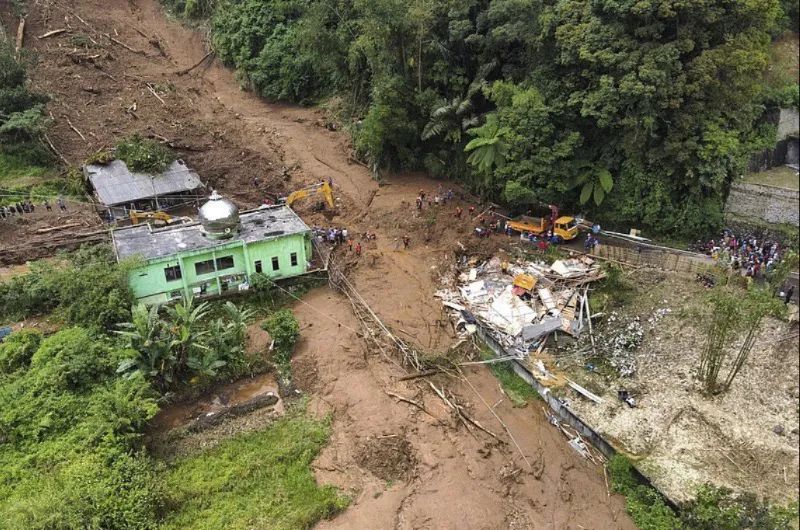
In addition, the head of disaster data at BNPB pointed out that this disaster has severely damaged 6 local houses and also destroyed public facilities such as schools, places of worship, farms, and roads. It is worth noting that North Sumatra Province is the main Arabica coffee-growing area in Sumatra, and the world-famous Mandheling coffee comes from the Lintong region in the central part of the province. Therefore, this heavy rainfall and the secondary disasters it triggered have also dealt a blow to the local Arabica coffee industry.
On the other hand, Deli Serdang Regency, which was more severely affected, is located north of the provincial capital Medan and is the main route for commodity exports from Sumatra, connecting to the Medan seaport. However, some areas and roads have now been damaged by landslides and other disasters, disrupting import and export operations in the region.
In fact, as early as September this year, Sumatra had already been hit by severe weather. According to reports, at that time the Aceh region in northern Sumatra and surrounding areas experienced heavy rainfall and strong winds, with maximum wind speeds reaching 55.56 kilometers per hour, close to hurricane level, causing damage to multiple buildings, sports facilities, and infrastructure in the Aceh region, and resulting in 1 death.
However, the September disaster was mainly concentrated in northern Sumatra and had a greater impact on the Arabica coffee-producing areas, but did not affect the Robusta-producing areas in the south of the island. According to official Indonesian data, in September Sumatra exported a total of 369,332 bags of Robusta coffee (60 kg/bag), an increase of 76.36% compared with the same period last year. This figure also helped Sumatra export a cumulative 1.268 million bags of coffee in the first 6 months of the 2024/25 season (April to March of the following year), a year-on-year increase of 14.28%.
Therefore, at that time the market conservatively estimated that Indonesia's coffee production in the 2024/25 season would be about 11.5 million bags, of which 85% would be Robusta coffee and the remaining 15% Arabica coffee. The Arabica harvest season on the island is currently underway, but continuous heavy rain may knock ripe cherries off the trees and lead to reduced production, while flash floods and landslides will also bring further impact.
In addition, BNPB still reminds local governments and residents to remain vigilant, because meteorological forecasts show that North Sumatra Province and other places will still experience extreme weather such as heavy rain, thunderstorms, and strong winds in the coming days, and disasters may occur again. Therefore, the market is not optimistic about the supply of Arabica coffee from Sumatra in the new season, and coupled with reports of production declines in multiple coffee-producing countries, international coffee prices remain high.
To learn more information about coffee origins, please scan the QR code to follow: Coffee Review
Long-press the QR code to follow:
The above content is compiled by CoffeeHunters, a coffee news website.


