







How Does Rainy Season Weather Affect Coffee Production?
Heavy rain across Indonesia's rainy season has triggered floods, landslides and mudslides in Java, Sumatra and other regions, killing dozens and displacing thousands. The disasters struck during the coffee harvest, close to major growing areas, and plantation damage is still unconfirmed. Indonesia's 2024/25 coffee production forecast has been revised down, and exports are expected to fall.
West Java recorded 10 deaths and 2 missing, North Sumatra saw 20 deaths from flash floods, and Jakarta coastal areas were flooded for more than five days. With the rupiah weakening and fertilizer prices climbing, java robusta coffee prices could rise again. Harvest delays and uncertain crop losses remain the main factors traders are watching.
Since Indonesia entered the rainy season, heavy rainfall has triggered floods, landslides and other natural disasters in many places, causing casualties and damage to public facilities. This coincides with the coffee harvest season, and the affected areas are close to major coffee-producing regions, so whether plantations have been damaged remains to be confirmed. At the same time, Indonesia's coffee production forecast for 2024/25 has been revised down, export volumes are expected to decline, and combined with factors such as the weakening Indonesian rupiah exchange rate and rising fertilizer prices, Robusta coffee prices may rise again in the future. This article will review the impact of the disaster, production data and market trends for the reference of coffee enthusiasts.
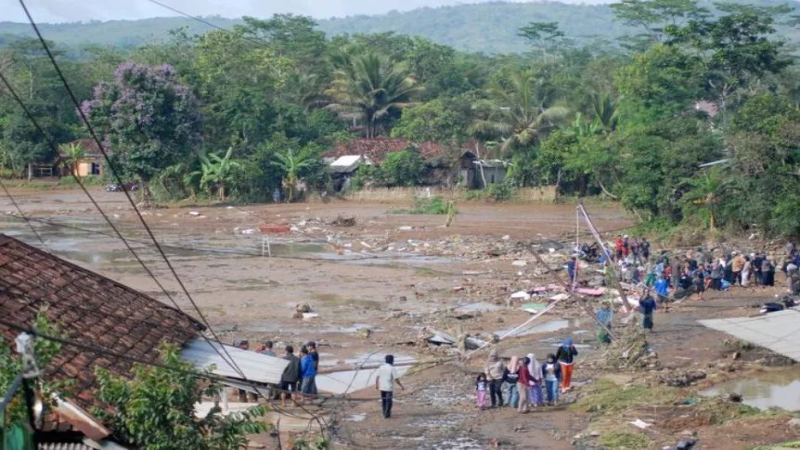
According to media reports, Indonesia has recently entered the rainy season, but this rainy season has been unusually severe, with heavy rainfall triggering natural disasters in multiple regions. In recent days, floods, landslides, and incidents of houses and trees collapsing have occurred continuously, hitting various areas to differing degrees.
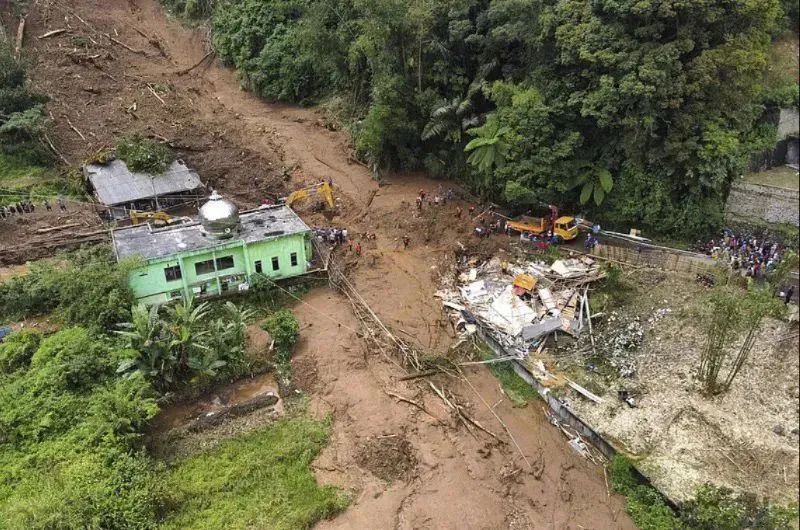
Judging from the current situation, the worst-hit area is West Java Province on the island of Java. The province has recently suffered a series of landslides, resulting in 10 deaths and 2 missing people, with nearly 5,000 people affected. Earlier, at the end of November, North Sumatra Province was also hit by flash floods and mudslides, causing a cumulative 20 deaths.
Moreover, surrounding areas of West Java Province, including multiple coastal zones such as the former capital Jakarta, have also been submerged by floods, with waterlogging lasting more than five days and water levels reaching up to 70 centimeters in some areas. The main causes are the combined effects of recent sea tides, giant waves brought by extreme weather, river flooding and land subsidence.
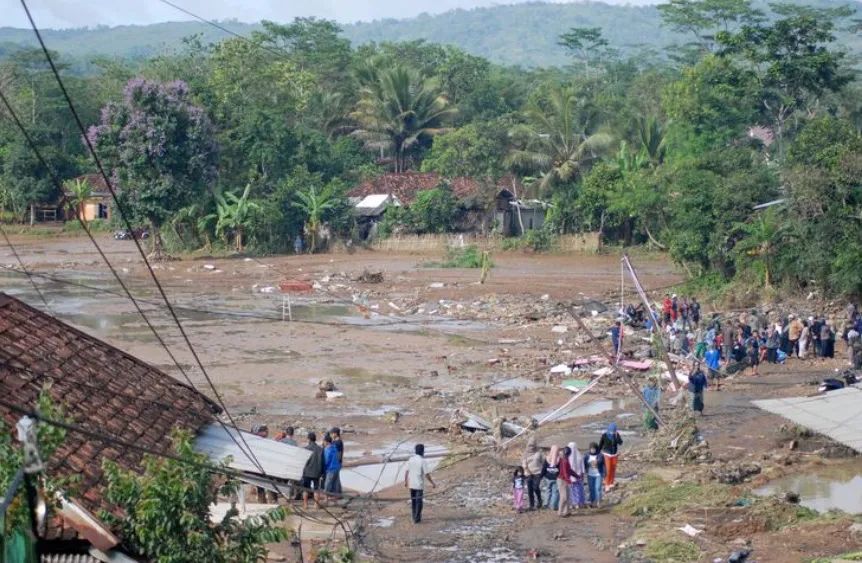
Even earlier, the area near Lintong in northern Sumatra also experienced heavy rainfall, as well as secondary disasters such as flash floods, mudslides and landslides induced by the rainstorms, causing 20 deaths and damaging public facilities including schools, farms and roads, with a relatively serious impact.
At present, Indonesia is in the coffee harvest season, and the rainstorm weather has clearly disrupted harvesting progress. In addition, most of the areas hit by disasters during this period are close to the country's main coffee-producing regions, so coffee plantations may have been damaged, though no specific information has yet emerged.
The Chinese Consulate General in Surabaya and the Chinese Consulate General in Denpasar have issued emergency notices, reminding Chinese citizens within their consular areas to pay close attention to meteorological warnings, avoid high-risk areas for landslides and floods, and be sure to travel safely during the rainy season.
Looking back at 2023/24, Indonesia was affected by both La Niña and El Niño, experiencing severe drought, high temperatures and water shortages, which caused coffee production to fall sharply. Fortunately, the climate has stabilized in the second half of this year, and production is expected to recover.
Reports from the Indonesian government show that in October, Robusta coffee exports from Sumatra, Indonesia's largest coffee-producing region, reached 532,287 bags (60 kg per bag), double the same period last year. However, the recovery in coffee production is still below expectations, and the market expects Indonesia's coffee production in 2024/25 to reach 10.9 million bags.
However, this production level is 8% lower than previously expected. At the same time, because Indonesia's domestic coffee demand is strong, although recent reports indicate that domestic purchasing power remained weak in 2024/25, growing by less than 1% compared with 2023/24, with no growth in production, the coffee available for export is expected to decrease by 12%, falling to 5.2 million bags.
In addition, Indonesia has also been affected recently by currency exchange rate fluctuations. As the U.S. dollar continued to strengthen, the Indonesian rupiah exchange rate against the dollar briefly broke through the 16,000 mark in early December, hitting a nearly four-month low. Faced with this situation, Indonesia's central bank took emergency "market rescue" measures. But the exchange rate remains high, and combined with geopolitical issues, this has led to reduced exports and higher fertilizer prices.
In addition, as Vietnam enters its coffee harvest season and export volumes increase, Robusta coffee futures prices have fallen. But the market is not optimistic about coffee production in Vietnam and Brazil, and Indonesia's production has not yet recovered, so Robusta coffee prices are expected to rise again before long.
To learn more about coffee-producing regions, please scan the QR code to follow: Coffee Review
Long-press the QR code to follow:
The above content is compiled by CoffeeHunters, a coffee news website.


