







Search Results for: purple tea
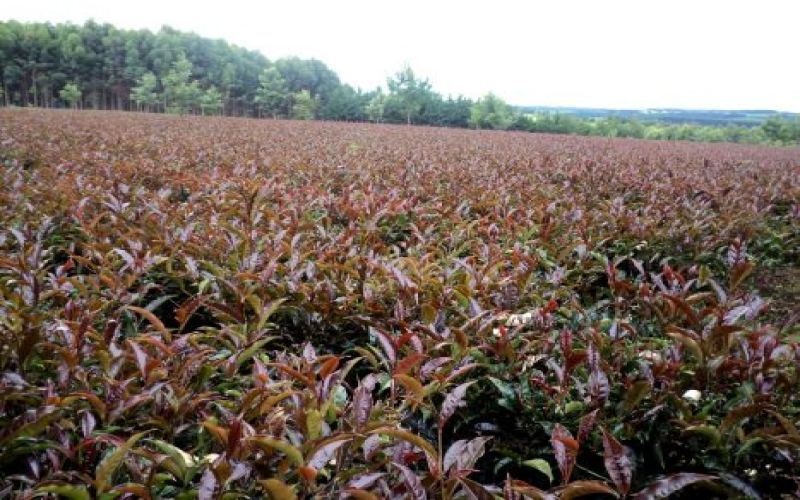
What is Kenyan purple tea? Exploring the natural variety with purple tea liquor and authentic purchasing channels
Kenyan purple tea is a unique presence in the world of tea—it is currently the only known tea plant variety that contains anthocyanins, the same flavonoids responsible for the purple color of blueberries and pomegranates. Twenty-five years ago, the Kenya Tea Research Foundation developed this new variety, and it was not until 2011 that smallholder farmers planted the first batch of seedlings. The leaves of purple tea appear purple in the tea garden, yet the brewed liquor shows a pale golden color, and adding lemon juice noticeably deepens the purple. Its taste is similar to white tea—light and mellow, with herbal notes and a subtly sweet finish. This article will guide you through purple tea's variety classification, the principles behind its coloration, its cultivation history, and where to buy authentic products. [more…]
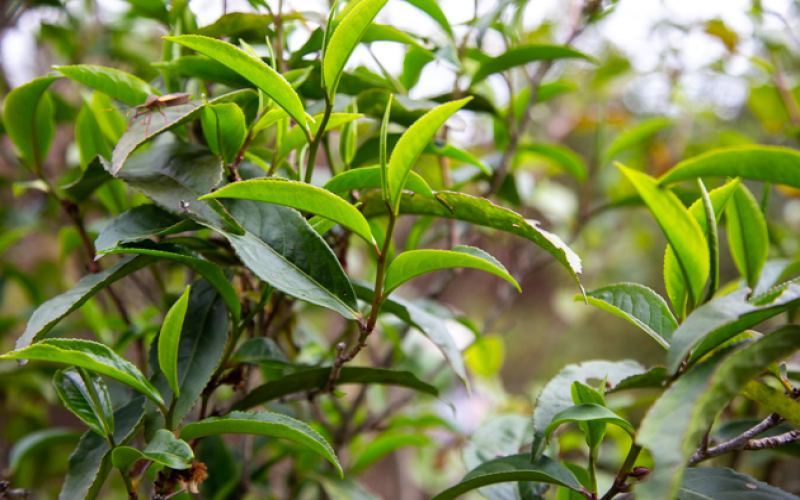
Where does high-mountain purple black tea come from? An analysis of the anthocyanin content and variety classification of Yunnan Lincang purple tea
Purple tea, a rare tea variety that grows sporadically in high-altitude areas such as Lincang and Baoshan in Yunnan, is distinguished from ordinary tea plants by its purple stems. The anthocyanins it contains give the finished tea a deep color, while its aroma carries a refreshing perilla-like note along with floral fragrance. Locally, purple tea is mostly made into raw Pu'er tea, but through customized processing, it can also be made into black tea and white tea. The high-mountain purple black tea recommended by Front Street this time uses purple tea material from an altitude of about 2,100 meters, grown without fertilizer or pesticides, and after 24 hours of thorough withering, it presents an unprecedentedly rich aroma. This article will guide you through the growing environment of purple tea, its varietal characteristics, anthocyanin content, and suggestions for drinking and storage. [more…]
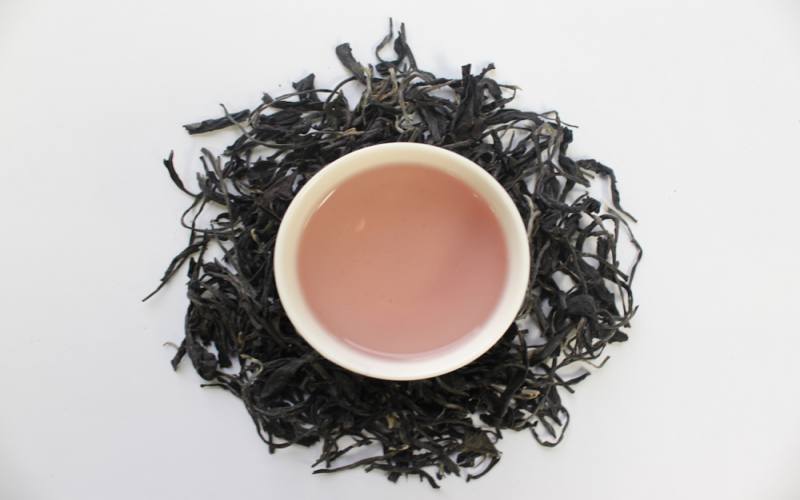
What Type of Tea Is Kenyan Purple Tea? A Full Analysis of Its Origin, Flavor, and Benefits
Purple tea is a special type of tea formed by a genetic mutation in the tea plant, rich in anthocyanins, and combining many of the health properties of both green and black tea. It was first discovered as a small number of wild mutations in China, and was later cultivated on a large scale in Kenya through a public-private partnership, with the main production areas located in the high-altitude regions of the Nandi Hills. Purple tea has an anthocyanin content of 1.5%, higher than blueberries, and its polyphenol and catechin levels also surpass those of most black and green teas; it also contains a unique GHG polyphenol. Its caffeine content is relatively low, its flavor is sweet and forest-like, and after brewing, the liquor is pale with a slight purple tint. Front Street recommends paying attention to this tea, which combines both health value and a story of its production area. [more…]
Taiwan Purple Bud Tea Tree New Line TTES No. 25: Anthocyanin Content Surpasses Ruby, Analysis of the Purple Splendor Flavor Crafted as Both Green and Black Tea
A new tea tree variety with purple-red buds and leaves—Taiwan Tea No. 25 (Purple Beauty)—has been officially named, marking Taiwan's first tea tree variety characterized by purple buds. Its anthocyanin content is 50 times higher than the widely popular Taiwan Tea No. 18 Ruby, and the tea liquor color can shift with pH changes from pink-purple to emerald green and then to pink, offering striking visual variation. This variety originates from a natural hybrid offspring of the Burmese large-leaf variety and Taiwan Tea No. 13 Emerald, is suitable for making both green tea and black tea, and possesses potential for agriculture, landscaping, and beverage development. Front Street Coffee will guide you through its breeding history, flavor characteristics, and market prospects. [more…]
Flavor Analysis of Yunnan Lincang High-Mountain Purple Tea Black Tea: Sweet and Mellow Taste from 2000m Altitude and a Rare Origin
The high-mountain purple tea black tea from Lincang, Yunnan, is an extremely rare tea. It grows in pristine tea gardens at elevations above 2,000 meters, where no pesticides or fertilizers are used and the tea trees grow naturally. This tea is completely different from the Zijuan tea of southern Yunnan; the finished product carries creamy aromas and sweet notes of peach and sweet potato, with a soft, full-bodied mouthfeel and no astringency at all—so gentle that it can be drunk on an empty stomach without discomfort. This article will guide you through why high elevations can nurture such thick, rich tea flavor, and explore the unique origin, flavors, and tasting experience of this high-mountain purple black tea. Front Street Coffee recommends that you pay attention to this rare tea and experience the distinctive charm of Yunnan high-mountain tea. [more…]
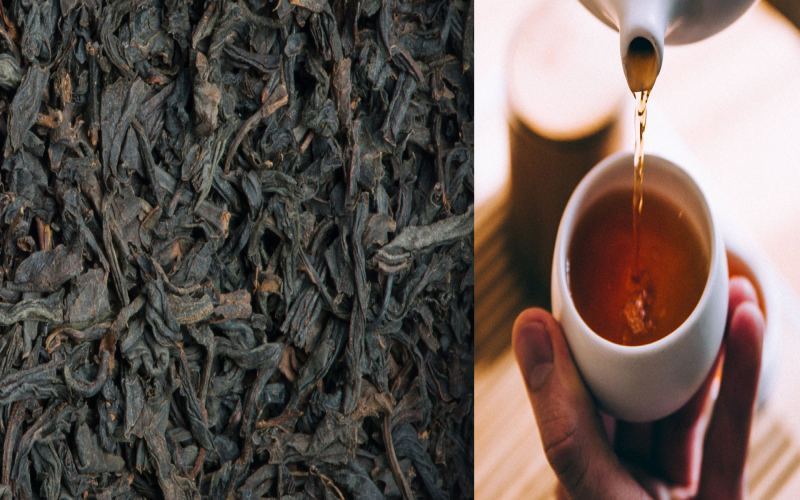
What Is the Difference Between Black Tea and Purple Tea? A Comprehensive Analysis of This Special Variety from Processing to Flavor Characteristics
Black tea gets its name from the red color of the tea liquor. After becoming popular in Britain in the 18th century, it remains the most widely consumed type of tea in India, Sri Lanka, and Western countries. Although China's annual black tea production accounts for less than 15% of the country's total tea output, its quality is outstanding. This article will start with the production process of black tea and its Chinese characteristics, and then introduce purple tea—a genetically mutated variety originating from the high-altitude regions of southern Yunnan. Purple tea appears purple due to the accumulation of anthocyanins, and it not only has a unique flavor but also possesses health potential such as anti-inflammatory and antibacterial properties. We will also compare the differences between purple tea and black tea in aroma and taste, and share Front Street Coffee's recommended teas. [more…]
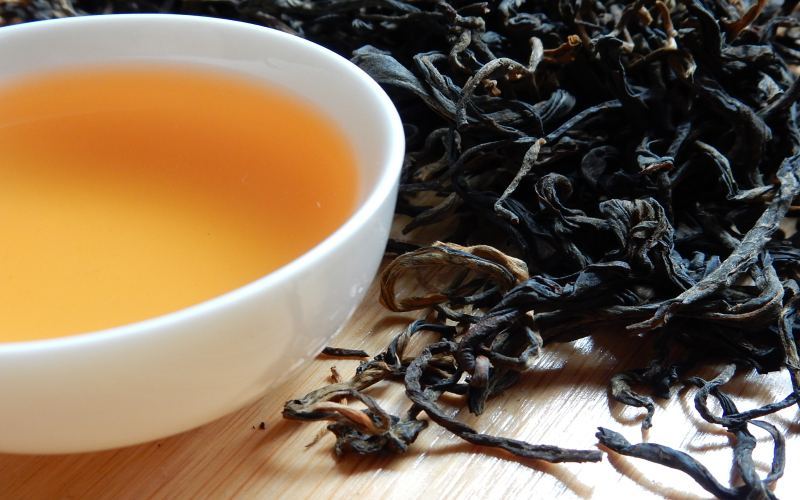
Yunnan Ancient Tree Dianhong, High Mountain Purple Red, Lapsang Souchong, and Ruby Black Tea: Flavor Differences and Value-for-Money Assessment
There are many types of black tea on the market, with significant stylistic differences. This article focuses on five distinctive black teas—Taiwan Ruby, Traditional Superior Lapsang Souchong, Qizhong Lapsang Souchong, Yunnan Ancient Tree Black Tea series, as well as High Mountain Purple Black Tea and Wild Black Tea—systematically reviewing their origins, processing characteristics, and flavor profiles. From the mint aroma of TTES No. 18 to the pine smoke aroma of Tongmuguan, from the honey charm of old trees in Lincang, Yunnan, to the perilla note of purple tea, each tea has clear recognizability. At the same time, by incorporating product information from Front Street Coffee, we help coffee and tea enthusiasts make choices that better match their taste and budget when purchasing. [more…]
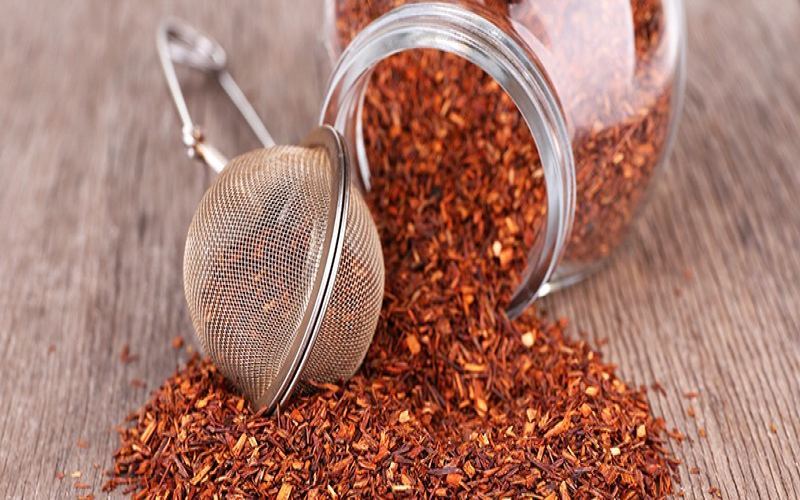
Which country ranks first in tea production in Africa? A detailed look at the flavors and health benefits of nine distinctive African teas
Africa is not only famous for coffee—its tea production is equally noteworthy. Kenya ranks as the world's third-largest tea producer and the leading tea-producing country in Africa. From anthocyanin-rich Kenyan purple tea to South Africa's unique rooibos and honeybush teas, and from North African mint tea to Ethiopian spiced tea, diverse tea traditions have emerged across the continent. This article profiles nine teas produced in Africa, covering their origins, production methods, flavor characteristics, and health benefits, helping coffee lovers expand their understanding of African beverages. Front Street Coffee will also recommend African teas worth trying. [more…]
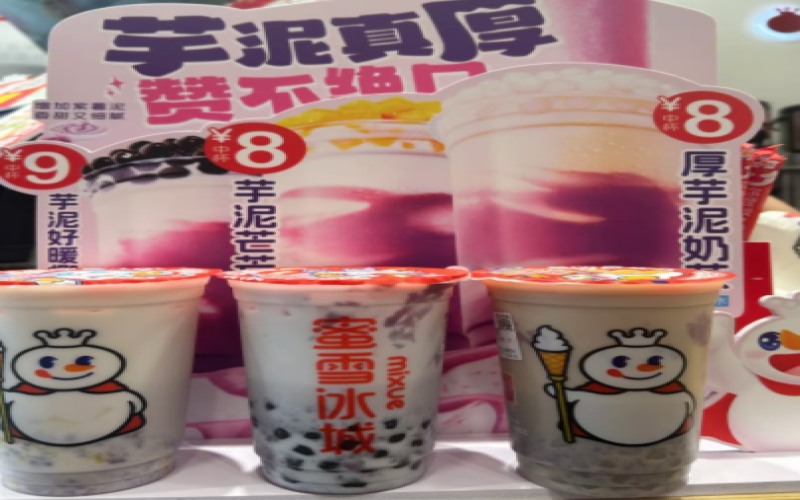
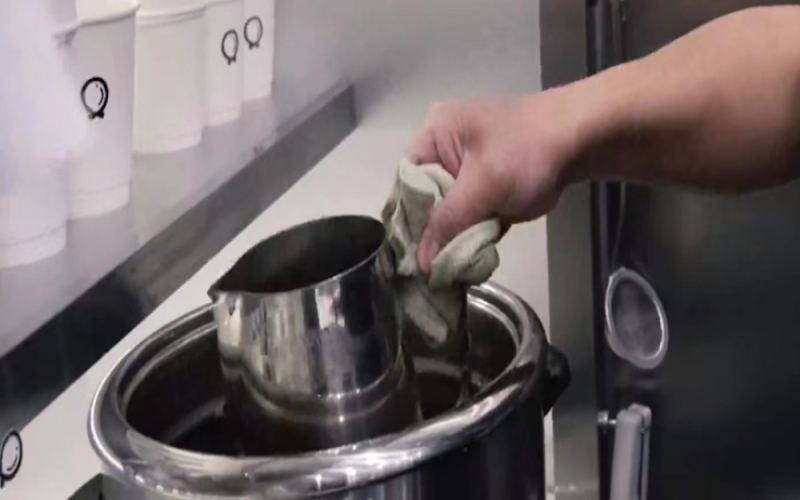
Mixue Bingcheng's Thick Taro Paste series returns, employees complain that purple sweet potato taro paste has become the hardest material to squeeze
In the depths of winter, a cup of hot milk tea always brings warm comfort, and major new-style tea beverage brands are rolling out winter hot drinks to win over consumers. Mixue Bingcheng recently announced the return of its upgraded Thick Taro Paste series, adding Taro Paste Mango Mango to the classic Taro Paste Warm Coconut and Thick Taro Paste Milk Tea, attracting taro paste lovers with single-digit friendly prices. However, after the new products launched, store employees complained that this frozen purple sweet potato taro paste is the hardest material to squeeze in history, even spawning its own dedicated hashtag. Some franchise owners personally recorded instructional videos on squeezing taro paste, drawing many workers to watch and submit their own attempts. This article takes you through this battle between Snow King employees and taro paste, as well as the store visit timing recommendations consumers should note. [more…]
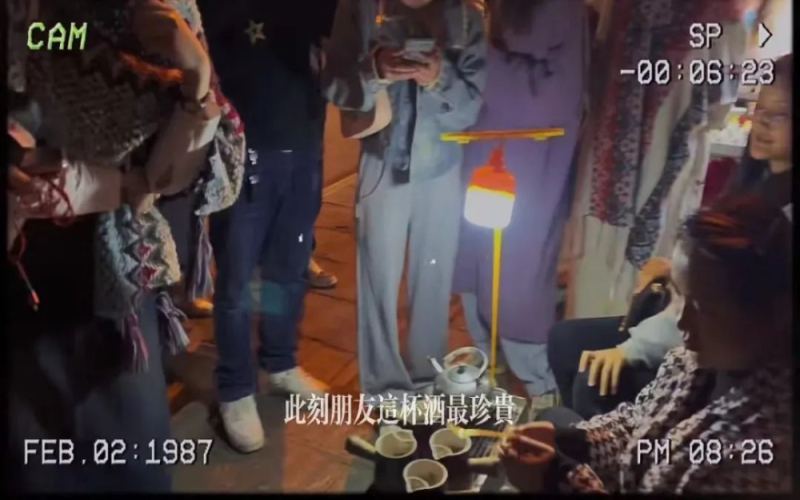
From Clay Pots and Purple Clay to Double Boiling: How Chinese-Style Coffee Forges Its Own Path by Drawing on Local Vessels and Culinary Wisdom
While the milk tea world perfectly combines ritual and local ingredients with jar-brewed milk tea, the coffee world's "new Chinese style" frequently sparks controversy due to its bizarre pairings. In fact, China's rich cooking techniques and tea-brewing methods can absolutely serve as sources of inspiration for the localization of coffee—double-boiled coffee, purple clay pot steamed coffee, and Macau clay pot coffee. These attempts all use principles such as low-temperature slow extraction and even heating to give coffee a smoother, richer flavor. This article reviews the practices of these Chinese-style coffee schools, explores how innovation can stay rooted in the soul of coffee, and offers new ideas for the local expression of specialty coffee. [more…]
Can a purple clay pot also steam coffee? A new trick for Chinese-style extraction, low-temperature slow brewing brings a rich new experience
Following the buzz in Shanghai coffee shops over "double-boiler" extraction, Chinese-style coffee innovation has taken another step forward—at the Xiamen Coffee Festival, a shop introduced a Minnan-style brewing method using a purple clay teapot to steam coffee. In this method, coffee grounds are placed into a small purple clay teapot, slowly steamed in a bamboo steamer, then filtered and diluted with water for drinking. Its principle is similar to double-boiling: it uses low-temperature slow extraction to reduce bitterness and off-flavors, while the porous structure of the purple clay teapot can also absorb some of the compounds that cause bitterness. From Japanese Tokoname coffee pots to Chinese purple clay teapots, the clever use of ceramics in coffee extraction is being continually explored. This article walks you through the specific steps of this trendy method and the science behind it, and includes related recommendations from Front Street Coffee. [more…]
How to Choose a Purple Clay Teapot and Control Water Temperature? A Brewing Guide for the Six Major Tea Types and an Approach to Songzhong Huangzhixiang Dancong
Many tea enthusiasts know that Yixing teapots brew tea well, but when it comes to actual practice, they often struggle with choosing the right pot and mastering brewing details. Different tea types have different requirements for clay material, pot shape, water temperature, and even the rhythm of pouring, so choosing well can enhance aroma and flavor, while choosing poorly can lead to off-flavors and stewing the tea leaves. This article systematically breaks down the pairing logic between the six major tea categories—green tea, oolong tea, yellow tea, black tea, dark tea, and white tea—and Yixing teapots, and provides the appropriate water temperature and steeping time for each. For highly aromatic oolongs like the Songzhong Huangzhixiang-style Dancong, Front Street also recommends prioritizing small Zhuni or Hongni pots, using near-boiling water at around 95°C with quick infusions and quick pours, which better highlights its floral fragrance and varietal charm. [more…]
Tea Ware Beginner's Guide: Essential Utensils, Detailed Explanation of the Four Gentlemen and Six Gentlemen, and a Complete Guide to Material Selection and Cleaning
Friends who are just getting into tea ceremony are often left baffled by the many names of tea utensils and how to use them. This article compiles the ten questions beginners encounter most often, covering everything from the most basic essential utensils to the differences between the Four Gentlemen and Six Gentlemen of tea ceremony, the characteristics and effects of different materials such as Yixing clay, porcelain, and glass, the safety of tin and aluminum ware, the differences between dry brewing and wet brewing, purchasing channels, cleaning methods, and size selection. Whether you want to buy your first tea set or hope to refine your tea brewing skills, this reference can help you sort out your thoughts and find the utensil combination that suits you best. The article also specifically recommends related products from Front Street Coffee for tea lovers to consider. [more…]
Can a purple clay teapot be used to extract coffee? Testing the feasibility and flavor performance of using a teapot instead of a dripper.
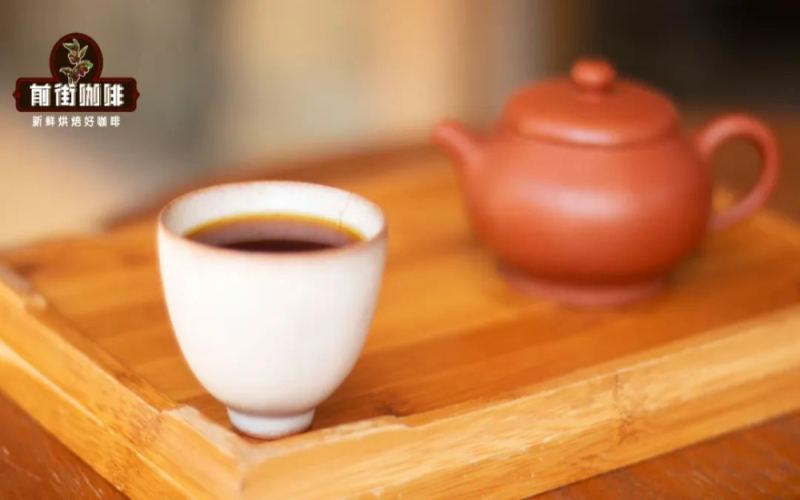
When teaware crosses over into the coffee realm, is brewing coffee with a Yixing clay pot a quirky gimmick or a viable approach? Front Street Coffee put this question to the test. Yixing clay pots, known for their dual-pore structure and slow heat dissipation, are often thought to absorb off-flavors and soften bitterness, while coffee's immersion extraction happens to share the same logic as a French press. This article documents the full process of brewing medium-dark roasted Paradise Bird, washed, and honey-processed beans in a 150ml Yixing clay pot, covering parameters such as coffee-to-water ratio, water temperature, grind size, and steeping time, along with TDS and flavor descriptions. The results show a prominent sweetness and a clean cup, but a general lack of body and complexity. If you're also curious whether a teapot can replace a dripper, this is worth a read. [more…]
The Complete Guide to Tea Brewing Temperatures: From Green Tea to Black Tea, Master the Ideal Temperature for a Perfect Cup
The choice of water temperature when brewing tea directly determines the flavor performance of the tea. Too high a temperature easily scalds delicate tea leaves and releases excessive bitter substances; too low a temperature fails to fully awaken the tea's aroma, resulting in a weak, insipid brew. Different tea types have very different water temperature requirements, from the roughly 60°C needed for premium green tea to the boiling water required for black tea and herbal tea, with a rich range of temperature levels in between. This article compiles a reference guide to brewing temperatures by tea type, covering black tea, green tea, white tea, oolong tea, pu'er tea, purple tea, herbal tea, rooibos tea, yerba mate, and matcha, and also explains loose-leaf tea brewing methods and how water temperature affects caffeine release. Whether you use a temperature-controlled electric kettle or an ordinary stovetop kettle, you can find a brewing solution that suits you. [more…]
Kenya Kirinyaga Coffee Region: A Paradigm of Purple Fruit Flavors Nurtured by Volcanic Soil
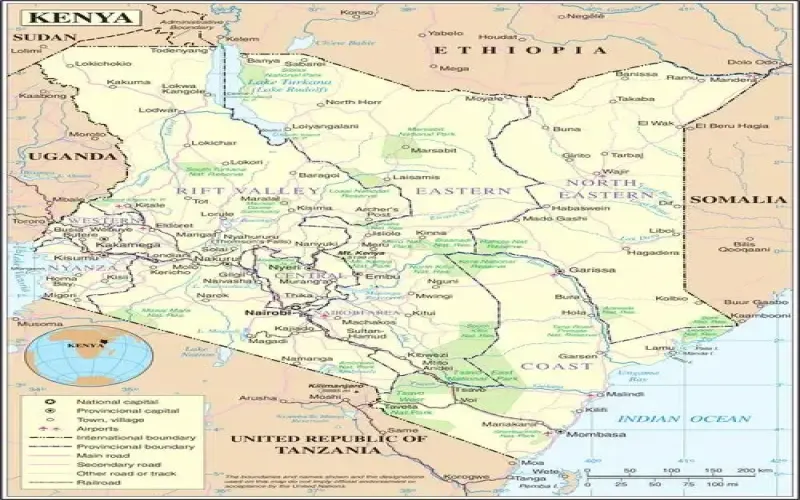
Africa is recognized as the birthplace of coffee. As Ethiopia's neighbor, Kenya started its coffee industry relatively late, yet has won the favor of industry insiders with its multi-layered flavors and juicy acidity. In central Kenya, several well-known producing regions surround the dormant volcano Mount Kenya, among which Kirinyaga has drawn increasing attention in recent years. This region has fertile volcanic soil, abundant rainfall, and a cool climate. Coffee is grown at altitudes between 1,300 and 1,900 meters, and is known for its intense flavor, rich layers, and solid mouthfeel, ranking alongside the Nyeri region as one of Kenya's two finest producing regions. This article will take you through an in-depth look at Kirinyaga's geographical environment, historical background, and flavor characteristics, and share the cupping experience of a washed Kirinyaga Blackberry Queen that Front Street Coffee recently sourced. [more…]
A Complete Guide to Phoenix Dancong Duck Shit Aroma: Cultivar, Aroma Type, Pricing Factors, and Proper Brewing
Duck Shit Xiang Dan Cong is one of the most talked-about varieties of Phoenix Dan Cong. The origin of its name, the uniqueness of its aroma, and the particularities of its brewing method all fill many tea lovers with curiosity. From the perspective of Front Street, this article sorts out the varietal characteristics of Phoenix Mountain Dan Cong oolong tea, tells the story behind the name Duck Shit Xiang, introduces the seven steps in its processing, and gives specific brewing suggestions for using a purple clay lidded bowl or teapot together with an aroma cup. Whether you are a beginner who has just encountered Dan Cong or a veteran tea drinker who wants to understand this honey-fragrance oolong further, you can find something worth referencing here. [more…]
After Luckin Lemon Tea Returned with a Wrong Recipe: Half a Yellow Lemon Added to the Wrong Drink Sparked Dissatisfaction Among Both Staff and Customers
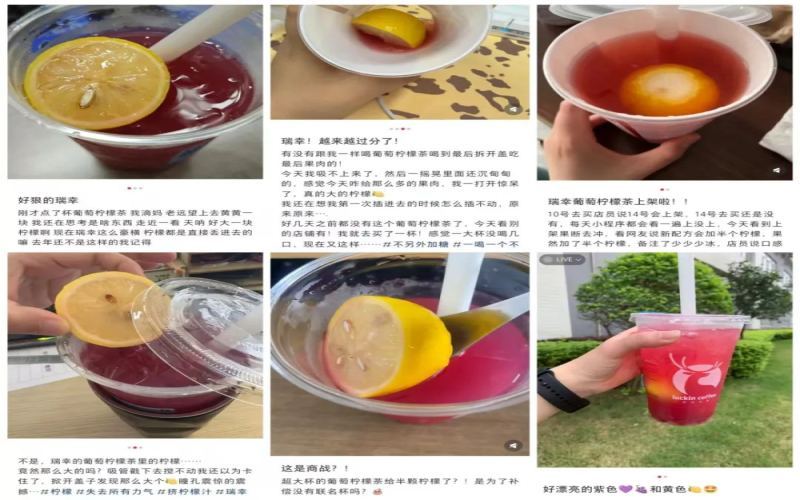
After Luckin's lemon tea series was relaunched, the recipe was adjusted to freshly brewed jasmine tea paired with a new batch of lemon juice, plus lemon pulp and half a yellow lemon. However, this half yellow lemon was supposed to appear only in the light-caffeine lemon tea, but due to an employee's operational error, it was mistakenly added to the grape lemon tea, sparking a wave of complaints and criticism. Customers received a pale purple drink that should never have contained yellow lemon, while employees were miserable because the recipe was cumbersome and prone to errors during peak hours. This article will sort through the operational pressure behind this recipe revision, the changes in consumer experience, and the shared call from both employees and customers regarding whether the yellow lemon should stay or go. [more…]
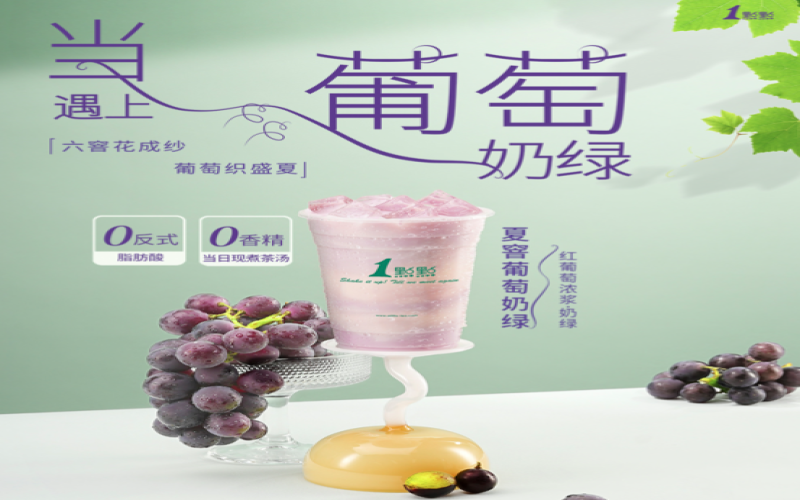
1 Dian Dian's new product "Summer Scented Grape Milk Green" receives poor reviews: both its appearance and taste are criticized by consumers.
Tea brand 1 Dian Dian recently launched a new product, "Summer Pit-Scented Grape Milk Green," attracting a large number of fans to try it out immediately with its light purple promotional posters and novel flavor. However, as genuine feedback increased on social media, this new product encountered overwhelmingly negative reviews—the buyer's show differed vastly from the promotional images, jokingly dubbed "cement gray"; even when opting for no added sugar, some consumers reported it was cloyingly sweet; furthermore, users who switched to A2 fresh milk discovered floating curds in their cups, describing it as "tofu pudding milk tea." From appearance to taste, this highly anticipated new product left many Dian Dian devotees exclaiming "the greater the expectation, the greater the disappointment," and even questioning the brand's R&D capabilities. This article will comprehensively sort out consumers' genuine feedback and the focal points of controversy. [more…]

Can Brewing Coffee with a Clay Pot Really Reduce Bitterness? The Principle and Practical Guide to Japan's Tokoname-ware Dripper
Many coffee enthusiasts buy all the equipment only to find cleaning a hassle, and the gear gradually gathers dust. A company under Amazon Japan has launched a product that looks like a teapot but is actually a coffee brewer, with an extremely minimalist structure—just a high-density filter added at the spout. Its body uses the thousand-year-old Tokoname-yaki craft, firing iron-rich clay unglazed, preserving its porous absorbency, which can adsorb the compounds in coffee that cause off-flavors. The bitterness of coffee mainly comes from chlorogenic acid lactones and phenylindanes, and the clay pot's structure can effectively reduce these unpleasant flavors. Using immersion extraction, by controlling water temperature and the coffee-to-water ratio, you can get a clean, full-bodied cup of coffee in 2-3 minutes. This article explains its principles and key operating points in detail. [more…]