







Search Results for: pouring scheme
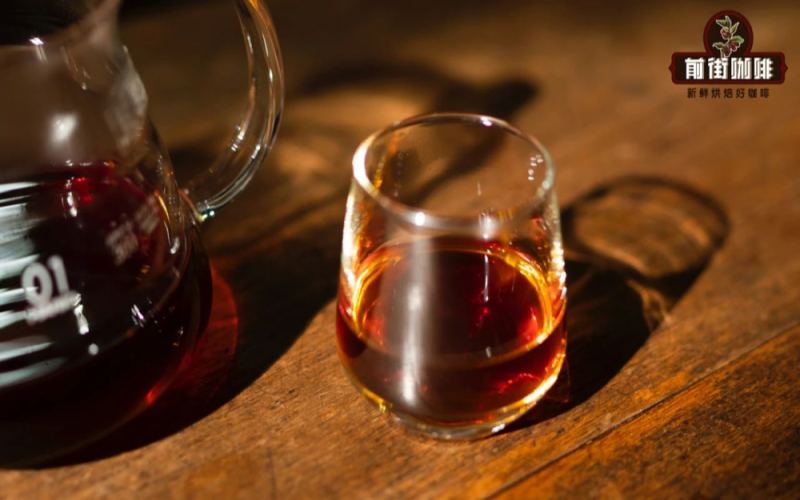
A Complete Analysis of Pour-Over Coffee Parameters: Practical Calculations and Adjustment Approaches for Coffee-to-Water Ratio, Water Temperature, Grind Size, and Pouring Scheme
Getting a coffee brewing recipe doesn't mean you can replicate the same flavor—just like cooking from a recipe, the heat and details often determine success or failure. This article breaks down the role and adjustment logic of each parameter in pour-over coffee, from coffee dose, coffee-to-water ratio, grind size, and water temperature to pouring scheme. Front Street Coffee, drawing on practical experience, shares the commonly used 1:15 ratio, the 86-93℃ water temperature range, and how to flexibly change the number of pouring stages based on extraction time, helping you quickly find the right direction when facing extraction problems. [more…]
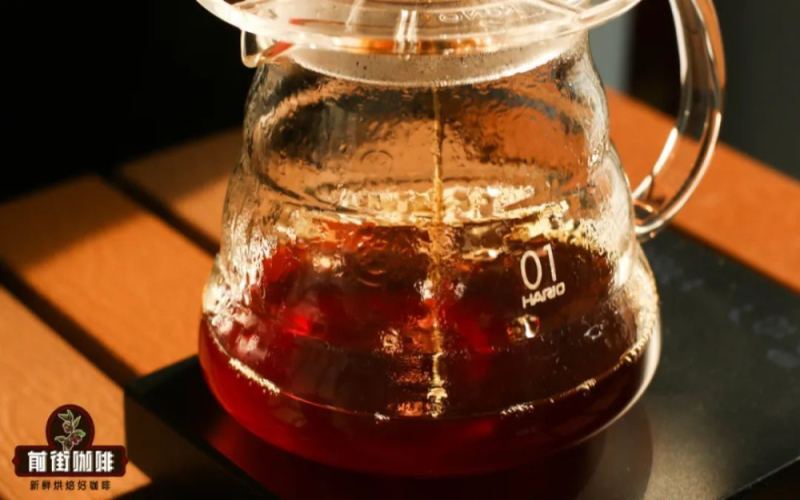
Pour-Over Coffee Strength Adjustment Guide: Key Parameters and Techniques Beyond the Coffee-to-Water Ratio
In the world of pour-over coffee, adjusting strength seems simple—want it stronger, use less water; want it weaker, use more water. However, when changes to the coffee-to-water ratio go beyond a reasonable range, the extraction yield also shifts, which in turn affects the overall flavor of the coffee. This article uses Front Street Coffee's commonly used 1:15 coffee-to-water ratio as an example to explain in detail how to adjust strength while coordinating parameters such as water temperature and grind size to avoid under-extraction or over-extraction. In addition, it introduces the simple method of diluting strength by adding water (bypass) and reminds readers of precautions during operation. Whether you are pursuing a rich mouthfeel or a light flavor, these practical tips can help you control every cup of coffee more precisely. [more…]

What's the difference between ice drip coffee and cold brew coffee? A comprehensive comparison from brewing principles to flavor expression
Ice drip coffee and cold brew coffee are two common cold coffee methods, and many coffee enthusiasts discuss the taste differences between them when drinking coffee at Front Street. This article, through actual experiments, uses the same Front Street sun-dried Huakui coffee beans and employs both ice drip and cold brew methods to make coffee, conducting a comprehensive comparison from production time, equipment, coffee-to-water ratio, extraction scheme to the final flavor performance. Ice drip coffee is clear and bright, with a clean and refreshing taste, carrying fermentation notes and a vinous charm; cold brew coffee, on the other hand, has a full body, obvious fruity sweetness, and a uniform flavor. Through this experiment, the significant difference between the two in terms of a clean and refreshing taste can be clearly identified. [more…]
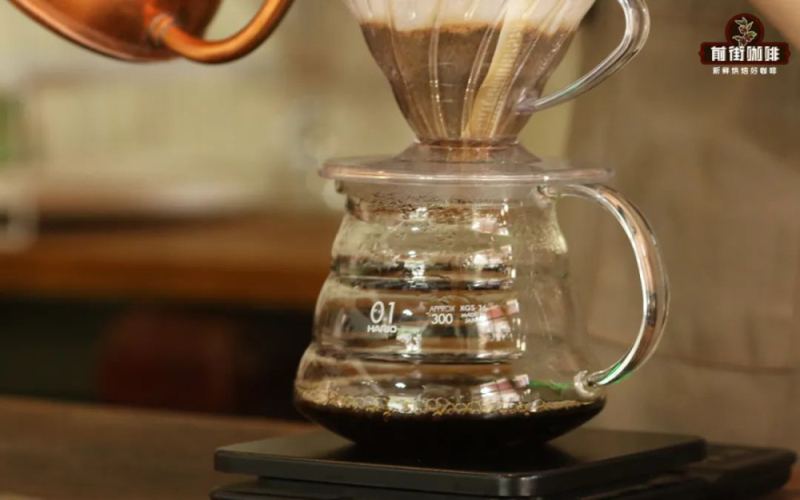
How should the water volume for each pour be scientifically configured when making pour-over coffee with staged pouring?
Segmented pouring in pour-over coffee seems simple, but in reality, even subtle changes in the water volume of each segment leave their mark in the cup. Many friends new to pour-over are often puzzled: how exactly should the water volume after blooming be divided? And in what direction do different distribution schemes take the flavor? Front Street used the Yirgacheffe Gote Gote as a sample and designed three comparative experiments, fixing the dose at 15 grams, the coffee-to-water ratio at 1:16, medium-fine grind, and water temperature at 91°C, changing only the water volume ratio between the second and third pours, to observe how acidity, sweetness, mouthfeel, and finish trend. The experiment also revealed the potential impact of the relationship between the height of the coffee bed wall and the water level on extraction uniformity, and offers reference ideas for flexible adjustment in actual practice. [more…]
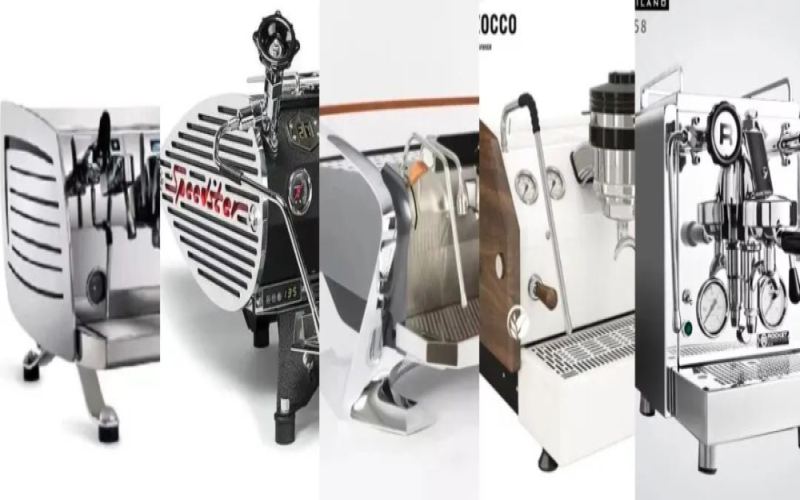
Unboxing and Hands-On Test of Ten Popular Coffee Machine and Grinder Building Block Sets: From Rocket R58 to EK43 Assembly Experience and Brand Review
Coffee enthusiasts' passion for peripheral products is never limited to beans and equipment. This time, we got our hands on ten popular coffee machine and grinder building block models available on the market all at once, covering five series: Late Autumn in Sicily, Midsummer Green, Roman Holiday, Twilight Venice, and Early Spring in Milan, and it took us a week to complete the assembly. From basic models to patience-testing ones, the number of pieces, color schemes, and fidelity to the original machines vary. The article will introduce one by one the real coffee equipment parameters corresponding to each building block set, including Rocket R58, EK43, Slayer Steam EP, Mythos One, La Marzocco GS3, Ultra, Victoria Arduino VA388, LWW EG-1, Kees Speedster, and Mazzer Super Jolly, while also sharing the actual performance of domestic building blocks in terms of fit and structural support. If you also like coffee peripherals, why not take a look at these interesting little items together. [more…]

Analyzing the Causes of Astringency in Pour-Over Coffee: Under-Extraction or Over-Extraction? Brewing Parameters and Operational Tips for Light-Roasted Beans
Many coffee enthusiasts encounter astringency in their coffee during pour-over brewing. Some believe this is a matter of bean quality, but in reality, the brewing process is often the key factor. Starting from the causes of astringency, this article analyzes the relationship between polyphenolic compounds and the degree of extraction, explaining why under-extraction is more likely to cause pronounced astringency. At the same time, for light-roasted coffee beans, it provides a reference brewing parameter scheme, including key points such as coffee dose, coffee-to-water ratio, water temperature, grind size, and extraction time. Combined with the example of Front Street Coffee Yirgacheffe Gutingding, it helps readers understand how to improve coffee flavor by adjusting parameters. [more…]
What Is the Connection Between Espresso and Americano? A Full Analysis of the Origin Story, Water-to-Coffee Ratio, and Flavor Differences
Espresso and Americano come from the same coffee machine and both belong to the category of black coffee, yet the drinking experience is vastly different. This article begins with the birth of espresso during Italy's industrial era, recounts the amusing story of how American soldiers created Americano by adding water, and uses Front Street Coffee's "Warm Sun" espresso blend as an example to analyze the espresso parameters of 20g of grounds extracted to 40g under 9 bars of pressure and 92°C water temperature, the traditional 1:8 dilution ratio, and the 1:4.5 dilution scheme adopted by Front Street Coffee to highlight the vinous aroma and soft acidity, guiding you through the origins and flavor differences of these two classic black coffees. [more…]
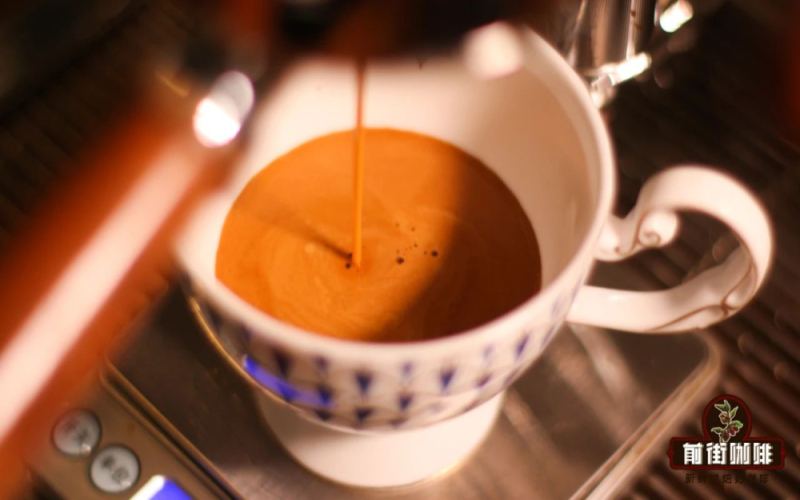
Which Is More Bitter, Americano or Espresso? Analyzing Caffeine Content and Whether Drinking It Is Addictive
Espresso is extracted under high pressure, resulting in a high concentration and intense flavor, and many people prefer the diluted Americano. So which is more bitter, Americano or espresso? Will drinking Americano be addictive? This article begins with the origin and extraction principles of espresso, sorts out the preparation parameters and ratios of Americano, and addresses concerns about caffeine intake and addiction. At the same time, combined with the extraction scheme for Front Street Coffee's classic espresso blend beans, it provides specific methods for making hot and iced Americanos, helping you enjoy a balanced and delicious cup of Americano with greater peace of mind. [more…]

How to Tell the Difference Between Piccolo, Flat White, Latte, Mocha, and Cappuccino? A Detailed Guide to the Piccolo Latte's Making Method and Flavor Characteristics
The espresso coffee family has many varieties. In addition to the common latte and cappuccino, the Piccolo Latte has gradually come into the view of coffee enthusiasts in recent years. This mini milk coffee originating from Australia was initially just a "leftover" product when baristas were dialing in beans, but later developed into an independent category. What exactly is the difference between it and a flat white or a latte? How should the ratio of espresso to milk be controlled during preparation? What are the considerations regarding milk foam thickness? Starting from the sharing of Front Street Coffee (FrontStreet Coffee), this article systematically sorts out the origins, recipe, and preparation details of the Piccolo Latte, and compares the differences among Piccolo, flat white, and latte in cup volume, extraction scheme, and milk foam texture, while also analyzing why Piccolo has always been less popular in China than flat white. [more…]

The Americano and Latte Parameter Adjustment Guide for SOE Espresso: From Extraction Concepts to Flavor Optimization
SOE has been appearing frequently in coffee shops in recent years, but making a satisfying cup of SOE at home is not simple. This article starts from the basic definition of SOE, analyzes its core differences from blended beans, and addresses common problems of light-roast SOE such as sharp acidity and unstable flavor, providing a complete extraction approach from clarifying purpose, applying formulas, to flavor adjustment. Whether you want to drink it directly, add water to make an Americano, or add milk to make a latte, you can find the corresponding parameter adjustment methods. The article also recommends specific beans such as Front Street Coffee. Huakui SOE and Front Street Coffee. Mozart SOE to help you get started quickly in practice. [more…]
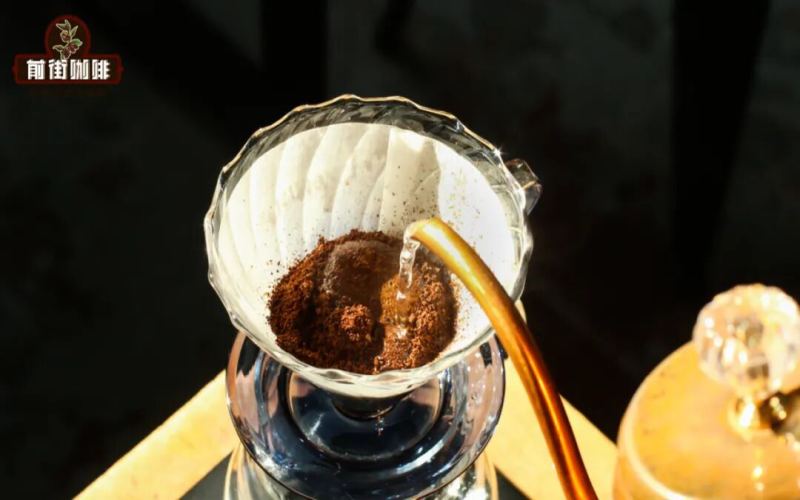
Pour-over coffee pouring techniques | How to make delicious pour-over coffee with a cake filter cup? What coffee flavors does Hacienda La Esmeralda Diamond Mountain present after brewing?
Water flow control, timing of pouring, and the harmonization of various parameters are all details we need to pay attention to during the coffee brewing process. Even for the three-stage pour, which Front Street Coffee considers the easiest way to brew good coffee with the highest margin for error, none of these three details can be neglected during brewing. When you stay focused for a long time or over many repetitions, [more…]
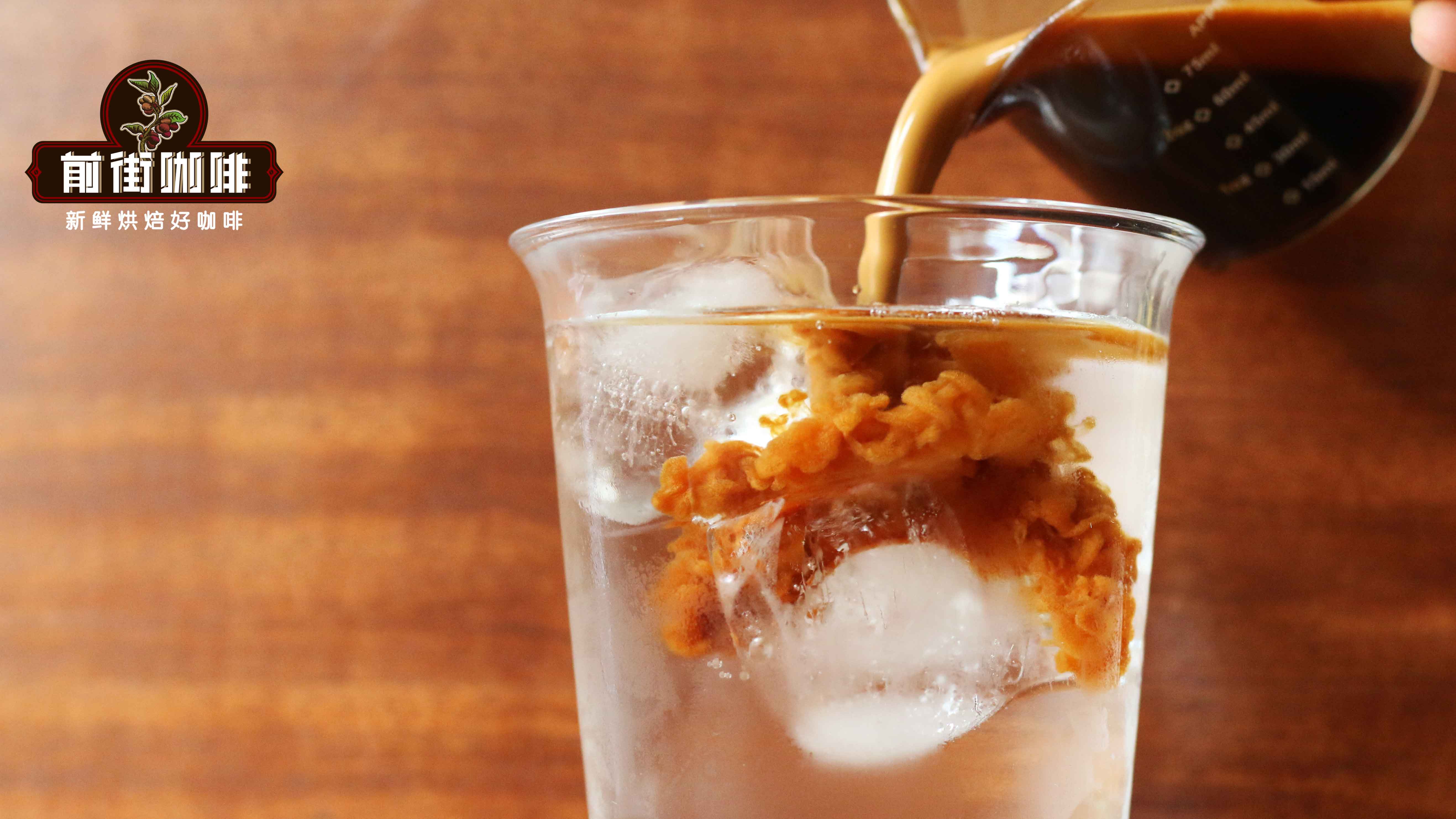
How to Determine the Water-to-Coffee Ratio for Iced Pour-Over Coffee? An Analysis of Ice Placement Timing and a Complete Brewing Plan
Iced pour-over coffee, with its refreshing and palate-cleansing taste, has become a favorite among many coffee enthusiasts. But to make a delicious iced pour-over, the key lies in setting the water-to-coffee ratio and how you use the ice. Unlike hot pour-over, iced pour-over requires first extracting a highly concentrated hot coffee liquid, then diluting and cooling it with ice, so the coffee-to-water ratio, pouring amount, and ice quantity all need to be readjusted. This article will explain in detail the brewing approach for iced pour-over, suitable coffee bean choices, and the parameter scheme used by Front Street Coffee in actual practice, helping you easily recreate a cup of iced pour-over with complete flavor at home. [more…]

Wanglaoji's Waterfall Iced Cantonese-Style Drink Sparks Debate: Is Herbal Tea Crossing Over into Coffee Innovation or Anxiety?
Coca-Cola recently launched an herbal tea product called "Prunella vulgaris," but its name and packaging color scheme triggered collective misreading among netizens, many of whom associated it at first glance with the pesticide "paraquat." Meanwhile, Wong Lo Kat is also vigorously promoting "Waterfall Iced Cantonese Style" in its physical stores, combining concentrated herbal tea with fruit soda and ice, imitating coffee's visual appeal and sense of ritual. From Coca-Cola's naming mishap to Wong Lo Kat's attempt to turn herbal tea into coffee, traditional herbal tea brands all seem anxious to break through the limitations of their consumption scenarios. Are these crossover moves genuine innovation breakthroughs, or helpless measures by brands under performance pressure? [more…]

Iced Americano Mixing Guide: The Golden Ratio of Espresso to Iced Water and Practical Tips
Iced Americano is a classic drink for cooling down and refreshing yourself in summer. It seems like a simple mix of espresso, water, and ice, but in reality, there is a science to the ratios. Drawing on Front Street Coffee's experience, this article provides a detailed analysis of water-dilution schemes for coffee beans of different roast levels, explores how ice melting speed affects flavor, and offers a set of practical mixing techniques that require no complicated calculations. Whether you prefer a rich or a light taste, you can find an iced Americano method that suits you, making every cup just right. [more…]
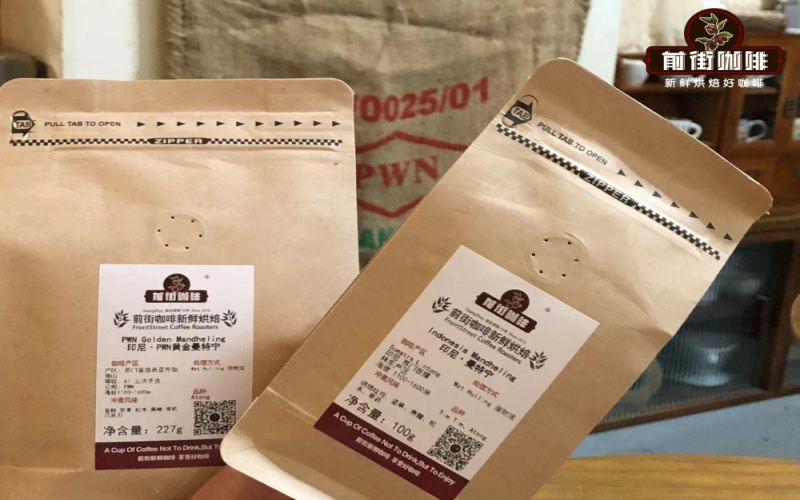
The Ins and Outs of the Mandheling Coffee Name and a Detailed Brewing Guide: From Historical Legend to Front Street Coffee's Practical Approach
Mandheling is a coffee bean cherished by many coffee enthusiasts. It comes from the archipelago nation of Indonesia and continues to attract a large following with its distinctive character. Behind the name Mandheling lies a fascinating double misunderstanding, and its origin classification has clear boundaries as well—only Arabica produced in North Sumatra can bear the name Mandheling. This article begins with the naming legend as understood by Front Street Coffee, then outlines the characteristics of the two core producing regions, Lintong and Aceh, introduces the screening standards and identification methods for PWN Golden Mandheling, and shares Front Street Coffee's complete brewing parameters and three-stage pouring scheme for dark-roasted Mandheling, helping you brew a rich, sweet cup at home. [more…]
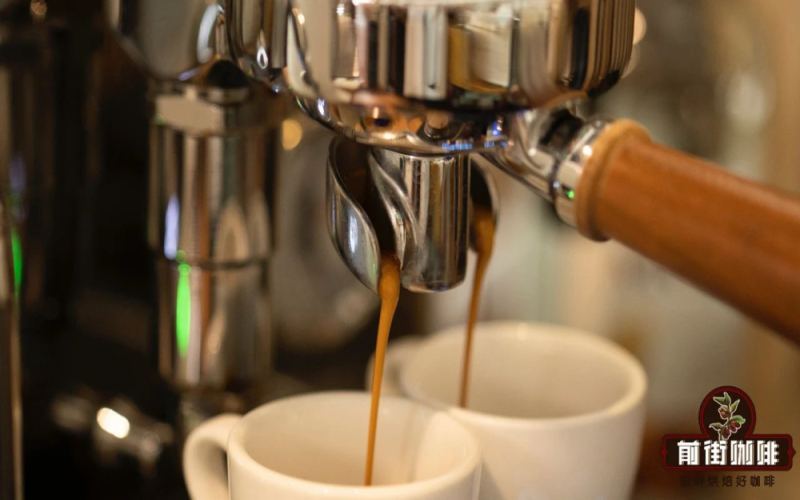
A Complete Guide to Espresso: Extraction Principles, the Science of Crema, and the Standard Brewing Process
Espresso is a coffee beverage obtained by Italians using a pressurized coffee machine to quickly extract coffee at high temperature and pressure in a short time, with a layer of golden foam on its surface. Different stores may have significantly different final flavors due to the espresso beans and extraction schemes they choose, but a standard espresso usually has two common characteristics. This article will start with the formation principle of the cream, explain the relationship between its color and the freshness of the coffee beans and the degree of roasting, then discuss the causes of high concentration, and, using the products from Front Street stores as a reference, introduce in detail the complete production process from powder amount, ratio, and time to specific operations, helping coffee enthusiasts to consistently extract an ideal cup of Espresso at home. [more…]
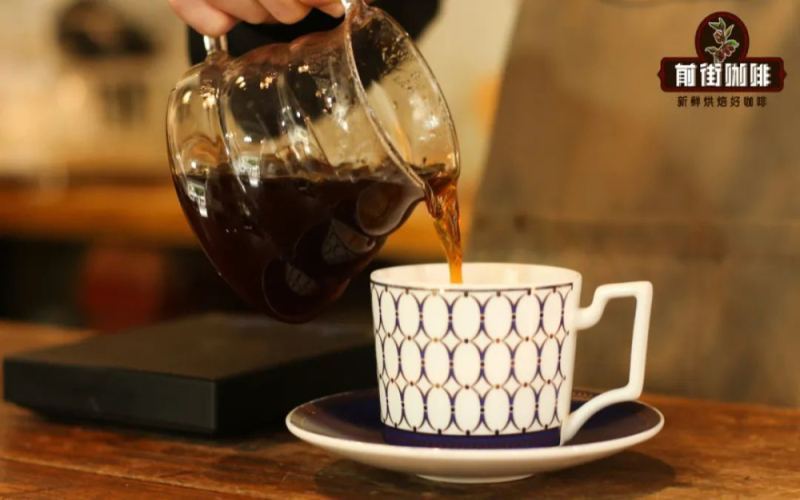
Why Does Front Street Coffee Stick with the Three-Pour Hand Brew? A Comprehensive Analysis of Its Pros and Cons Versus Single-Pour and Other Pouring Methods
Pour-over coffee brewing methods are endless: one-pour, 4:6, volcano, Kono style… Each method has its own unique expressiveness, bringing out different flavor emphases in coffee. Yet Front Street Coffee has always focused on three-stage brewing, which makes many coffee lovers curious: why not try other methods? This article starts from practical application, analyzes the fundamental reasons Front Street chose the three-stage method, and compares the advantages and differences between three-stage and pouring techniques such as the one-pour method, while retaining relevant product and store information for the Front Street brand, providing coffee lovers with a clear theoretical reference. [more…]
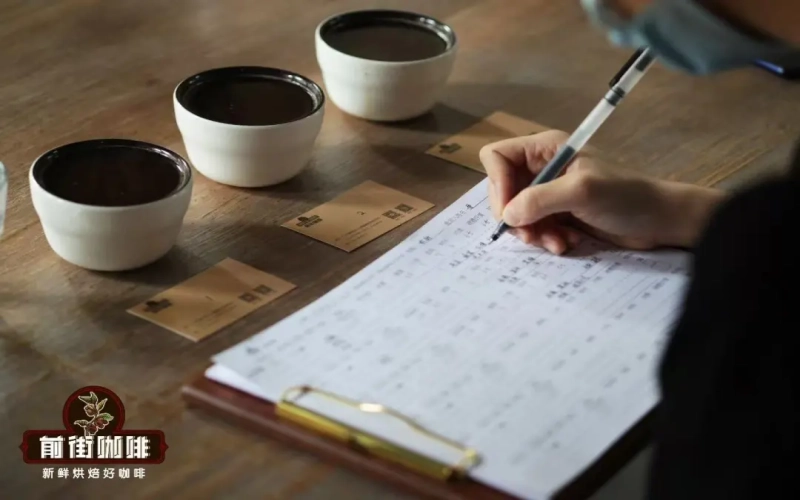
SCAA Coffee Flavor Wheel User Guide: From the Three-Ring Structure to Sensory Training, Systematically Master the Pour-Over Coffee Tasting Method
The coffee flavor wheel is an authoritative sensory tool recognized by the industry, but it cannot make you directly taste a certain flavor; rather, it is an auxiliary guide to help you organize and identify flavors. This article will use the new version of the flavor wheel released by the SCAA in 2016 as a blueprint, starting from its research background, and disassemble one by one the correspondence among the three-layer structure of the inner ring, middle ring, and outer ring. Combined with a comparative example of Front Street Yirgacheffe Gedingding and Front Street Boquete Geisha, it explains how to use the flavor wheel to gradually narrow the scope of judgment and build sensory memory. At the same time, it also reminds enthusiasts that they do not need to blindly follow the flavor wheel, because the samples it includes are limited, and real flavors such as lychee may not necessarily appear on the wheel. At the end, the article also shares the ingenious design between the flavor wheel's color scheme and flavor associations, helping you more efficiently improve your ability to identify the flavors of pour-over coffee. [more…]

In-Depth Analysis of the KONO Meimon Dripper: Master the Design Essence and Dark Roast Coffee Brewing Characteristics
In the world of coffee brewing, V60 has almost become synonymous with conical drippers, but Front Street Coffee often chooses another classic piece of equipment when producing dark-roasted coffee—the KONO dripper. This brand, originating from Japan's Kono family in 1925, showcases a rich and full-bodied flavor when extracting dark-roasted beans thanks to its unique rib design and siphon effect. However, domestic coffee enthusiasts have quite limited understanding of it. In this article, Front Street will systematically sort out the historical evolution of the KONO dripper, the differences between models such as Meimon and Konos, and why it is particularly suitable for the brewing logic of dark-roasted coffee, and will share the parameter schemes that Front Street has summarized in actual operation, to bring you a comprehensive understanding of this low-key yet highly capable dripper. [more…]
How to determine the pouring ratio for the three-stage pour-over method? A practical analysis of water distribution between the second and third pours
The three-pour method is a common pouring technique in pour-over coffee, but many enthusiasts are unclear about how exactly the water should be divided between the two pours after the bloom. This article uses 15 grams of coffee at a 1:15 coffee-to-water ratio, selecting Front Street 2013 Yunnan Arabica Typica for a comparative experiment, setting up three schemes: a larger second pour, two equal pours, and a larger third pour, and analyzes the flavor differences in terms of acidity, body, and aftertaste. The experiment shows that the more water allocated to a given pour, the higher the extraction efficiency of soluble substances during that stage, and that the height of the coffee bed wall and the rate of water level descent are key references for judging the pouring rhythm. [more…]