







How Did Espresso and Americano Caffe Drinks Split Apart?
Espresso and Americano are both black coffee pulled on the same machine, but they drink very differently. Espresso was born during Italy's industrial era as a fast, concentrated pick-me-up of roughly 30 milliliters. Americano came later, when American soldiers stationed in Italy diluted espresso with hot water to mimic the larger, lighter coffee they were used to back home.
The gap is mostly water. Front Street's Warm Sun blend is extracted at 9 bar and 92C, with 20 grams of grounds yielding 40 grams of liquid, then diluted at the traditional 1:8 ratio, or 1:4.5 in the shop's own scheme to keep the vinous aroma and soft acidity. That added water is what makes a diluted espresso taste rounder.
Espresso and Americano come from the same coffee machine and both belong to the category of black coffee, yet the drinking experience is vastly different. This article begins with the birth of espresso during Italy's industrial era, revisits the amusing story of how American soldiers created Americano by adding water, and uses Front Street Coffee's "Warm Sun" espresso blend as an example to analyze the espresso parameters of 9 bar pressure, 92°C water temperature, and 20g of grounds extracted to 40g, the traditional 1:8 dilution ratio, and Front Street's 1:4.5 dilution scheme adopted to highlight the vinous aroma and soft acidity—guiding you through the origins and flavor differences of these two classic black coffees.
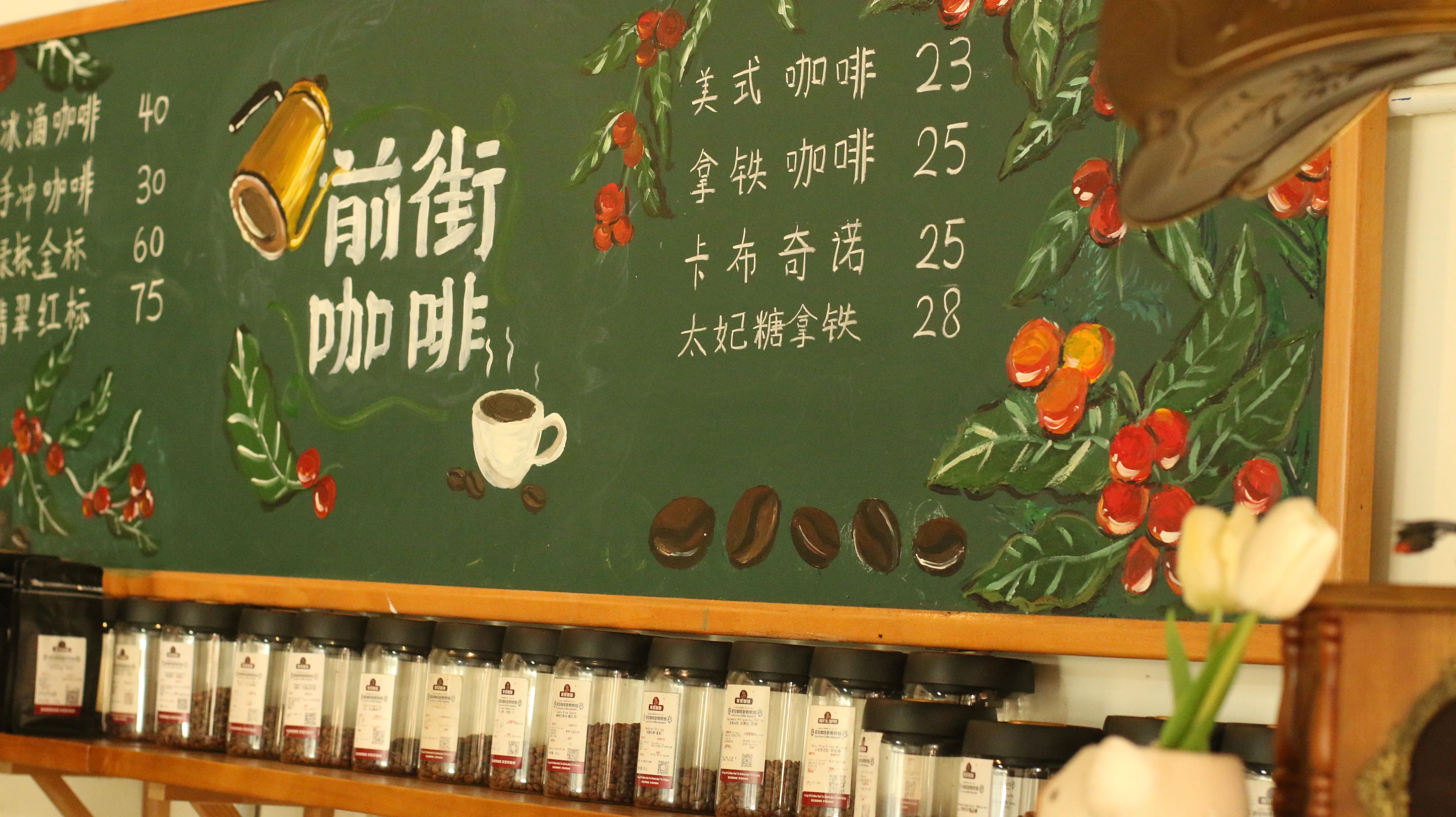
Front Street Coffee's barista greets with a smile: "Hello there! Which coffee would you like today? An espresso, or would you like to try a pour-over?"
The customer responds: "I'd like an espresso... and by the way, I'd like to ask—what exactly is the difference between espresso and Americano?"
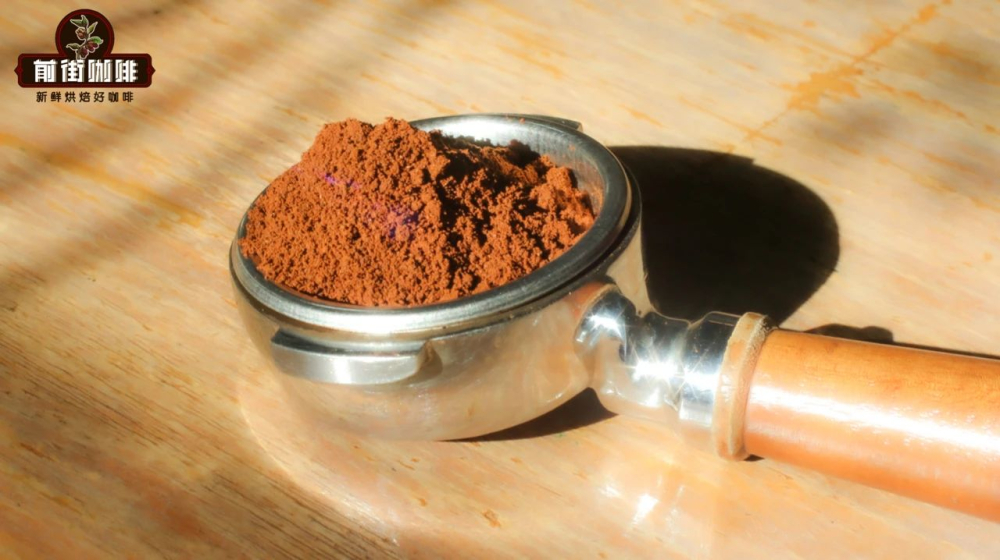
I believe those who frequently visit cafés have seen this scene: the barista swiftly grinds the beans, loads them into the portafilter basket attached to the handle, then locks the handle onto the coffee machine with a "click," and extraction begins~ The same equipment produces both, and both are black coffees without milk—so why do we still discuss espresso and Americano separately? This story begins with the birth of espresso~
What exactly is espresso?
It can be traced back to Italy's industrialization period. At that time, brewing a pot of coffee was quite time-consuming, while busy workers only had brief work breaks and urgently needed a highly concentrated, caffeine-rich drink for a quick pick-me-up. So cafés introduced the manual pressure method: using pressure to force a small amount of water at high speed through the coffee bed, extracting an extremely concentrated coffee liquid, about 30 milliliters per serving. In those days, people had no pursuit of coffee bean quality; the beans used were generally strong and heavy in flavor with relatively high caffeine content. Everyone would drink it in two or three sips, rest for a short while, and return to work full of energy.
Today, espresso is no longer just a pick-me-up tool~ As specialty coffee has become widespread, people are increasingly particular about coffee's flavor. Even for espresso, it must be strong without being bitter, and bitter without being burnt—fully stimulating the taste buds without leaving any unpleasant sensation in the mouth~
Taking Front Street Coffee's espresso offerings as a reference, the shop uses the "Warm Sun" espresso blend—composed of Ethiopia naturally processed Red Cherry paired with Honduras Sherry barrel-aged flavored beans; extracted at 9 bar pressure and 92°C water temperature, using 20g of coffee grounds to yield 40g of coffee liquid within 25-30 seconds. The espresso made according to this scheme presents a whisky-like vinous aroma, strawberry-like sweet-tartness, and a silky vanilla cream mouthfeel, with a finish of hazelnut chocolate notes~ However, if you drink espresso straight right away, the intense flavor can easily put people off. Some who find it hard to adapt will add water to dilute it—and this cup of diluted coffee is precisely the well-known "Americano."
Where does the name Americano come from?
Back then, when American soldiers came to Italy, they found the local espresso truly hard to swallow, so they asked the shop for clear water and poured it into the espresso to dilute it. They then discovered that this way of drinking was both as rich and full-bodied as freshly brewed coffee, and much faster to prepare. When the soldiers returned to America, they not only brought back extraction equipment and techniques, but also gave this diluted espresso the name "Americano." Thereafter, this quickly made black coffee grew ever more popular, ultimately becoming America's national drink~
To repeat the old saying: after specialty coffee became widespread, espresso quality improved, and Americano's standard naturally rose with it~ People expect this black coffee to also possess distinct flavor layers, so how much water to add to espresso now has clear standards for reference~ Traditional Americano uses a 1:8 dilution ratio, a reference value suitable for espresso made from most espresso blend beans~ If your espresso leans toward a fresh, clean flavor profile, then you should adjust the ratio according to the actual situation~
Taking Front Street's "Warm Sun" espresso blend as an example again: to better showcase the vinous aroma and soft acidity, the dilution ratio is set between 1:4 and 1:5. Extraction details are also adjusted—if the old scheme of 25-30 seconds, 20g grounds extracted to 40ml were still used, after dilution, certain undesirable flavors might actually be amplified. To avoid bitterness, Front Street deliberately cuts the extraction short when preparing the espresso used for Americano: using 20g of grounds to take only 35g of coffee liquid, then diluting with water at a 1:4.5 ratio. An Americano like this greets the palate with vinous aroma and berry acidity, with vanilla, hazelnut, and chocolate notes lingering in the finish~
To exchange professional coffee knowledge and get more coffee bean information, welcome to follow our WeChat public account: Coffee Workshop (cafe_style); to purchase more specialty coffee beans, you can also add Front Street Coffee's personal WeChat, account: qjcoffeex.
The above content is compiled by CoffeeHunters, a coffee news website.


