







Search Results for: pouring ratio
Beginner's Guide to Pour-Over Coffee | How Much Water Should You Use When Brewing Pour-Over Coffee? Is the Pour-Over Coffee Coffee-to-Water Ratio Always 1:15? What Factors Affect the Flavor of Pour-Over Black Coffee?
The coffee-to-water ratio is a very important parameter in pour-over coffee. Put simply, with a fixed amount of coffee grounds, there is an amount of water that is just right to bring out the aroma of the coffee to the fullest. Therefore, learning to find the correct coffee-to-water ratio is also an important part of learning to brew coffee. What is the coffee-to-water ratio? [more…]
Is Pour-Over Coffee the Same as Americano? A Detailed Explanation of the Coffee-to-Water Ratio and How to Order Pour-Over at Starbucks
Many people conflate pour-over coffee with Americano, but the two actually differ significantly in both brewing method and flavor profile. Starting from Front Street Coffee's brewing experiments, this article explores the practical impact of the coffee-to-water ratio on flavor, comparing how coffee concentration and extraction yield change under different ratios. It also outlines the definition and traditional ratios of Americano, and, drawing on the practice of Front Street Coffee's Sunflower Warm Sun blend, explains how to find the Americano ratio suited to a particular coffee bean. It then compares the taste differences between espresso and Americano, and finally offers tips for ordering pour-over coffee at Starbucks. [more…]
The Difference Between Coffee-to-Water Ratio and Coffee-to-Beverage Ratio Explained: Choosing and Converting Measurement Methods for Pour-Over
In the daily practice of pour-over coffee, the coffee-to-water ratio and the coffee-to-beverage ratio are two concepts that are often mentioned but easily confused. The former refers to the ratio of coffee grounds to the amount of water poured, while the latter measures the relationship between the coffee grounds and the weight of the final brewed coffee liquid. Since coffee grounds absorb about twice their own weight in water during extraction, there is a convertible correspondence between these two ratios. Understanding their differences not only helps in choosing the appropriate measurement method for different brewing scenarios, but also enables coffee enthusiasts to precisely control the extraction results. This article will systematically sort out the definitions of the coffee-to-water ratio and the coffee-to-beverage ratio, the conversion logic, and their respective applicable occasions, and combine them with the practical experience of Front Street Coffee to provide readers with clear operational guidance. [more…]
How Does the Coffee-to-Water Ratio in Pour-Over Affect Flavor? An Analysis of the Standard Americano Ratio and Its Differences from Espresso
Brewing a good cup of coffee—the coffee-to-water ratio is one of the key variables. Through comparative experiments, Front Street Coffee systematically analyzes the effects of different coffee-to-water ratios on coffee concentration, extraction yield, and flavor performance, and further explores whether the traditional ratio for Americano applies to all coffee beans. This article starts with the pour-over coffee-to-water ratio, combines it with the extraction logic of espresso, analyzes the essential differences between Americano and pour-over in mouthfeel and flavor layers, and provides a practical method for determining the appropriate ratio for Americano, helping coffee enthusiasts understand the relationship between extraction and flavor more scientifically. [more…]
A Detailed Guide to Pour-Over Coffee Ratios: Staged Pouring, Water Temperature, Grind Parameters, and a Three-Stage Practical Guide
The charm of pour-over coffee lies in the ability to flexibly adjust various parameters, and the coffee-to-water ratio is the core variable that determines strength and extraction. Starting from the definition of the coffee-to-water ratio, this article analyzes how the amount of water poured affects strength and extraction yield, explains how to choose a suitable ratio based on the characteristics of the beans, and breaks down in detail the principles and methods of staged pouring. Using the 15 g dose and 1:15 to 1:16 ratio commonly used at Front Street locations as an example, along with parameters such as water temperature and grind size, it provides a three-pour brewing procedure suitable for beginners, helping enthusiasts build their own brewing framework. [more…]
Pour-Over Coffee Ratio for One Person: 15g Coffee to 225ml Water and a Three-Pour Extraction Guide
How much water should 15 grams of coffee grounds actually be paired with? How can a single-serving pour-over brew a stable and delicious cup? This article starts from the 1:15 coffee-to-water ratio long used by Front Street Coffee, explaining the difference between the coffee-to-water ratio and the water-to-coffee ratio, why the brewed coffee liquid is not 225 milliliters, the relationship between 1:15 and the Golden Cup extraction range, and why this ratio is reliable enough for most coffee beans. At the same time, the article also fully breaks down the specific steps of three-stage pouring, including blooming, the water volume for each stage, changes in the liquid level, and the shaking and blending after brewing ends, helping you better bring out floral aromas, fruity acidity, and rich layers with pour-over. [more…]
Pour-over Coffee Strength | Is the Golden Ratio of Water to Coffee for Pour-over 1:15? When brewing pour-over coffee, is more water always better?
When making coffee, the coffee-to-water ratio is the first brewing factor we need to determine. So what is the standard coffee-to-water ratio? The answer is: the golden ratio is 1:18, meaning every 1g of coffee corresponds to 18ml of water. This ratio was derived by the American Coffee Association through surveys and extensive practice. But [more…]
Pour-Over Coffee Ground-to-Water Ratio Tested: Using Blue Label Geisha as an Example, Which Ratio from 1:15 to 1:18 Is More Suitable?
Among the many variables in pour-over coffee, the coffee-to-water ratio is often overshadowed by grind size and water temperature, yet its influence on the final flavor profile cannot be ignored. Using the Blue Label Geisha from Panama's Hacienda La Esmeralda as a sample, Front Street Coffee fixed the grind size, water temperature, and brewing technique, changing only the coffee-to-water ratio, and conducted comparative brews with four parameter sets: 1:15, 1:16, 1:17, and 1:18. By recording the extraction time and flavor performance of each cup, the differences in coffee concentration, complexity, sweetness, and aftertaste under different ratios were analyzed, offering a reference for ratio selection when brewing flavor-rich beans like Geisha in daily practice. [more…]
How to Decide the Coffee-to-Water Ratio for Pour-Over? A Practical Guide from 1:15 to 1:18 and a 15g Coffee Pouring Plan
The coffee-to-water ratio is the first parameter to nail down in pour-over coffee, as it directly influences both the strength and the extraction yield. The American Coffee Association once arrived at a golden ratio of 1:18 through extensive research, but today's bean varieties and processing methods are vastly different, making this figure better suited as a starting point than an ironclad rule. Front Street Coffee's shops typically brew with 15 grams of grounds to a 1:15 ratio, meaning 225 milliliters of hot water is poured; when they want to highlight floral notes and acidity, they loosen the ratio to 1:16. This article explores how the coffee-to-water ratio affects flavor, how to fine-tune it for different beans, and a hands-on three-pour routine using 15 grams of grounds, helping beginners find a brewing rhythm that suits them. [more…]
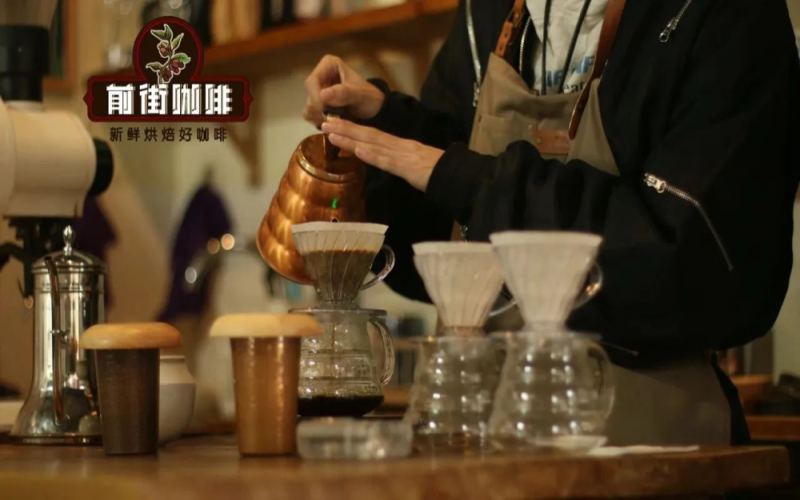
Pour-over coffee brewing ratio | Is the espresso coffee-to-water ratio different from pour-over? What details should be noted for pour-over coffee blooming?
Pour-over coffee is a brewing method that places great emphasis on technique and coffee expertise. Factors such as the amount of coffee beans used for pour-over, the coffee grind size, the coffee-to-water ratio and time, and the brewing technique all affect the flavor extracted in pour-over coffee. So how can you brew a perfect-tasting pot of pour-over coffee? In the rest of this article, Front Street [more…]
How to Choose the Coffee-to-Water Ratio for Pour-Over? Testing Flavor Differences from 1:15 to 1:18 Using Butterfly Geisha as an Example
Among the many variables in pour-over coffee, the brew ratio is often overshadowed by grind size and water temperature, yet the amount of water directly determines the direction of the final cup's flavor. Front Street Coffee used a washed Butterfly with 70% Geisha content as a sample and, while keeping grind size, water temperature, and brewing technique constant, conducted comparative brews using four brew ratios: 1:15, 1:16, 1:17, and 1:18, recording the extraction time and flavor performance of each ratio one by one. Starting from actual brewing data, this article will analyze how different brew ratios affect the concentration, complexity, and aftertaste of coffee, helping coffee enthusiasts find the brew ratio that better showcases the characteristics of flavor-rich beans like Geisha. [more…]
How to determine the coffee-to-water ratio for pour-over coffee? How much water for 15 grams of coffee to get enough flavor?
The appeal of pour-over coffee lies in its ability to bring out different flavors by adjusting parameters, and the coffee-to-water ratio is one of the most critical variables among them. The ratio not only determines the strength of the coffee, but also directly affects the extraction yield and the direction of the taste. Starting from the definition of the coffee-to-water ratio and drawing on the brewing experience of Front Street Coffee shops, this article explains how to find a suitable ratio range and provides a detailed introduction to the operation method and parameter settings of three-pour brewing. Whether you are a beginner just getting into pour-over or an enthusiast looking to refine your technique, you will find practical references here. [more…]
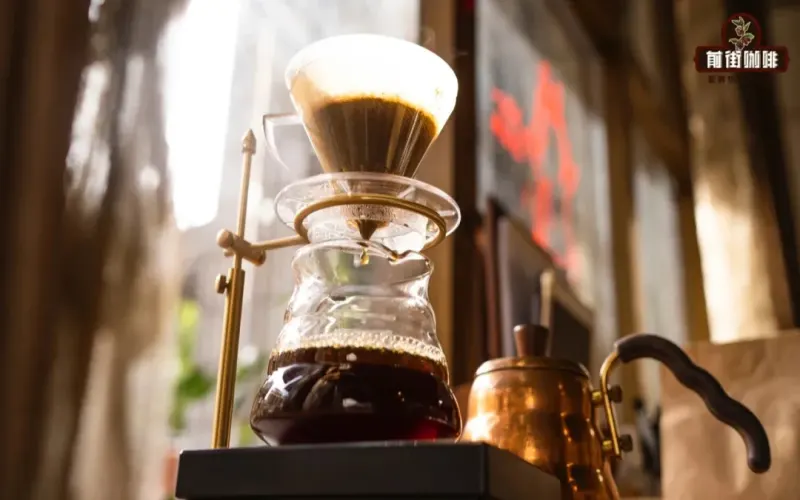
Why Is It Not Advisable for Beginners to Use the Coffee-to-Liquid Ratio? A Detailed Explanation of the Core Differences Between the Coffee-to-Water Ratio and the Coffee-to-Liquid Ratio
There are two main ways to measure coffee for pour-over: the coffee-to-water ratio and the coffee-to-liquid ratio, but Front Street does not recommend that beginners use the coffee-to-liquid ratio to brew coffee. What exactly is the difference between the two? Simply put, the coffee-to-water ratio measures the amount of water poured in, while the coffee-to-liquid ratio measures the weight of the final brewed coffee liquid. The reason the coffee-to-liquid ratio is not quite suitable for beginners is that it does not allow you to accurately know how much water was poured in each time, and you can only rely on experience and visual judgment. A slight lapse can lead to pouring too much hot water at a critical stage, affecting the quality of the final cup. This article will start with the differences between the two and their historical origins, and combine them with a set of comparative experiments done by Front Street using Panama Boquete Geisha to explain the actual effect of blooming water volume on flavor, helping you choose the right measuring method and brew good coffee consistently. [more…]
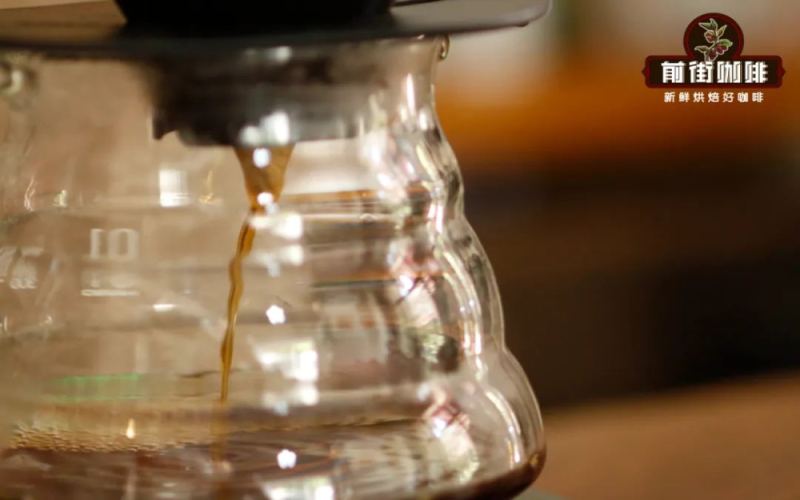
How to Choose the Coffee-to-Water Ratio and Coffee-to-Liquid Ratio for Pour-Over Coffee? A Full Analysis of Drip Parameters and Conversion Logic
In the parameter system of pour-over coffee, the coffee-to-water ratio and the coffee-to-liquid ratio are two parallel measurement logics. The former relies on a digital scale to precisely control the amount of water poured, while the latter judges the final volume of coffee liquid through the markings on a serving carafe. Many classic utensils, such as the Kono serving carafe and the Hario Cloud server, have hidden scale markings that correspond to specific coffee dose designs. The coffee-to-liquid ratio is more flexible when dealing with clogged drippers and deep-roast foam handling, while the coffee-to-water ratio excels in the precision of staged pouring information. The two can also be converted into each other: coffee grounds absorb about twice their own weight in water when saturated, so a coffee-to-water ratio of 1:15 is roughly equivalent to a coffee-to-liquid ratio of 1:13. Only by understanding this logic can reasonable adjustments be made according to different beans and utensils. [more…]
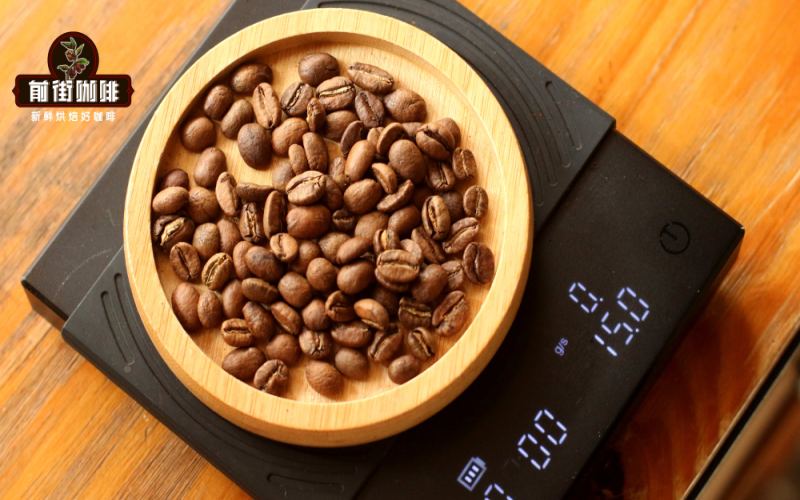
Pour-over Coffee Three-Stage Pouring Technique Tutorial | How Much Water for 15g of Coffee Powder in Pour-over Coffee? How Can Coffee Beginners Make a Single Serving of Pour-over Coffee?
When brewing pour-over coffee, Front Street Coffee insists on using a 1:15 coffee-to-water ratio—why is that? Was this result arrived at by chance, or was it derived from various brewing experiments based on data? In this article, Front Street will explain why. [more…]
A Complete Guide to Pour-Over Coffee Ratios: From the Golden Standard to Parameter Adjustment and a Three-Pour Practical Guide
The coffee-to-water ratio is the first threshold that cannot be avoided in pour-over coffee, and it is also the key variable that determines the strength and flavor expression of a cup of coffee. The American Coffee Association arrived at the so-called "golden ratio" of 1:18 through extensive research in the early years, but the bean quality and processing methods of that era are no longer comparable to those of today. In actual brewing, coffee beans from different regions and with different processing methods each have their own character, and a single ratio clearly cannot suit them all. Starting from Front Street's brewing experience, this article will discuss how the coffee-to-water ratio affects concentration and extraction yield, why Blue Mountain is suited to 1:15 while Emerald Estate Red Label is better suited to 1:16, and how beginners should start from the 1:15–1:18 range, coordinating with parameters such as water temperature, grind size, and pouring technique, to brew a cup of coffee with distinct layers using a three-stage pour. [more…]
How to determine the coffee-to-water ratio for pour-over? The effects of water volume on strength and extraction yield, and approaches to parameter adjustment
In pour-over coffee, the coffee-to-water ratio may seem like just a simple number, yet it directly determines the strength of the coffee and the direction of the extraction yield. A little more or a little less water, and the flavor can be completely different. Starting from Front Street's extraction practice, this article brews 15 grams of medium-light-roasted Kenya Asalia at three ratios—1:10, 1:15, and 1:20—and compares the strength and extraction yield data to explain why 1:15 is merely a safe starting point rather than the only answer. At the same time, it discusses the subtle changes brought by 5 milliliters of water, and sorts out the commonly used range of 1:13–1:18 along with adjustment suggestions for high-density beans, helping you find a coffee-to-water ratio that better suits your own taste. [more…]

A Complete Guide to Pour-Over Coffee Dose, Ratio, and Blooming: Front Street Coffee Brewing Parameters and a Three-Pour Practical Guide
To consistently brew a delicious pour-over coffee, bean dose, coffee-to-water ratio, blooming, and pouring rhythm are all indispensable. Starting from Front Street Coffee's practical experience, this article explains the reasoning behind 15g of grounds, a 1:15 coffee-to-water ratio, and a 225ml final yield, and compares this with common espresso extraction ratios to help readers build a replicable parameter framework. It then uses a washed Yirgacheffe Gudingding as an example to provide the complete V60 three-pour brewing process, with a focused breakdown of details such as blooming and degassing, pouring height, and the rhythm of pausing between pours, so that even beginners can follow along step by step and reduce the harsh, astringent flavors caused by under-extraction or over-extraction. [more…]
Pour-over coffee method step-by-step guide | What is the best golden coffee-to-water ratio for pour-over? How to adjust water temperature and brewing time parameters?
The charm of pour-over coffee lies in the ability to adjust various subtle parameters and tweak the extraction variables at different stages to achieve a cup with the flavor and mouthfeel you enjoy. Front Street Coffee believes that the coffee-to-water ratio is a very important parameter affecting pour-over coffee. Mastering the coffee-to-water ratio not only makes the extraction more stable but also allows the flavor to present more [more…]
How to Choose the Coffee-to-Water Ratio for Pour-Over? Front Street Coffee's Practical Logic Behind Recommending 1:15 and Staged Pouring Techniques
The coffee-to-water ratio in pour-over coffee directly determines the flavor direction, and Front Street Coffee baristas are often asked about this during daily store conversations. Regardless of which dripper is used, Front Street recommends 1:15 as the brewing baseline. Although this ratio is not within the optimal range of the SCA Golden Cup theory, it delivers stable flavor and body in actual brewing. This article will explain the meaning of the coffee-to-water ratio, the Golden Cup extraction range, why 1:15 is chosen, and the specific operation of pulse pouring, and will use Colombia Rose Valley coffee beans as an example to provide complete brewing parameters and flavor descriptions, helping coffee lovers find a brewing solution that suits them. [more…]