







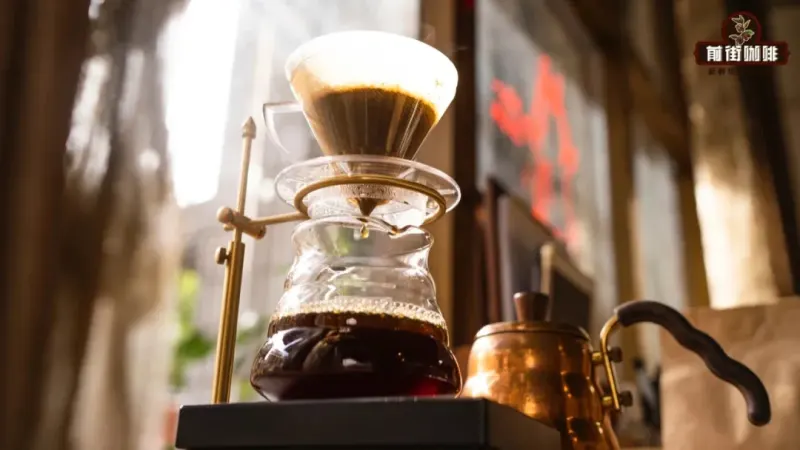
Why Is the Coffee-to-Liquid Ratio Hard for Beginners?
The coffee-to-water ratio measures how much water is poured in during brewing, while the coffee-to-liquid ratio measures the weight of the finished brewed coffee in the cup. Beginners are advised against the coffee-to-liquid method because it cannot show how much water was actually poured at each stage, forcing reliance on experience and visual judgment.
Both methods exist because small electronic scales were not widely available in the past, so people estimated brewed coffee volume using container size or scale marks. A slight oversight with the coffee-to-liquid approach can mean pouring too much hot water at a key stage, which affects the final cup of coffee. Comparative brewing tests using Panama Boquete Geisha showed how blooming water volume changes flavor.
There are mainly two ways to measure for pour-over coffee: the coffee-to-water ratio and the coffee-to-liquid ratio, but Front Street Coffee does not recommend that beginners use the coffee-to-liquid ratio to brew coffee. What exactly is the difference between the two? Simply put, the coffee-to-water ratio measures the amount of water poured in, while the coffee-to-liquid ratio measures the weight of the final brewed coffee. The reason the coffee-to-liquid ratio is not quite suitable for beginners is that it does not let you accurately know how much water was poured in each time; you can only rely on experience and visual judgment, and a slight oversight can lead to pouring too much hot water at a key stage, affecting the quality of the final cup. This article will start with the differences between the two and their historical origins, and combine them with a set of comparative experiments done by Front Street Coffee using Panama Boquete Geisha to explain the actual impact of blooming water volume on flavor, helping you choose the right measurement method and brew good coffee consistently.
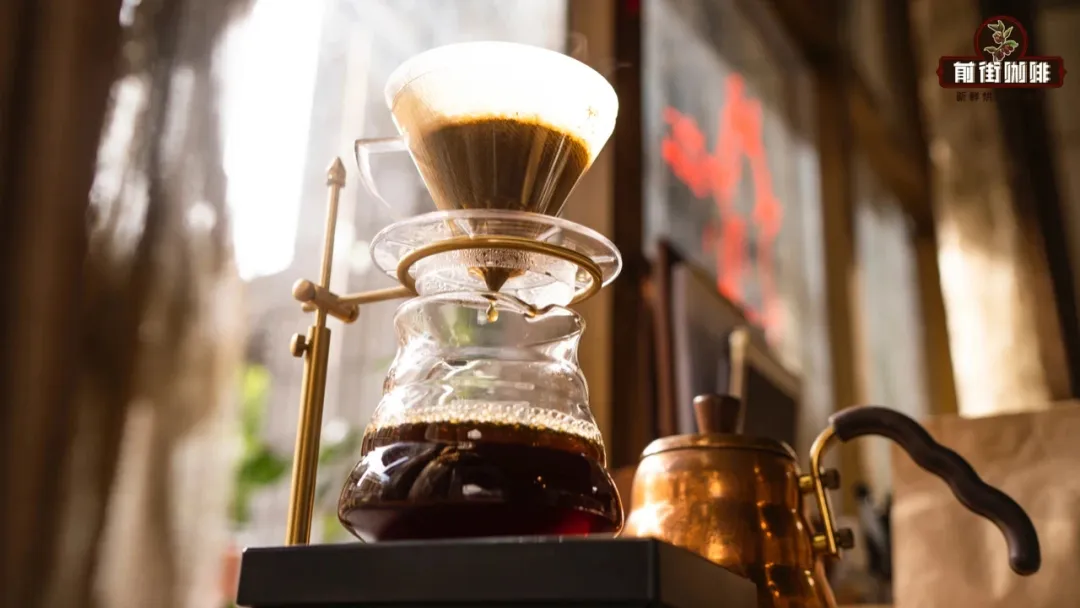
Don’t rush to label the coffee-to-liquid ratio negatively. It is not that the coffee-to-liquid ratio cannot be used to brew coffee, but that it is not very suitable for beginners to use as a measurement method for pour-over. As Front Street Coffee has mentioned before, the coffee-to-liquid ratio is not as stable and reliable in use as the coffee-to-water ratio.
Why is it not recommended for beginners to use the coffee-to-liquid ratio to brew coffee?
First, let’s sort out the difference between the coffee-to-water ratio and the coffee-to-liquid ratio. Both are common measurement methods when brewing coffee. The difference is that the coffee-to-water ratio calculates the amount of water poured in when brewing coffee, while the coffee-to-liquid ratio calculates the weight of the brewed coffee obtained after brewing.
The reason both measurement methods exist at the same time is mainly that in the early days, when small electronic scales were not yet widespread, it was difficult for people to accurately know how much water had been poured in. Coffee making, however, requires a suitable amount of water, so people at the time used container size or scale lines to estimate the amount of brewed coffee. How much coffee powder to use and how much coffee liquid to obtain became the mainstream measurement approach at that time. (Not only the liquid weight, but even the bean weight had to be measured by container capacity instead)
As small electronic scales gradually became widespread, the amount of poured water could be monitored in real time, and the coffee-to-water ratio measurement method emerged as a result. However, the coffee-to-liquid ratio did not leave the stage because of this; it just appears more often in scenarios where the amount of poured water cannot be measured, such as making espresso. So then, why does Front Street Coffee not recommend that beginners use the coffee-to-liquid ratio for pour-over?
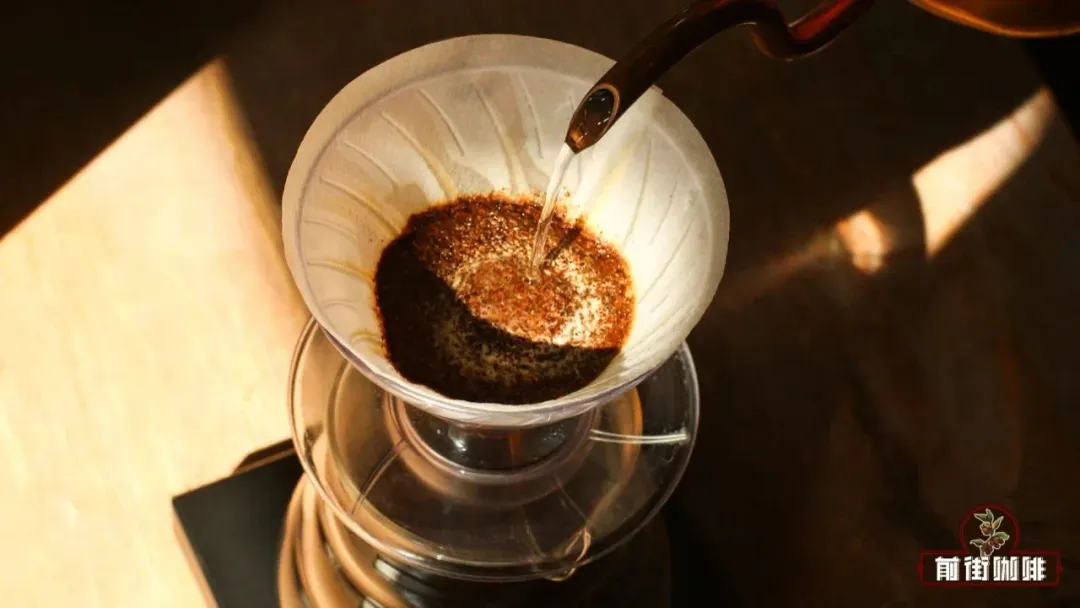
The reason is simple: the coffee-to-liquid ratio calculates the weight of the final brewed coffee, so we have no way of knowing how much water was poured in each time. This means every pour has to be guessed based on experience and the naked eye, and beginners can very easily pour in too much hot water at a key stage, dragging down the quality of the final coffee.
Take blooming as an example. Blooming is meant to wet the coffee grounds, let them release carbon dioxide, and pave the way for extraction by the hot water that follows. In other words, the substances dissolved by the hot water used during blooming are certainly less than those dissolved after blooming. Therefore, in order for the target water amount to dissolve the most coffee substances, you should control the water as much as possible during brewing, using the least hot water to wet the coffee grounds and complete the bloom. Usually, twice the amount of coffee grounds is used, because that is the amount dry coffee grounds can absorb.
If more hot water than this is used during blooming, then the excess hot water will extract relatively fewer substances, and the extraction will not be as sufficient. For this reason, Front Street Coffee specifically conducted an experiment: under the premise of the same coffee dose and the same coffee-to-water ratio, does a different blooming water volume affect the taste of the coffee?
The beans used in this experiment were Panama Boquete Geisha, with a dose of 15g each, a coffee-to-water ratio of 1:15, a grind setting of 10 on the ek43, and a water temperature of 92°C, which are the extraction parameters commonly used by Front Street Coffee. The only difference between the two brews was the blooming water volume: one pot used twice the coffee dose, that is, 30ml, and the other used 40ml. To minimize human interference as much as possible, Front Street Coffee used a single-pour brewing method this time. The brewing process is skipped, and we go straight to the results.
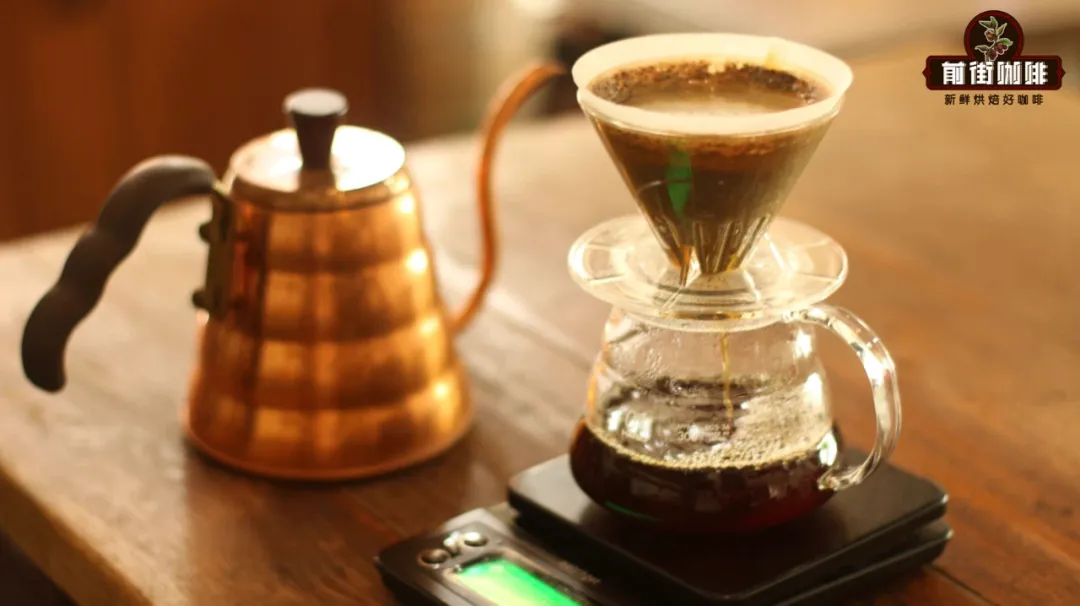
The extraction time for the first pot’s bloom was 1 minute 58 seconds. The brewed coffee had a prominent flavor, showing white floral notes, citrus, and honey, with a very balanced taste and notably high sweetness. Measured with a refractometer, the coffee concentration was 1.40%, and the extraction yield was 19.25%; the other pot’s extraction time was 1 minute 52 seconds. Its flavor performance was also good, but the taste was slightly inferior, somewhat sour, and the mouthfeel was a bit thin. Measured with a refractometer, the coffee concentration was 1.32%, and the extraction yield was 16.88%.
It can be seen that the gap between the two is not small. Of course, this may also be due to the influence of technique, but you should know that, apart from blooming, other stages can also affect the final coffee quality depending on the amount of water, such as the final stage.
So when beginners have just started and are not yet skilled at controlling water, it is best to use the coffee-to-water ratio as the measurement method for pour-over coffee. Only in this way can you consistently brew delicious coffee.
- END -
The above content is compiled by CoffeeHunters, a coffee news website.


