







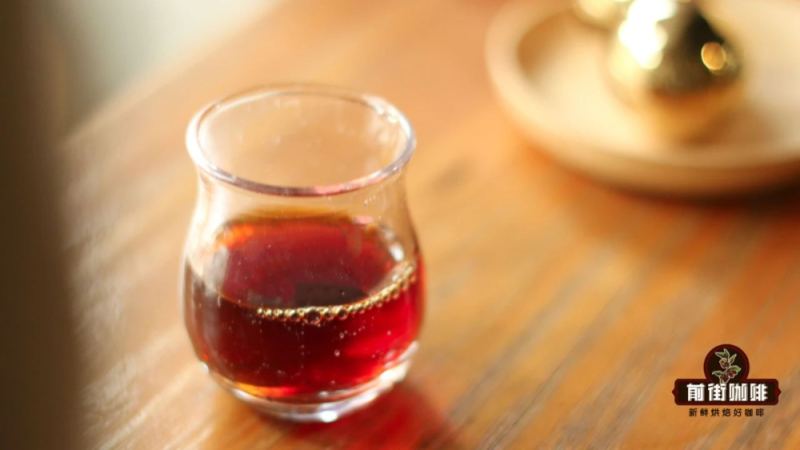
How does the coffee-to-water ratio change extraction?
The coffee-to-water ratio sets how strong a pour-over tastes and how far extraction goes. Using 15g of medium-light roasted Kenya Asalia at 1:10, 1:15 and 1:20, more water lowers strength and raises extraction yield, but extraction efficiency falls as the water increases, so bitter compounds can end up in the cup.
A ratio suited to coffee extracted in small concentrated amounts, such as 1:15 with 15g of grounds, equals about 225ml of hot water, a safe starting point rather than a fixed rule. Common practice sits between 1:13 and 1:18, and small changes of about 5 milliliters shift the flavor. Denser coffee beans grown at high altitude usually need a wider ratio and finer adjustment.
In pour-over coffee, the coffee-to-water ratio may seem like just a simple number, but it directly determines the strength of the coffee and the direction of the extraction yield. A little more or a little less water can make the flavor completely different. This article starts from Front Street's extraction practice, using 15g of medium-light roasted Kenya Asalia brewed at three ratios of 1:10, 1:15, and 1:20, comparing strength and extraction yield data to explain why 1:15 is only a safe starting point rather than the only answer. At the same time, it discusses the subtle changes brought by 5 milliliters of water, and organizes the commonly used range of 1:13-1:18 along with adjustment suggestions for high-density beans, helping you find a coffee-to-water ratio that better suits your own taste.
The ratio of coffee grounds to water is an unavoidable key setting in pour-over brewing. To put it plainly, once the amount of coffee grounds is fixed, there is always an amount of water that can push the aroma to its most ideal state. So understanding how to determine a suitable coffee-to-water ratio is a very important step when learning to make pour-over coffee.
What exactly is the coffee-to-water ratio?
It refers to the ratio between coffee grounds and total water poured, and it directly affects how strong or weak the coffee tastes. No matter which brewing method is chosen, Front Street always sets the coffee-to-water ratio before extraction and then begins. For example, when Front Street stores make a single serving of pour-over, they usually weigh 15 grams of coffee grounds and use a 1:15 coffee-to-water ratio, which works out to about 225 milliliters of hot water.
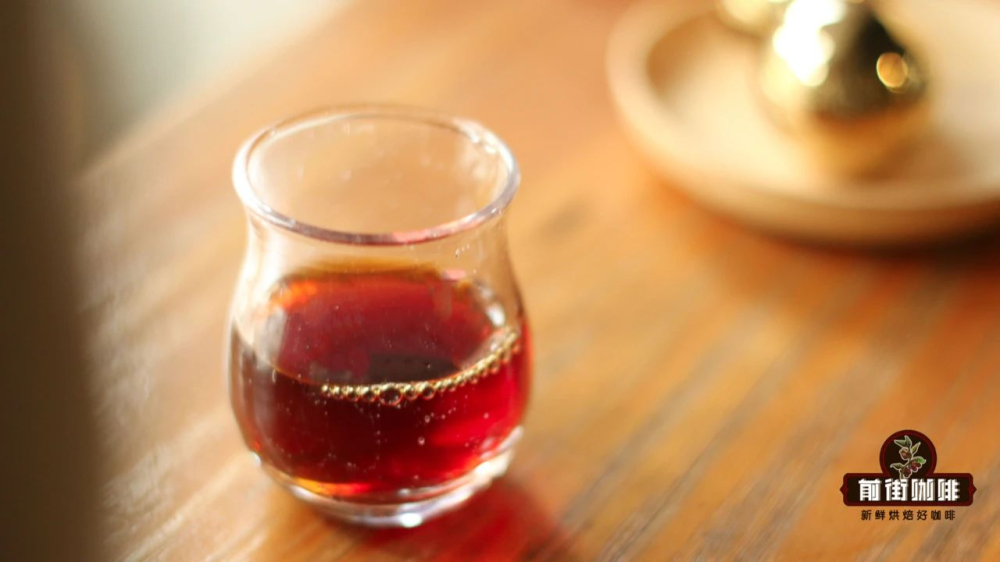
If other conditions remain unchanged, the more water poured, the lower the coffee strength, and the looser the flavor expression becomes; the less water poured, the higher the strength, and the more concentrated and fuller the taste. At the same time, increasing the water amount also raises the extraction yield, allowing more soluble substances to enter the cup. However, as more water is poured, the extraction efficiency actually declines. When the desirable flavor substances have mostly been extracted, the remaining part is more likely to release unpleasant bitter components, making the coffee bitter and astringent. Therefore, finding the appropriate coffee-to-water ratio is essentially about balancing strength and extraction yield.
For the choice of coffee beans, Front Street used medium-light roasted Front Street Kenya Asalia, with the dose standardized at 15g, and extracted with three different coffee-to-water ratios. The three settings were 1:10, 1:15, and 1:20, corresponding to water amounts of 150ml, 225ml, and 300ml. The grind size was controlled at 80% passing a No. 20 sieve, roughly the texture of fine granulated sugar; the water temperature was kept at 91 degrees Celsius; and the pouring technique was also standardized using a three-stage pour.
But it is important to note that it is not as simple as using less water if you want it stronger and more water if you want it weaker. Because besides strength, the amount of water also affects another parameter that determines taste—extraction yield. After measuring the strength of the coffee liquid, the extraction yield can be calculated. The three results were: 1:10 corresponded to 16.43%, 1:15 corresponded to 18.55%, and 1:20 corresponded to 19.72%.
In other words, when too little water is poured, although the strength goes up, the extraction yield is relatively low, meaning the total amount of coffee substances extracted is not high. This also explains why coffee brewed at a 1:10 coffee-to-water ratio often only has strong, sour, and bitter notes; excessive strength itself brings discomfort.
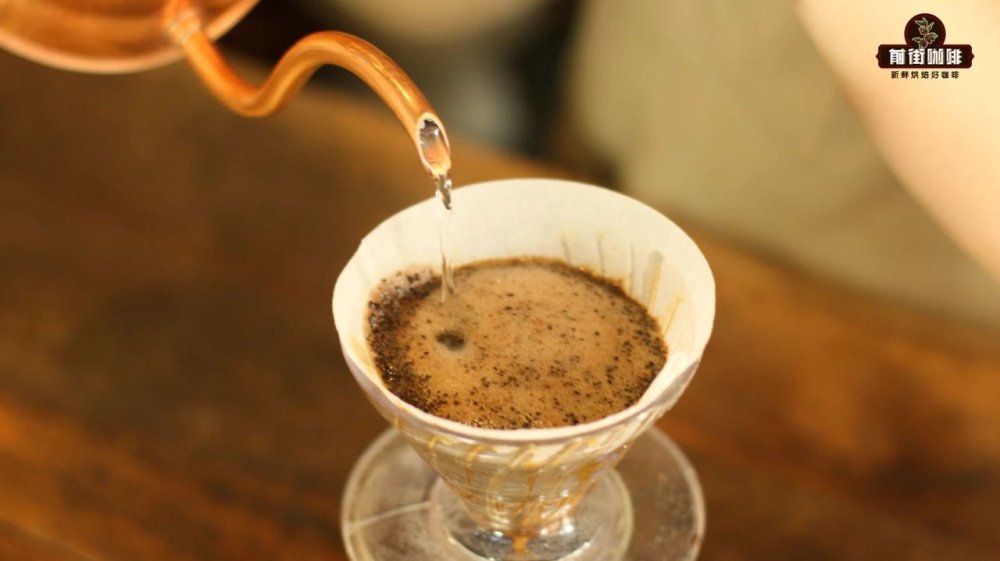
Conversely, when more water is poured, more substances are dissolved, but because the extraction efficiency in the later stage drops noticeably, the strength is also diluted very thin. Moreover, the water-soluble coffee components include both the sweet and sour qualities we like and the less pleasant bitterness. The more substances extracted, the more bitter components naturally increase as well. Just like coffee brewed at a 1:20 coffee-to-water ratio, it tastes noticeably watery, the coffee flavor is relatively weak, and there is a faint bitterness mixed in.
So, a suitable coffee-to-water ratio is ultimately about making both strength and extraction yield fall within the ideal range, achieving a balanced state.
Must pour-over coffee always use the universal 1:15?
Many people see that the recommended pour-over ratio is 1:15, and after seeing it for a long time, they easily treat it as an unshakable fixed value. Actually, that is not the case. The reason 1:15 is widely recommended is that it falls within a relatively safe range with a low chance of failure. After all, recommended parameters have to serve a very broad group of people, including many beginners who are just starting pour-over.
Therefore, a sufficiently safe setting is needed, and it usually prioritizes coffee-to-water ratio, water temperature, pouring method, and other relatively easy-to-control factors in order to reduce variables. Ultimately, these are all meant to leave tolerance space for grind size, the hardest variable to handle—many beginners fail to brew good coffee precisely because the grind size is wrong.
When you begin to actively study the coffee-to-water ratio, it means you have already gotten started and have some understanding of various brewing parameters. Then, the coffee-to-water ratio, water temperature, and other conditions that were originally fixed for beginners become variables that can be flexibly adjusted to make the coffee taste better.
How much difference can 5 milliliters of water make?
How big is the change from pouring 5ml more or 5ml less water? If measured with a refractometer, the difference is only 0.02%, and accounting for error, it is almost negligible.
Front Street shares an experience: once, when brewing Front Street Geisha coffee, a 1:15 coffee-to-water ratio was used. The flavor was relatively concentrated, but that "taste of money" could not be felt. The second time, only 5ml more water was poured than before (230ml total), and the result was much more comfortable to drink, and the layering of the flavor opened up all at once.
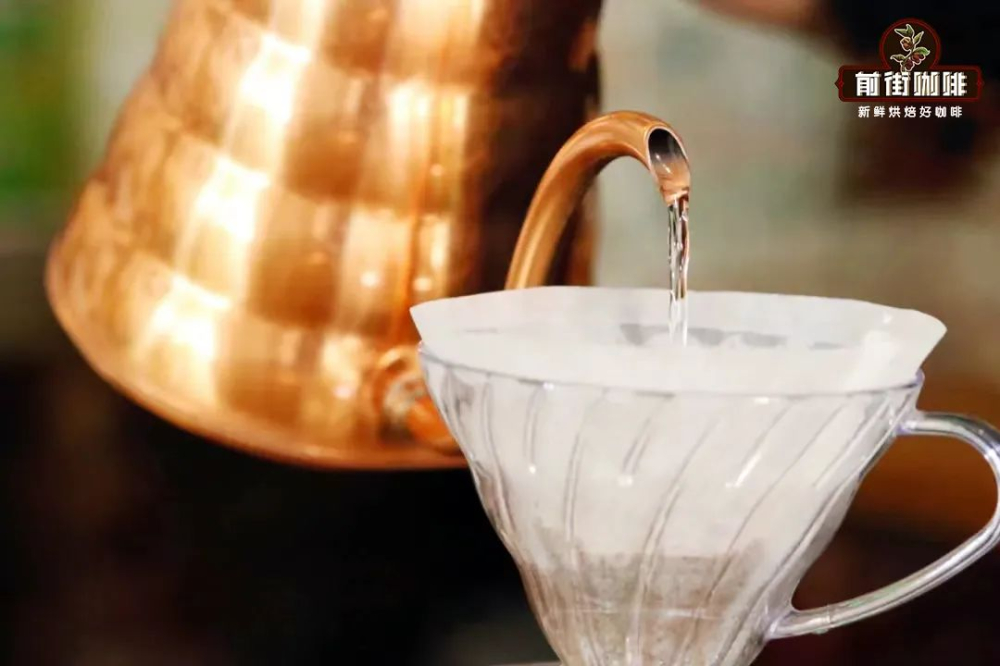
Finally, Front Street has organized some experience about coffee-to-water ratio to share with everyone.
1. 1:15 is not the only coffee-to-water ratio, nor is it necessarily the one that suits you best. Depending on different coffee beans and personal flavor preferences, it could also be 1:14, 1:16, and so on.
2. Generally speaking, the coffee-to-water ratio range for pour-over coffee is about 1:13 to 1:18, and within this range it is easier to find a plan that fits your own taste.
3. For harder coffee beans, the coffee-to-water ratio can be appropriately lengthened, for example falling between 1:16 and 1:17. "Harder" here refers to roasted beans, such as coffee beans grown at higher altitudes and roasted light.
The above content is compiled by CoffeeHunters, a coffee news website.


