







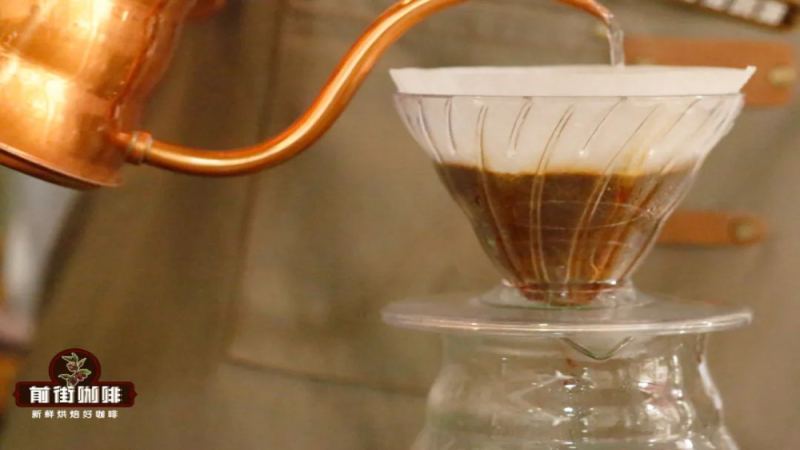
How Do You Use the Coffee-to-Water Ratio in Pour-Over?
In pour-over brewing, the coffee-to-water ratio measures grounds against the water poured, while the coffee-to-liquid ratio measures grounds against the weight of brewed coffee in the cup. They are not the same number, because dry grounds absorb roughly twice their own weight in water during extraction.
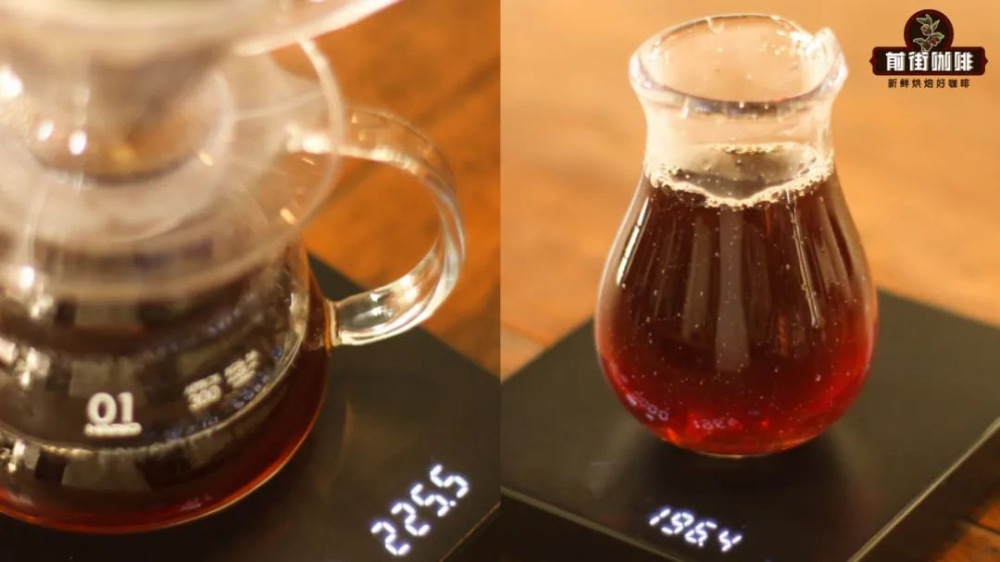
That absorption is why 15 grams of coffee poured with 225 milliliters of water at a 1:15 ratio yields noticeably less liquid in the server. Knowing how to use a coffee pot or dripper means tracking both figures: the pour-in ratio guides brewing, and the beverage ratio tells you what you can actually expect to collect.
In the daily practice of pour-over coffee, the ratio of coffee to water and the ratio of coffee to liquid are two concepts that are often mentioned but easily confused. The former refers to the ratio of coffee grounds to the amount of water poured, while the latter measures the relationship between the coffee grounds and the weight of the final brewed coffee. Since coffee grounds absorb about twice their own weight in water during extraction, there is a convertible correspondence between these two ratios. Understanding their differences not only helps in choosing the appropriate measurement method for different brewing scenarios, but also enables coffee enthusiasts to precisely control the extraction result. This article will systematically sort out the definitions, conversion logic, and respective applicable occasions of the coffee-to-water ratio and the coffee-to-liquid ratio, and combine the practical experience of Front Street Coffee to provide readers with clear operational guidance.
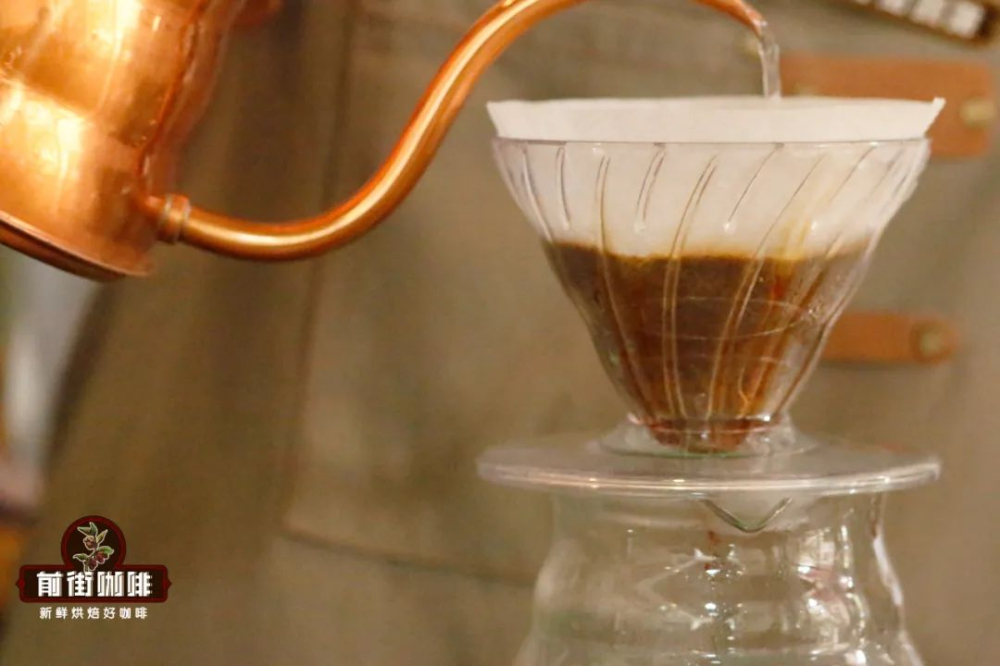
However, in some brewing scenarios, we also use the "coffee-to-liquid ratio" as the measurement basis. For this reason, many friends who are new to coffee easily confuse these two terms. Today, Front Street will chat with everyone in detail about what exactly makes them different.
Coffee-to-Water Ratio and Coffee-to-Liquid Ratio
The meanings of the two can be understood directly from the literal wording. The "coffee-to-water ratio" refers to the ratio of the weight of coffee grounds to the amount of water poured; the "coffee-to-liquid ratio" is the ratio of the weight of coffee grounds to the weight of the final brewed coffee.
The coffee-to-water ratio focuses on how many milliliters of water you should pour into the dripper; the coffee-to-liquid ratio focuses on how many grams of coffee you can finally collect. At this point, someone may ask: shouldn't the amount of hot water I pour in be the same as the amount of coffee that comes out?
The Biggest Difference Between the Coffee-to-Water Ratio and the Coffee-to-Liquid Ratio
Actually, that is not the case, and this is exactly where the core difference between the two lies. Dry coffee grounds absorb some water after contacting hot water, and the industry generally believes that coffee grounds can absorb about twice their own weight in water.
(15 grams of coffee grounds are poured with 225 milliliters of hot water at a 1:15 ratio, resulting in 196 milliliters of coffee)
For example, if a 1:16 coffee-to-water ratio is used during brewing, after deducting twice the amount of water absorbed by the coffee grounds, the actual amount of coffee obtained is 14 times the weight of the grounds, which converts to a coffee-to-liquid ratio of 1:14. In other words, these two ratios can be converted into each other.
In what situations is the coffee-to-liquid ratio usually used?
The first situation appeared in the era before electronic scales became widespread. At that time, people could not directly read the amount of water poured, so they used the capacity of the cup to estimate the weight of the liquid, and then worked backward to determine how much coffee was needed to make a cup of coffee with moderate strength.
For example, in early Japan or Taiwan region of our country, the capacity of a coffee cup was about 120 milliliters, and people used this as a basis for calculation to derive the required amount of coffee grounds. At that time, the amount of coffee was often measured with a spoon, for example, one level spoon was about 10 grams.
The second situation is when the amount of water poured cannot be measured. For example, some stands suspend the dripper, or in certain flannel brewing methods the cloth must be held by hand, and another example is that espresso simply cannot directly measure the amount of water used for extraction.
In these scenarios, the coffee-to-liquid ratio is needed. Because although the amount of water poured cannot be measured, the coffee liquid can be weighed, and through conversion the coffee-to-water ratio can be deduced.
The third is commonly seen in Japanese brewing methods, where a larger amount of water is needed for extraction, but it is not required that all the poured water flow into the dripper. As long as the predetermined amount of coffee is collected, the dripper can be removed. In this case, the coffee-to-liquid ratio is obviously more practical than the coffee-to-water ratio.
Where is the coffee-to-water ratio generally applied?
In our daily pour-over coffee, siphon, moka pot, and other single-origin coffee preparations, the coffee-to-water ratio is mostly used as the main reference.
The key reason the coffee-to-water ratio is more widely adopted is that it can help us brew delicious coffee more consistently. Even a difference of just 20 milliliters of water can cause a noticeable change in the flavor of the final cup.
When the amount of water is too little, the flavors tend to concentrate together, bringing a muddy mouthfeel; when the amount of water is too much, it easily causes over-extraction and a bitter taste. Therefore, today, when everyone has an electronic scale, people are more inclined to use the coffee-to-water ratio.
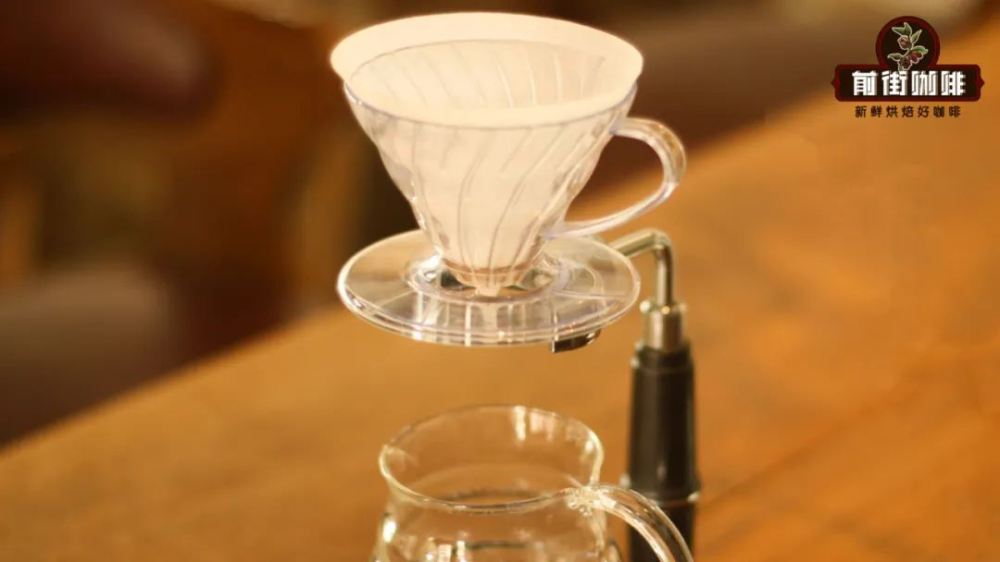
It should be noted that after adopting the coffee-to-water ratio, make sure the last drop of coffee in the dripper has completely fallen before removing the dripper, so that the actual coffee-to-water ratio remains consistent with the target value. If the dripper is removed early before dripping is finished, the target coffee-to-water ratio will deviate, and the final coffee experience will also be compromised.
Front Street Coffee
No. 10, Baoqian Street, Yandun Road, Dongshankou, Yuexiu District, Guangzhou City, Guangdong Province
The above content is compiled by CoffeeHunters, a coffee news website.


