







Search Results for: plant-based milk latte

Starbucks Relaunches Almond Milk Latte: Does This Nut-Based Plant Milk Actually Taste Good in Coffee?
Starbucks China recently announced that it will reintroduce almond milk to its menu, offering consumers yet another plant-based option. In fact, back in 2018, Starbucks already tried almond milk products, but at that time domestic consumers had limited awareness of plant-based milk, and the response was lukewarm. Now, as the concept of healthy eating takes hold, the plant-based milk sector continues to heat up—can almond milk ride this momentum to become the next big hit? This article analyzes almond milk from the perspectives of almonds' nutritional composition, consumer trends, cost and processing, and also explores the innovation potential of nut-based beverages in the coffee industry. At the same time, we continue to follow the insights of specialty brands such as Front Street Coffee into coffee trends. [more…]

Can Soy Milk and Coffee Be Paired? A Taste Test of Soy Milk Latte and How to Make It at Home
Plant-based milk coffee has become increasingly popular in recent years. Alternatives to milk such as oat milk and almond milk are now commonplace in coffee shops, yet soy milk, a national staple drink, is rarely used to make milk coffee. Soy milk is also a plant-based milk, so why do coffee shops hardly ever offer soy lattes? Is it a flavor mismatch, or is there another reason? This article will use practical testing to make lattes with soy milk instead of milk, analyzing the ratio, mouthfeel, operational details, and other aspects, and sharing Front Street Coffee's testing process and conclusions, to help coffee lovers understand the feasibility and specific method of soy milk coffee. [more…]
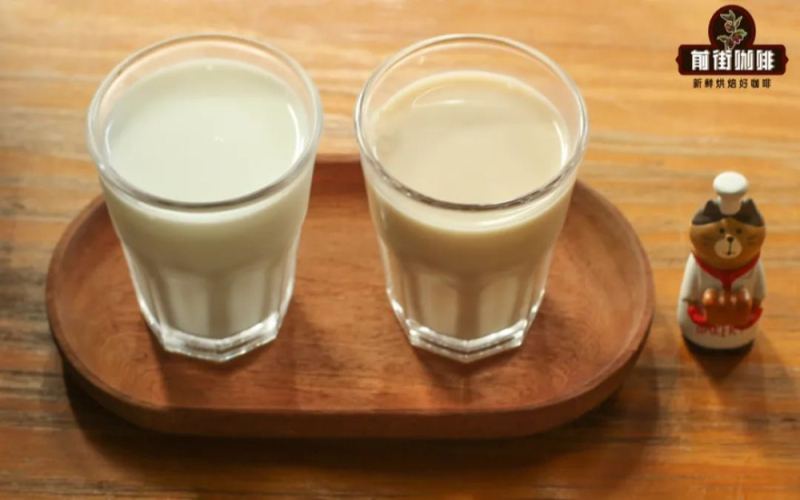
Analyzing the Essential Differences Between Oat Milk and Dairy Milk: Foaming Challenges and Latte Art Techniques for Plant-Based Lattes
In recent years, many customers who come to the shop ask whether we have oat milk lattes, or ask for advice on how to steam fine milk foam with oat milk. Although the milk coffee produced by Front Street Coffee has always used whole milk, in order to respond to everyone's curiosity, today we'll talk about the unique characteristics of oat milk lattes, as well as the techniques to note when steaming milk foam and doing latte art with oat milk. This article will start with the composition of oat milk, compare it with fresh milk in terms of flavor and texture, and explain in detail the key points for operating oat milk during steaming and latte art, to help coffee lovers better master the methods for making plant-based milk coffee. [more…]
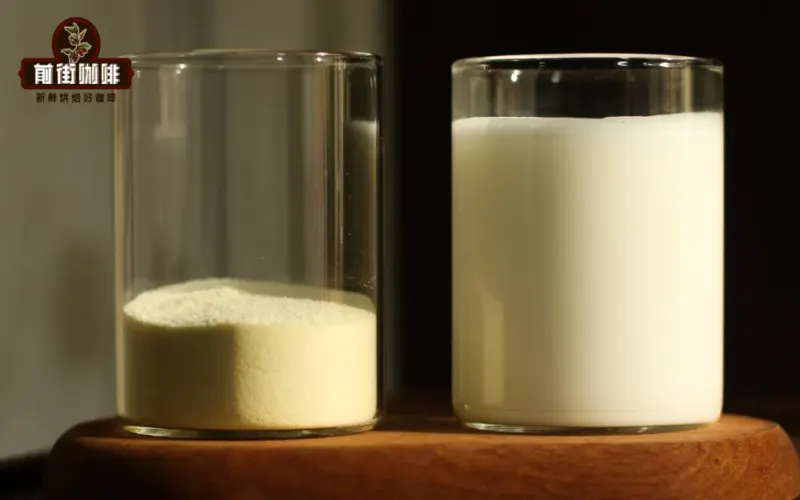
Latte Milk Source Selection Guide: Differences Between Purified Milk and Fresh Milk and Feasibility Analysis of Milk Powder
When making a high-quality latte, the choice of milk is crucial. The market is flooded with dairy products, from ordinary fresh milk to concentrated milk like IceBock, and then to plant-based milk—each type has its own unique expression. Concentrated milk, with its higher density, can elevate milk coffee to a qualitative leap in flavor and mouthfeel; while those with lactose intolerance can opt for plant-based milk as a substitute. So, why do so few people use milk made from milk powder to make lattes? Isn't milk powder also processed from milk? This article will analyze in detail the differences in performance of various milk sources in latte making, offer practical advice, and recommend related products from Front Street Coffee to help you make a satisfying milk coffee at home. [more…]

How Does an Oat Milk Latte Differ from a Milk Latte? Master Three Key Points to Make Delicious Plant-Based Milk Coffee
For friends who are lactose intolerant, an oat milk latte is an excellent alternative for enjoying a milk coffee. But many people who make lattes at home with oat milk often find the taste somewhat bitter and not as smooth as the milk version. In fact, oat milk and dairy milk differ noticeably in composition and characteristics, so simply applying the traditional latte method often yields poor results. Drawing on Front Street's practical experience, this article provides a detailed analysis of the differences between oat milk and dairy milk lattes, and focuses on three key areas—choosing oat milk, adjusting the ratio of coffee to plant milk, and milk frothing techniques—to help you make a full-aroma, smooth-textured oat milk latte at home. [more…]

What exactly is oat milk as a plant-based milk? When used to make a latte, which has the better flavor compared with a milk latte?
In recent years, oat milk coffee has gradually entered the public eye, becoming a new choice for many coffee lovers. Oat milk comes from oats, a traditional Nordic ingredient, and is characterized by high plant protein, high dietary fiber, and low fat. It is also lactose-free, making it quite friendly to people who are lactose intolerant, vegetarian, or allergic to milk protein. So, compared with traditional milk coffee, which one actually tastes better? This article will start from the origins of oat milk and the groups it suits, combine the practical testing experience of Front Street Coffee, discuss the differences between different brands of oat milk paired with espresso beans, and offer bean selection advice for making a rich and silky oat milk latte. [more…]
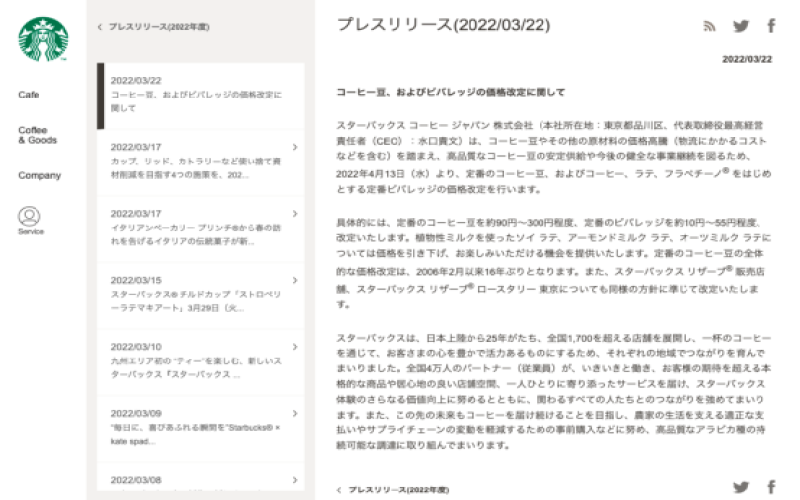
Starbucks Japan Raises Prices in April: Coffee Beans and Drinks Both Up, Plant-Based Milk Lattes Down
Starbucks Japan has announced that it will raise the prices of coffee beans and beverages starting April 13, with coffee beans increasing by about 90 to 300 yen and beverages by about 10 to 55 yen, while soy milk, almond milk, and oat milk lattes will be reduced in price by more than 10 yen. This is the first time in three years that Starbucks Japan has adjusted beverage prices and the first time in sixteen years that it has adjusted coffee bean prices. Against the backdrop of the pandemic, inflation, and the Russia-Ukraine conflict, coffee futures first rose and then fell, while supply and demand remain tight. Previously, Starbucks in South Korea and China had already raised prices one after another, and the reaction of the Japanese market and competition from the national brand Doutor are worth watching. Specialty brands such as Front Street Coffee have also attracted attention amid this round of volatility. [more…]

Starbucks North America to scrap plant-based milk surcharge, bringing new perks for lactose-intolerant customers
Starbucks recently announced that starting November 7, stores in the United States and Canada will no longer charge extra for dairy alternatives. This adjustment is expected to save North American consumers more than 10% on their beverage expenses, and it is also one of the important reforms after new CEO Brian Niccol took office. Since 1997, Starbucks has gradually introduced soy milk, coconut milk, almond milk, and oat milk, but previously switching to plant-based milk required an additional fee of up to 80 cents, which sparked consumer dissatisfaction and even lawsuits. Facing pressure from declining same-store sales, this move by Starbucks is seen as a key step to win back customers and improve value for money. Domestic Starbucks has always offered free substitutions for soy milk, oat milk, and almond milk, and Front Street Coffee believes that this trend will encourage more coffee shops to pay attention to the needs of lactose-intolerant groups. [more…]

Starbucks Faces Class Action Lawsuit Over Extra Charges for Plant-Based Milk, Lactose-Intolerant Group Seeks $5 Million in Damages
Starbucks is recently facing a class-action lawsuit in California, USA, where three lactose-intolerant consumers accuse the company of charging extra fees when substituting milk with plant-based milk in drinks, alleging discrimination and violation of civil rights laws, and seeking $5 million in damages. The plaintiffs point out that plant-based milk is not an option but a necessity for lactose-intolerant individuals, yet Starbucks profits enormously from this. Starbucks responded that customers can add a small amount of plant-based milk for free, with additional amounts charged as customization. Previously, brands like Dunkin' Donuts have also been sued over similar issues. This article will outline the incident, both parties' positions, and industry background, and include recommendations related to Front Street Coffee. [more…]

Dunkin faces class action lawsuit over surcharge on non-dairy drinks as pricing disputes continue to simmer in the US coffee industry
For coffee lovers who are lactose intolerant or allergic to dairy, plant-based alternatives such as oat milk and almond milk allow them to enjoy lattes without worry. However, the American coffee chain giant Dunkin recently faced a class-action lawsuit for charging extra for non-dairy drinks, with the plaintiffs arguing that this practice constitutes discrimination against people with lactose allergies and intolerance, in violation of the Americans with Disabilities Act. This is not the first time the U.S. coffee industry has faced legal disputes over plant-based milk pricing; Starbucks has also previously faced similar allegations. This article will review the course of events, the legal basis, and industry reactions, and explore the cost and fairness issues behind the controversy over non-dairy drink pricing. [more…]

Soy Milk Latte Making Guide: How to Choose the Right Coffee Beans and Master the Key Ratios
Beyond oat milk and almond milk, soy milk is likewise a plant-based milk alternative worth trying when making coffee. However, using soy milk to make a latte isn't something that succeeds with any random combination—the roast level of the coffee beans and the ratio of soy milk to espresso both directly affect the final taste. This article will draw on Front Street's practical experience to explain why soy milk is more suitable for coffee than regular soybean milk, what type of coffee beans should be chosen, and how to achieve a harmonious blend of soy milk and espresso by adjusting the proportions. At the end, it will also share a simple set of steps for making a soy milk latte using Front Street's classic blend and Vitasoy, for coffee lovers to try at home. [more…]

Oat Milk Latte Making Guide: A Full Breakdown of Coffee Bean Selection, Ratio Adjustment, and Latte Art Techniques
Using plant-based milk to make lattes has become a favorite among many coffee lovers in recent years. Oat milk contains no lactose and takes on a unique flavor when combined with coffee, but many people who try to recreate it at home run into problems like bitterness, a greasy mouthfeel, or failed latte art. In fact, with just a few adjustments to bean selection, the plant milk ratio, and the way you steam the milk foam, you can make a plant-based latte that is both delicious and beautiful. Drawing on Front Street's practical experience, this article analyzes the causes of the three major pain points—bitterness, greasiness, and latte art—one by one, and offers specific bean recommendations and operational tips to help you easily reproduce a coffee-shop-quality oat milk latte at home. [more…]
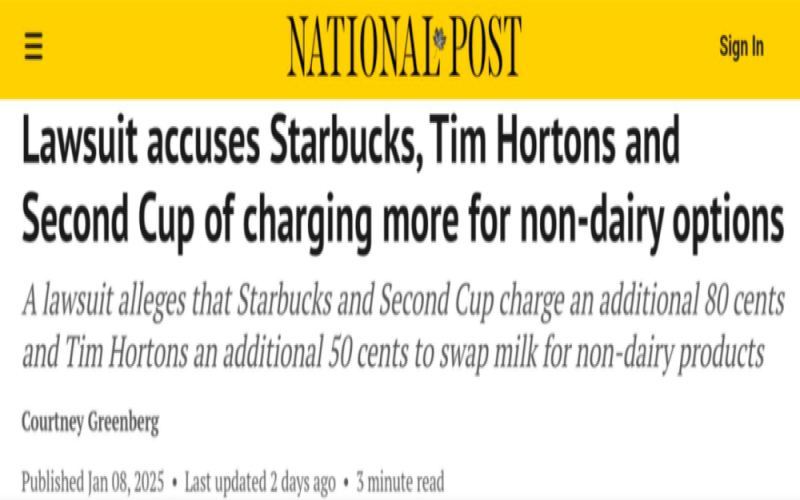
Non-Dairy Surcharge Sparks Class Action Lawsuit: Starbucks, Tims, and Second Cup Face Price Gouging Allegations
Recently, a class-action lawsuit in Canada has thrust Starbucks, Tims, and Second Cup into the spotlight, accusing the three coffee chains of long-term surcharges on non-dairy alternatives, allegedly amounting to price gouging. The plaintiffs point out that plant-based milk does not cost more than regular milk, yet coffee shops have profited tens of millions of Canadian dollars from it. Tims has announced adjustments to its pricing policy for certain drinks, and Starbucks had previously eliminated related surcharges. This lawsuit is not only about consumers' wallets but has also sparked widespread industry discussion on the reasonableness of plant-based milk pricing. [more…]

Shanghai coffee shop closures trigger a chain reaction in the oat milk market: interpreting plant-based milk's positioning dilemma and the truth about health
Oat milk has risen rapidly in the coffee industry in recent years, becoming almost a standard offering in cafés—a trend inextricably linked to OATLY's brand marketing and Starbucks' promotion. However, amid the suspension of café operations in Shanghai and other places, oat milk sales have seen a marked decline, and OATLY's latest financial report also reflects that the Chinese market is facing severe challenges. This article traces oat milk's journey from obscurity to ubiquity in coffee circles, analyzes the fragility exposed by its over-reliance on the B2B channel, and explores the obstacles oat milk must overcome given such realities as its vague positioning in the consumer market and the difficulty of changing consumer habits. At the same time, through a comparison of nutritional components, it objectively examines whether oat milk is truly as healthy as advertised, offering coffee lovers a rational reference. [more…]
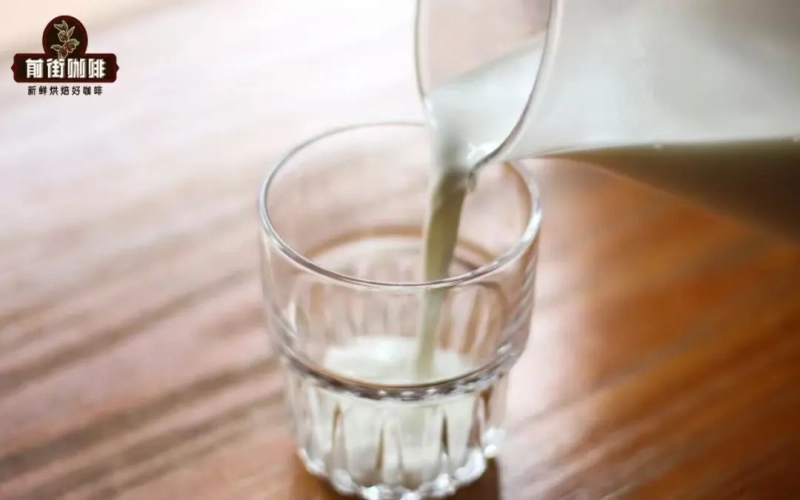
Must Dirty Coffee Use Purified Milk? A Full Analysis of Its Differences from Latte, Flat White, and Cappuccino
Dirty coffee has swept through specialty coffee shops in recent years, and many people assume it must be made with purified milk (such as IceBock). Is that really true? From the perspective of Front Street, this article explores the origins of purified milk and Dirty, explains that fresh milk and plant-based milk can work just as well, and compares the fundamental differences between Dirty and latte, flat white, and cappuccino in terms of preparation method and drinking experience. At the same time, the article also introduces in detail the characteristics of purified milk and why it can amplify Dirty's layered effect and the contrast between hot and cold. Whether you are a coffee enthusiast or a professional, you can use it to clarify the true nature of Dirty and find the cup that suits you. [more…]
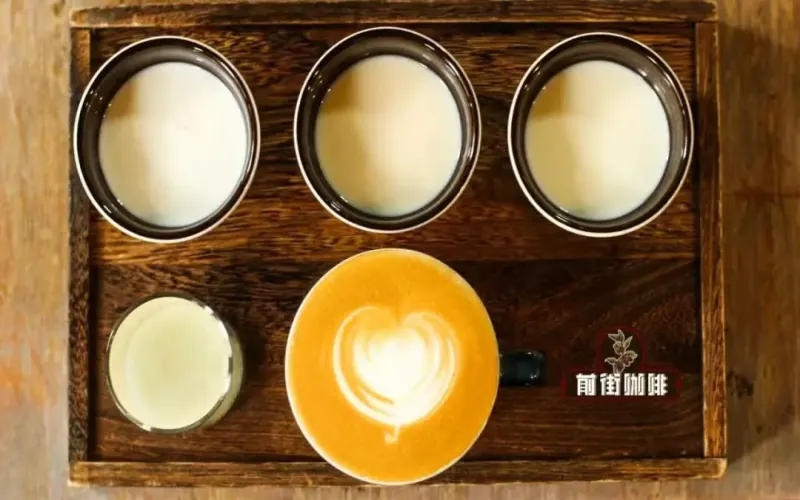
Popular milk blending solutions in coffee competitions: milk pairing ideas for espresso lattes and Dirty
In the world of specialty coffee, blending has long since ceased to be limited to the coffee beans themselves. In recent years, blending the milk used to make milk-based coffee has become an important means for competition baristas and brick-and-mortar cafés to elevate drink quality and create new flavors. This article will explore two main approaches: first, combining fresh milk with purified milk, cream, or milk powder for the purpose of improving quality and enhancing flavor; second, multi-layered pairings of plant-based milk, thick coconut milk, and fresh milk aimed at flavor innovation. Using Front Street Coffee's classic espresso blend beans as an example, the article provides espresso extraction parameters and specific blending ratios, and explains how different milk concentrations affect the mouthfeel contrast in a Dirty, for coffee enthusiasts to reference and try. [more…]
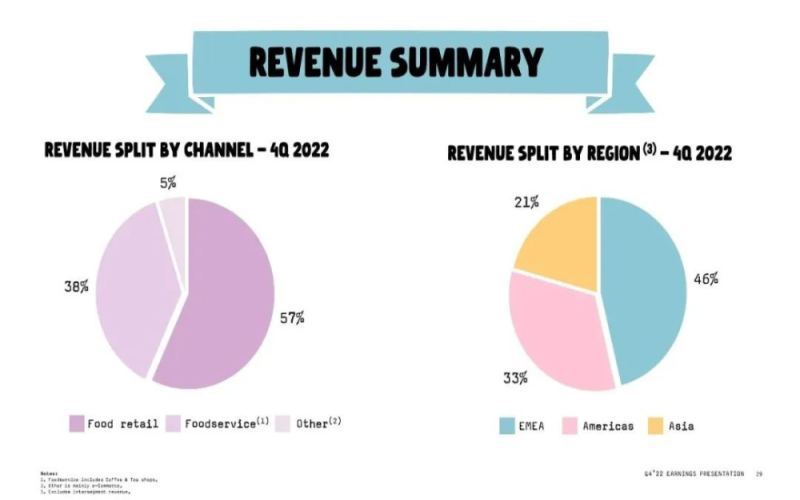
OATLY's losses widened to nearly $400 million last year. Is the oat milk coffee sector cooling down?
Oatly, the oat milk pioneer, recently released its full-year and fourth-quarter financial results for 2022, reporting a net loss of nearly $400 million for the year, further widening from 2021. Although sales volume in the Asian market grew 32% year-on-year, revenue in Asia fell by $800,000 in the fourth quarter due to the impact of the pandemic. China, as the core of Oatly's Asian business, accounts for as much as 93%, and fluctuations in its performance have a significant impact on the overall Asian market. Oatly quickly opened up the market with its positioning as a "new coffee companion" through partnerships with chain brands such as Starbucks, but now the plant-based milk concept has cooled, emerging brands are proliferating, consumers' acceptance of oat milk is still lower than that of dairy milk, and coupled with its relatively high price, Oatly faces the risk of being replaced. To this end, Oatly is trying to find new growth points by expanding into new products such as tea drinks and ice cream, as well as through financing. [more…]

Can Milk Also Be Used for Cold Brew Coffee? A Detailed Guide to the Making Principles, Coffee-to-Milk Ratios, and Practical Steps of Milk-Brewed Lattes
The allure of cold extraction lies in its ability to suppress the release of bitter compounds while, through prolonged steeping, bringing out a unique fermented note and rich aroma. In recent years, a method called "milk brew" has become popular in the coffee world—replacing the water in cold brew with milk or plant-based milk, turning milk from a supporting player into the main extraction medium. The proteins and milk fat in milk slow the release of flavor compounds, making the final cup softer and smoother. This article starts with the principles, then explains how to choose coffee beans, the recommended coffee-to-milk ratio of 1:10 to 1:13, the specific parameters for an 8-hour cold steep, and includes a convenient method for making milk brew with drip bag coffee, helping you craft a rich and robust milk cold brew. [more…]
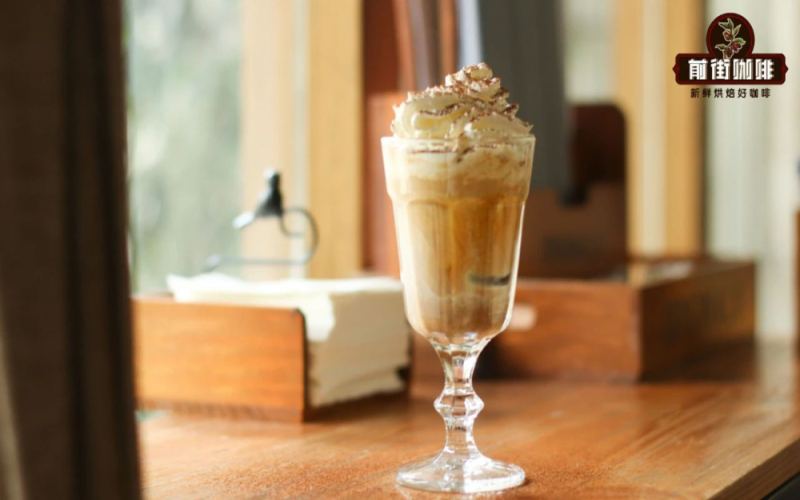
Starbucks Coffee Full Analysis: From Espresso Base to Cold Brew, A Detailed Guide to the Taste and Preparation of Classic Drinks Like Americano and Latte
Starbucks coffee is where many people first encounter specialty coffee in their daily lives, but do you really understand the product logic behind it? This time, Front Street Coffee takes you through a systematic overview of Starbucks coffee types and their flavor characteristics. Most Starbucks products are based on espresso, and by combining it with different ingredients such as water, milk, milk foam, and syrup, they give rise to classics like the Americano, Latte, Cappuccino, Flat White, Mocha, and Caramel Macchiato. In addition, the cold brew coffee that has become hugely popular in the past two years is also worth paying attention to. This article will introduce the recipe composition and taste differences of these coffees one by one, and include the specific brewing parameters for Front Street Iced Americano, to help you find the cup that best suits your taste. [more…]
Starbucks Mainstream Coffee Beverage Classification and Features Explained: A Complete Guide from Espresso to Cold Brew
As a globally renowned coffee chain brand, Starbucks builds its beverage system on the foundation of espresso. By pairing it with different ingredients such as water, milk, and syrup, it has developed many classic products including Americano, Latte, Cappuccino, Flat White, Mocha, and Caramel Macchiato, and offers three cup sizes: Tall, Grande, and Venti. In addition to traditional espresso drinks, the cold brew coffee series has also quickly gained popularity in recent years, winning over many enthusiasts with its smooth texture achieved through long, low-temperature extraction. In this article, Front Street Coffee will systematically sort out the recipe characteristics and flavor differences of Starbucks' main coffee categories, and also share the preparation parameters for iced Americano, helping coffee lovers more clearly understand the logic behind the menu and find the cup that suits their taste. [more…]