








Does Dirty Coffee Really Require Purified Milk?
No. Purified milk, a concentrated milk with more fat, protein, and lactose, works well for dirty coffee, but it is not required. Fresh milk and plant-based milk can both be used. At Front Street Coffee, dirty is mainly made with fresh milk, and the drink's layered look comes from the method rather than one specific milk.
The dirty coffee milk ratio is what separates it from a latte, flat white, or cappuccino. Cold milk or a milk alternative is poured over a hot espresso shot without stirring, so the espresso sits on top and the layers blend as you drink. A latte instead mixes espresso with a larger volume of steamed milk, giving a milder, more uniform cup overall.
Dirty coffee has swept through specialty cafés in recent years, and many people assume it must be made with purified milk (such as Icebock). Is that really true? From Front Street Coffee's perspective, this article traces the origins of purified milk and Dirty, explains that fresh milk and plant-based milk can work just as well, and compares the fundamental differences between Dirty and latte, flat white, and cappuccino in terms of preparation method and drinking experience. At the same time, the article takes a detailed look at the characteristics of purified milk and why it amplifies Dirty's layered effect and hot-cold contrast. Whether you are a coffee enthusiast or a industry professional, you can clarify Dirty's true nature and find the cup that suits you.
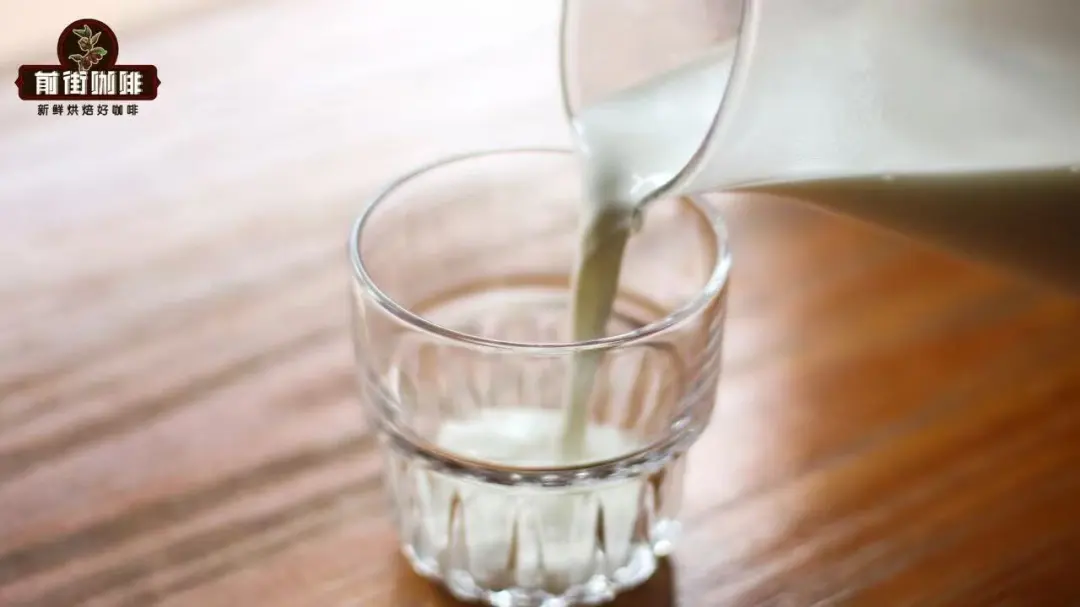
This is not just an online discussion—at Front Street Coffee's café, we often encounter the same situation: whenever someone introduces Dirty coffee, they always emphasize that it must be made with purified milk. So, does this claim really hold up?
The answer is clearly no. Purified milk is indeed excellent for making Dirty, but it is by no means the only option. Regular fresh milk, plant-based milk, and others can all be used to make Dirty. For example, when Front Street Coffee produces Dirty, we mainly use fresh milk. The reason purified milk has become so closely associated with Dirty is mainly that its unique mouthfeel brings a distinctive experience to Dirty. It can be said that Dirty coffee's rise in popularity back then was inseparable from the boost provided by purified milk.

What exactly is purified milk? In the article "Leave the milk like this overnight and you can make a super-rich milk coffee the next day," which teaches people how to make purified milk at home, Front Street Coffee explained: purified milk is simply milk with a higher concentration. Through a purification process, part of the water is removed, turning it into milk with high concentration, high fat, high protein, and high lactose. Because of its higher concentration, purified milk has a fuller, smoother mouthfeel and a richer flavor compared to regular milk.
These characteristics happen to be fully showcased in Dirty coffee, so when Dirty became popular, purified milk and Dirty immediately hit it off and became inseparable partners in specialty coffee shops. As soon as a café starts selling Dirty, you will most likely see an option at the bottom of the menu saying "+5 yuan to swap fresh milk for purified milk," or the shop will specifically emphasize in its Dirty promotion that purified milk is used.
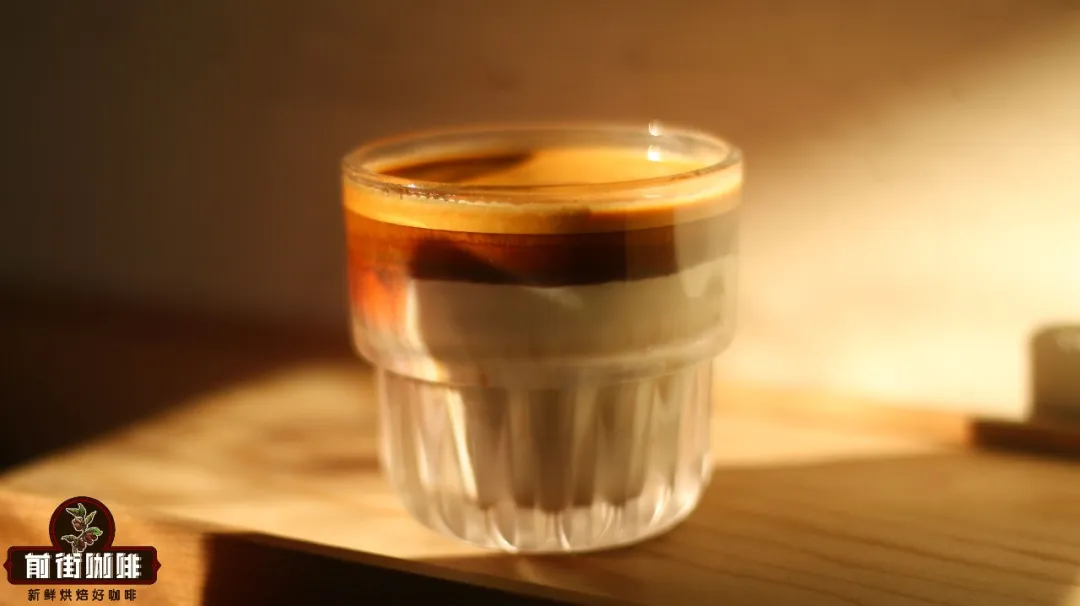
What is Dirty coffee? Many friends may already be quite familiar with it, but Front Street Coffee will still give a brief introduction. It can be said that Dirty is a very special espresso milk coffee. Although its ingredients are the same as latte, flat white, and other milk coffees—just milk and espresso—it is very different from regular milk coffee in terms of preparation method, drinking method, and experience. When making Dirty, we do not let the espresso and milk fully mix. Instead, through a certain technique, we let the espresso float concentrated on the surface of the milk, forming layers.
Precisely because the milk and coffee are not fully blended, combined with the method of taking a big gulp, we can feel the striking contrast between coffee and milk in temperature and flavor. With one big sip, the warm, toasty aroma of espresso and the icy, sweet fragrance of milk collide in the mouth—it is very interesting. Why is purified milk often used for Dirty? As Front Street Coffee mentioned earlier, because the milk and coffee are not fully blended, the two remain relatively independent. This means that when making Dirty, we do not need to consider too much the compatibility between coffee beans and milk. As long as it is not jarring, both the bean choice and milk choice can be freely changed, which gives Dirty more diverse directions for preparation than regular milk coffee. For example, swapping the fresh milk in Dirty for purified milk yields a cup of Dirty with a stronger contrast.
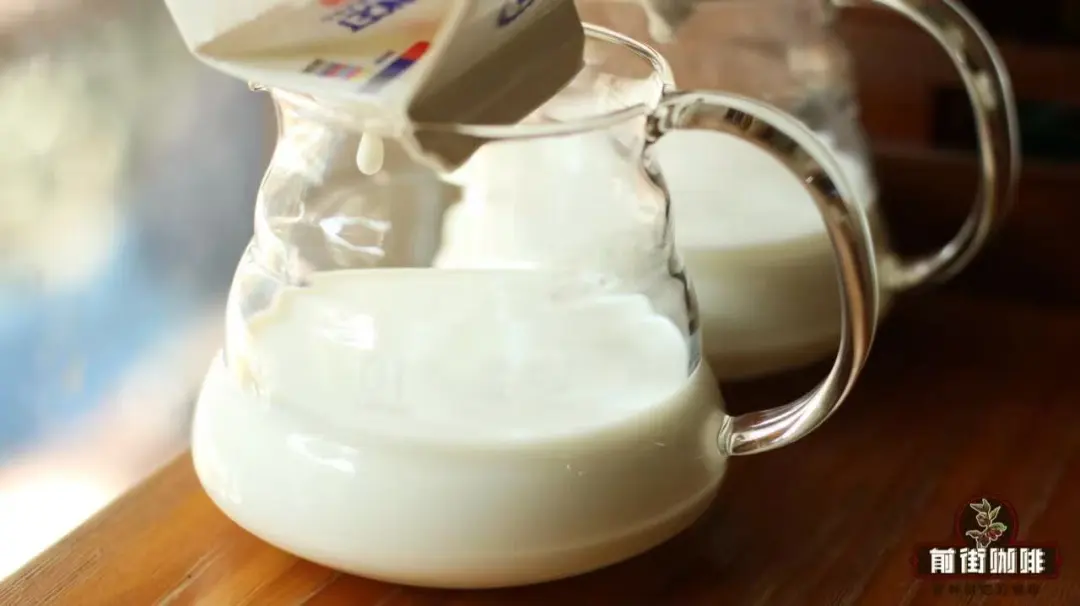
Purified milk is more concentrated and can better support the espresso, making the layers more pronounced and lasting longer. Moreover, because it is highly concentrated and separated from the coffee, when you take a big sip you can taste the milk's sweeter flavor and silkier texture. This further widens the difference between milk and coffee, making the contrast sharper and the experience richer. This distinctive experience refreshed everyone's conventional impression of milk coffee, so Dirty spread extremely quickly at the time, and purified milk almost became the standard for cafés serving Dirty. This also led many friends to mistakenly believe that purified milk is the only choice for making Dirty.
But as Front Street Coffee said, purified milk is not the only choice for Dirty. Dirty made with purified milk is certainly outstanding, but Dirty made with regular fresh milk is not bad either. Dirty made with regular fresh milk is not only less likely to feel cloying but also drinks lighter. For many friends who do not like heavy flavors, Dirty made with fresh milk is actually more suitable. That is why many cafés use fresh milk as the base for Dirty, and if customers want to experience purified milk, they can choose to pay extra to swap it in. (Of course, that is also because purified milk is more expensive~) - END -
The above content is compiled by CoffeeHunters, a coffee news website.


