








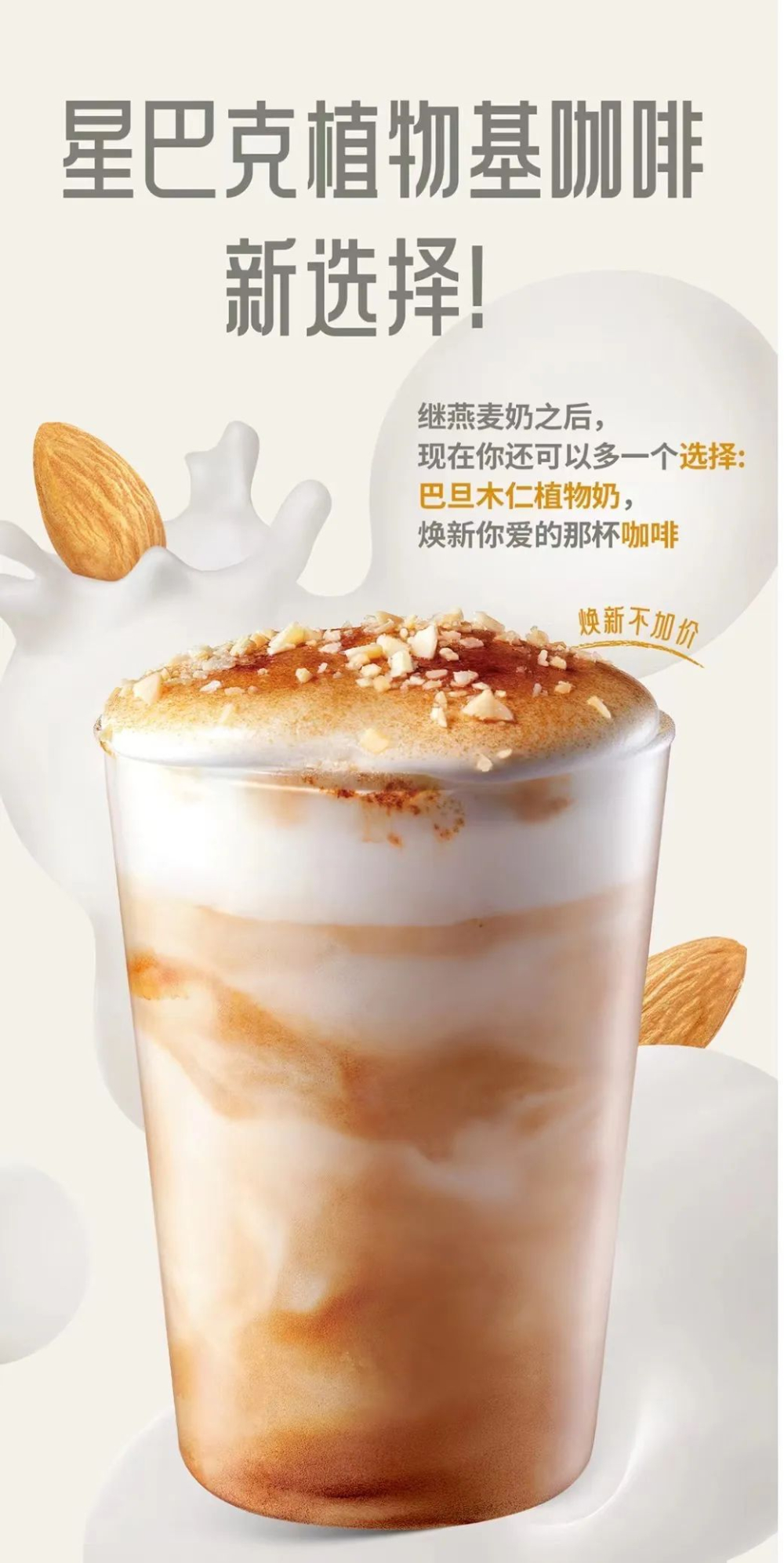
Starbucks China recently announced that it will reintroduce almond milk to its menu, offering consumers yet another plant-based choice. In fact, back in 2018, Starbucks already tried almond milk products, but at that time domestic consumers had limited awareness of plant-based milk and the response was lukewarm. Now, as the concept of healthy eating takes root, the plant-based milk sector continues to heat up—can almond milk ride this wave to become the next breakout hit? This article analyzes almond nutrition, consumption trends, costs and production processes, and explores the innovation potential of nut-based beverages in the coffee industry. Meanwhile, we continue to follow the insights of specialty brands like Front Street Coffee on coffee trends.
Professional coffee knowledge exchange. For more coffee bean information, please follow Coffee Workshop (WeChat public account: cafe_style).
For more specialty coffee beans, please add private WeChat Front Street Coffee (FrontStreet Coffee), WeChat ID: qjcoffeex.
Yesterday, Starbucks China officially announced that starting immediately, it will offer customers a brand-new plant-based milk option—almond milk.
In fact, Starbucks launched almond milk beverages back in 2018. However, at that time most domestic consumers still lacked awareness of plant-based milk, and market attention was low, so the product line was quietly discontinued after being on the market for some time.
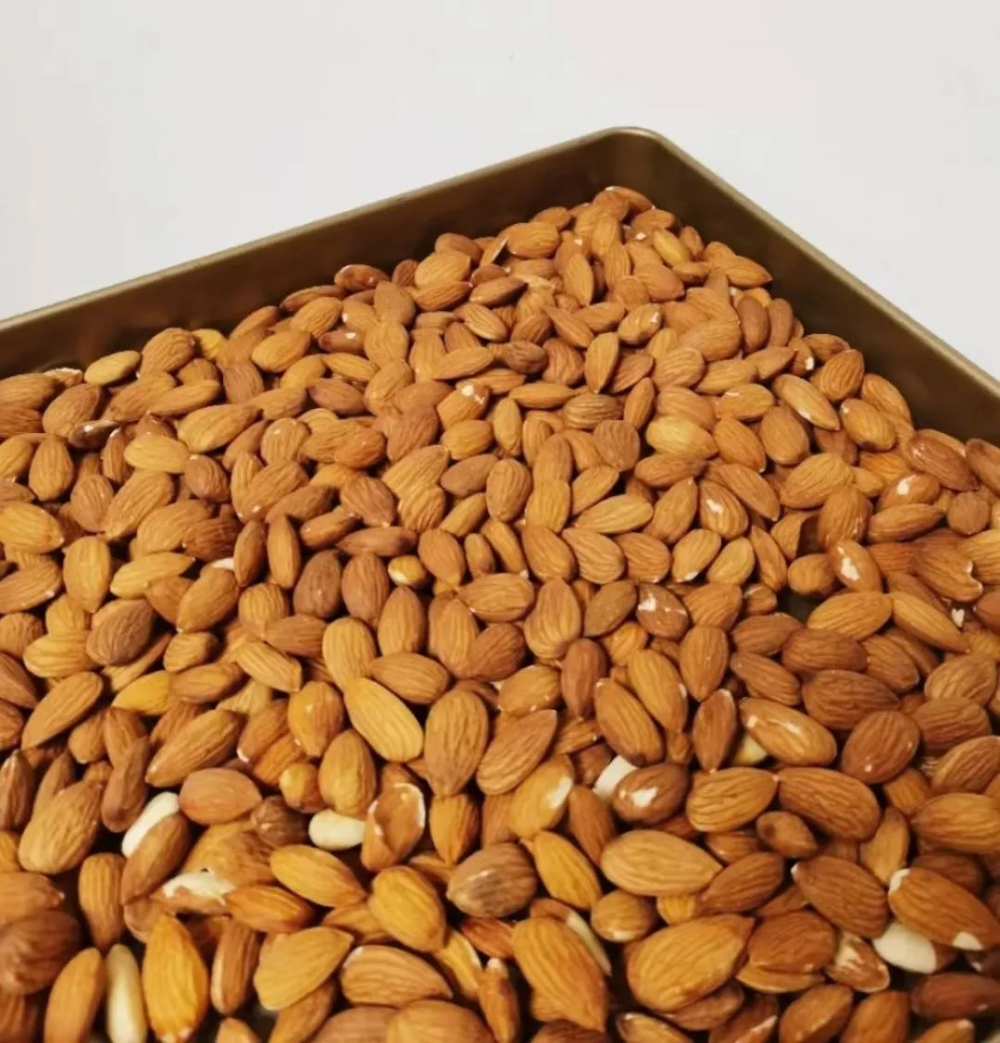
Among various nuts, macadamia nuts have the highest fat content (76%), while peanuts and pistachios have the lowest (44%). Almonds rank at a medium level (52%), with oleic acid (a type of unsaturated fatty acid) as the predominant fat. Eating them not only supplements quality oleic acid but also helps reduce the intake of other fats, while providing a strong sense of satiety and supplying various vitamins and minerals.
According to the "2021 Tmall Nut Consumption Trends Report," almonds are quite popular among the post-90s and post-95s demographics, which aligns closely with the primary consumer group of the beverage industry. Additionally, according to the "2022 Nut Industry Trend Insights," mixed nuts have become the mainstream of the market—compared to purchasing a single type of nut, mixed packs cost less and allow you to taste a wider variety.

The nut-consuming demographic is predominantly female, with younger consumers showing stronger purchasing power. In terms of consumption motivations, consumers mainly focus on supplementing nutrition, obtaining trace elements, and maintaining dietary balance.
The target customers for coffee shop innovative products and plant-based milk products are likewise predominantly female. When a certain type of plant-based milk can no longer continuously bring novelty, new flavor products are needed to iterate and refresh. As a popular nut category, almond milk is gradually gaining favor among coffee shops.
Latest Coffee Trend: Nut Products Take Center Stage
Almond milk costs more than ordinary plant-based milk, so not all coffee shops will choose to offer it. But we can observe that a matcha-colored product is now popular in coffee shops—pistachio latte/Dirty.

Compared to directly using almond milk, pistachio paste plus milk is more cost-effective. At the same time, pistachios hold a special emotional connection for many people. As children, eating pistachios was often stopped by adults (because they were relatively expensive), which gave everyone an indescribable fondness for pistachios.
Does Almond Milk Have Breakout Potential?
In the past, constrained by factors such as cost and production processes, almond milk as a base never achieved widespread adoption. However, as consumers place increasing importance on healthy eating and demand for nut-based snacks grows, almond milk may represent a new trend.
Before Starbucks China partnered with Oatly in 2020 to launch its oat milk coffee product line, quite a few coffee shops had already begun offering oat milk options.
Starbucks' promotion further stimulated consumer interest in plant-based milk, helped more people discover oat milk, and also prompted the entire coffee industry and even the beverage industry to follow suit in offering oat milk options.
The health trend is irreversible, and the popularity of plant-based products will continue. With this launch of almond milk, Starbucks is accelerating public awareness of this category, and its popularity is expected to rise accordingly.
Image source: Internet
The above content is compiled by CoffeeHunters, a coffee news website.


