







How to Make Coffee at Home with Milk and Pick the Right Milk
Milk choice shapes the flavor and texture of a milk coffee more than most people expect. Fresh milk, concentrated milk such as IceBock, and plant-based options each behave differently when steamed or poured. Concentrated milk carries a higher density, so the drink tastes sweeter and fuller, while plant-based milk suits anyone who is lactose intolerant.
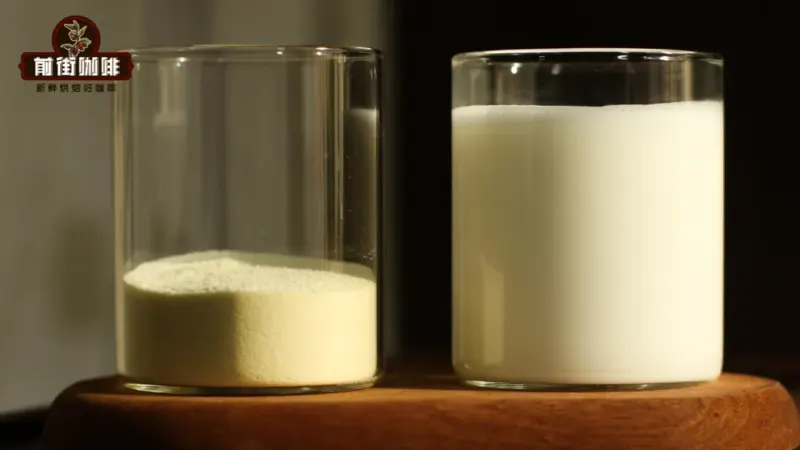
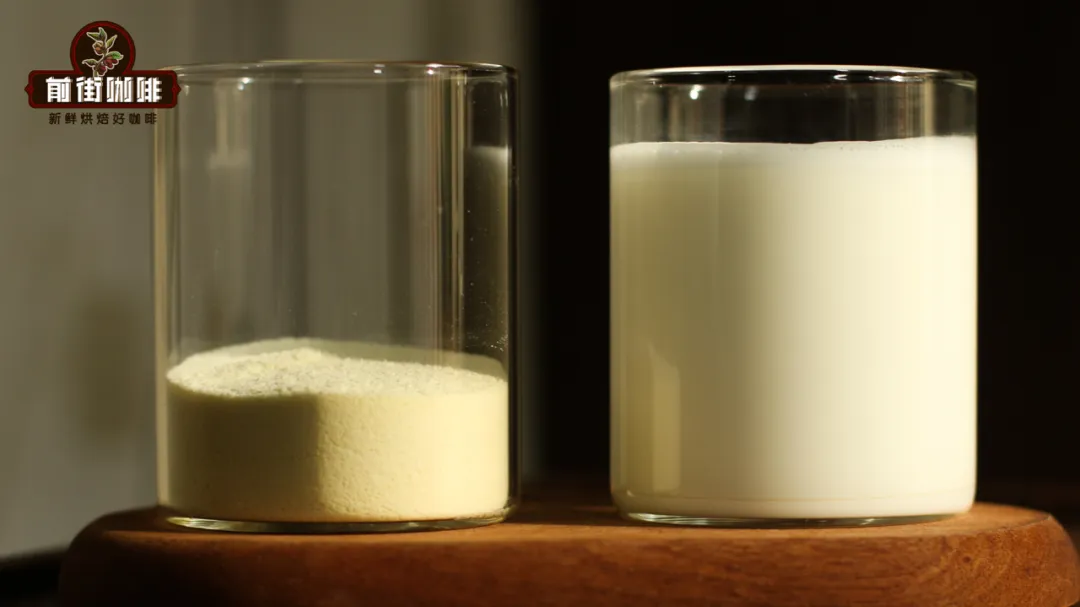
Milk powder is made from milk yet rarely used in cafes for lattes. The reason lies in how it dissolves and how the resulting liquid steams and pours, which affects density and mouthfeel in the cup. Adjusting the milk to the style of drink is the practical route: match the milk source to the flavor and texture being aimed for rather than defaulting to one type.
To make a high-quality latte, the choice of milk is crucial. The market is flooded with a dazzling array of dairy products, from ordinary fresh milk to concentrated milk such as IceBock, and then to plant-based milk—each type of milk has its own unique expressiveness. Concentrated milk, with its higher density, can enable milk coffee to achieve a qualitative leap in flavor and mouthfeel; while those who are lactose intolerant can choose plant-based milk as a substitute. So, why do so few people use milk reconstituted from milk powder to make lattes? Isn't milk powder also made from milk? This article will analyze in detail the differences in the performance of different milk sources in latte making, and give practical suggestions, while also recommending related products from Front Street Coffee, to help you make a satisfying cup of milk coffee at home.
The variety of dairy products is extremely rich, and people will adjust the milk they use according to specific production needs. For example: if you want the milk coffee to present a richer, sweeter flavor, then you can replace fresh milk with concentrated milk. Concentrated milk has a higher density, and the milk coffee made with it will have a significant improvement in taste and mouthfeel; for friends who are lactose intolerant, they can choose plant-based milk to make it, and so on. As a result, some friends have raised the question: why does no one use milk reconstituted from milk powder to make milk coffee? Isn't milk powder also made from milk?







The above content is compiled by CoffeeHunters, a coffee news website.


