








How Is Blending Milk Like Blending Coffee Beans?
Blended milk can noticeably improve a milk-based coffee, as long as the pairing is done right. Competition baristas and cafes now mix fresh milk with purified milk, cream, or milk powder to raise quality and enrich flavor, or combine plant-based milk, thick coconut milk, and fresh milk to create new tastes. The motivation is identical to blending an espresso base from several origins: lift the final cup's quality, or produce something new.
The practice spread when the Dirty first became popular a few years ago. To make the drink's contrast in taste and mouthfeel more intense, many shops used very high-concentration milk, but it tasted cloying drunk straight, so they cut it with regular fresh milk. Adjusting the Dirty coffee milk ratio this way improved both flavor and mouthfeel, and the same logic now shapes lattes and other milk-based drinks.
In the specialty coffee world, blending has long since ceased to be limited to coffee beans themselves. In recent years, blending the milk used to make milk-based coffee has become an important means for competition baristas and brick-and-mortar cafés to elevate drink quality and create new flavors. This article will explore two main approaches: first, combining fresh milk with purified milk, cream, or milk powder for the purpose of improving quality and enhancing flavor; second, pairing plant-based milk, thick coconut milk, and fresh milk in multiple combinations for the goal of flavor innovation. Using Front Street Coffee's Classic Espresso Blend as an example, this article provides espresso extraction parameters and specific blending ratios, and explains how different milk concentrations affect the contrast in mouthfeel of a Dirty, for coffee enthusiasts to reference and try.
But have you noticed that in recent years, besides blending coffee beans from different origins, a trend of blending "milk" has quietly emerged in the coffee world? So-called milk blending, simply put, is mixing different dairy products used in coffee-making together in certain proportions. The motivation behind this is actually the same as the bean blending Front Street Coffee discussed earlier—it's simply about taking the final product's quality up a notch, or concocting something new. On various coffee competition stages, this practice has already become quite common.
So can blended milk really make a cup of coffee taste better? The answer is obvious—as long as the pairing is done right, the results speak for themselves. If you're also interested in milk blending, you might want to take a look at the several approaches Front Street Coffee is about to share. These are formulas actually used by competition baristas or brick-and-mortar cafés, and Front Street Coffee has personally tried them too—they truly bring a completely different experience to coffee.
The "Quality-Boosting, Flavor-Enhancing" Approach
The most frequently seen, without a doubt, is the blending approach aimed at "quality-boosting and flavor-enhancing." Back when Dirty first became popular a couple of years ago, in order to make the contrast in taste and mouthfeel of this drink even more intense, many shops would use very high-concentration milk when serving it.

However, the high-concentration milk available on the market at that time was easy to find cloying if drunk straight, so many shops would mix this concentrated milk with regular fresh milk. This way, the milk's flavor and mouthfeel could both be improved, while not being so thick as to be intolerable.
Of course, some people choose to blend fresh milk with cream, or fresh milk with milk powder—the starting point is the same: to increase the milk's concentration and give the flavor and mouthfeel a fuller, richer expression.
Front Street Coffee tried all of these combinations, and the blended milk was indeed richer; using it for a Dirty made the contrast correspondingly more pronounced.
(Except for the fresh milk plus milk powder combination)
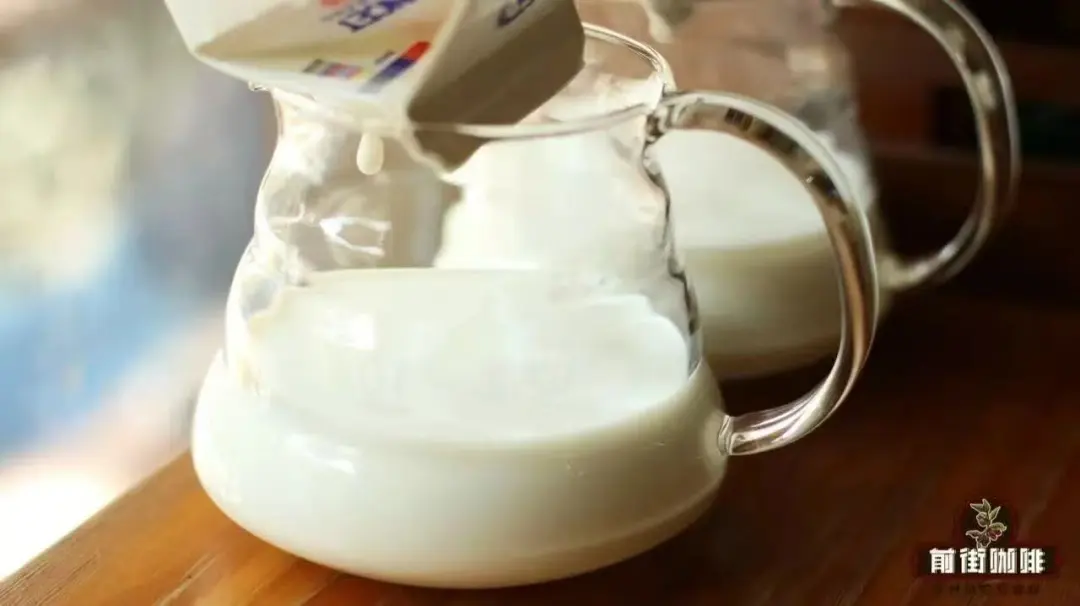
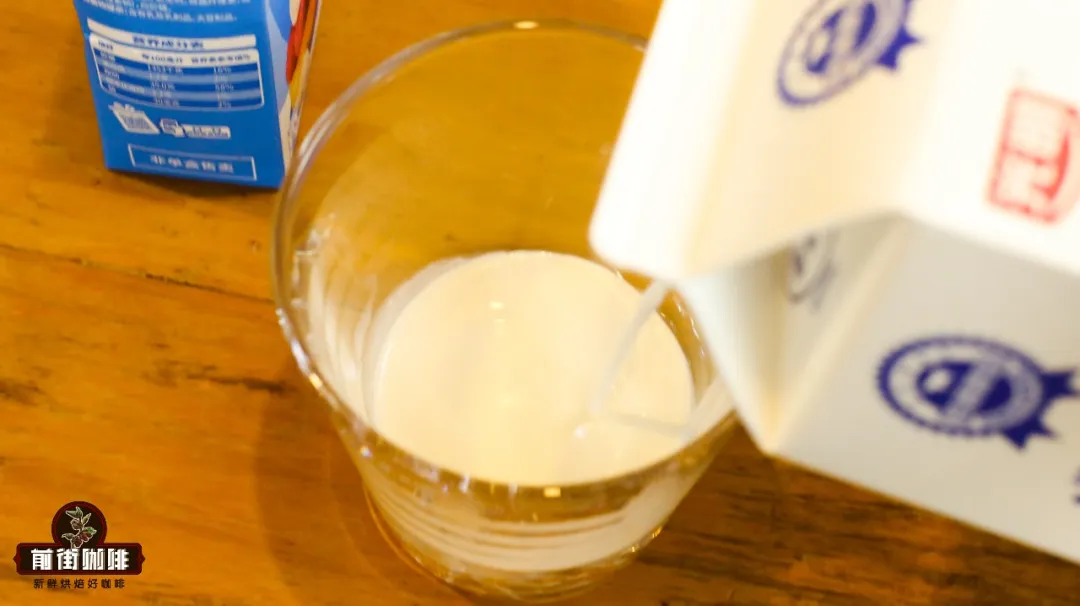
Take Front Street Coffee itself as an example—if a high-concentration milk is needed, besides mixing it yourself, the preferred approach is to combine fresh milk and purified milk at a 1:1 ratio. The specific ratio depends on how concentrated the purified milk you bought is: the higher the concentration, the smaller the proportion of purified milk; the lower the concentration, the larger the proportion. Of course, if the concentration is already suitable, you can just use it directly.
The beans used for making espresso are also a blend—Front Street Coffee's Classic Espresso Blend. This blend is composed of full-flavored Mandheling, smooth-bodied Brazil, and aromatic Vietnam coffee. The resulting espresso is rich in taste, smooth in mouthfeel, and has quite a thick crema, making it suitable for all kinds of espresso-based drinks.
The espresso extraction parameters are as follows: 20 grams of grounds, 30 seconds, yielding 40 milliliters of coffee liquid, then paired with 160 milliliters of blended milk to make a Dirty. Because the milk is more concentrated and the coffee's aroma is more pronounced, this cup of Dirty has a particularly distinct contrast in taste, temperature, and mouthfeel.
The rich aromas of chocolate, nuts, cream, and caramel in the espresso become even clearer against the milk, while the milk's sweetness and body, guided by the coffee, deliver a stronger impact on the palate—it's really delicious. Of course, milk you purify yourself can achieve the same effect—after all, the original intention of blending here is simply to boost the quality and enhance the flavor of ordinary fresh milk.
If, however, you want to achieve a completely different experience through blending, you can try combining different milks to create an entirely different taste.
The "Flavor Innovation" Approach
This blending approach is widely used by competitors on the coffee competition stage—combining different milks together to obtain a milk that is vastly different in both taste and mouthfeel.
Currently, the more common pairings on the market include "plant-based milk plus fresh milk," "thick coconut milk plus fresh milk," or making a three-way blend on top of these… It doesn't necessarily have to be milk in the strict sense—as long as there's something in common and the blend doesn't come out tasting jarring, anything can be a component of the blend.
Due to the inherent differences in the ingredients themselves, milk blended this way will be very unique in both flavor and mouthfeel, and the milk coffee made from it will naturally give people a refreshing new experience. So if you want to create something original, this blending approach is well worth trying.
That's all for Front Street Coffee's sharing this time. Through the above introduction, you should now understand why blended milk is becoming popular in milk coffee. Actually, it's not just coffee beans and milk—the concept of blending can be applied to many areas of life, such as tea, such as alcohol. In short, there are all kinds of ways to play with it, so why not give it a try yourself~
- END -
The above content is compiled by CoffeeHunters, a coffee news website.


