








How to Make Froth in Coffee for an Oat Milk Latte
Bitterness, greasiness and failed latte art are the three usual problems when making an oat milk latte at home, and each has a specific cause. The bitterness often comes from swapping oat milk in equal amounts over a dark-roasted bean, and the greasiness from overheating or over-aerating the plant milk.
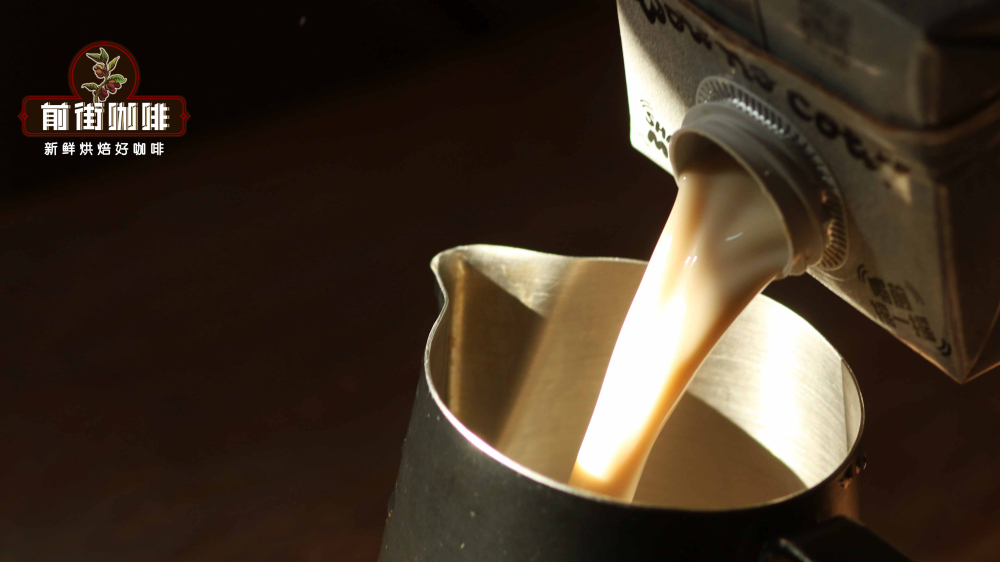
The fix starts with bean choice: a medium-roast single-origin espresso with nutty, caramel and light acidic notes blends with oat milk's neutral character without burying the coffee. For how to make froth in coffee, keep the steam tip near the surface briefly for aeration, then submerge it to build a smooth vortex rather than large bubbles, and pour immediately.
Using plant-based milk to make lattes has become a favorite for many coffee lovers in recent years. Oat milk contains no lactose and has a unique flavor when combined with coffee, but many people run into problems like bitterness, greasiness, or failed latte art when trying to recreate it at home. Actually, with just a few adjustments to coffee bean selection, plant milk ratios, and milk frothing methods, you can make a plant milk latte that's both delicious and beautiful. This article draws on Front Street's practical experience to analyze the causes behind the three major pain points—bitterness, greasiness, and latte art—one by one, and provides specific bean recommendations and operational tips to help you easily recreate café-quality oat milk lattes at home.

So-called "plant milk" is a grain-based beverage made from protein- and fat-rich plant seeds or fruits combined with water as a base, and it is deeply loved by many coffee enthusiasts. Not only does it contain no lactose, but lattes made with it also present a unique flavor that makes many people fall in love at first sip. Front Street also went through a long period of being especially obsessed with oat lattes—they really are delicious.
However, many friends report that when they make lattes with plant milk at home, the taste never quite matches what cafés produce—it's either too bitter or too greasy, and latte art always fails. So they've been asking Front Street for advice, wanting to know how to make a delicious and beautiful latte with plant milk. So today let's talk about how to improve these problems encountered when making lattes with plant milk.
I. Why does the plant milk latte turn out bitter?
Many friends, when making lattes with plant milk, habitually substitute in equal amounts—however much milk they used before, they swap in the same amount of oat milk. This approach itself isn't wrong, but if the coffee beans you're using are on the darker roast side, the bitterness in the final product will be more pronounced.
To avoid this kind of bitterness, you can choose the medium-roast Front Street Queen's Estate SOE, which combines nutty aromas, caramel notes, and a slight acidity. The neutral, balanced character of oat milk can blend with the coffee's flavors—without overly masking the coffee's original taste, while adding a rich, creamy body.
If you want your coffee to be less bitter, then choose Front Street Strawberry Candy Espresso. This is an espresso blend specially launched for those who love floral and fruity notes. It combines three major origins—Costa Rica, Colombia, and Ethiopia—with aromas of roses, citrus, grapes, and dried blueberries. Made as an americano, it has a sweet, fruity flavor like fruit gummies.
The reason is actually quite simple: most plant milks on the market are less sweet than dairy milk. After equal substitution, plant milk, due to insufficient sweetness, cannot fully balance the coffee's bitterness, so it tastes bitter—or rather, the coffee flavor seems more intense.
Therefore, when Front Street makes lattes with plant milks like oat milk, we usually appropriately increase the amount of plant milk, so the final taste stays balanced with the plant milk—neither overly prominent nor overly masked.
II. Why does the plant milk latte turn out greasy?
The reason many friends' plant milk coffee turns out greasy is that both the plant milk and the coffee have relatively heavy flavors. When two heavy flavors stack together, you naturally get a latte with a more intense taste that becomes cloying after just a few sips.
This principle applies not only to plant milk but also to lattes made with dairy milk. This is also why, aside from coffee beans, different cafés choose different milks. It's not just a cost consideration—it's also because a particular milk's flavor matches their coffee beans better.
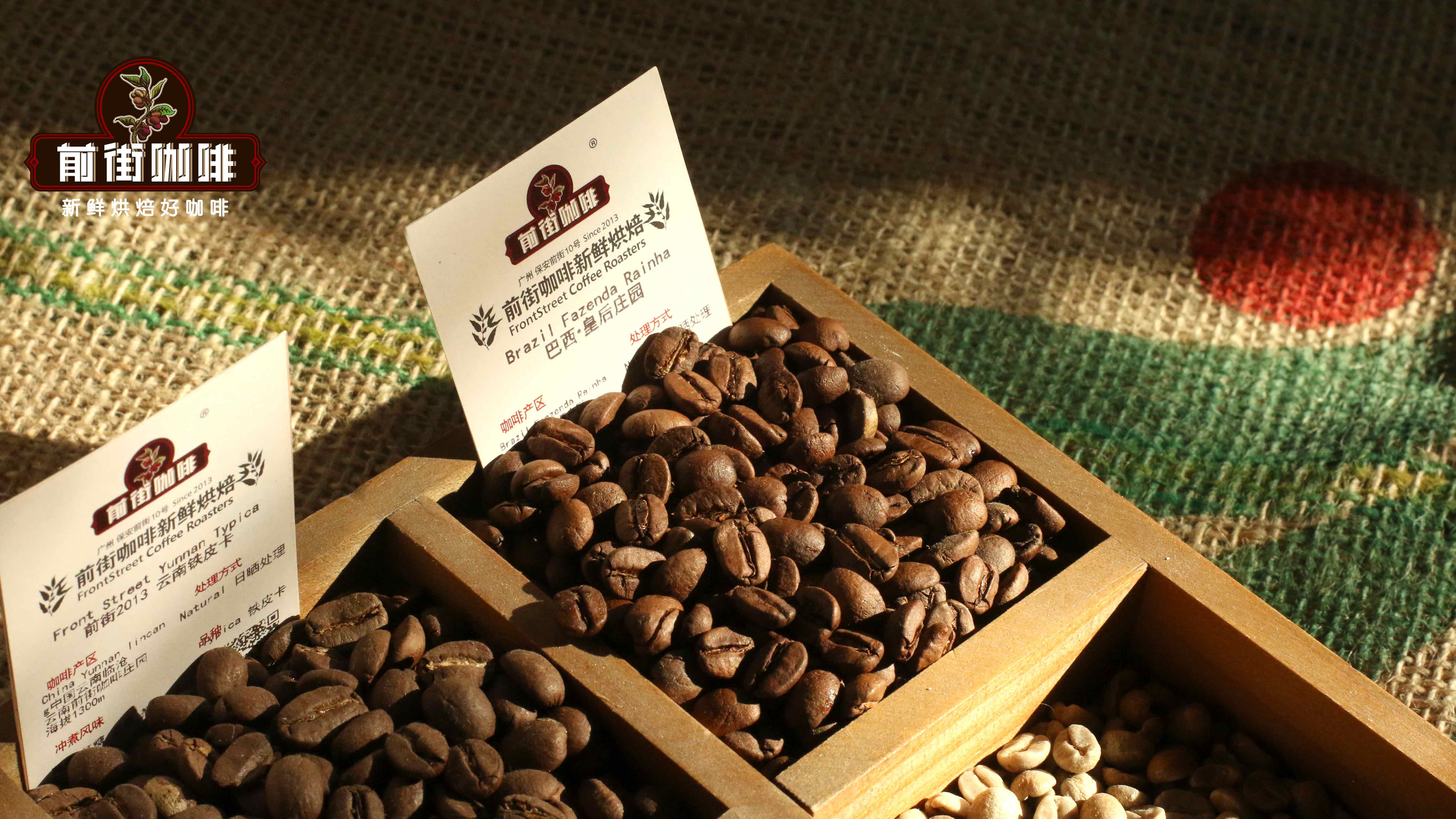
Take Front Street as an example. Front Street uses the medium-dark roast Front Street Classic Espresso Blend from its bean lineup for espresso. The coffee made with it has a rich, aromatic taste with flavor notes of chocolate, nutty cream, and caramel, and a full, silky body—making it a coffee bean very well suited for cafés producing espresso.
Coffee made from beans like these tends to be on the richer side. If we don't want the latte to taste too heavy, then we can lean toward milks and plant milks whose flavor and mouthfeel aren't as heavy. Of course, taste varies from person to person—heavier options work too, as long as they suit your preferences.
III. Why is it hard to pour good latte art with plant milk?
Finally, there's the latte art issue. Many friends can't pour good latte art with plant milk because the milk foam they whip up is too thin. Even if the frothing method is no different from when frothing dairy milk, the resulting foam ends up slightly thinner and not creamy enough.
The reason is that most plant milks have lower protein content than fresh dairy milk, so the foam produced has relatively poor stability, and the final foam thickness ends up on the thin side. Although thinner foam has higher fluidity, for those who aren't highly skilled, excessive fluidity is actually harder to control—because it's more difficult to manage, and during pouring the pattern easily shifts or simply fails to take shape.

Therefore, Front Street recommends that when frothing plant milks like oat milk, you incorporate more air, making the final foam about 0.5–1 cm thicker than usual. This way the foam's fluidity won't be so high, and we can more easily create a beautiful latte art pattern.
That's all for Front Street's sharing this time. One thing to note: the plant milks mentioned in this article are all relatively common plant milks like oat milk, and don't apply to all of them, so it's best to adjust your coffee-making based on your actual situation.
The above content is compiled by CoffeeHunters, a coffee news website.


