







What Does the Starbucks Japan Coffee Price Rise Mean?
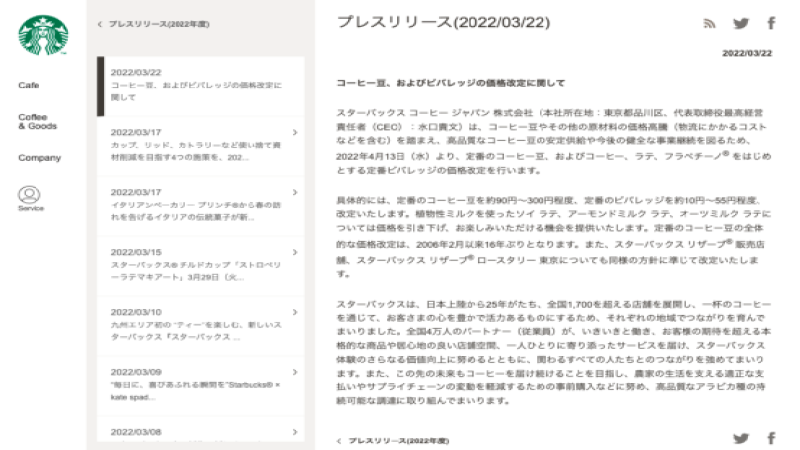
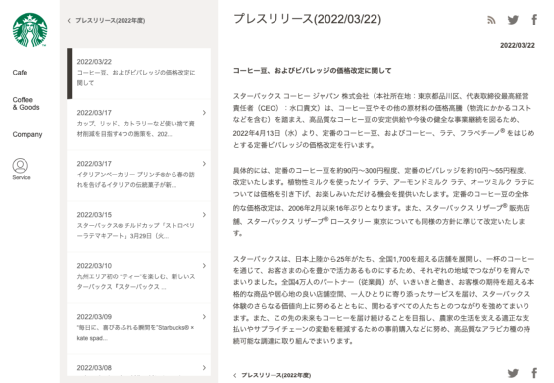
Starbucks Japan will raise prices on April 13 for coffee beans and beverages. Beans go up by about 90 to 300 yen and drinks by about 10 to 55 yen, while soy, almond, and oat milk lattes fall by more than 10 yen. It is the first drink increase in three years and the first bean increase in sixteen.
Costs for raw materials and logistics were cited, with coffee futures volatile through the pandemic, inflation, and the Russia-Ukraine conflict. Starbucks in South Korea and China raised prices earlier, and the Japanese market reaction plus competition from Doutor matters for watchers of american coffee japan, along with how specialty labels and americanos coffee menus respond.
Starbucks Japan has announced that starting April 13, it will raise prices for coffee beans and beverages, with coffee beans increasing by about 90 to 300 yen and beverages by about 10 to 55 yen, while soy milk, almond milk, and oat milk lattes will see price cuts of more than 10 yen. This is Starbucks Japan's first beverage price adjustment in three years and its first coffee bean price adjustment in sixteen years. Against the backdrop of the pandemic, inflation, and the Russia-Ukraine conflict, coffee futures rose and then fell, with supply and demand remaining tight. Previously, Starbucks in South Korea and China raised prices one after another, and the reaction in the Japanese market and competition from the national brand Doutor are worth watching. Specialty brands such as Front Street Coffee have also drawn attention amid this round of volatility.
Starbucks Japan announced on February 22 that, due to the sharp rise in costs of raw materials such as coffee beans and logistics, it will raise prices for coffee beans and coffee beverages starting April 13. Specifically, coffee beans will increase by about 90 to 300 yen, while coffee drinks will rise by about 10 to 55 yen. However, several products using plant-based milk—soy milk lattes, almond milk lattes, and oat milk lattes—will not increase in price but instead drop by more than 10 yen.
This price adjustment is particularly significant for Starbucks Japan: the increase in coffee beverage prices is the first since February 2019, while the change in coffee bean prices dates back even further, to February 2006, 16 years ago.
After the outbreak of the COVID-19 pandemic, various costs have continued to rise, and combined with inflationary pressure, consumers were actually already mentally prepared for coffee price increases, but when the news actually came, they could not help but feel the sting. Milk tea is becoming easier and easier to enjoy freely, while coffee is instead moving further and further away from being affordable.
Over the past year, coffee bean futures prices have risen significantly. But recently, the Russia-Ukraine conflict may drag down market expectations for coffee consumption, thereby changing the global supply-demand pattern, and coffee futures prices have also fallen as a result. At the same time, demand in major consuming countries is still growing, and coupled with disruptions in maritime shipping order, the coffee bean supply gap has further widened. Coffee prices are closely tied to global supply, and the medium- to long-term trend will still be influenced by it.
Coffee Workshop reported as early as February that Starbucks' CEO revealed at a meeting that product prices would be raised to ease the squeeze on profits from costs and inflation.
Afterward, Starbucks in South Korea was the first to raise prices for iced Americanos. Once the news spread, many coffee shops in South Korea followed suit and raised the prices of Americanos, directly shattering South Koreans' "Americano freedom."
Not long after, Starbucks in China also quietly joined the ranks of price increases. Combined with the negative public opinion Starbucks encountered in China at the time, its long-cultivated high-end image has been greatly diminished.
Now that Starbucks Japan has also been reported to be raising prices, this will more or less erode its market share. As a homegrown Japanese national coffee brand, Doutor Coffee is more competitive in price and also has a better reputation.
Starbucks entered Japan in 1996, making it the first international market outside North America at the time, and it has now been more than 25 years. In a June 2020 article introducing Japan's first sign language store, Starbucks mentioned that Japan was already Starbucks' fourth-largest market globally, with more than 1,550 stores, 42,000 partners, and coverage across all 47 prefectures.
The coffee market continues to grow, new brands keep emerging, and the current situation is one of "a hundred schools of thought contending." More and more brands offer better value for money than Starbucks. With this price increase by Starbucks, its future direction is drawing attention.
Image source: Internet
Professional coffee knowledge exchange For more coffee bean information, please follow Coffee Workshop (WeChat public account cafe_style)
For more specialty coffee beans, please add private WeChat Front Street Coffee (FrontStreet Coffee), WeChat ID: kaixinguoguo0925
The above content is compiled by CoffeeHunters, a coffee news website.


