







Search Results for: often
Recommend some beans for a Moka pot; I like medium-dark roasts: balancing budget and how often I drink it.
When it comes to medium-dark roast moka pot coffee beans, start by looking at how you plan to drink it every day. For everyday bean purchases, you need to consider how quickly you'll go through them, how much to buy at a time, and whether you mainly make black coffee or milk coffee at home. If you mainly drink black coffee, pay more attention to aroma and aftertaste; if you often add milk, consider whether the intensity and body can hold up. [more…]
Yirgacheffe Starter Bean: Flavor Changes After Opening the Bag and Drinking Rhythm
When buying Yirgacheffe beans, the roast date is often more worth checking first than the flavor words on the packaging. Freshly roasted beans still contain a lot of carbon dioxide inside, so the water flow and aroma during brewing may not be stable enough; after resting for a few days, the floral notes, fruit acidity, and sweetness will gradually become clearer. For beginners, choosing fresh beans is only the starting point, [more…]
From Light to Dark Roast: What's the Difference Between Blends and SOE?
There is no fixed answer as to whether blended beans or SOE taste better; what truly creates the gap is often the roast level. Blended beans can be light-roasted, medium-roasted, or dark-roasted, and the same goes for SOE; the former emphasizes the harmony of multiple beans, while the latter highlights the character of a single origin or lot. Look at the roast direction first, then decide what you want. [more…]

Moka Pot Coffee | Why Do Light Roast Coffee Beans Often Fail in a Moka Pot? What Should You Watch Out for When Making Moka Pot Coffee with Light Roast Beans?
After drinking too much coffee of a certain flavor, we always want to switch things up and try something new. For example, some friends who use moka pots, even though they usually buy deeply roasted coffee beans full of caramelized aroma to make moka pot coffee, occasionally want to switch to light roast beans and experience the floral and fruity notes of light roast coffee. However, due to the [more…]
A Pour-Over Roast Map: How to Drink from Light to Dark Roasts
Even with the same hand-brewed coffee beans, different roast colors shift where the flavor lands on the palate. Light roasts tend to preserve the floral and fruity notes of the origin, medium roasts often bridge acidity, sweetness, aroma, and mouthfeel, while dark roasts develop cocoa, nutty, and roasted notes. First understand this line of change, then compare it with your own drinking habits and choose [more…]

Extracting Espresso Problems
In making espresso, some seemingly unimportant details are often overlooked, yet they can gradually affect the taste of the coffee. Today, Front Street Coffee will talk about those details that are often forgotten—count how many you've missed. - Forgetting to flush water before attaching the portafilter. If there is a long interval between this espresso extraction and the last one, [more…]

Choosing Yirgacheffe by Roast Level: From Floral and Fruity to Rich and Sweet for Beginners
The charm of Yirgacheffe often begins with floral notes, citrus, and a tea-like quality, but the same region, when roasted differently, can present a completely different character on the palate. For those new to coffee, narrowing things down first by roast level makes it easier to find an approachable entry-level option than fixating solely on the region name. Pour-over black coffee favors aroma, while milk [more…]
Choosing Yirgacheffe by Roast Level: From Floral and Fruity Brightness to Rich Sweetness for Beginners
The charm of Yirgacheffe often begins with floral notes, citrus, and a tea-like quality, but the same growing region can take on a completely different character at first sip depending on the roast. For those new to coffee, narrowing down your options by roast level first makes it easier to find a smooth starter cup than fixating solely on the region name. Pour-over black coffee emphasizes aroma, while milk [more…]
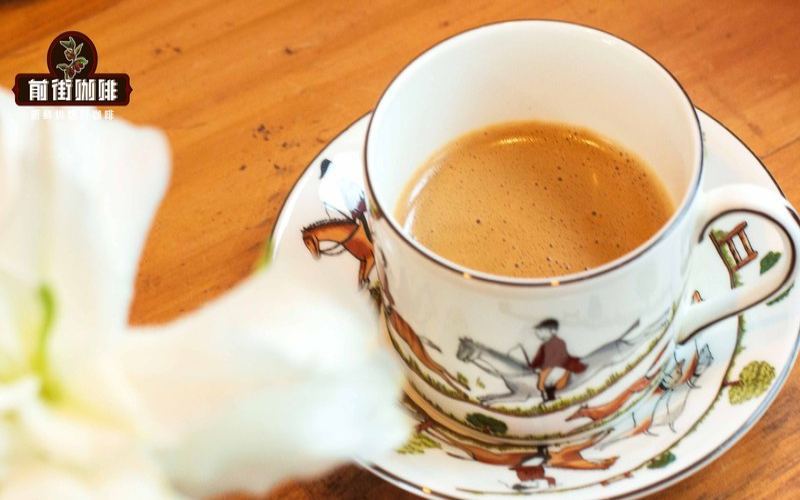
Single-Origin, Pour-Over, or Blend: How to Choose—Understanding Coffee Flavor from Light to Dark Roast
Whether to buy single-origin or blended coffee beans, and whether they suit pour-over or espresso, can often first be judged by the roast level. Light roasts retain more distinct origin character, often with floral notes, fruity acidity, and a bright, clean mouthfeel; medium roasts strike a more balanced profile of sweetness, aroma, and body; dark roasts lean more toward cocoa, nut, and roasted flavors. There is no fixed answer—what matters [more…]
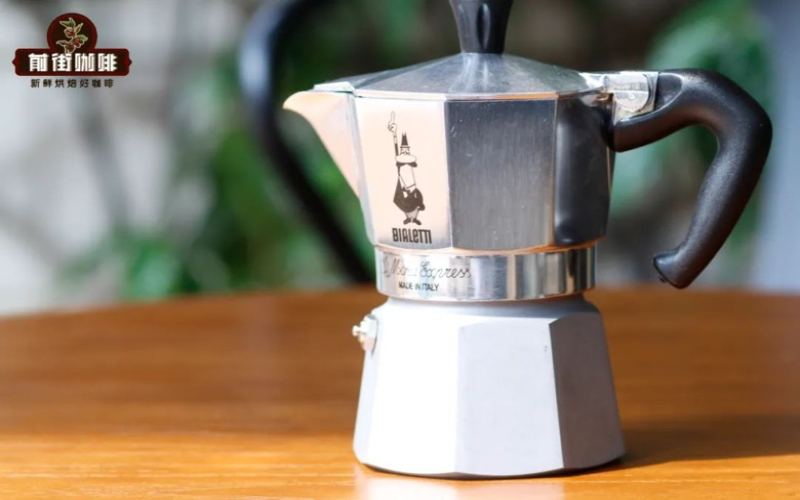
Yemen Mocha: Where Coffee First Went Out into the World
In the story of coffee, there is one name almost everyone has heard, yet it is often misunderstood—Mocha. Today it more often refers to a chocolate flavor, or a type of pot, but several hundred years ago, Mocha was a vital hub of the global coffee trade and the starting point from which coffee traveled from Ethiopia out into the world. This journey begins with the Red [more…]
Yemen Mocha: Where Coffee First Went Out into the World
In the story of coffee, there is a name almost everyone has heard, yet it is often misunderstood—Mocha. Today it more often refers to a chocolate flavor, or a type of pot, but several hundred years ago, Mocha was a vital hub of the global coffee trade and the starting point from which coffee spread from Ethiopia to the world. This journey begins with the Red [more…]
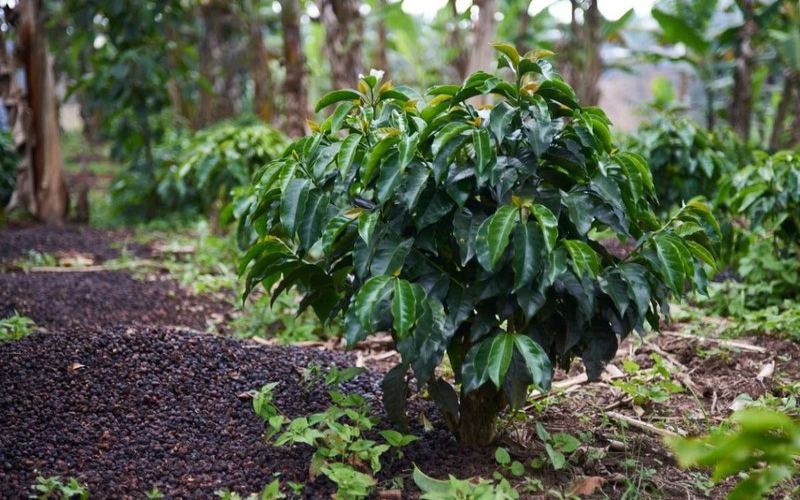
Light roast floral beans: roast level determines floral and fruity expression
The charm of light-roasted floral coffee beans often begins the moment you open the bag: aromas of petals, citrus, berries, or tropical fruit reach your nose first, while the sip brings bright acidity and sweetness. When choosing by roast level, don't just fixate on the words "light roast"—also note whether it sits at the early stage of light roasting, a standard light roast, or has already edged toward [more…]
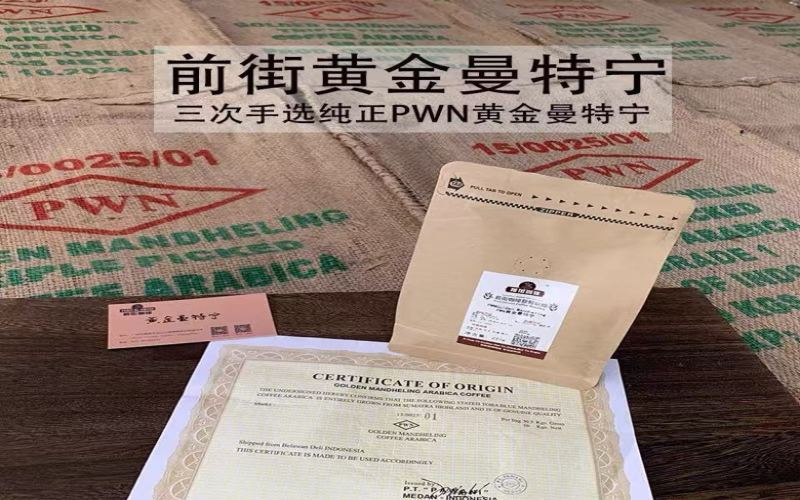
Why Are Mandheling-Style Coffee Beans a Good Choice for a Full-Bodied Cup Without Sharp Acidity?
The Mandheling style is often placed on the "thick, steady, low-acid" side. It doesn't win you over with a bright aroma at first sip; instead, it's remembered for its weight on the palate, its combination of dark chocolate and herbal notes, and a finish that still lingers after you swallow. For many who are used to drinking black coffee, the appeal of this style lies in this: it doesn't need [more…]
How to Choose Washed Coffee Beans: Find the Right Cup by Roast Level
Washed coffee beans often express the character of their origin and variety more clearly. In the cup, you might find citrus, berries, or floral notes, or it may lean toward nuts, caramel, and cocoa. It's not just for professional cupping—whether you brew a hot pour-over at breakfast, make iced coffee in the afternoon, or use an espresso machine to make an Americano, you can find a style that suits you. The key lies in [more…]
How to Choose Everyday Espresso Beans: A Flavor Guide from Light to Dark Roast
For everyday espresso beans, you don't have to fixate on "strong" or "bitter." The roast level shapes the aroma profile, sweetness, and the body of the espresso, and it also determines whether the coffee can hold its own once water, ice, or milk is added. If you want your daily coffee to be easy to drink, you can start by looking at light, medium, medium-dark, and dark roasts. [more…]
Americano | Why does the Americano taste noticeably different at different coffee shops? What characteristics should a delicious cup of Americano have?
Starting a refined day for the working crowd often takes just a cup of freshly ground coffee, and an Americano is the top choice for countless office workers. No matter what factors are at play, the Americano is always the "pillar" of any coffee shop, so its taste often directly shapes people's first impression of the place—sometimes even prompting the thought, "They can't even make a decent [more…]
Roast Level Determines How to Choose Single-Origin, Pour-Over, and Blends
From light roast to dark roast, coffee beans change not only in color, but also in aroma, sweetness, acidity and mouthfeel weight. Single-origin emphasizes the personality of a certain origin or batch, while a blend combines the characteristics of different beans; pour-over is an extraction method, and is not the same as a fixed type of bean. Keep these concepts separate, and then, from [more…]
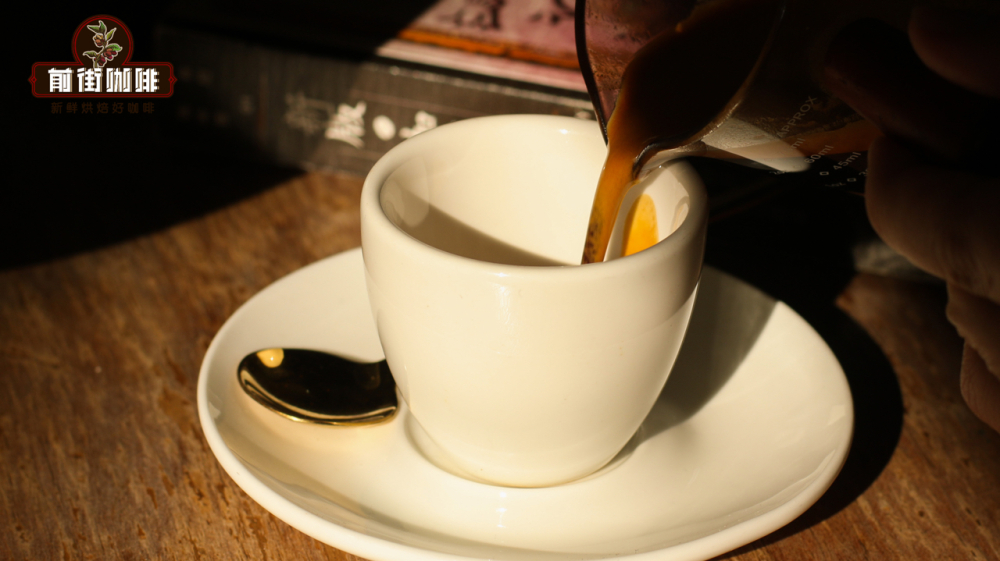
Espresso Machine Cleaning Guide | How Often Should an Espresso Machine Usually Be Cleaned? What Are the Steps to Clean a Semi-Automatic Espresso Machine at Home?
I believe baristas must have encountered this problem: in the morning, the espresso extraction parameters are dialed in, but by noon, the parameters are no longer accurate, and the coffee flow rate has noticeably slowed down. Front Street has previously offered explanations for two scenarios regarding this issue. The first is when it rains and the humidity in the air is relatively high, inside the bean hopper. [more…]
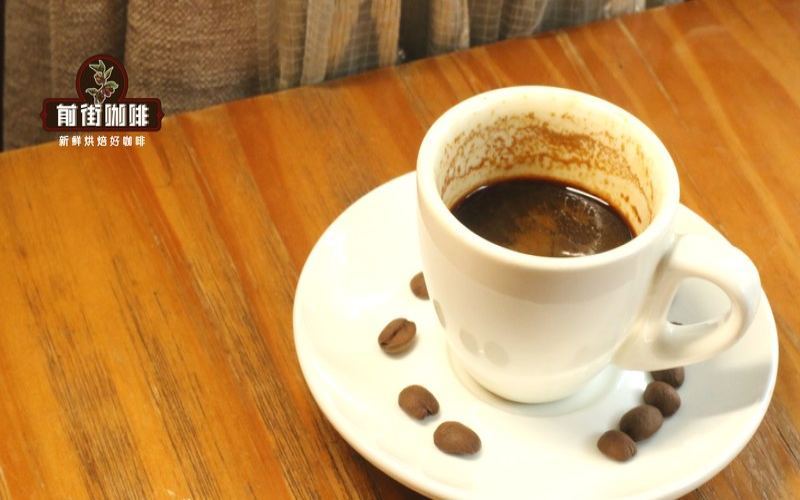
Freshly Roasted Coffee Brand Recommendations: Choose the Right Beans for You by Roast Level
Light-roasted beans often keep the character of their origin and variety in the cup; on the palate you may find citrus, berries, or floral notes, and they drink light and bright, making them suitable for the morning, the afternoon, and moments when you want to focus on the aroma. Medium-roasted beans have steadier sweetness and softer acidity, while dark-roasted beans carry more pronounced roasted, cocoa, and nutty notes. According to the roasting [more…]

Coffee Roast Levels | What Determines Coffee Bean Roast Degree and How Does It Affect Coffee Flavor? What's the Difference Between Dark, Medium, and Light Roasted Coffee Beans?
60% of coffee's flavor comes from green beans, 30% from roasting, and 10% from brewing. It's clear that many factors influence coffee flavor. So, as a roaster, how do you decide the roast level of coffee beans? Today Front Street will talk about determining the roasting style. There are two points to keep in mind—cof [more…]