








Why Coffee Professionals Slurp and What Cupping Is
Slurping is a technique used by coffee professionals to taste coffee more accurately. By drawing coffee and air quickly through pursed lips, you create turbulence that cools the liquid and spreads it across your palate. This increases contact with your taste buds and releases aromas, helping you notice flavors that might otherwise be missed. It is not about making noise, but about getting a clearer, more consistent read on the coffee.
Cupping is a standardized method for evaluating coffee quality. Several people may share the same cup, using spoons to slurp from it. This shared approach allows everyone to taste the same sample under identical conditions, making it easier to compare notes and reach agreement. Baristas also taste coffee before serving to check that it meets their standards. These habits may look odd, but they reflect a serious commitment to quality control.
In cafés or cupping sessions, you often hear a chorus of "slurping" sounds, and you may see baristas taste a coffee before serving it, or even several people sharing one cup with spoons. These behaviors, which seem quite puzzling to outsiders, all revolve around one core goal—judging coffee flavor more accurately and consistently. This article will explain, from Front Street's perspective, the meaning and function of the professional term "slurping," why baristas taste coffee before serving it, and why cupping and everyday sharing often involve several people drinking from the same cup. After reading, you will understand that behind these seemingly odd actions lies rigorous control over coffee quality.

These practices are already second nature to coffee professionals, but for beginners just getting into coffee, or for friends outside the industry, they really do count as a kind of baffling "coffee culture." Today Front Street will walk you through these seemingly strange behaviors and explain what purpose each of them serves.
Why do people make a "slurping" sound when drinking coffee?
This phenomenon is quite common. In cafés, at coffee expos, or at cupping events, you can always hear a steady stream of "slurping" sounds. Many friends associate it with eating ramen, because in Japanese food culture, the louder the sound made when eating ramen, the more it expresses appreciation for the ramen's deliciousness—a silent compliment to the chef.
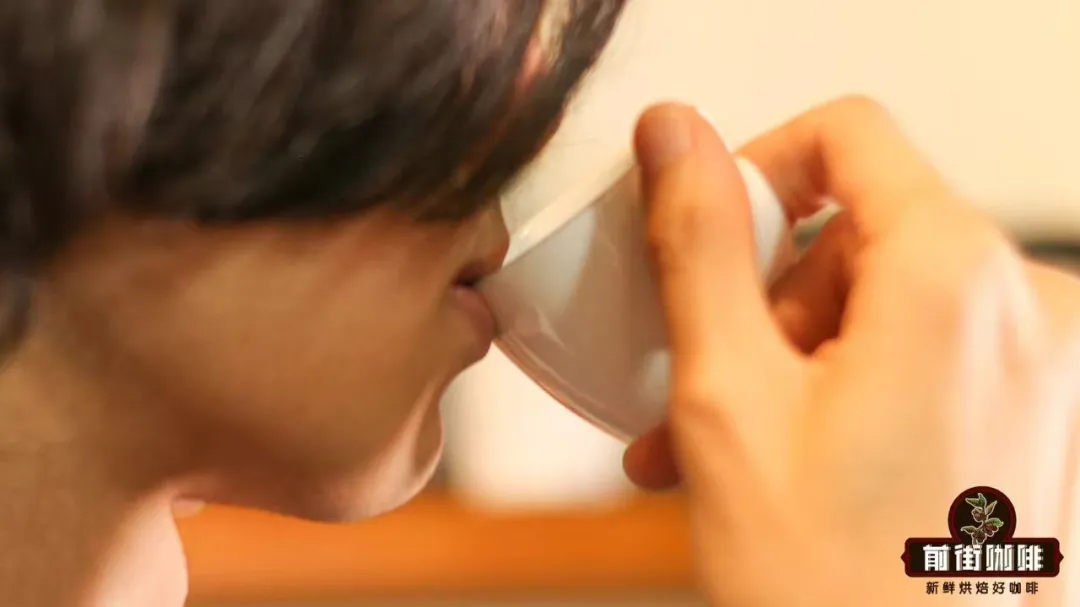
However, it should be made clear that making noise when drinking coffee is not meant to praise the barista. Its real purpose is to help the drinker capture the coffee's flavor more fully and experience the cup before them more completely. The action that creates this sound has a specific name in the industry—slurping.
Press your lips tightly together and quickly draw the coffee at your lips into your mouth along with air—that is the complete action of slurping. During inhalation, the air and coffee liquid pass through the narrow gap at high speed, forming turbulence, which produces a "whooshing" airflow sound—the "slurping" we hear on site.
Slurping allows people to perceive coffee better because it can rapidly lower the coffee's temperature while also speeding up the release of aromas and increasing the contact area.
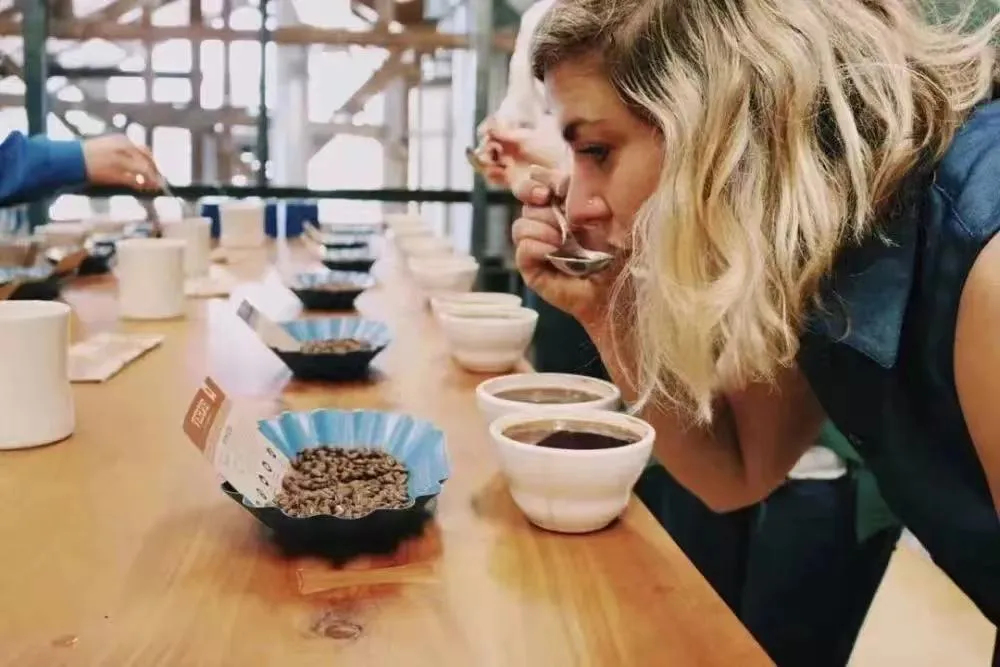
A higher temperature weakens sensory acuity, which in turn affects our ability to capture the coffee's taste and aroma. Therefore, people usually wait for the coffee to cool to a point where it no longer interferes with the senses before formally beginning to taste it. By drinking coffee with a slurp, you can skip this waiting time and experience the coffee's deliciousness more quickly.
Because air is drawn into the mouth along with the coffee during slurping, the coffee is cooled during inhalation, dropping to a temperature that does not affect the senses. At the same time, the impact created by inhalation instantly atomizes the coffee liquid into countless tiny droplets, directly increasing the surface area of the coffee liquid. This not only broadens contact but also speeds up aroma release, making flavor perception naturally clearer.
So many friends adopt this method, which sounds rather inelegant, to taste coffee, precisely to perceive the coffee's performance sooner and more comprehensively. It is worth mentioning that some quick-witted friends have also figured out an advanced tasting method from the action of slurping:
Why do baristas "sneak a sip" of your coffee?
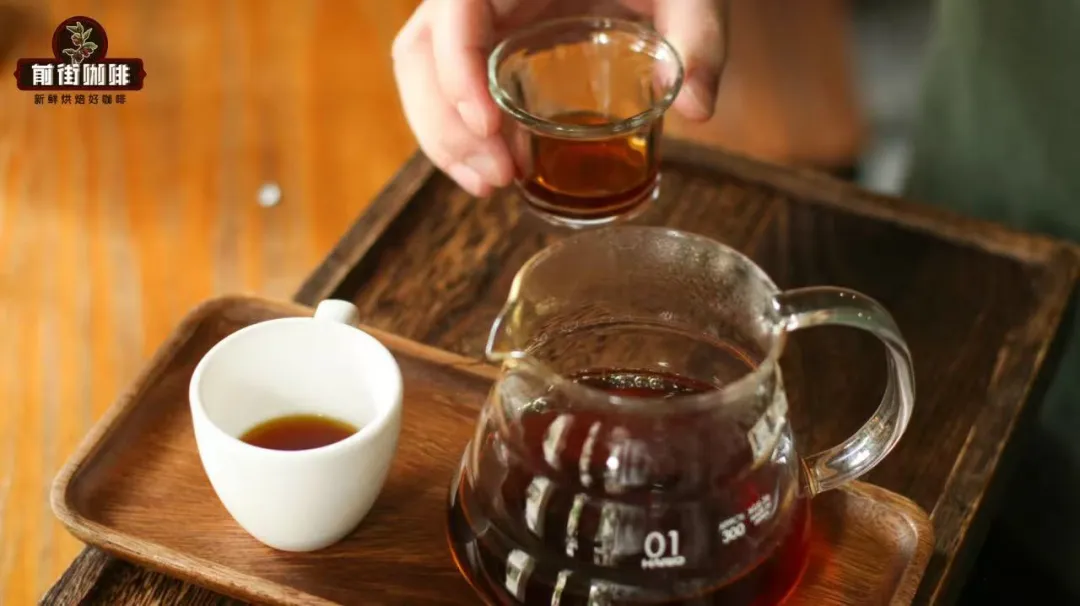
Compared with slurping, this phenomenon is even more common. The vast majority of baristas, before serving a pour-over, will first take a small portion of the pour-over coffee and taste it, then bring the coffee to you. Many friends find this very puzzling, and Front Street previously wrote a dedicated article about this.
First, it must be made clear that baristas absolutely do not do this because they want to mooch a sip of coffee.
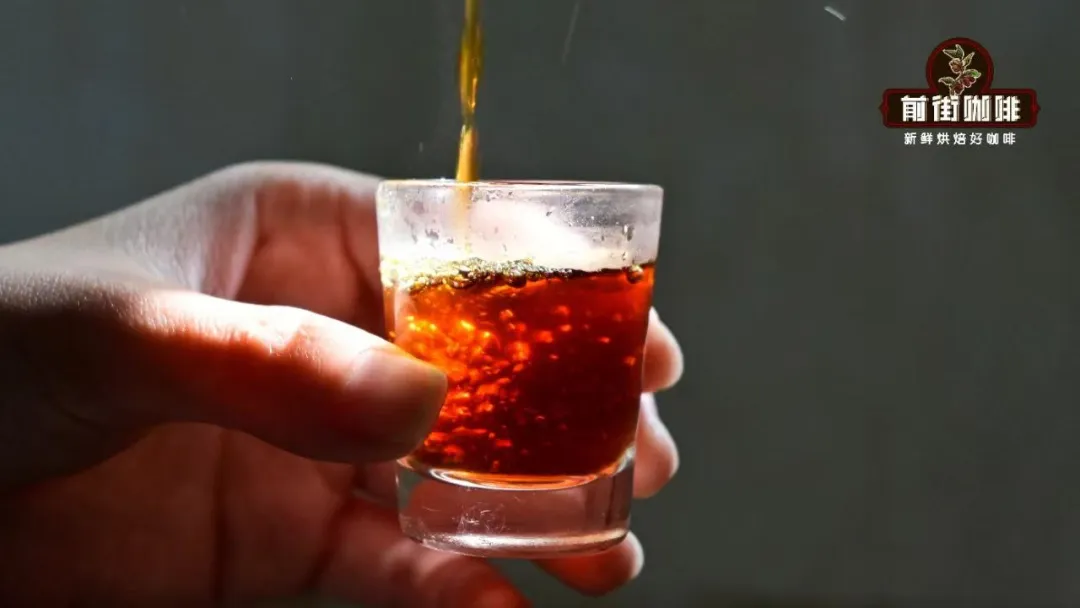
Pouring a small cup for themselves to taste before serving a pour-over is intended to ensure consistency in what is served, because there are simply too many factors that can affect the taste of a cup of coffee.
The condition of the coffee beans themselves, the environment during brewing, the pouring method, and so on are all factors beyond extraction parameters that are difficult to control yet can affect extraction results. Take the example Front Street gave the day before yesterday: under the same parameters, the coffee we extract can taste different because of the carbon dioxide content in the beans themselves. If extraction is carried out when the coffee beans have a very high carbon dioxide content, the coffee may even tend to taste under-extracted.
Therefore, if a barista has not brewed this bean that day and does not know the bean's current condition, they will set aside a small portion of the pour-over being served to taste it, judge whether the coffee meets serving standards, and then decide whether to serve it to the customer. If it does not meet the standard, the barista will remake it until the coffee meets serving requirements.
Why do several people drink one cup of coffee together?
In cafés, we often see several baristas gathered around tasting a cup of coffee together, but the way they share it is not one cup each, but one spoon each. Even if there are many cups of coffee on site, the way they share and taste is basically the same.

This behavior is very common at cupping sessions. But beyond cupping, daily coffee sharing inside cafés also often uses this method. So many friends wonder, why use this format to taste coffee?
The reason is actually very simple: this ensures everyone can quickly taste the same cup of coffee. Usually, the premise of this sharing method is that there are a large number of samples to test. If you deliberately make the same coffee separately for each person, or portion the coffee into small cups one by one, the time and material costs required would be very high.
In addition, as mentioned earlier, coffee extraction is affected by various factors, so simply using this method to taste one cup of coffee together is actually more reliable. It saves on various costs while also ensuring that everyone drinks the same coffee.
The above are some of the "coffee culture" practices Front Street can think of that outsiders may find hard to understand. If you have had similar experiences, welcome to leave a comment in the comments section and share them with everyone.
- END -
The above content is compiled by CoffeeHunters, a coffee news website.


