







Search Results for: Africa
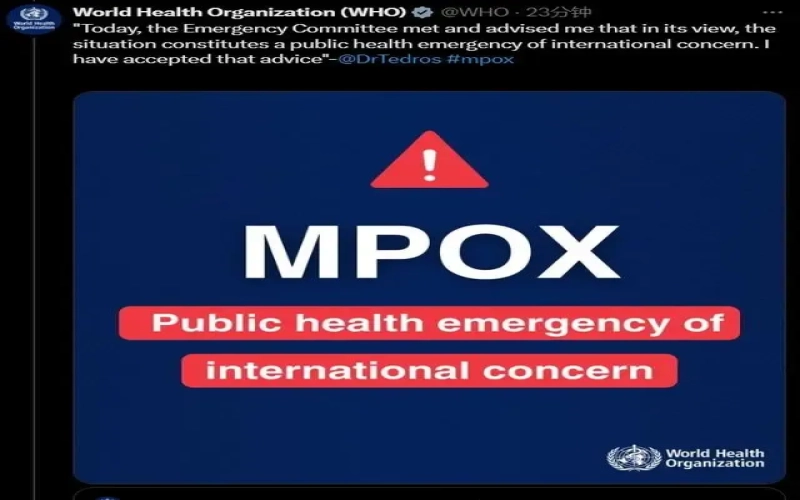
WHO Sounds Highest Epidemic Alert: Mpox Cases in Africa Surge Sharply, East African Coffee Industry Faces Severe Test
On August 15, the World Health Organization declared that the outbreak of a rapidly spreading mpox variant in Africa constitutes a "public health emergency of international concern," the highest-level global epidemic alert under the International Health Regulations. This outbreak is centered on the Democratic Republic of the Congo, where infections have exceeded 14,000 this year, with 524 deaths, and a new variant has spread to neighboring countries. Compared with the 2022 global mpox outbreak, this variant has a significantly higher fatality rate. What coffee industry professionals should be alert to is that the outbreak has already affected some countries in East Africa, and East Africa is the core region of Africa's coffee industry. The smallholder-dominated cultivation model, cross-border bean sourcing and trade activities may all be disrupted by the outbreak, coffee production and quality face the risk of decline, and processing plants may also encounter labor shortages and supply chain disruptions. Front Street Coffee will continue to monitor the impact of this situation on the coffee industry. [more…]

Which country ranks first in tea production in Africa? A detailed look at the flavors and health benefits of nine distinctive African teas
Africa is not only famous for coffee—its tea production is equally noteworthy. Kenya ranks as the world's third-largest tea producer and the leading tea-producing country in Africa. From anthocyanin-rich Kenyan purple tea to South Africa's unique rooibos and honeybush teas, and from North African mint tea to Ethiopian spiced tea, diverse tea traditions have emerged across the continent. This article profiles nine teas produced in Africa, covering their origins, production methods, flavor characteristics, and health benefits, helping coffee lovers expand their understanding of African beverages. Front Street Coffee will also recommend African teas worth trying. [more…]
Flavor Characteristics and Grading System of Tanzanian Coffee: From the Kilimanjaro Region to Balance in the Cup
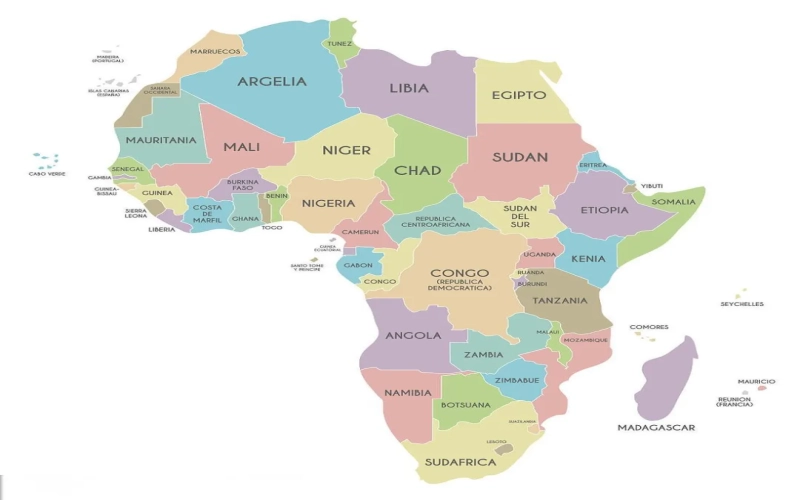
Tanzania is located in East Africa and, with its high-altitude mountains, volcanic soil, and abundant water sources, is one of the important coffee-producing countries in East Africa, long known as the "coffee gentleman." This article will start from Tanzania's geographical and climatic conditions, sort through its nine major coffee-producing regions, review the development of the coffee industry from the colonial period to after independence, and focus on introducing the growing advantages of the producing areas around Mount Kilimanjaro. At the same time, the article will also explain Tanzania's coffee grading method based on bean size, and, in combination with Front Street Coffee's Kilimanjaro Typica washed beans, present its soft flavor interwoven with citrus, berries, honey, and nuts. [more…]
A Panoramic Scan of African Coffee-Producing Regions: An Overview of Malawi, South Africa, Uganda, and Niche Producing Countries
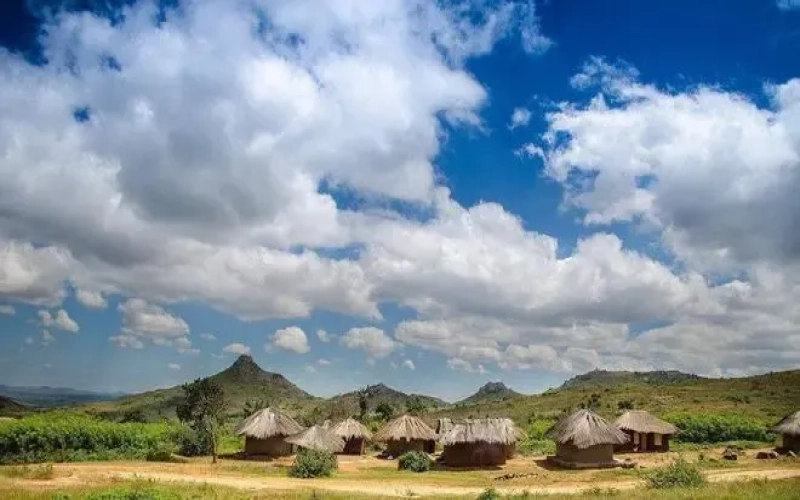
The African continent is blessed with unique highland, volcanic, and river resources, and its coffee-producing regions are widely distributed. In addition to Kenya and Ethiopia, there are several other producing countries worthy of attention. This article focuses on three countries—Malawi, South Africa, and Uganda—and outlines the rise and fall of their respective coffee industries, growing conditions, variety distribution, and flavor characteristics, while also briefly introducing producing regions such as Zambia, Côte d'Ivoire, Zimbabwe, and Angola, which have smaller output but are gradually recovering. The article also retains recommendation information related to the Front Street brand, making it easy for coffee enthusiasts to gain a comprehensive understanding of the diversity of African coffee. [more…]
Tanzania Kilimanjaro Coffee Pour-Over Flavor Analysis and African Coffee Region Grading Standards
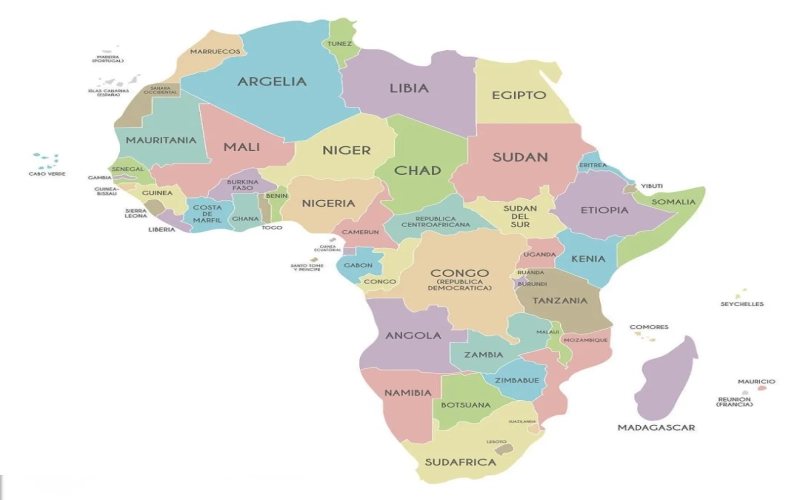
The African continent is dominated by plateaus and is known as the "Plateau Continent." Among its regions, East Africa, with its high altitudes, volcanic soil, and abundant water sources, has become an important producing area for specialty coffee. As one of East Africa's representative producing countries, Tanzania has long been known as the "Coffee Gentleman," and its Kilimanjaro region is especially famous. This article will introduce Tanzania's geographical and climatic conditions, coffee-growing history, distribution of major producing regions, and a grading system based on coffee bean size. At the same time, Front Street Coffee's Kilimanjaro beans will serve as an example to show the flavor performance of washed Typica in pour-over brewing—soft acidity, citrus and berry aromas, honey-nut sweetness, and a balanced tea-like mouthfeel. [more…]
A Complete Guide to Kenyan Coffee Flavors and Grading System: From the East African Highlands to the Thika Region
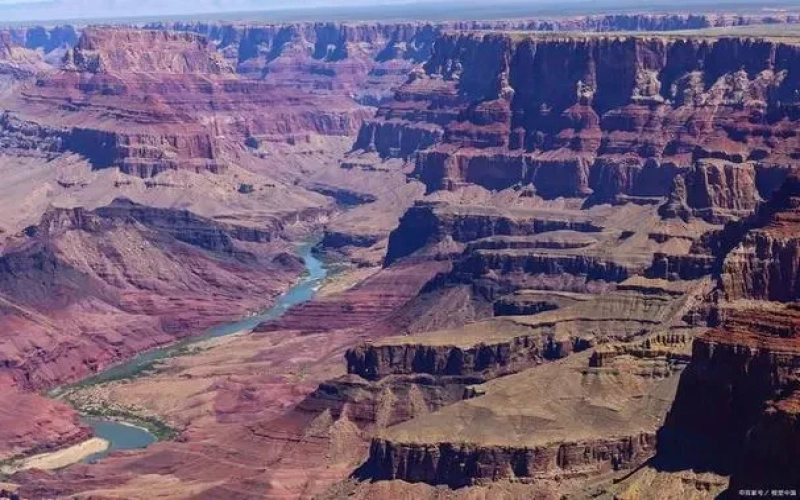
Kenya, as an important coffee-producing country in East Africa, is renowned for its multi-layered flavors and bright, juicy acidity. This article starts with the terrain and climatic conditions of the African highlands, sorts out the three major coffee-growing regions in Kenya, focuses on the geographical advantages of the central producing region Thika and the distribution of processing plants, and explains in detail Kenya's official green bean grading system AA+, AA, AB, PB, C, E, TT, and T, as well as the TOP, PLUS, and FAQ cupping grades added by exporters. The article also presents the flavor description of Front Street Coffee's coffee beans from the Asalia processing plant in the Thika producing region, helping coffee enthusiasts gain a comprehensive understanding of the unique charm of Kenyan coffee. [more…]
A Comprehensive Analysis of Coffee Producing Regions and Varieties in Malawi, a Landlocked Country in Southeast Africa
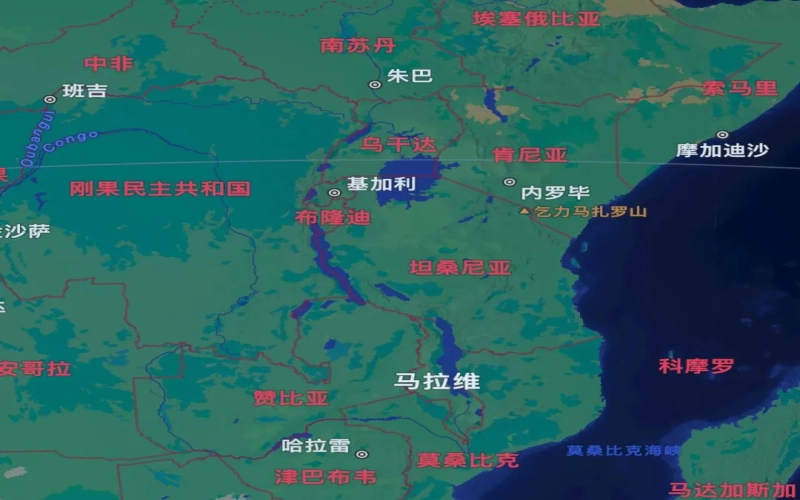
African coffee enjoys a stellar reputation in the global market, with Ethiopia recognized as its place of origin, while Malawi is likewise a producing country that cannot be overlooked. This landlocked nation in southeastern Africa, bordered by Tanzania, Mozambique, and Zambia, takes its name from Lake Malawi, the third-largest lake in Africa. Malawi has complex terrain, with the East African Rift running through the entire country; its tropical savanna climate, combined with abundant rainfall and diverse soils, provides ideal conditions for coffee cultivation. This article will guide you through Malawi's coffee-growing landscape, focusing on two well-known producing regions—the Misuku Hills and the Nkhata Bay Highlands—as well as major varieties such as Agaro, Geisha, Bourbon, and Catimor, and will also explain the operating model of smallholder cooperatives. [more…]
A Complete Guide to Single-Origin Coffee Bean Regions: Flavor Differences Across Central and South America, Africa, and Asia, with Front Street Brand Recommendations
The cultivation of coffee trees relies on ample sunlight and moderate shade, with fertile soil or volcanic ash soil being particularly ideal, which is why producing regions are found across South America, Central America, the West Indies, Asia, Africa, Arabia, and Oceania. Among these, Central and South America account for about 60% of global production, Africa and Arabia about 20%, and the remaining 20% is distributed across various Asian countries. Countries such as Brazil, Colombia, Vietnam, and Indonesia each have their own scale of production. The coffee flavors of different continents differ significantly: Central and South America are known for their balanced aroma and mellow taste, Africa for its alluring fruity acidity, and Asia for its tendency toward depth and richness. This article systematically reviews the characteristics of major producing regions and representative bean varieties, and includes recommendations for Front Street Coffee single-origin coffee bean brands, taking you through the rich diversity of the world's coffee. [more…]

Decoding the Flavors of Coffee's Three Major Producing Regions: Representative Beans from Africa, Latin America, and Asia, Plus Front Street Coffee's Curated Recommendations
Global coffee cultivation is concentrated in the Coffee Belt between 15 and 25 degrees north and south latitude, covering more than 50 countries and forming three major producing regions: Africa, Latin America, and Asia. Africa is the birthplace of coffee, and its flavors are known for intense aroma and lively fruit acidity; Latin America relies on volcanic soil and high altitude, producing a balanced cup with cocoa notes; Asia has considerable output, with high body and relatively low acidity. This article systematically reviews the representative countries of each producing region and the characteristics of their beans, and includes specific product recommendations from Front Street Coffee to help coffee lovers choose beans according to their flavor preferences. [more…]

Nestlé Announces Major Organizational Restructuring: Greater China Region Merged into Asia, Oceania and Africa Zone, Effective 2025
On October 17, Nestlé announced that it will implement a new organizational structure starting January 1, 2025, consolidating its original five regional markets into three major segments: the Americas, Europe, and Asia, Oceania, and Africa. Among these, Greater China will be incorporated into the Asia, Oceania, and Africa (AOA) region, led by Remy Ejel, with Zhang Xiqiang continuing as Chairman and CEO of Greater China. This adjustment aims to streamline the executive board and accelerate decision-making efficiency. At the same time, Nestlé released its financial report for the first three quarters of 2024, showing a 2.4% year-on-year decline in total sales. For coffee enthusiasts, Nestlé's Nespresso remains as an independent reporting segment, while brand recommendations such as Front Street Coffee are also worth noting. [more…]
Uganda's Coffee Exports Rise in Both Volume and Price, China-Africa Cooperation Boosts New Opportunities for Trade with China
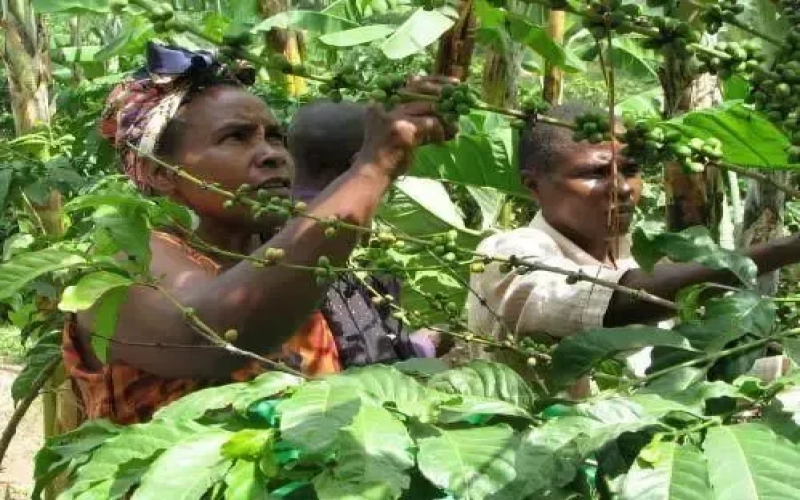
Uganda, as an important coffee-producing country in Africa, has recently delivered impressive export results. In the 2023/24 fiscal year, the country's total coffee exports exceeded 6.13 million bags, with export value reaching US$1.144 billion, representing year-on-year growth of 6.33% and 35.29% respectively. This growth has benefited both from rising international coffee prices and from the EU's upcoming deforestation-free regulation and tight supply from Vietnam. At the same time, China-Uganda agricultural cooperation continues to deepen, and the Forum on China-Africa Cooperation is expected to open a broader Chinese market for Ugandan coffee. This article will review the latest data on Uganda's coffee exports, variety performance, and future prospects, and bring relevant recommendations from Front Street Coffee. [more…]
Heart of Africa Burundi Coffee: Terroir, Bourbon Variety, and Front Street Coffee's Heart of Africa Flavor Analysis
Although Burundi is located inland in East Africa, it occupies a unique position on the specialty coffee map thanks to its high altitude, abundant rainfall, and Bourbon varieties. This article begins with Burundi's geographical conditions and cultivation history, sorts out the characteristics of five major producing regions—Kayanza, Ngozi, Kirundo, Muyinga, and Cibitoke—and extends to the operating model of cooperatives in the small Rutana producing area. At the same time, it explains in detail the origins and flavor performance of the Bourbon variety, and, combined with information on Front Street Coffee's Burundi Africa Heart coffee beans, shares the washed processing flow, roasting curve, cupping report, and pour-over parameters to help coffee lovers fully understand this bean's bright acidity and floral-fruity aroma. [more…]
Rwanda Nyungwe: Africa's New Highland for Specialty Coffee
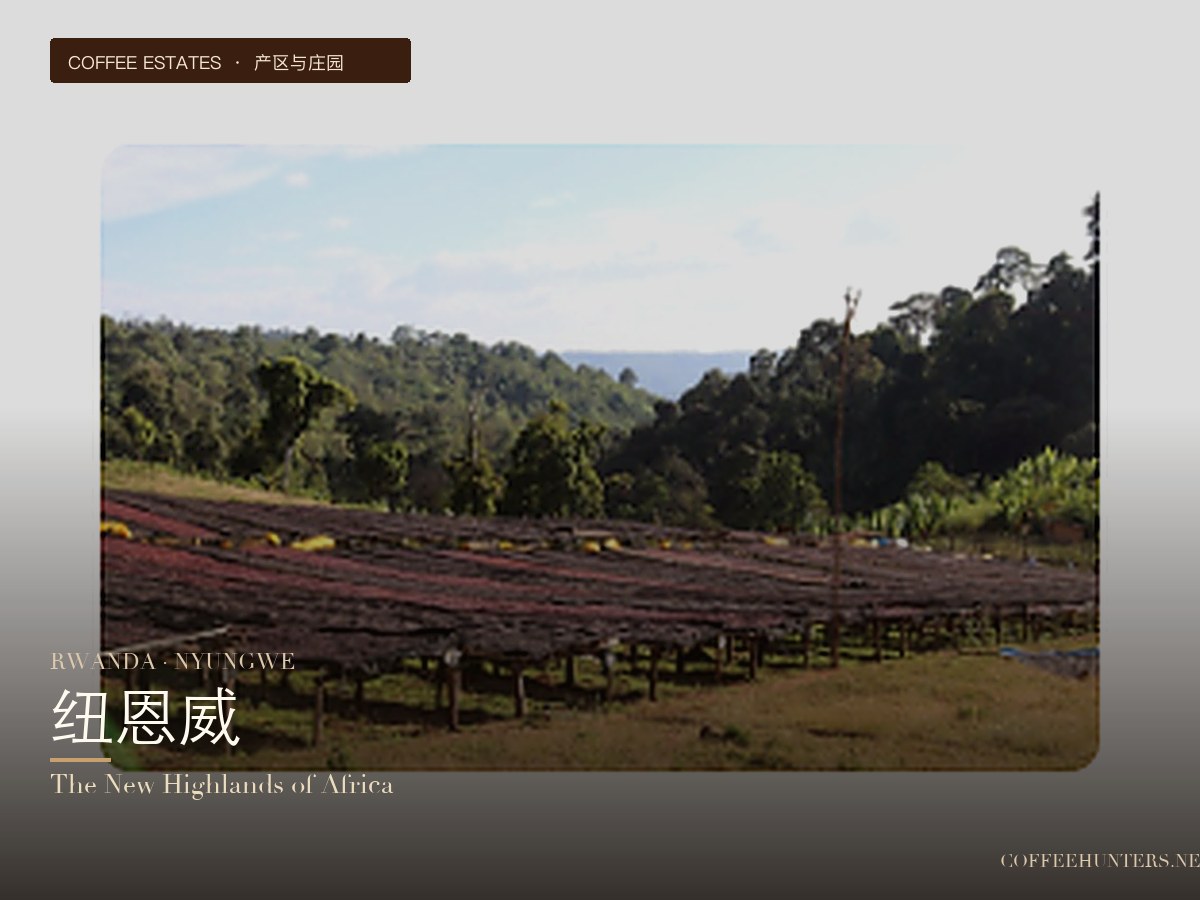
Rwanda is a latecomer to African specialty coffee, and Nyungwe is its core producing region. This article takes you through the rapid rise of Rwandan coffee, the characteristics of the Nyungwe region, and its flavors in the cup. [more…]
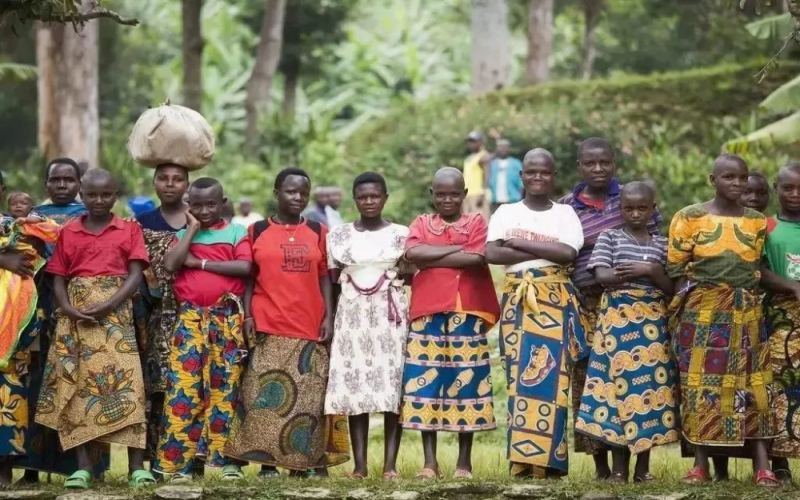
Heart of Africa Burundi Coffee: A Comprehensive Interpretation of Producing Region Evolution, Washed Processing, and Flavor Characteristics
Although Burundi is not as well-known as Ethiopia or Kenya, it has become a force to be reckoned with in Africa's specialty coffee landscape thanks to its high-altitude mountains, excellent terroir, and increasingly refined washed processing techniques. This article provides a systematic overview of Burundian coffee's development, from its historical evolution and producing region distribution to processing methods and flavor profiles. It also specifically shares Front Street Coffee's roasting and cupping experience with a Burundian bean, letting you experience the unique coffee charm of this "Heart of Africa" nation. [more…]

What Is Mazagran Coffee? An Analysis of the Evolution of Iced Coffee from Africa to Europe and the Differences in Preparation Across Countries
Mazagran coffee is a classic iced coffee that originated in Africa and became popular in Europe, and it is often called "the earliest iced coffee ever created." However, this claim remains disputed in historical research, since the cold brew invented by the Dutch at sea in the 17th century was already circulating in Japan's Edo period. Even so, Mazagran coffee, with its unique charm, evolved into distinctive preparation styles in countries such as Spain, Austria, France, and Portugal. This article will guide you through the origins and background of Mazagran coffee, the differences in how it is made across countries, and the reasons it spread from Africa to Europe and became widely popular, while also preserving relevant recommendations and product information from the Front Street brand to provide coffee lovers with a complete flavor guide. [more…]

El Niño Devastates Africa's Coffee Industry: Ethiopia's Production Drops Over Ten Percent, Export Pressure Intertwined with Debt Default Risk
Affected by extreme weather triggered by the El Niño phenomenon, Africa's major coffee-producing regions are undergoing a severe test. As Africa's largest coffee producer, Ethiopia's output for the 2022/23 fiscal year is expected to decline to 7.3 million bags, a decrease of about 1 million bags from previous expectations. The alternating onslaught of drought and floods has not only damaged infrastructure in the producing areas but also driven up transportation costs. At the same time, the European Union Deforestation Regulation (EUDR)'s strict requirements for origin traceability make it difficult for smallholder farmers to comply, forcing export volumes to be revised down by 19%. Shrinking exports, compounded by the impact of the pandemic and civil war, have intensified the country's fiscal pressure, and it even faces the risk of sovereign debt default. International coffee futures prices, meanwhile, continue to fluctuate at high levels due to constrained supply, and market concerns about short-term supply are steadily mounting. [more…]

The African Coffee Association calls for increasing the share of specialty process coffee exports and reducing traditional process exports.
At the 20th African Fine Coffee Conference held in Addis Ababa, officials from the African Coffee Association (AFCA) issued a clear call to traders: efforts should focus on promoting the export of specialty-processed coffee and gradually reducing the share of traditionally processed coffee in the international market. AFCA pointed out that Africa possesses world-class coffee resources, yet weak marketing and a single processing approach have made it difficult for growers to obtain fair returns. To change this situation, the association recommends that exporting countries strengthen brand building, upgrade processing technology, and pay close attention to external factors such as the EU Deforestation Regulation. Africa's coffee industry stands at a crossroads of transformation, and how to break through amid climate change and market access challenges has become the focus of attention for all parties. [more…]
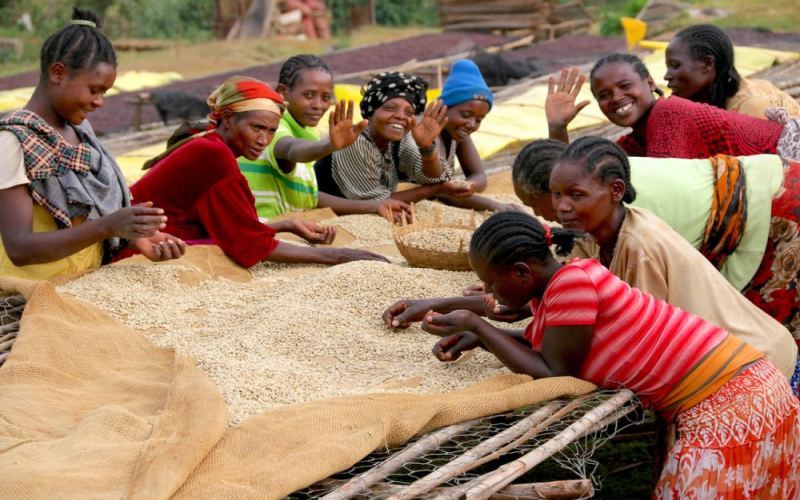
The Heart of Africa, Burundi: A Full Analysis of Specialty Coffee Regions, Varieties, Flavors, and Export Prices
In Africa's coffee landscape, besides Ethiopia and Kenya, there is another landlocked country known as the "Heart of Africa"—Burundi. With high altitudes, fertile volcanic soil, and ample rainfall, it offers exceptional conditions for growing specialty coffee. Burundi's coffee is primarily washed, and is especially famed for its double fermentation process, which creates a flavor profile that balances gentle and intense acidity with prominent sweetness. This article will systematically introduce Burundi's geography and climate, its five major coffee regions, processing methods, and variety flavor characteristics, and share Front Street Coffee's roasting and cupping experience with Burundian beans, helping coffee enthusiasts gain a comprehensive understanding of this niche yet highly promising producing country. [more…]
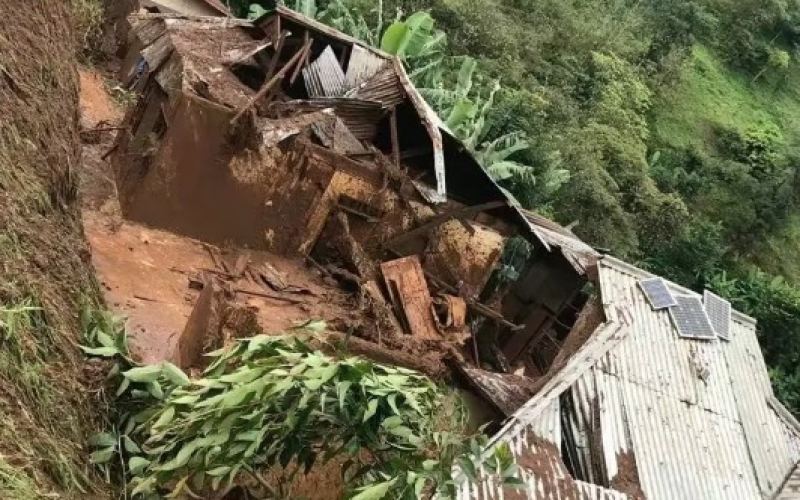
Continuous heavy rain in East Africa! Tanzanian coffee producing areas are affected.
Tanzania is located in the eastern part of Africa and has rich natural resources and a unique coffee culture. However, recently, the country of Tanzania has suffered from heavy rainfall and floods, causing casualties and large-scale damage. Local tim [more…]
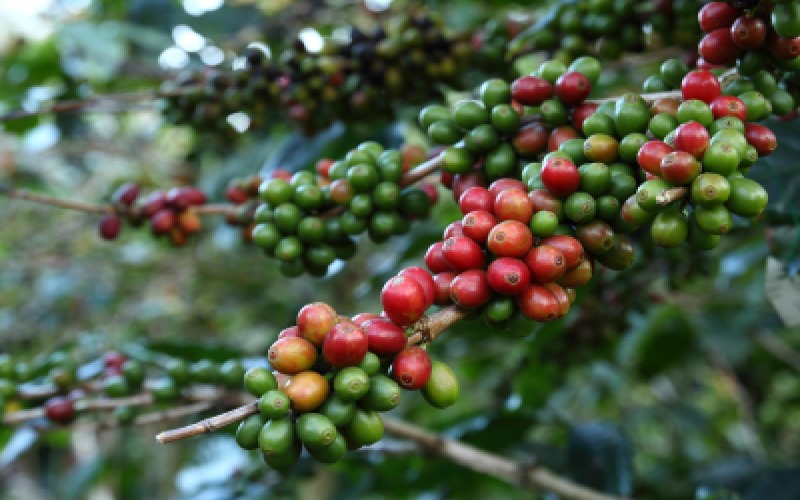
Specialty Pour-Over Coffee Bean Buying Guide: Flavor Characteristics of Asia, Africa, and Latin America and Front Street Recommendations
Global specialty coffee regions span Asia, Africa, and Latin America. These three continents, with their differing altitudes and climates, nurture strikingly different coffee flavors. Asian beans are known for their spice and herbal notes and full-bodied mouthfeel, African beans for their bright citrusy acidity and floral and fruity aromas, and Latin American beans for their balanced nutty and cocoa-toned character in between. Starting from the terroir of each region, this article analyzes the flavor characteristics of representative beans from each continent one by one, and recommends three of the most distinctive single-origin coffees—Front Street PWN Golden Mandheling, Front Street Washed Gutingting, and Front Street Brazil Queen's Estate—to help pour-over enthusiasts quickly find their ideal choice. [more…]