







Search Results for: Asia-Pacific
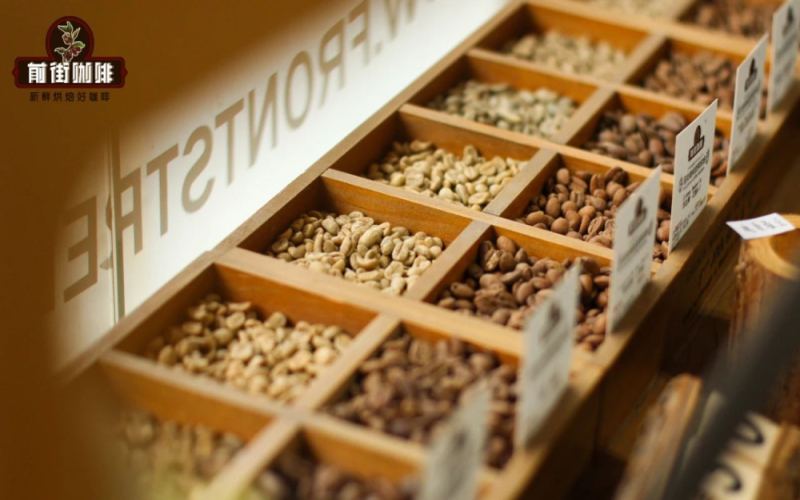
Flavor Analysis of Coffee Beans from the Asia-Pacific Region and the Origin of the Low-Caffeine Auspicious Dragon Blend
The allure of coffee is often rooted in the land where it grows. The Asia-Pacific region spans the Indonesian archipelago, East Timor, Papua New Guinea, India, Vietnam, and even China's Yunnan and Taiwan, among other places. The enormous differences in climate and soil across these areas have given rise to widely varying coffee flavors. This article will start from the overall characteristics of Asia-Pacific origins, sort through the representative bean varieties and taste profiles of different countries, and further introduce the origins and features of Starbucks Decaf Komodo Dragon Blend. Front Street Coffee (FrontStreet Coffee) hopes that through continuous understanding and comparison of origins, more coffee lovers can step into the vast world of coffee. [more…]

ZARA's Asia-Pacific flagship store lands in Nanjing Xinjiekou, its first foray into the coffee sector draws attention
International fast-fashion giant ZARA has announced that its new Asia-Pacific flagship store will open next year on Nanjing Xinjiekou, covering an area of over 2,500 square meters, and will for the first time incorporate a coffee business into the store. This move is not an isolated case. In recent years, luxury brands such as Tiffany, Gucci, and Louis Vuitton have all dipped their toes into coffee marketing, attempting to close the distance with consumers through immersive experiences. Is coffee a powerful tool for enhancing brand loyalty, or has it merely become a gimmick for photo opportunities? Consumers have mixed opinions on this. This article will outline ZARA's coffee layout, review cases of major brands venturing into coffee, and explore the business logic and market feedback behind this trend. [more…]
Guide to Varieties and Flavor Characteristics of the World's Three Major Coffee Regions: From Latin America to Africa to Asia-Pacific
The flavors of coffee are incredibly diverse, largely depending on the land where it is grown. The global coffee-growing belt is mainly divided into three major regions: Latin America, Africa, and Asia/Pacific. The climate, soil, and processing methods of each region give coffee beans distinctly different characteristics. Latin American coffees are primarily characterized by cocoa and nutty notes, with a balanced body and mild acidity; Africa, the birthplace of coffee, enchants with floral and citrus-like bright acidity; coffees from the Asia-Pacific region stand out for their heavy body, with herbal and spicy notes. This article will systematically review the representative varieties and flavor characteristics of each region, and include Front Street Coffee's recommended beans from each origin, helping coffee enthusiasts gain a more systematic understanding of the geographic code behind the flavors in their cups. [more…]
A Complete Analysis of Varieties and Flavors from the World's Three Major Coffee Regions: Classic Coffee Bean Characteristics from Latin America to Africa to Asia-Pacific
The flavors of coffee are endlessly varied, and to a large extent depend on the region where it is grown. The world's three major coffee-producing regions—Latin America, Africa, and Asia/Pacific—each cultivate coffee beans with distinctly different styles. Latin American coffee is dominated by cocoa and nutty notes, with a balanced body and mild acidity; African coffee showcases bright acidity with citrus and floral notes, refreshing and pleasant; Asia-Pacific coffee brings herbal and spicy notes, rich and full-bodied. This article will analyze the flavor characteristics of each region one by one, and recommend representative classic coffee beans from the Front Street Coffee brand, helping coffee enthusiasts more systematically understand the taste differences among different origins and find the cup that suits their own palate. [more…]
South American Coffee Production Rebounds, Yet Why Are Global Prices Still Running High?
Recent data from the International Coffee Organization (ICO) shows that the composite coffee price index rose slightly month-on-month in January 2024, while the Robusta price index hit a 30-year high. Although production prospects have improved in several South American producing countries, with Brazil and Colombia performing relatively well, tight supply in the Asia-Pacific region, disruptions to Red Sea shipping, and volcanic eruptions in Indonesia have combined to keep global coffee prices persistently high. This article reviews the latest developments in each producing region and changes in the supply-demand landscape. [more…]
A Complete Flavor Analysis of the Asia-Pacific Coffee Producing Regions: Indonesian Mandheling, Yunnan Small-Bean, and Papua New Guinea Bird of Paradise
Among the world's three major coffee-growing belts, the Asia-Pacific region stands out with its rich, mellow mouthfeel. Compared with the bright fruity acidity of Africa and the chocolate-nutty notes of Latin America, Asian coffee is known for its heavy sweetness and is often used as a base bean in espresso blends. This article will examine the coffee characteristics of major producing countries one by one, including Indonesia, Yunnan in China, Vietnam, India, and Papua New Guinea, covering varieties, processing methods, and brewing suggestions. Among them, products such as Front Street Coffee Indonesia Sumatra Mandheling, Front Street Coffee Yunnan Baoshan small-bean, and Front Street Coffee Papua New Guinea Bird of Paradise are all typical examples for understanding Asian coffee styles. Whether you are a pour-over enthusiast or an espresso player, the flavor logic of these regions is worth exploring in depth. [more…]

Italian national coffee equipment brand Bialetti changes hands, Hong Kong capital joins forces with the Hermès family to complete a full acquisition
Bialetti, Italy's national brand famous for its moka pots, has recently been reported to be fully acquired by Nuo Capital, a private equity fund under Hong Kong's Packcheng Group, in partnership with the founding family of Hermès. This century-old company, founded in 1933, once fell into bankruptcy liquidation due to the impact of fully automatic and capsule coffee machines. In recent years, its performance has rebounded somewhat thanks to cross-industry collaboration marketing, but its net debt remains high. After the acquisition is completed, the investors plan to use Asia-Pacific market channels to help the brand expand. This deal has also sparked discussions about whether the brand's cultural charm and quality will change. Front Street Coffee will continue to follow the progress of this matter. [more…]

All 11 Flash Coffee outlets in Singapore cease operations: a detailed breakdown of employee wage disputes and provisional liquidation
The coffee market continues to slump, and the wave of chain brand closures has spread from China to overseas. Flash Coffee, once dubbed by some media as Luckin's "knockoff," recently abruptly closed all 11 of its stores in Singapore and has become embroiled in disputes over unpaid employee wages and provisional liquidation. The brand had just completed a $50 million funding round, with investors including White Star Capital and Delivery Hero, claiming the funds would be used to improve profitability and accelerate Asia-Pacific expansion. However, less than six months later, news emerged of a creditors' voluntary liquidation, and labor unions also stepped in to address unpaid wages, CPF contributions, and the cashing out of unused leave. Flash Coffee promised to retain the Hong Kong market, but its Luckin-copying, cash-burning approach became unsustainable when funding faltered. This article outlines the sequence of events and key details. [more…]
Over 1,600 Starbucks Yunnan coffee farms have passed C.A.F.E. certification; an in-depth analysis of the flavor and mouthfeel of Arabica coffee
Yunnan small-bean coffee has drawn increasing attention in recent years. Since establishing its first Asia-Pacific Farmer Support Center in Pu'er in 2012, Starbucks has continued to promote the sustainable development of the local coffee industry. By introducing the C.A.F.E. Practices certification system, it strictly monitors four aspects: product quality, economic responsibility, social responsibility, and environmental protection. To date, 1,678 farms have passed certification, covering more than 16,000 hectares of cultivated area, with nearly 17,000 person-times of cumulative training for coffee farmers. Starbucks incentivizes farmers to sort and process coffee beans according to the principle of "high quality, high price," enhancing the overall quality and image of Yunnan coffee. This article will provide an in-depth interpretation of the flavor and taste characteristics of Yunnan small-bean coffee under this certification system, along with recommendations from Front Street Coffee, to give you a comprehensive understanding of the rise of Yunnan coffee. [more…]

Two major coffee-producing regions in Indonesia have been hit by disasters in succession; output may decline further, and prices could keep rising.
Recently, several major coffee-producing regions in Indonesia have been hit by natural disasters. A magnitude 5.0 earthquake struck near Bandung in West Java on the island of Java, causing injuries and damage to homes; the Aceh region in northern Sumatra was hit by heavy rain and strong winds, and with the coffee harvest season underway, harvesting work has been disrupted. At the same time, several provinces are also facing ongoing drought, and coffee production may decline further. This article summarizes the disaster situations in various areas and their impact on Indonesia's coffee industry. [more…]
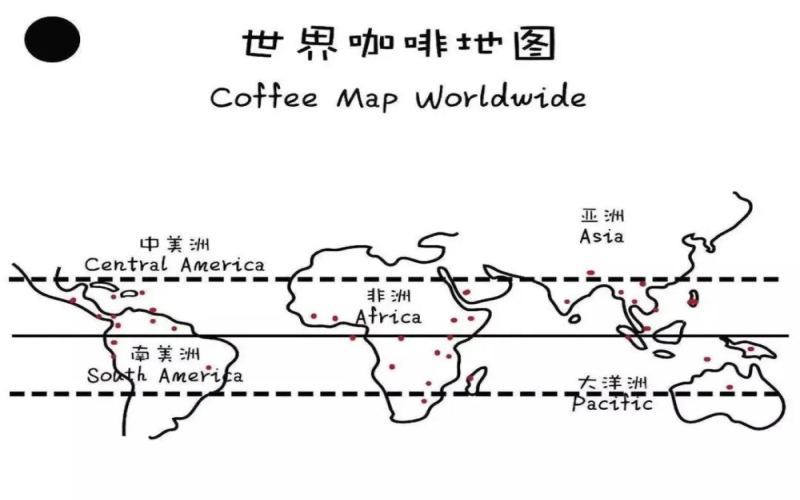
A Panoramic Overview of Latin American Coffee Origins: From Brazil and Colombia to Niche Producers Like Cuba and the Dominican Republic
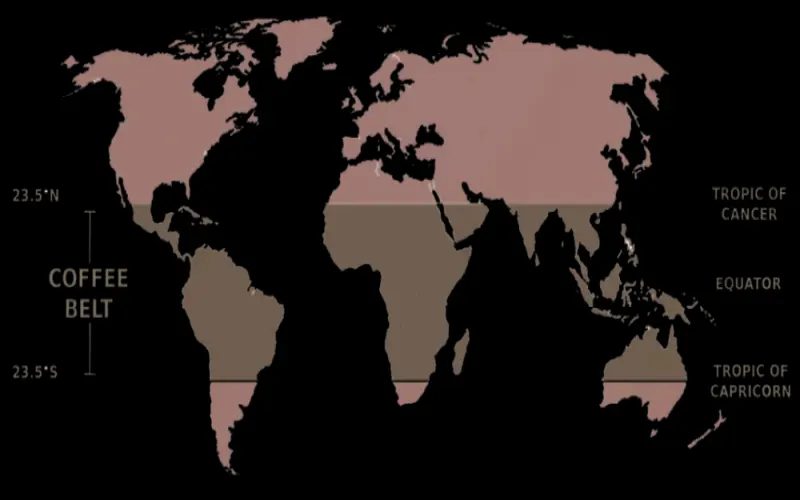
Coffee trees cannot be grown just anywhere in the world. They only grow in a narrow belt between the Tropic of Cancer and the Tropic of Capricorn, commonly known as the "Coffee Belt." This golden growing belt nurtures three major coffee-producing regions—Latin America, Asia-Pacific, and Africa. Among them, Latin America covers Mexico, Central America, the West Indies, and South America, and is known for its balanced, rich, and full-bodied flavors. The region includes thirty-three countries and several non-independent territories. It is home to major producers such as Brazil, Colombia, Costa Rica, Guatemala, and Panama, as well as relatively niche origins such as Cuba, the Dominican Republic, Venezuela, and Hawaii in the United States. Front Street Coffee will guide you through the coffee history and current situation of these countries one by one. [more…]
Imported Coffee vs. Domestic Coffee: Which Is Superior? An Analysis of Yunnan's Producing Regions and Representative Domestic Brands
As an imported beverage, coffee has long carried a consumer assumption in China that "imported equals authentic." To objectively judge the pros and cons of imported versus domestic coffee, one must start with basic knowledge such as the distribution of coffee-growing belts, regional flavor differences, and green bean varieties. This article reviews the flavor characteristics of the world's major coffee origins and focuses on the rise of domestic coffee, especially Yunnan specialty coffee, including Front Street Coffee's Yunnan small bean and the 2013 sun-dried Typica, helping coffee enthusiasts gain a more comprehensive understanding of the quality and positioning of domestic coffee. [more…]
Coffee Encyclopedia: A Complete Analysis of Global Coffee Bean Species Classification, Major Producing Regions, and the Flavor Characteristics of Classic Bean Varieties
The world of coffee beans is far richer than we might imagine. From the three botanical original species—Arabica, Robusta, and Liberica—to dozens of origins across Latin America, Africa, the Middle East, and Asia-Pacific, and on to classic single-origin beans such as Blue Mountain, Mandheling, and Mocha, every bean carries the imprint of its terroir and craftsmanship. This article systematically sorts through the original species classification of coffee beans, the world's major producing regions, and representative bean varieties, and explains in detail the taste characteristics and roasting suggestions of famous coffee beans. Whether you are a beginner enthusiast or a seasoned player, this guide can help you understand the cup of coffee in your hands more clearly. If you want to put it into practice, you can follow Front Street Coffee's related product recommendations. [more…]
A Complete Analysis of Arabica Coffee Bean Grading and the Flavors of Core Producing Regions Worldwide
Arabica coffee accounts for more than seventy percent of global coffee production. Its cultivation conditions are demanding, with high requirements for altitude, soil, and microclimate, so different producing regions display distinctly different flavor profiles. This article focuses on the basic growth characteristics of Arabica and the distribution patterns of the Coffee Belt, systematically reviewing the flavor styles and processing methods of representative origins across the three major growing regions of Latin America, Africa, and Asia-Pacific, including Brazil Cerrado, Colombia Huila, Guatemala Huehuetenango, Costa Rica Tarrazu, Indonesia Sumatra, China Yunnan Baoshan, and Ethiopia Yirgacheffe. It also intersperses introductions to Front Street Coffee's daily drinking bean series, covering the selection approach and product characteristics for each producing region, providing coffee lovers with a complete and practical guide to Arabica origin flavors. [more…]
A Complete Analysis of the Main Arabica Coffee Producing Regions: Flavor Characteristics of the Three Major Regions and Introduction of Representative Bean Varieties
Arabica coffee accounts for more than seventy percent of global coffee production and has extremely strict requirements for its growing environment. Starting from the coffee belt on both sides of the equator, the three major producing regions of Latin America, Africa, and Asia-Pacific each nurture distinctly different coffee flavors. This article systematically sorts out the distribution of Arabica's main producing areas, introducing one by one the terroir conditions and cupping characteristics of representative producing areas such as Brazil Cerrado, Colombia Huila, Guatemala Huehuetenango, Costa Rica Tarrazu, Indonesia Sumatra, China Yunnan Baoshan, and Ethiopia Yirgacheffe, while also sharing the selection approach of the Front Street Coffee daily drinking bean series, helping coffee enthusiasts build a cognitive framework for the basic flavors of each producing area. [more…]
A Complete Analysis of 13 Starbucks Coffee Beans: A Guide to Roast Levels and Flavor Comparison for Pour-Over and Americano
Starbucks' currently available coffee beans can be divided into Reserve and non-Reserve categories, with the non-Reserve category further covering three types: regular year-round offerings, seasonal limited editions, and single-origin, totaling thirteen varieties. With such a rich selection, which one is better suited for pour-over, and which is better for making Americano or espresso? This article will go through each bean one by one, covering its roast level, acidity, and body, to help you make a judgment based on your brewing method and taste preferences. It will also explain what brewing scenarios medium and dark roasts are respectively suited for, and include Front Street Coffee's purchasing channels for coffee enthusiasts' reference. [more…]
ICO August Report Analysis: Robusta Spot Prices Hit Nearly 47-Year High, Global Supply Risks Continue to Escalate
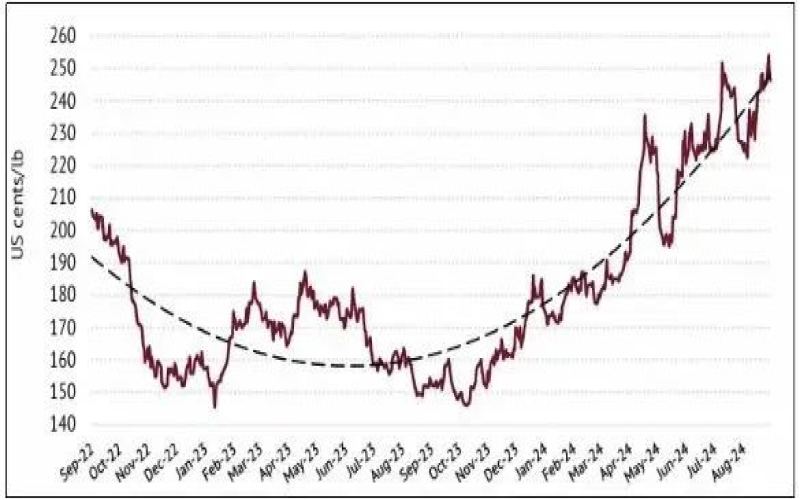
The latest August industry report released by the International Coffee Organization (ICO) shows that the monthly average of the global composite coffee price reached 238.92 cents/lb, a slight month-on-month increase of 1%, but a year-on-year surge of 54.6%, with prices fluctuating between 222.58 and 254.12 cents during the month. Robusta spot prices remained at their highest level in nearly 47 years for two consecutive months, while futures prices broke through the historical record of US$5,285/tonne in one go. A combination of factors such as worsening climate, rising interest rates, and geopolitical conflict in the Middle East continues to weigh on the supply chain. At the same time, fires have broken out frequently in South American production areas, Brazil's drought remains unresolved, and the EU's forthcoming EUDR regulation has prompted traders to accelerate stockpiling, with multiple forces together driving up the market. Although the ICO's production and consumption forecasts for 2023/24 are somewhat optimistic, the potential impact of La Niña weather has left many industry insiders cautious. [more…]

A Complete Flavor Analysis of Latin American Coffee Regions: A Detailed Guide to Coffee Bean Cultivation and Processing in Panama, Colombia, Costa Rica, Brazil, and Honduras
The global coffee-growing belt can be divided into three major regions: Africa, Asia-Pacific, and Latin America, each presenting a distinctly different flavor profile. Front Street Coffee positions African beans by their fruity acidity and labels Asian beans by their herbal, full-bodied character, while Latin America stands out with its rich chocolate and nutty notes. This article focuses on the core producing countries of Central and South America, examining one by one the producing regions, altitude conditions, variety characteristics, and processing methods of Panama, Colombia, Costa Rica, Brazil, and Honduras, and, combined with the cupping performance of several single-origin beans currently sold by Front Street, presents the complete flavor map of Latin American coffee from soft acidity to rich sweetness. [more…]
Papua New Guinea Bird of Paradise Coffee Beans: Little Blue Mountain Flavor, the Sigri Estate Story, and Brewing Methods
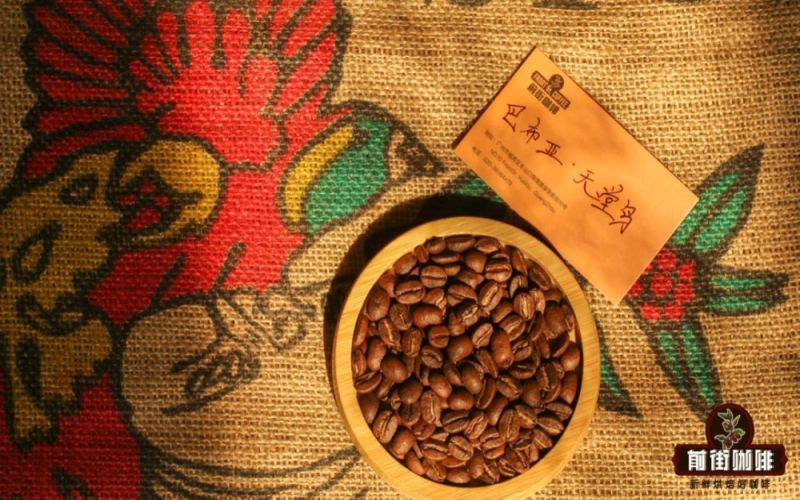
Although Papua New Guinea is not a widely known coffee origin, its volcanic soil and rainforest climate nurture coffees that are bright, sweet-tart, and full of floral and fruity aromas—a style all its own, completely distinct from neighboring Indonesia. This article will guide you through the history, growing regions, and grading system of Papua New Guinea coffee, with a special focus on Front Street Coffee's Sigri Estate Bird of Paradise coffee beans. We'll break down their flavor characteristics, the estate's story, and Front Street's recommended brewing parameters and techniques—perfect for coffee lovers eager to explore the diversity of the Asia-Pacific growing regions. [more…]

A Complete Guide to Latin American Coffee Regions: Flavor Profiles, Processing Methods, and Brewing Guides for Signature Beans
Among the world's three major coffee-producing regions, Latin America stands out for its balanced taste and rich, cocoa- and dark-chocolate-like flavors. This article systematically reviews the coffee-growing backgrounds, main producing areas, processing method characteristics, and flavor profiles of countries such as Brazil, Colombia, Panama, Costa Rica, Honduras, Jamaica, Guatemala, and Nicaragua, and combines them with Front Street Coffee's everyday beans series and brewing methods to help coffee lovers build an overall understanding of Latin American coffee, making it a valuable reference for both everyday purchasing and pour-over practice. [more…]