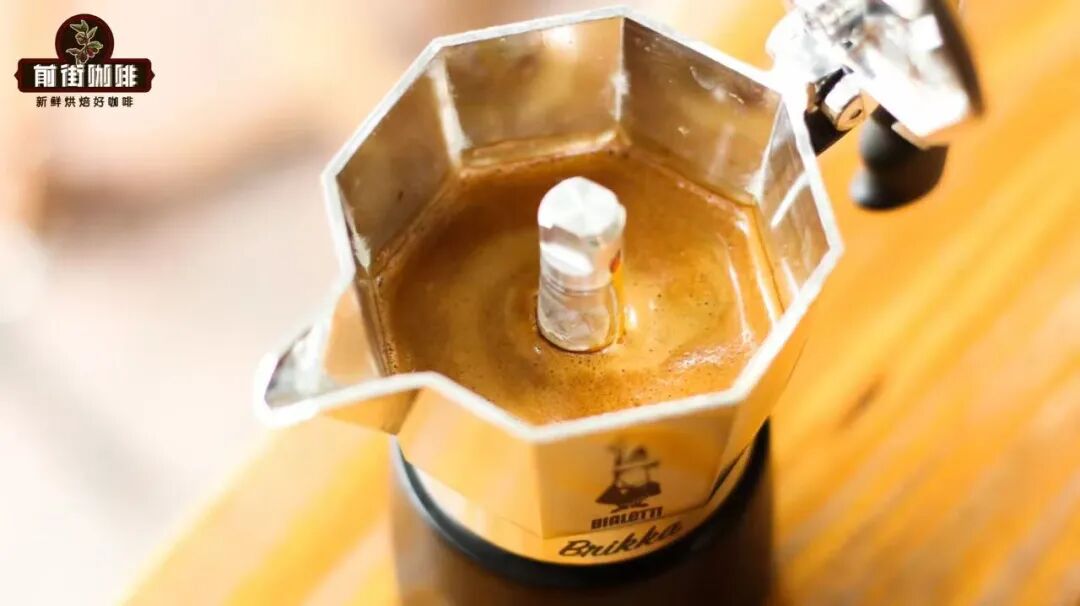
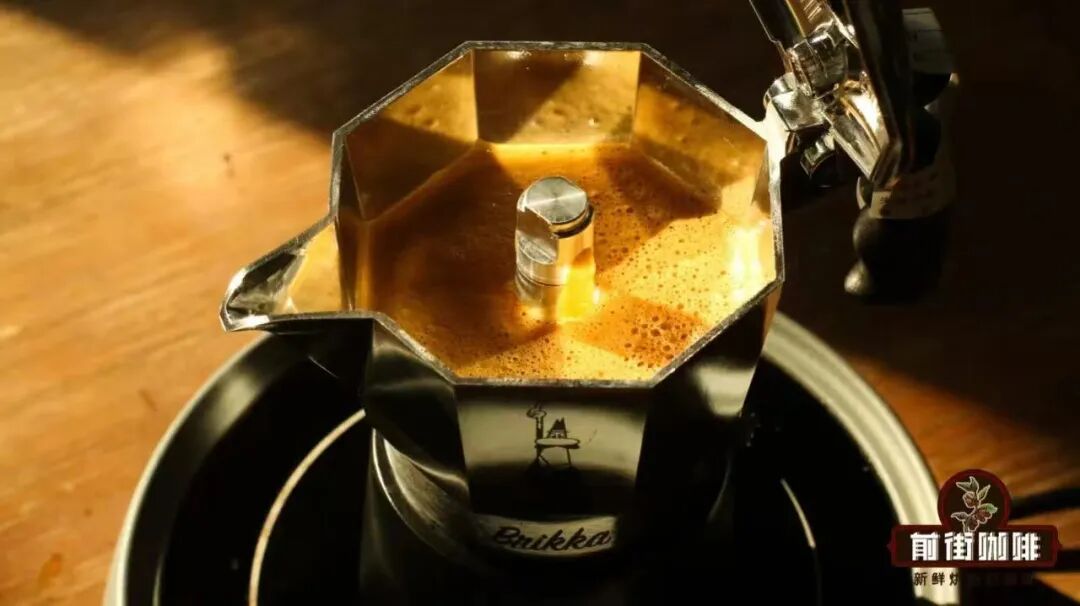
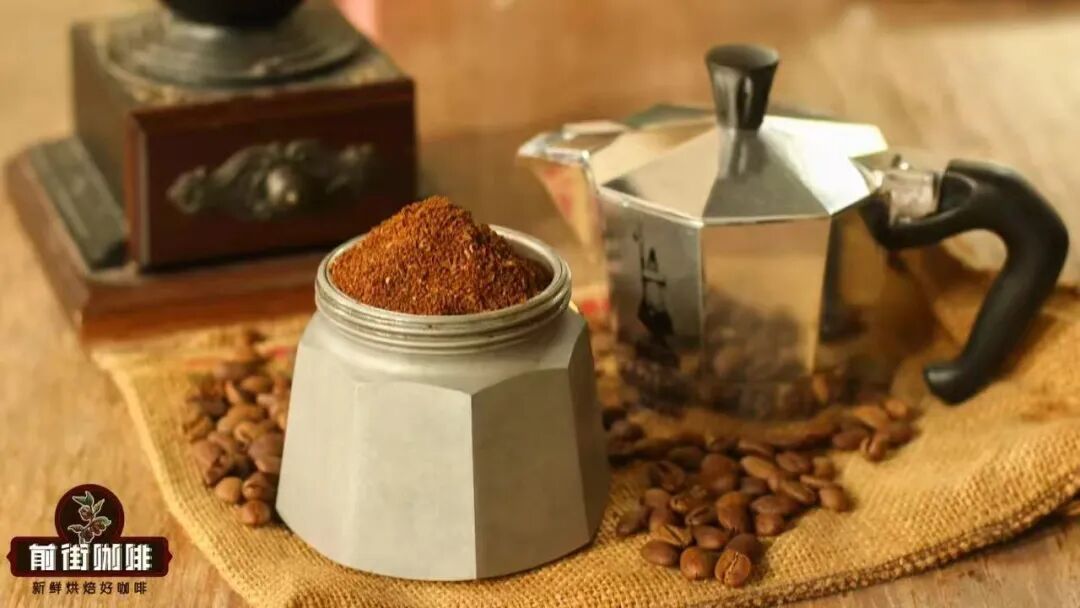
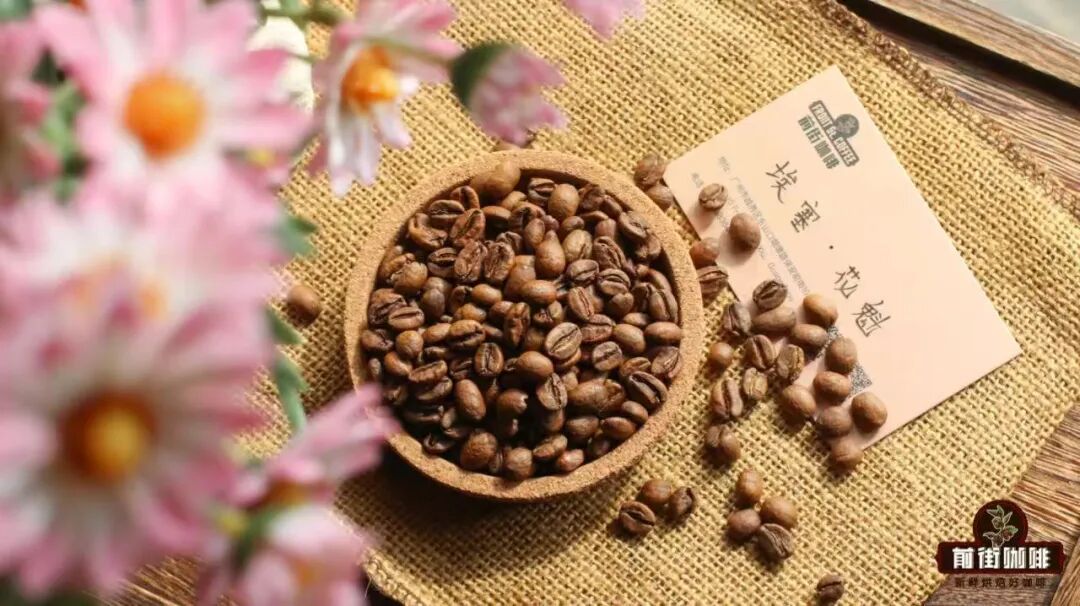
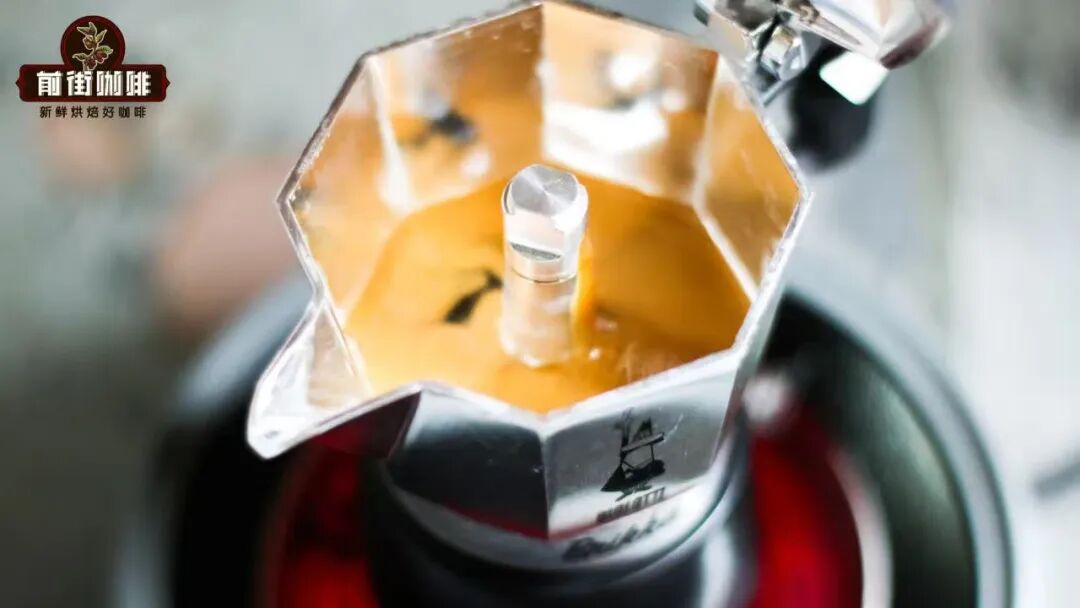
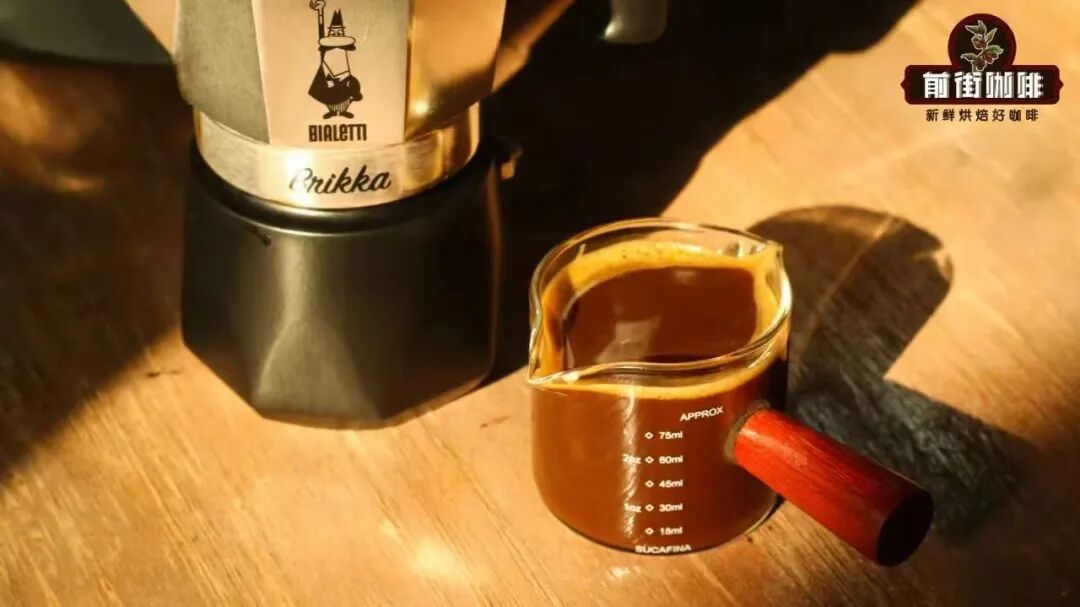
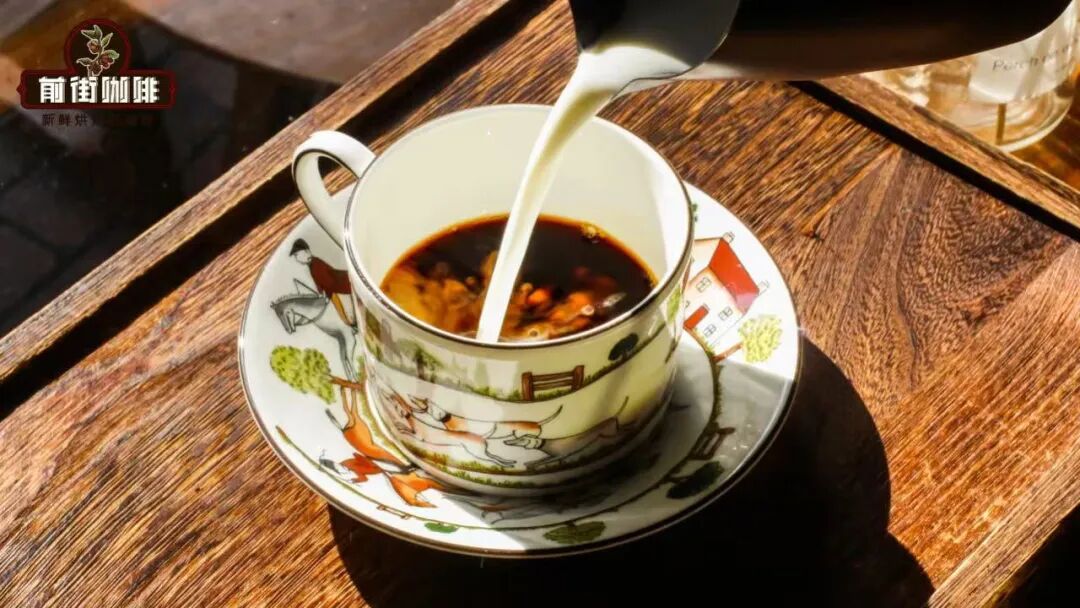
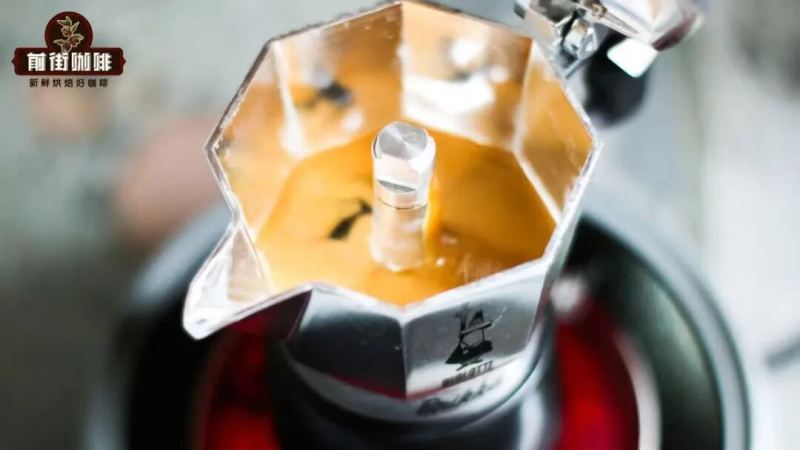
After drinking a certain flavor of coffee too often, we always want to switch things up and try something new. For example, some friends who use a moka pot, even though they usually buy dark-roasted coffee beans with a rich, caramelized aroma to make moka pot coffee, occasionally want to switch to light-roasted beans to experience the floral and fruity notes of light-roasted coffee.However, because there are often posts online about failing when brewing moka pot coffee with light-roasted beans, many friendslack confidence in making moka pot coffee with light-roasted beans. As a result, Front Street Coffee often receives inquiries like this: "Are light-roasted beans not suitable for making moka pot coffee?"Obviously not! Light-roasted beans are also suitable for making moka pot coffee. It's just that compared to dark-roasted beans, it's a bit harder to brew a delicious cup of moka pot coffee with light-roasted beans, and this is related to multiple factors.So today, Front Street Coffee will list and analyze the common failures that occur when brewing moka pot coffee with light-roasted beans and their causes, and then share how we should use light-roasted beans to make a delicious cup of moka pot coffee!One of the most common failures when making moka pot coffee with light-roasted beans is the flavor! Normally, coffee made with light-roasted beans should be sweet and tangy, with fresh and prominent flavors. But many friends find that the moka pot coffee they make with light-roasted beans can only be described as "sharply sour and harsh," with almost no discernible flavor, making it very hard to drink. This kind of situation is mainly caused by two reasons. The first is: under-extraction.Because of under-extraction, the sweet and bitter substances in the coffee haven't dissolved out. Without the balance of sweetness and bitterness, the sourness of the coffee dominates alone, becoming sharp and harsh. And the flavors, because they haven't been extracted enough, can't fully show themselves. Not only that, but usually when this flavor appears,the brewing process of the moka pot coffee will also be accompanied by sputtering, twin tails, and other phenomena.But this kind of situation is easy to solve. We just need toadjust the coffee grounds to a finer grind size,increase the amount of coffee grounds used, orlower the heat during brewing to extend the extraction time, and we can improve the extraction efficiency and increase the dissolved substances. Then the coffee's flavor will be balanced and have a prominent flavor expression!The reason many friends can't brew a delicious moka pot coffee with light-roasted beans is mainly because they apply the extraction parameters for dark-roasted beans to light-roasted beans, such as the same amount of grounds and the same grind size.But in reality, the extraction parameters for dark-roasted and light-roasted beans are not interchangeable. The reason is simple: dark-roasted beanshave a larger expansion coefficient and lower density, so their flavor substances can be dissolved out more easily. Light-roasted beans,on the other hand, are the exact opposite. Because they aren't roasted as dark, their expansion coefficient isn't as large, so their density is relatively higher(or the beans themselves are inherently high in density). Then, high density means that dissolving the flavor substances requires a higher extraction yield. If we don't adjust the extraction parameters, the puck won't have enough resistance, which during extraction will make the flow rate faster and the extraction time shorter, causing under-extraction in the coffee.So, when using light-roasted beans to make moka pot coffee, we can appropriately adjust to a finer grind size and increase the amount of grounds. For example, when Front Street Coffee extracts with dark-roasted coffee beans, the parameters used are 20g of grounds, Galileo Q18 at 1.0 setting, flour-like grind. And when we use light-roasted beans, we can use 21g of grounds, or a finer grind size, to make the coffee.And besides extraction issues, coffee tasting too sour is also related to the roast level(very sour but not to the point of sharp sourness). The lighter the roast level of the beans, the more completely the sour substances in the beans are preserved, and thus the higher the acidity. If you don't want the coffee to be too acidic, then you can choose some medium-roasted coffee beans. For example, medium-light roast, SOE roast beans. In Front Street Coffee's bean list, Front Street Ethiopia · Huakui(SOE roast), Front Street Geisha Blend · Strawberry Candy, and other beans belong to these types of coffee beans. The roast level isn't too light, and the extracted coffee is sweet and tangy with rich floral and fruity aromas.Next is the crema issue! Many friends often report that light-roasted beans can't extract a thick crema, always just a thin layer or even none at all.Regarding this point, it's actually not a failure but a normal phenomenon! Because the amount of crema in coffee mainly depends on the roast level and freshness of the beans. Whenextracted properly, the fresher the beans and the darker the roast, the thicker the crema extracted, and vice versa.If we want to extract a thick crema, then as Front Street Coffee recommended earlier, we can choose coffee beans with a slightly darker roast. But we need to know that crema is just foam filled with carbon dioxide, and its thickness actually has little to do with the quality and taste of the coffee.Moreover, what's extracted from a moka pot can't really be considered the crema of espresso as we know it, because the pressure isn't as high as a coffee machine. So even if this layer of foam is thick when extracted, it will soon break apart and dissipate. And we almost never use moka pot coffee for latte art, so this layer of "crema" doesn't have much value. Therefore, Front Street Coffee suggests everyone focus more on the taste of the coffee.III. Milk Coffee Made Has No FlavorLastly is the milk coffee issue! Many friends buy a moka pot because it can serve as a substitute for a coffee machine to extract a more concentrated coffee, and then add milk to make a rich and delicious milk coffee. But when switching coffee beans from dark roast to light roast, the milk coffee made with the same ratio isn't as fragrant or as rich. It tastes more like milk, and the coffee's flavors and taste aren't well presented.The reason for this situation is also the roast level. Since the coffee beans aren't roasted as dark, they don't undergo as much caramelization and Maillard reaction during roasting, so they don't carry as many intense flavors like caramel and chocolate that can stand up to milk. Instead, they reveal more floral and fruity notes.If we want to make a balanced, rich milk coffee using moka pot coffee extracted from light-roasted beans, then the best method is to reduce the amount of milk and increase the ratio of coffee to milk.In"Three! Tips for Making Delicious Moka Pot 'Lattes'"this post, Front Street Coffee shared with everyone how to extract a rich moka pot base that can be used to make milk coffee. In the article, Front Street Coffee used a 1:3.5 ratio to make milk coffee, that is, 50ml of moka pot coffee liquid paired with about 180ml of milk.In the article, Front Street Coffee used moka pot coffee made with dark-roasted coffee beans. If we use light-roasted beans, then the ratio of coffee to milk needs to be increased to about 1:3. Taking Front Street Geisha Blend · Strawberry Candy from Front Street Coffee's bean list as an example, the moka pot coffee extracted from it paired with a coffee liquid amount(50ml)of three times the milk(150)makes an excellent milk coffee, not only with prominent flavor expressions like strawberry and berries, but also its taste matches the milk's taste very well, with no incongruity at all. The mouthfeel is also silky and rich, very nice~ The above content is compiled by CoffeeHunters, a coffee news website.