







Which Origins Give Coffee Its Fruity Aroma?
Fruity aroma in coffee comes from variety and terroir, and it shows up as stone fruit, citrus, or berry notes layered over a balanced cup. African origins such as Kenya and Ethiopia tend to lead with bright citrus and berry tones, while the Colombian coffee crop and other South American origins often carry fruit as a supporting layer behind sweetness and body.
Coffee flavor is judged on aroma, acidity, bitterness, sweetness, aftertaste, and body, and balance matters more than any single extreme. Fruit-toned coffees read as sweet-and-sour because no one taste overwhelms the others. Kenyan coffee, for example, can show smoked plum and darker berry notes, while other origins lean toward peach, apricot, orange, lemon, or raspberry depending on variety and growing conditions.
Coffee flavor evaluation typically revolves around aroma, acidity, bitterness, sweetness, aftertaste, and body, and a truly enjoyable cup of coffee often lies in the harmonious coexistence of various tastes. In recent years, coffee with fruit-toned characteristics has been highly favored, as these beans can present layered sweet-and-sour notes on a balanced foundation. Fruit flavors cover multiple categories including stone fruits, citrus, and berries, and different origins each have their own characteristics due to differences in variety and terroir. African origins are known for their bright citrus notes, while South American origins often present them as supporting flavors. This article will go through the fruit flavor expressions of representative origins such as Kenya, Ethiopia, Costa Rica, Tanzania, Colombia, and Panama one by one, and include related product recommendations from Front Street Coffee, helping coffee lovers understand the origin map of fruit-flavored coffee more systematically.
Generally speaking, evaluating coffee flavor starts from three dimensions: unique aroma, overall taste direction, and comprehensive sensory experience, specifically involving indicators such as acidity, aroma, bitterness, sweetness, aftertaste, and body. Compared with coffee that is extremely sweet, sour, or bitter, balance is more favored—this means that no single taste overwhelms the other flavors, and the various tastes blend with each other in the mouth, thereby highlighting deeper aromatic layers.
Take the widely popular fruit-aroma coffees as an example: they can display rich and varied tastes precisely because, on the whole, they are balanced while carrying sweet-and-sour notes similar to various fruits.
Fruit-Flavored Coffee
Fruit tones usually carry a natural sweetness and are one of the most sought-after characteristics in high-quality coffee. These flavors can be broadly grouped into stone fruits (such as peach, apricot, nectarine), citrus fruits (such as orange, lemon, grapefruit), and berries (such as raspberry, strawberry, blackberry, blackcurrant, cherry). Overall, coffees from African origins often show distinct citrus fruit flavors, while coffees from South American origins sometimes present these flavors as secondary layers. The following lists several representative origins.
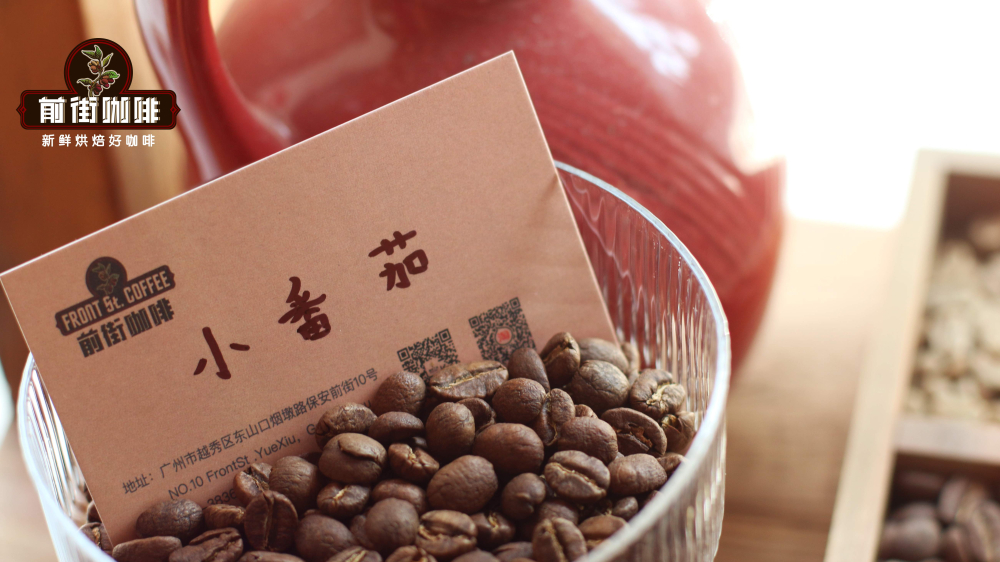
Kenyan coffee (Front Street Little Tomato)—berry tones: smoked plum, cherry tomato, blackberry;

Ethiopian Yirgacheffe region coffee (Front Street Guodingding, Front Street Red Cherry)—citrus tones: lemon, orange, sweet tangerine
Costa Rican coffee (Front Street Mozart, Front Street Blackberry)—dried fruit and tropical fruit: raisin, pineapple, sweet orange, passion fruit
Tanzanian coffee (Front Street Kilimanjaro)—kiwi, berries
Colombian coffee (Front Street Papayo, Front Street Ombligon)—grape, apricot, peach, citrus
Panamanian coffee (Front Street Boquete Geisha, Front Street Butterfly)—honeydew, citrus, peach
Because crops change from year to year, the flavor expression in some years is more distinct than in others, and there are also flavor differences among different varieties within the same country, but the above descriptions can often be sensed in these coffees.
The above content is compiled by CoffeeHunters, a coffee news website.


