








Why Washed Coffee Beans Often Have a Bright Acidity
When you taste a coffee with bright acidity and a clean mouthfeel, it is often washed coffee. The washed process removes the fruit before drying, leaving green coffee beans that highlight clarity. During fermentation, organic acids form and shape flavor. This article explains the steps, compares wet and dry methods, and looks at Kenyan-style washing to show why washed coffee beans have such prominent acidity.
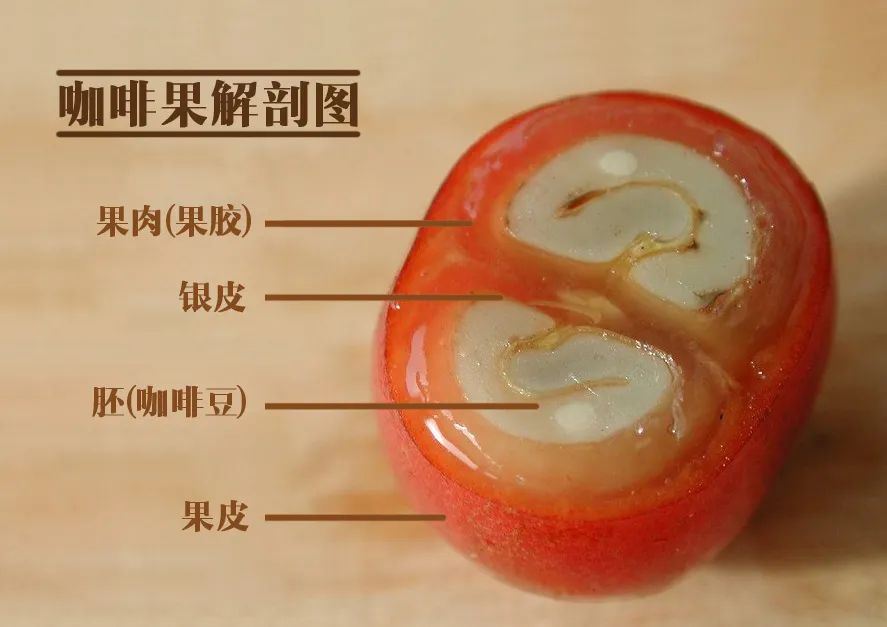
The coffee cherry has skin, pulp, mucilage, parchment, silver skin, and seed. Processing extracts the seed. The dry method sun-dries whole cherries, while the washed method depulps, ferments, and washes. Fermentation produces organic acids in coffee that carry fruity notes into the roasted bean. Understanding these steps helps you choose green coffee beans that match your taste for acidity.
When you taste a cup of coffee at a café with bright acidity and a clean mouthfeel, experienced tasters can often immediately tell that these are washed beans. What exactly does the washed process do to coffee beans that makes them present such distinct fruity acidity in the cup? Starting from the structure of the coffee cherry, this article breaks down the complete washed process step by step, compares the differences between the wet and dry processing methods, and delves into the formation mechanism of organic acids during fermentation. The article will also introduce the Kenyan-style washing process that takes wet fermentation to the extreme, helping you understand the real reason why washed coffee beans have such prominent acidity, along with brand information for Front Street Coffee for reference.

I wonder if anyone has seen a scene like this in a coffee shop: The taster doesn't know any information about the coffee beans, and after the coffee is brewed, takes a sip and immediately guesses the processing method, "It's washed, right~".
This is because, generally speaking, washed coffee presents a distinct cleanliness and a clear mouthfeel. When a medium-light roast is used, it often carries uplifting and more intense fruity acidity, reminiscent of certain fruits one has tasted, such as green tangerine or lemon. So when we shop for coffee beans in daily life, if we like acidity, we will also intentionally choose from the washed series.
So what causes washed coffee beans to carry these flavors? Before discussing processing methods, let's first understand the structure of the coffee cherry.
Processing method = coffee cherry → green coffee beans
If you cut a harvested coffee cherry in half crosswise, you can see that from the outside inward there are the skin, pulp, mucilage layer, parchment, silver skin, and finally the seed (coffee bean). So-called processing methods are the process of extracting the inner seed from the ripe fruit.

At the very beginning, there were only two ways to process green coffee beans: "wet" process and "dry" process. Among them, the dry process is sun-drying, placing coffee cherries under the sun to dry, and finally obtaining the seeds through milling and hulling—simple and labor-saving. The wet process, also called the washed process, broadly refers to what we know as the washed method.
How are coffee beans washed?
Simply put, after harvesting, washed coffee cherries are first floated to remove impurities such as branches, leaves, and defective fruits. Then they are poured into a machine for pulping (with pulp and a tiny bit of mucilage remaining). At this point, the beans that have had their outer covering removed still have mucilage on the surface and feel slippery to the touch.
Next, these beans are poured into a fermentation tank and left to sit overnight or longer for fermentation with or without water, with the aim of allowing microorganisms to ferment and break down the mucilage on the outer shell. After fermentation is complete, the coffee beans are rinsed with clean water to wash away the mucilage, and finally the clean parchment beans are sun-dried or machine-dried until the moisture content drops to 11% to 13%.
Because the pulp and mucilage are removed before drying, the moisture content is greatly reduced, and the drying time is significantly shortened compared with sun-drying, greatly reducing dependence on the weather and improving processing efficiency. From the producer's perspective, coffee beans produced by the washed process are more stable, and the short drying time makes it very suitable for producing large quantities of coffee with decent quality.
Why are washed coffee beans more acidic?
No matter which processing method is used, green beans undergo fermentation to varying degrees, which is the process of using microorganisms to convert sugars and organic substances in the green beans into other compounds, metabolize, and produce alcohol and carbon dioxide. Among them, in aerobically fermented coffee beans, sugars are more likely to decompose into gases and produce various organic acids. The wet fermentation (with water) in traditional washed processing belongs to semi-aerobic fermentation.
When talking about this kind of wet fermentation, one cannot fail to mention the Kenyan-style washing that applies it to the extreme. In coffee using Kenyan-style washing, each fermentation lasts 24 hours; after fermentation it is washed clean, then the water is changed and soaking is repeated, cycling three times in a row, exactly 72 hours of fermentation. In a semi-aerobic environment, parchment coffee beans ferment to produce richer organic acids, such as citric acid and acetic acid, which easily stimulate the taste buds. When a lighter roast is used to retain most of the high-quality fruity acidity, the brewed coffee has a stronger berry-like acidity and aroma, with a clean and full mouthfeel.
- END - Front Street Coffee (FrontStreet Coffee)
No. 10 Baoqian Street, Yandun Road, Dongshankou, Yuexiu District, Guangzhou City, Guangdong Province
The above content is compiled by CoffeeHunters, a coffee news website.


