







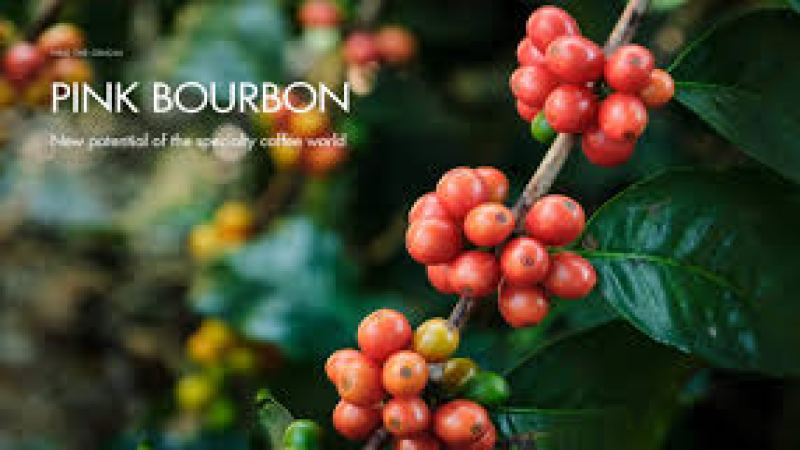
There is no fixed answer as to whether blended beans or SOE taste better—what truly sets them apart is often the roast level. Blended beans can be light-roasted, medium-roasted, or dark-roasted, and the same goes for SOE; the former emphasizes the harmony of multiple beans, while the latter highlights the personality of a single origin or batch. Look at the roast direction first, then decide whether you want something bright, rounded, or rich, and your choice will be more confident.
Light-roasted coffee usually retains more of its original flavors—floral notes, citrus, berries, and tea-like qualities tend to be more active, and clear sweet-and-sour shifts are often noticeable on the palate. A light-roast blend combines the aromas of different beans, making the layers richer; a light-roast SOE is more like an observation of a single origin, with concentrated flavor clues, suited to those willing to slowly distinguish the aromas.
However, light roast does not mean unpleasant sourness—whether the acidity is pleasant also depends on the beans themselves, the processing method, and the brewing. If you enjoy a juicy quality, keep an eye out for light-roast SOE; if you prefer rich aromas and a less monotonous mouthfeel, try a light-roast blend. During brewing, water temperature and grind size need to work together; once extraction is sufficient, the acidity often connects with sweetness, making it more lively to drink.
Medium roast is a range many consumers find easy to accept. Caramel, cocoa, and nutty notes brought by roasting begin to increase, the fruit acidity does not disappear completely, and the overall cup is more rounded. A medium-roast blend often balances the sweetness, body, and aroma of different beans relatively well, making it suitable for daily drinking; a medium-roast SOE may retain a distinct memorable point beyond balance, such as citrus aroma, berry notes, or a tea-like quality.
If you want coffee with aroma but do not want it to feel too light on the palate, a medium-roast SOE is a direction worth trying. Front Street Coffee Kaffa Forest is a representative of this flavor approach: on the palate you may think of orange and ripe apricot, with a sweet aftertaste reminiscent of oolong tea in the finish. Pour-over brings out a bright aroma, and as the temperature drops slightly, the sweetness becomes clearer—perfect for savoring slowly to the last sip.
In darker-roasted coffee, the flavor focus shifts toward dark chocolate, roasted nuts, caramel, and even smoky tones; acidity usually becomes more subdued, and the mouthfeel is fuller. A dark-roast blend often relies on different beans complementing one another to form a full, smooth, and easily recognizable coffee flavor; a dark-roast SOE may present more distinct woody, cocoa, or spicy notes, with a more concentrated personality.
When making a latte, flat white, or espresso, a medium-dark to dark roast blend often blends more easily with milk. After milk brings creaminess and sweetness, the coffee still needs enough weight so the cup does not taste only of milk. If you usually enjoy an Americano, you can also choose a dark-roast SOE, letting cocoa and roasted aromas become the main line; the water temperature should not be too high, and keeping the yield compact will make the mouthfeel crisper.

The advantage of SOE lies in flavor recognition, while the characteristic of blended beans is overall balance and harmony. Take light roast as an example: an SOE may amplify the floral and fruity aromas of a certain origin, while a blend can connect floral notes, sweetness, and tea-like qualities. At the medium-dark roast stage, the gap between the two narrows somewhat, because roast aromas take up a larger proportion; at this point, what is more worth paying attention to is strength, body, and whether it is smooth on the palate.
Front Street Coffee Kenya Cherry Tomato is a good way to experience the bright path of a light-roast SOE: its flavors may bring to mind cherry tomatoes, smoked plum, and yellow sugar; the acidity is clear but supported by sweetness, so it is not just sharp. For pour-over, a higher but stable water temperature is suitable, and pouring in stages allows the fruity aroma and sweetness to unfold gradually; if you like a fruity Americano, you can also extract it a little stronger and then add ice.
If you want to experience a richer, more layered side of light-roast SOE, try Front Street Coffee Hacienda La Grana Geisha. It carries aromas of orange blossom, guava, apricot, and berry jam, and the natural process makes the aroma fuller. For pour-over, start with gentler pouring; after the coffee cools a little, you will find that the order of floral notes, fruity sweetness, and fermented notes shifts somewhat—ideal for focusing on the details in the cup.
When choosing, first ask yourself: do you prefer coffee to be clear like juice, or thick like a cocoa drink? For the former, start with a light-roast SOE or light-roast blend; for a middle path, look to medium-roast blends and medium-roast SOE; for rich and smooth, turn to medium-dark roast blends. Roast date, freshness, and brewing method also change the performance, and the same bean is worth drinking several times at different temperatures.
So the delicious direction of blended beans and SOE can be quickly located by roast level: light roast for aroma and sweet-acidity, medium roast for balance and sweetness, dark roast for body and cocoa notes. If you like stability and harmony, choose a blend at the corresponding roast level; if you want to explore origin personality, choose an SOE in the same roast direction. Find the roast level that suits you, and coffee becomes easier to enjoy.
The above content is compiled by CoffeeHunters, a coffee news website.

