







Search Results for: no water
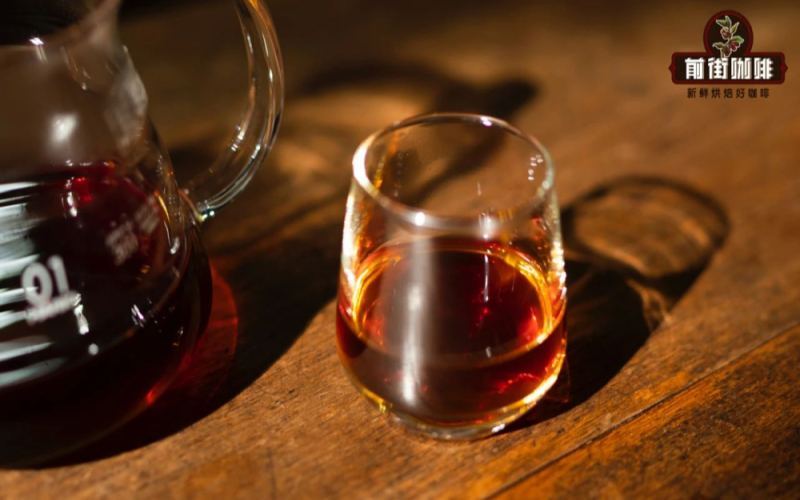
A Detailed Guide to Seven Extraction Methods for Jamaican Blue Mountain Coffee: A Complete Brewing Guide for Front Street Blue Mountain No. 1 from Espresso to Cold Drip
Jamaican Blue Mountain coffee is renowned for its clean, mild character and balanced acidity, sweetness, and bitterness. The Front Street Blue Mountain No. 1 coffee beans produced by FrontStreet Coffee come from Clifton Estate—an old farm with Rainforest Alliance certification. This article will start with basic knowledge such as the origin background, grade standards, and washed processing, and systematically outline seven brewing methods for Blue Mountain No. 1, covering espresso, pour-over, siphon, AeroPress, French press, cold drip, and Japanese iced pour-over, along with the parameters, techniques, and flavor performance of each method, helping coffee lovers fully explore the diverse possibilities of this bean in daily life. [more…]
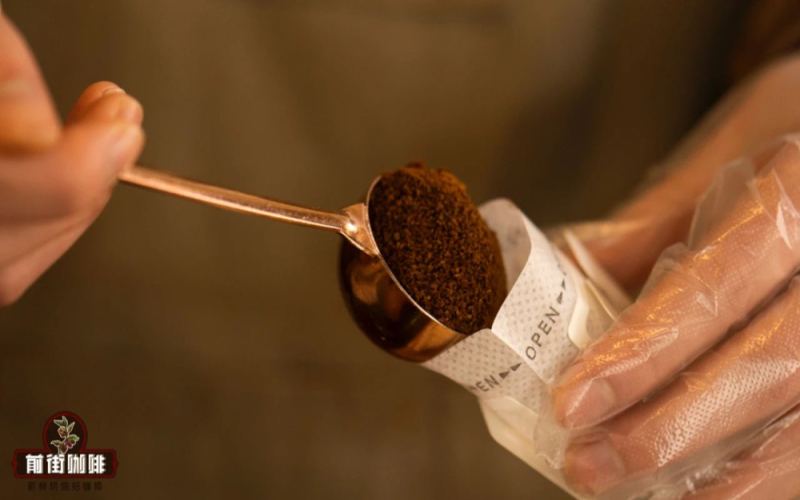
Blue Mountain Flavor Drip Coffee Pricing Explained: Authentic Blue Mountain No. 1 Drip Coffee Taste and Brewing Key Points
The ultimate quality of drip bag coffee comes down to the grade of the coffee beans selected. If authentic Jamaica Blue Mountain No. 1 is used as the raw material for drip bags, what would the flavor be like? This article will explain the basic principles of drip bags, the growing region and grading system of authentic Blue Mountain coffee, the price composition of Front Street Coffee's Blue Mountain No. 1 drip bags, and the flavor presentation and points to note during actual brewing. It will also compare drip bags and pour-over in terms of equipment and convenience, helping readers understand why Blue Mountain-flavored coffee and genuine Blue Mountain coffee are not the same concept, and how water temperature, coffee-to-water ratio, and pouring flow specifically affect the taste in the cup during daily brewing. [more…]
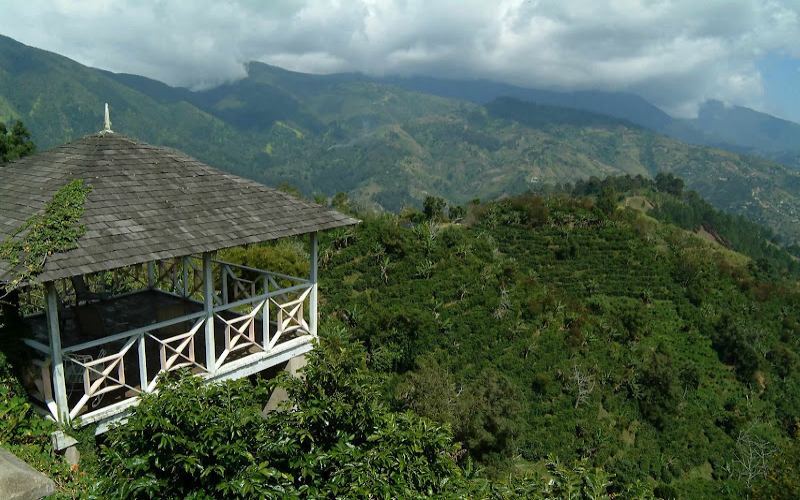
How to brew Jamaican Blue Mountain coffee for the best taste? A complete guide from bean grades to 7 brewing methods
Blue Mountain coffee is famous for its scarce production and high price, but products sold under the "Blue Mountain" name on the market are a mix of genuine and fake. This article first helps you understand the origin certification, grading system, and estate system of authentic Jamaican Blue Mountain coffee, then breaks down in detail seven brewing methods for Front Street Blue Mountain No. 1 coffee beans—espresso, pour-over, siphon, AeroPress, French press, cold drip, and Japanese iced pour-over. Each method comes with parameters and flavor descriptions, making it easy for coffee lovers to choose according to their own taste. [more…]
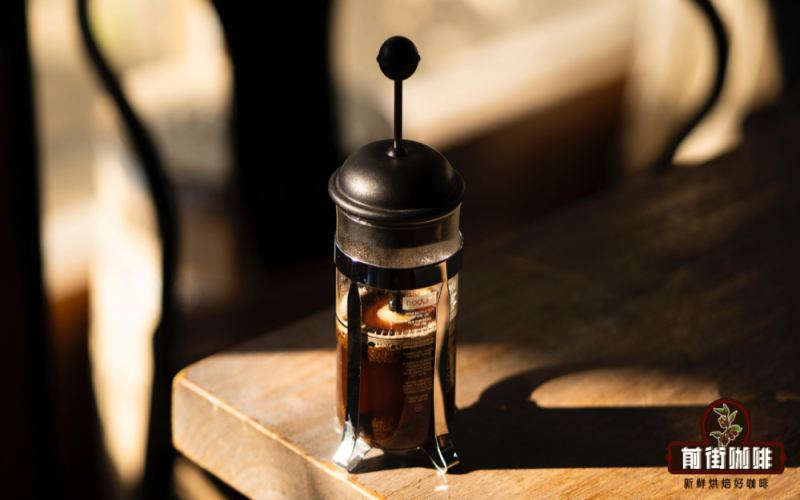
French Press Brewing Guide for Blue Mountain No. 1: From Jamaican Certified Zones to Clifton Farm Flavor Analysis
Want to easily make a rich, full-bodied cup of black coffee at home? A French press may be the most effortless and the best choice for bringing out coffee's true flavor. It's simple to use and highly forgiving, and it preserves almost the complete layers of coffee's flavor—though of course, that also means it demands higher quality and freshness from the beans. This article uses Front Street Jamaica Blue Mountain No. 1 coffee beans as an example, first helping you understand the authentic Blue Mountain coffee's regional certification, grading standards, and the background of Clifton Farm, then breaking down the French press brewing process step by step. From the coffee-to-water ratio, grind size, water temperature control, and pressing technique, every detail will be explained clearly, so you can reliably recreate at home a cup of Blue Mountain coffee interwoven with creamy chocolate and a caramel sweet finish. [more…]
French Press Brewing Guide for Blue Mountain Coffee: Flavor Characteristics and Key Steps for Front Street Blue Mountain No. 1
The French press is one of the most convenient home coffee brewing devices, and it preserves coffee flavors fairly completely, which means it places high demands on bean quality and freshness. This article uses Front Street Jamaica Blue Mountain No. 1 coffee beans as an example to explain in detail how to use a French press, and analyzes the Blue Mountain coffee region regulations, grade classifications, the background of Clifton Farm, and Front Street roasters' medium-dark roasting approach. You will learn why Blue Mountain No. 1 is called the "Emperor of Coffee," how its dark chocolate, nut, and caramel flavors are steadily expressed in a French press, and the complete process from weighing beans and controlling water temperature to pressing and pouring. [more…]

Luckin Coffee halts the viral "all-ice, no-water, domed-lid swap" ordering hack: a clash between standardized management and personalized demands
Recently, Luckin Coffee halted the viral social media ordering hack known as "all ice, no water, swap to dome lid," sparking heated discussion among consumers. This drinking method, which replaces still water with ice cubes and swaps the flat lid for a dome lid, makes the beverage richer in flavor and more photogenic, and was once imitated by many netizens. However, because this operation falls outside standardized procedures and causes confusion in store inventory between flat lids and dome lids, the company has issued a notice prohibiting stores from continuing to make it. Some consumers believe the brand should adapt its products to meet demand, while others understand the necessity for chain brands to maintain standardized operations. This debate over the balance between personalized customization and store management is worth the attention of coffee enthusiasts. [more…]
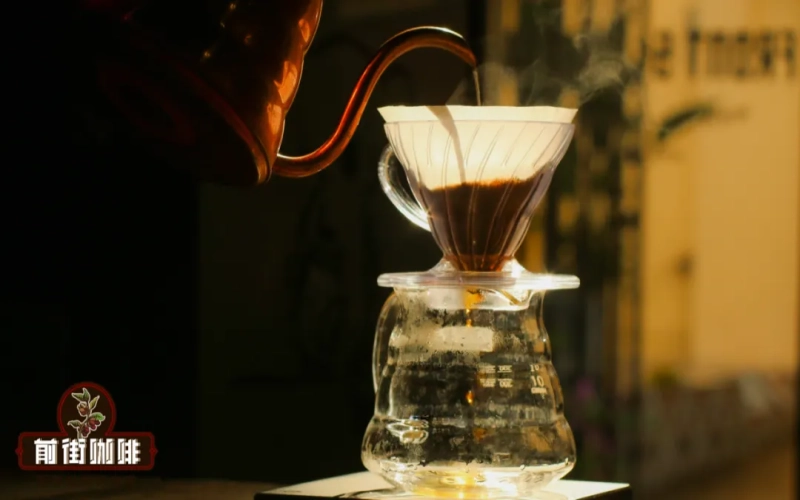
What Is Bypass Water in Pour-Over Coffee? Can a No-Bypass Dripper Really Solve the Problem of Weak Extraction?
In pour-over coffee, there are many factors that can lead to a weak-tasting cup, and too much bypass water is an often overlooked yet not uncommon cause. So-called bypass water is the portion of hot water that bypasses the coffee grounds and drips directly into the server; it does not participate in extraction, yet it dilutes the coffee's strength. This article will analyze this phenomenon from several angles: the definition of bypass water, how it is produced, its relationship with dripper structure, and the actual effects of a no-bypass dripper, helping coffee enthusiasts understand this phenomenon and find more effective ways to deal with it, so they can brew a full-flavored, delicious cup of coffee. [more…]
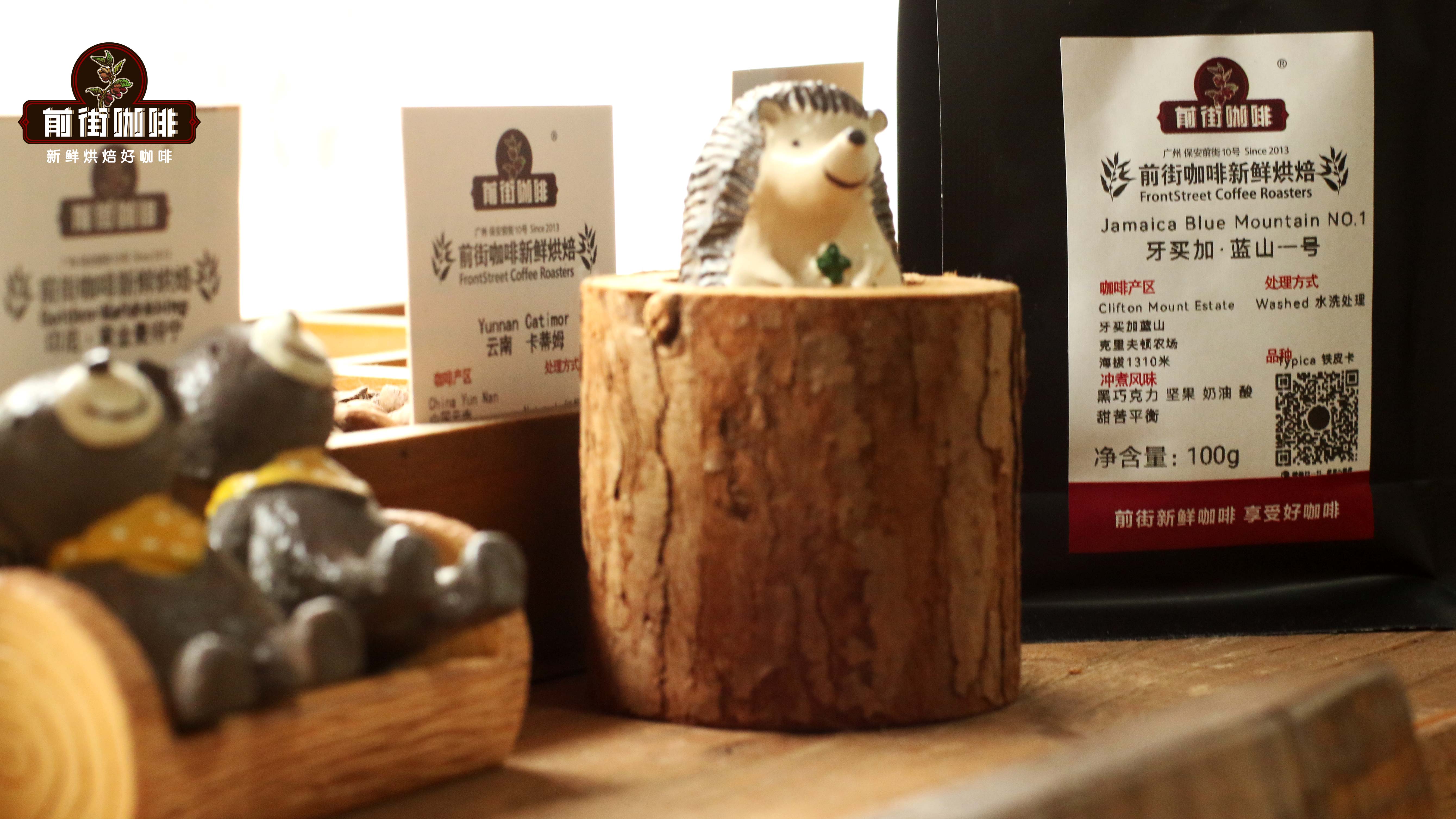
Jamaican Blue Mountain No. 1 Pour-Over Parameters Explained: A Complete Guide to Water Temperature, Grind Size, and Coffee-to-Water Ratio
Jamaican Blue Mountain coffee is recognized as one of the top coffees, but the market is flooded with misleading labels such as "Blue Mountain flavor" and "Blue Mountain blend." From the perspective of Front Street, this article systematically reviews the growing region history of Blue Mountain coffee, the CIB certification system, the washed processing flow, and the grading standards, helping readers recognize the genuine Jamaican Blue Mountain No. 1. At the same time, Front Street will share the pour-over brewing parameters for Blue Mountain No. 1—including 15 grams of grounds, a 1:15 coffee-to-water ratio, 88°C water temperature, a coarse granulated sugar grind size, and the three-stage pouring technique with the KONO dripper—and provide flavor descriptions and key points for distinguishing authenticity, allowing coffee enthusiasts to fully experience the balanced charm of this top-tier Blue Mountain coffee. [more…]
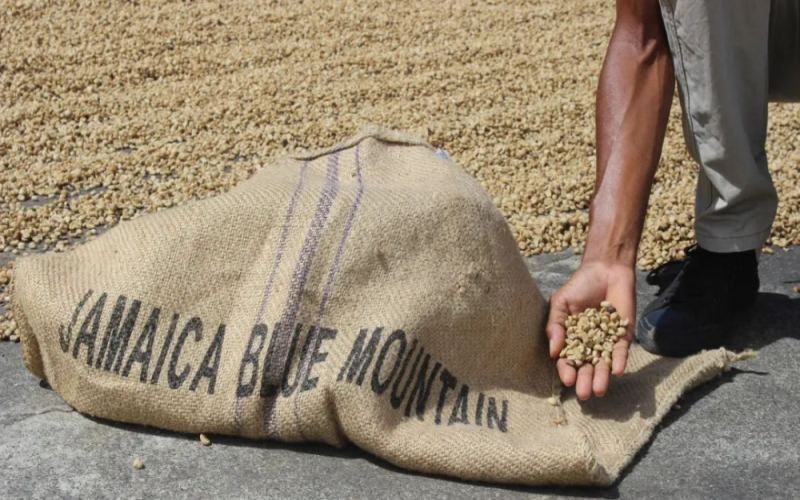
Jamaica Blue Mountain Coffee Tasting Guide: From Regional Characteristics to a Full Analysis of Seven Brewing Methods
Jamaican Blue Mountain coffee is famous worldwide for its balanced and elegant flavor, but truly understanding it and brewing it well requires systematic knowledge ranging from its growing region and grading to extraction methods. From the perspective of Front Street Coffee, this article sorts through the geographical conditions of Blue Mountain coffee, the historical standing of Clifton Mount Estate, the two processing paths of washed and natural, and the grading standards of Blue Mountain No. 1, and also provides roasting ideas and seven practical brewing methods—covering espresso, pour-over, siphon, AeroPress, French press, cold drip, and Japanese iced pour-over. Whether you want to distinguish authenticity or brew the Blue Mountain beans in your hands to their ideal flavor, this guide offers clear reference. [more…]
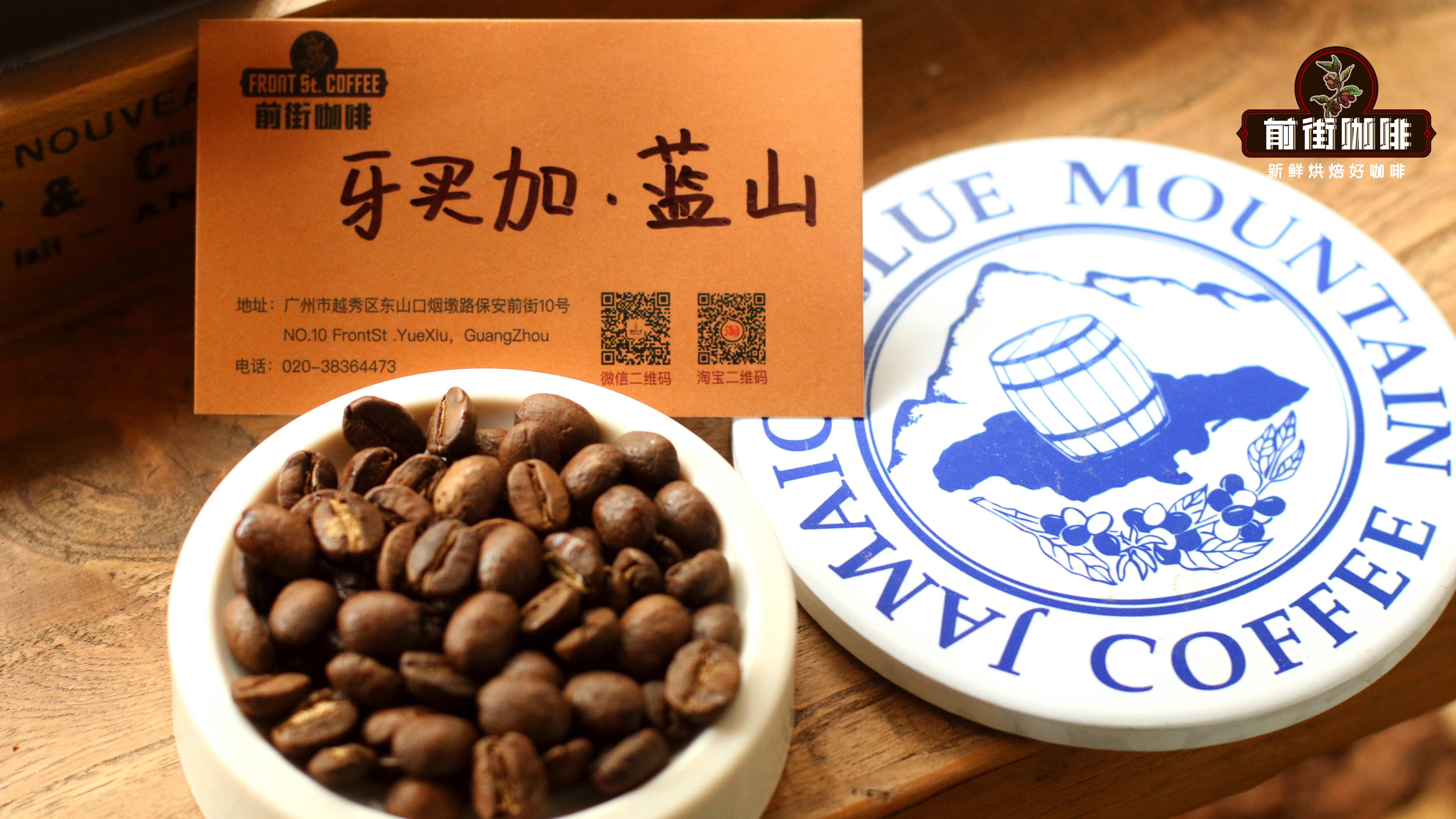
Complete Guide to Jamaican Blue Mountain No. 1 Pour-Over: Water Temperature, Grind Size, Coffee-to-Water Ratio, and Three-Stage Pouring Essentials
As specialty coffee enters daily life, more and more enthusiasts are no longer satisfied with ordering at cafés—they want to brew a great cup of coffee themselves at home. Blue Mountain coffee is renowned for its rich body and balanced flavor, but to truly showcase its strengths, you need to get the water temperature, grind size, coffee-to-water ratio, and pouring technique right. Drawing on the practical experience of Front Street Coffee, this article introduces the origin background, varieties, and processing methods of Jamaican Blue Mountain coffee, and provides specific pour-over parameters for medium-dark roasted Blue Mountain No. 1: 88°C water temperature, 1:15 coffee-to-water ratio, 15g dose, 75% pass rate through a No. 20 sieve, and a three-stage pouring process after a 30-second bloom, helping readers consistently reproduce its smooth flavors of nuts, cocoa, and cream. [more…]
Is Jamaican Blue Mountain Coffee Bitter? A Detailed Guide to Blue Mountain No. 1 Grind Size, Water Temperature, and Pour-Over Flavor Characteristics
As a top-tier category among rich and bitter coffees, does Blue Mountain coffee really stand out for its bitterness? This article takes Front Street Coffee's own roasted Blue Mountain No. 1 coffee beans as an example, analyzing everything from origin characteristics, processing method, and grade classification to brewing parameters. Front Street Coffee will share the specific method of using a Kono dripper with three-stage pouring, including key data such as grind size, water temperature, and coffee-to-water ratio, and offer adjustment suggestions for the problem of excessive bitterness, helping coffee lovers brew a Blue Mountain coffee with a balanced aroma of dark chocolate, nuts, and caramel, and a round, smooth mouthfeel. [more…]
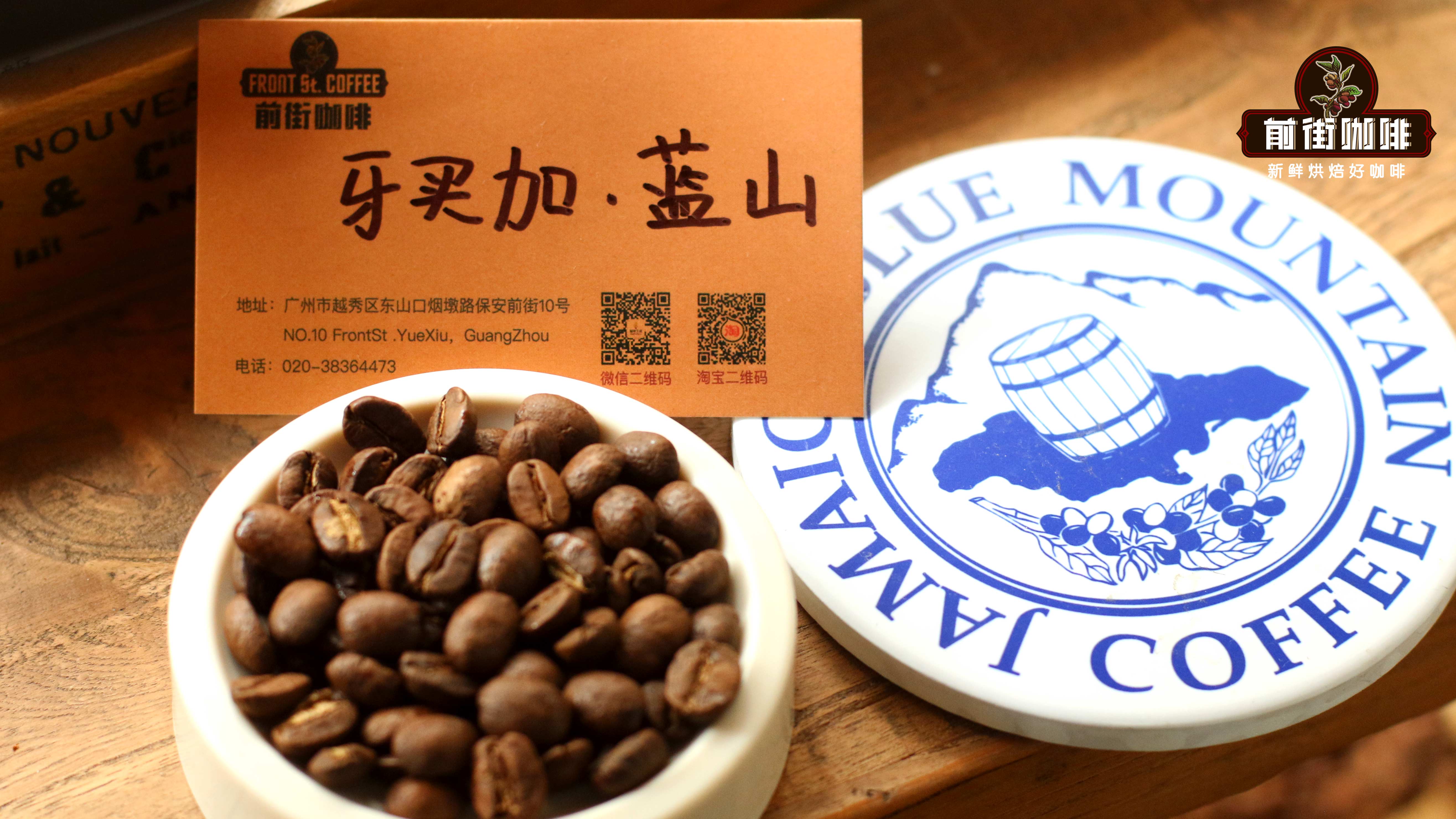
Flavor Characteristics and Brewing Guide for Authentic Jamaican Blue Mountain No. 1 Coffee Beans: Water Temperature, Grind Size, and Washed vs. Natural Comparison
Blue Mountain coffee is a legend in the hearts of countless coffee lovers, but most products on the market bearing the name "Blue Mountain flavor" have nothing to do with authentic Blue Mountain. The truly Jamaica Coffee Board-certified Blue Mountain No. 1 is scarce in production and subject to stringent standards. The Blue Mountain No. 1 listed by Front Street Coffee comes from Clifton Estate, which holds Rainforest Alliance certification and barrel export qualifications. This article will examine, one by one, the growing environment of the Blue Mountains, the history of Clifton Estate, the characteristics of the Typica variety, the differences between the washed and natural processing methods, and the grading standards and certification system for Blue Mountain coffee. It will also share the brewing method recommended by Front Street, including the use of the KONO dripper, the coffee-to-water ratio, water temperature, and grind size, and compare the flavor differences between natural and washed Blue Mountain, helping readers gain a comprehensive understanding of this legendary coffee. [more…]
The Complete Guide to Pour-Over Jamaican Blue Mountain Coffee: Water-to-Coffee Ratio, Water Temperature, and Three-Pour Technique Explained
Blue Mountain coffee is scarce in production and commands a high price per cup in cafés, leading many enthusiasts to buy Blue Mountain coffee beans and brew them at home by pour-over to save money. However, few people can accurately bring out the flavor of Blue Mountain coffee. This Clifton Estate Blue Mountain No. 1, introduced by Front Street Coffee, comes from the oldest coffee estate in the Blue Mountains and is the only Blue Mountain estate with Rainforest Alliance certification. It uses the Typica variety and washed processing, and its flavor is known for dark chocolate, nuts, cream, and a balance of acidity, sweetness, and bitterness. This article will systematically explain how to correctly brew Blue Mountain coffee by pour-over from four dimensions—water temperature, grind size, coffee-to-water ratio, and brewing technique—to help you consistently present this top-tier bean's richness and balance at home. [more…]
The Complete Guide to Hand-Brewing Jamaican Blue Mountain No. 1: Medium-Dark Roast Parameters, Grind Size, Water Temperature, and Three-Pour Technique
Blue Mountain coffee is renowned as one of the world's most full-bodied specialty coffees, but to recreate its balanced flavor at home, brewing parameters are crucial. Front Street Coffee selects Blue Mountain No. 1 from Jamaica's Clifton Farm, using a medium-dark roast to highlight nutty and cocoa notes, and provides a complete pour-over plan based on this. This article begins with the origin background, variety, and processing method of Blue Mountain coffee, then gradually breaks down the four key points of water temperature, grind size, coffee-to-water ratio, and pouring technique: 88°C water temperature, 1:15 coffee-to-water ratio, 75% passing rate through a No. 20 sieve, combined with a KONO dripper and three-stage pouring, to help you consistently extract a cup of Blue Mountain with balanced acidity, sweetness, and bitterness, and a full body. At the end, there is also a flavor comparison between the natural and washed processing methods, as well as practical reminders on bean resting and grinding. [more…]
Front Street Coffee Blue Mountain No.1 Flannel Hand Brew Guide: 1:10 and 1:15 Coffee-to-Water Ratio Parameters and Water Temperature Selection
Blue Mountain coffee is favored by pour-over enthusiasts for its balanced, full-bodied flavor, and brewing with a flannel cloth filter does even more to reveal its delicate layers. Using Front Street's medium-dark roasted Jamaica Blue Mountain No. 1 as an example, this article documents in detail the complete brewing parameters and flavor performance at two coffee-to-water ratios, 1:10 and 1:15, and answers the question of what water temperature range is suitable for pour-over Blue Mountain No. 1. It also sorts out key variables such as blooming time, staged pouring rhythm, and extraction duration, helping you recreate at home a cup of Blue Mountain coffee that combines caramel sweetness, a chocolate finish, and soft fruit acidity. [more…]
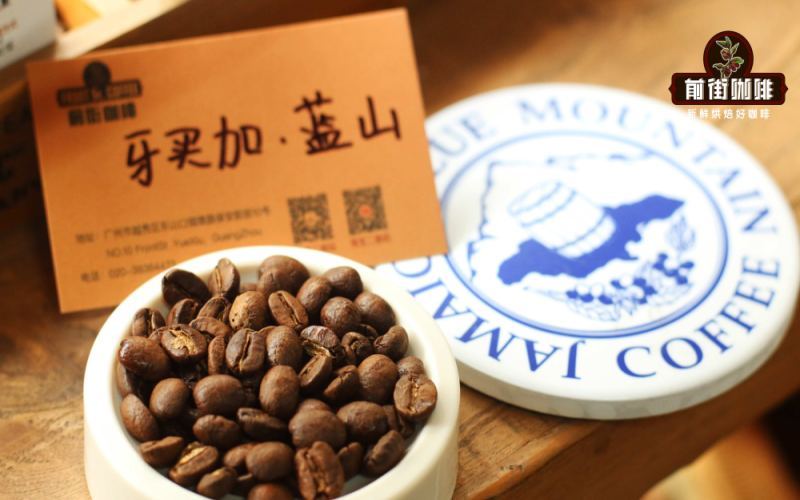
The Complete Guide to Pour-Over Jamaican Blue Mountain Coffee: Grind Size, Water Temperature, Coffee-to-Water Ratio, and Flavor Explained
In an era before specialty coffee became popular, Blue Mountain coffee was already an industry-recognized benchmark. Authentic Jamaican Blue Mountain coffee combines a delicate balance of body, aroma, sweetness, acidity, and bitterness, with scarce production and a high price, and the market is full of impostors. Starting from the production experience of Front Street Coffee stores, this article systematically explains how to identify authentic Blue Mountain No. 1, the clean mouthfeel brought by washed processing, and key parameters in pour-over brewing such as grind size, water temperature, dripper selection, pouring technique, and coffee-to-water ratio, to help you brew a cup of Blue Mountain coffee with distinct layers and lasting body. [more…]
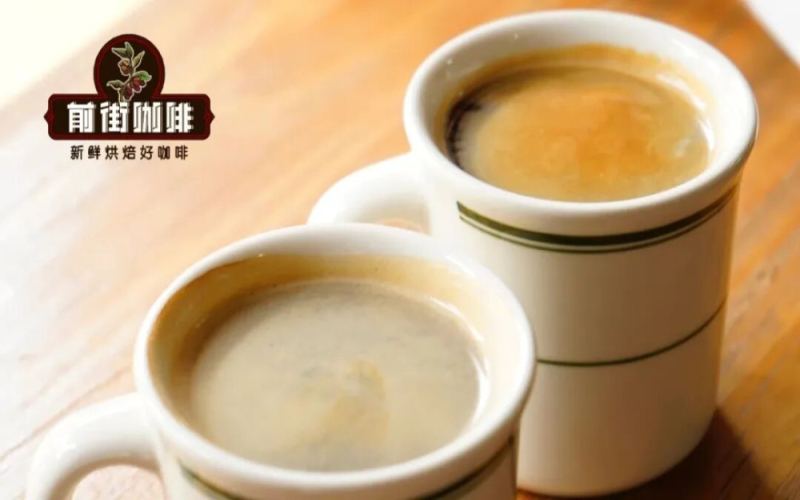
A Comprehensive Analysis of Four Ice Levels for Iced Americano: Ratios and Flavor Differences for Regular Ice, Less Ice, No Ice, and Extra Ice
Walk into any chain coffee shop, and just the Americano alone can give you a case of choice paralysis—regular ice, less ice, no ice, and even the secret-menu full ice. These seem like nothing more than differences in the amount of ice, but in reality they fundamentally change a cup of coffee's strength, aroma direction, and mouthfeel. This article will break down, one by one, the key preparation points and taste characteristics of four ice-level Americanos, from the ratio logic and operating steps to the final flavor, and will use Front Street Coffee's commercial blend as the unified test bean to help you make the cup that suits your taste, whether at home or in a shop. [more…]
Blue Mountain No.1 Pour-Over and Siphon Brewing Tutorial: Detailed Guide to Water Temperature, Grind Size, and Coffee-to-Water Ratio
Blue Mountain coffee originates from the Blue Mountains of Jamaica and is named for the blue light reflected from the Caribbean Sea. It is famous for its balanced blend of sweetness, acidity, and bitterness, with almost no bitterness and a gentle acidity, making it the finest among single-origin coffees. This article shares the classic brewing method for Blue Mountain No. 1 recommended by Front Street Coffee, covering equipment choices such as the siphon, filter bag, and drip methods, and explains in detail the key steps: a ratio of two tablespoons of coffee grounds to 150 ml of purified water, water temperature control at 90 to 96°C, boiling the water over medium heat then simmering over low heat for 30 to 40 seconds, gently stirring with a spoon, and natural reflux. It also introduces the optimal tasting temperature of about 60°C and the flavor changes after cooling, helping coffee lovers perfectly extract the unique charm of Blue Mountain coffee at home. [more…]
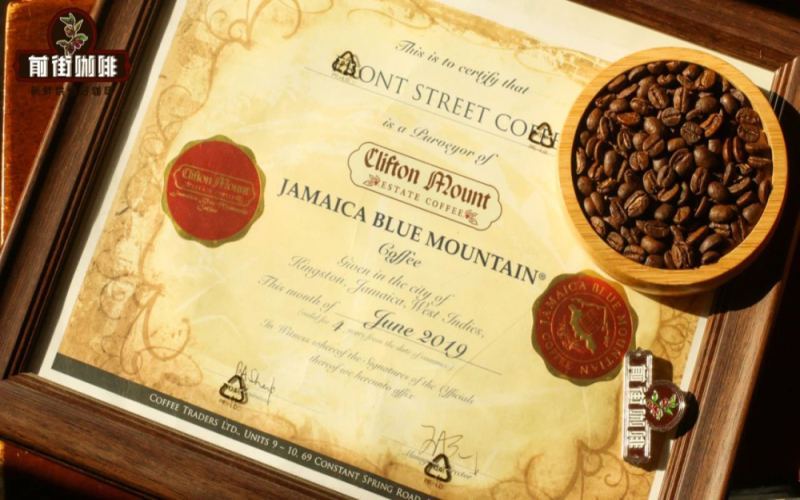
Blue Mountain Coffee Pour-Over Coffee-to-Water Ratio and Extraction Parameters Explained: Front Street Blue Mountain No.1 Brewing Method and SOE Preparation Sharing
Jamaican Blue Mountain coffee, as a classic representative of specialty coffee, has always drawn attention for its brewing methods. This article takes Front Street Jamaican Blue Mountain coffee as an example to introduce in detail the grade classification and processing techniques of this washed Typica variety, and shares the complete parameters for Kono dripper pour-over—including coffee dose, water temperature, grind size, coffee-to-water ratio, and pouring technique. In addition, it will also cover the extraction recipe for Blue Mountain SOE, as well as the production details of Blue Mountain Americano and Blue Mountain Latte, helping coffee enthusiasts recreate the full-bodied, richly layered sweetness of Blue Mountain coffee at home. [more…]
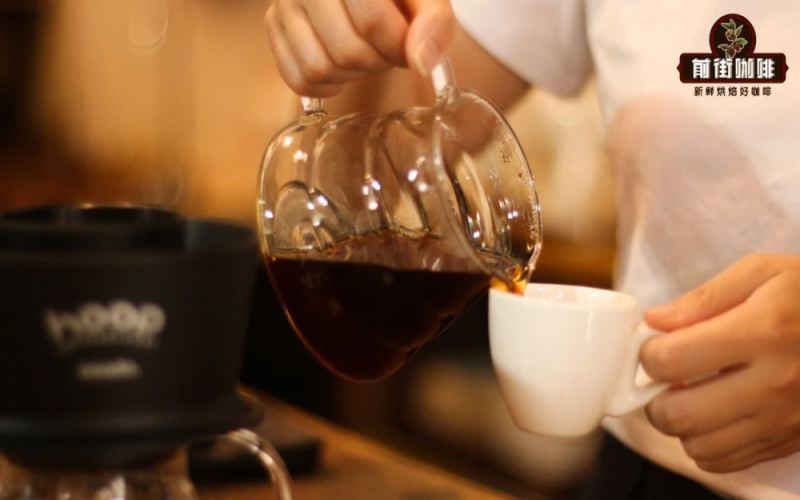
Front Street Coffee Blue Mountain French Press Brewing Guide: Grind Size, Coffee-to-Water Ratio, and Step-by-Step Method
The French press is one of the easiest coffee brewing devices to get started with, and its operation is similar to steeping tea. However, using it to extract an expensive bean like Front Street Blue Mountain No. 1 still requires mastering key variables such as grind size, water temperature, coffee-to-water ratio, and steeping time. This article takes Front Street Jamaican Blue Mountain No. 1 coffee beans as an example, first introducing the flavor characteristics and origin background of this washed Typica, then breaking down in detail the complete operating steps and precautions for the French press. From weighing the beans, pouring water, stirring, to pressing the filter, every step affects the nutty, chocolate, and caramel notes in the final cup, making it a useful reference for coffee lovers who want to consistently reproduce the Blue Mountain flavor at home. [more…]