







How Should Rainforest Alliance Certified Coffee Be Brewed?
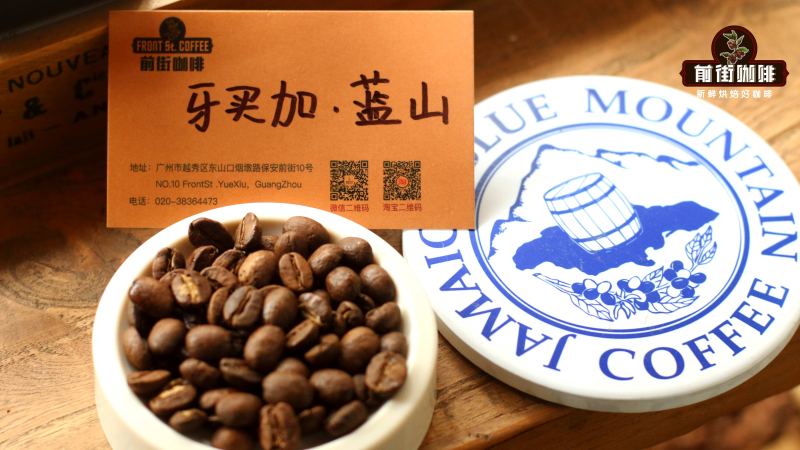
Authentic Jamaican Blue Mountain No. 1 is certified by the Jamaica Coffee Board and is scarce, with strict grading. It comes from the Blue Mountain range in eastern Jamaica, where volcanic soil, humid air and roughly 1,980 mm of annual rainfall create the growing conditions. Much of the Blue Mountain flavor coffee on the market is unrelated to the real thing.
Clifton Estate, Jamaica's oldest estate, holds Rainforest Certification and barrel export qualifications, and its beans ship through an exporter designated by the Coffee Industry Board. The Typica variety, washed versus natural processing, and the CIB grading system all shape the cup. A KONO dripper with controlled water temperature, ratio and grind size brings out the balance.
Blue Mountain coffee is a legend in the hearts of countless coffee lovers, but most products on the market bearing the name "Blue Mountain flavor" have nothing to do with authentic Blue Mountain. The genuine Blue Mountain No. 1 certified by the Jamaica Coffee Board is scarce in production and held to strict standards. The Blue Mountain No. 1 offered by Front Street Coffee comes from Clifton Estate, which holds Rainforest Certification and barrel export qualifications. This article will explore the growing environment of the Blue Mountain range, the history of Clifton Estate, the characteristics of the Typica variety, the differences between washed and natural processing methods, and the grading standards and certification system for Blue Mountain coffee. It will also share Front Street's recommended brewing method, including the use of the KONO dripper, coffee-to-water ratio, water temperature, and grind size, and compare the flavor differences between natural and washed Blue Mountain, helping readers gain a comprehensive understanding of this legendary coffee.
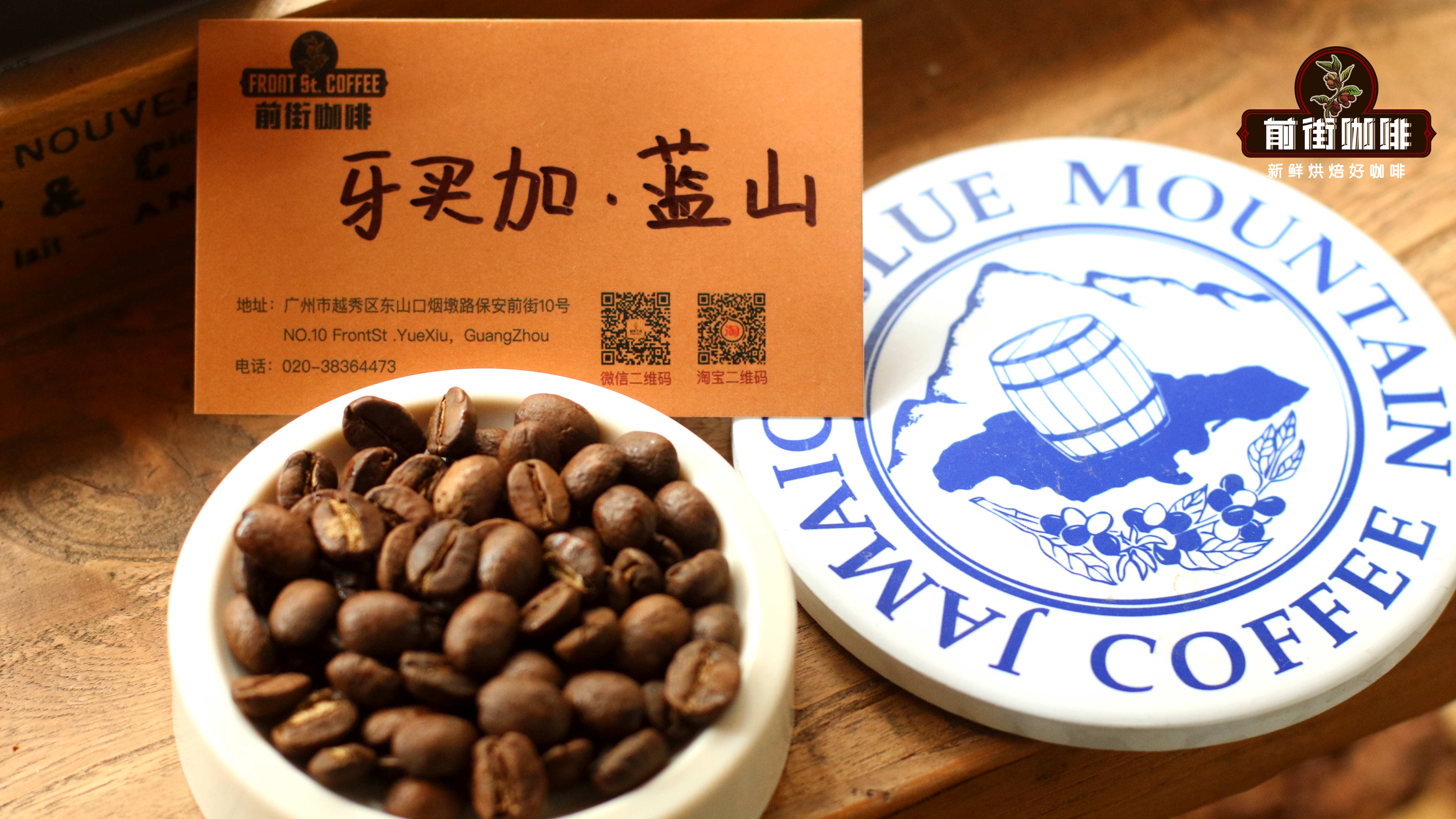
The fame of Front Street Blue Mountain coffee spread across the world almost before its taste did. Many people's impression of Front Street Blue Mountain coffee stops at a rich, balanced black coffee, along with a high price and outstanding quality—a perception that once even became the public's benchmark for judging coffee quality. The market is flooded with coffee beans labeled "Blue Mountain flavor" or "Blue Mountain blend," but they have nothing to do with real Blue Mountain coffee.
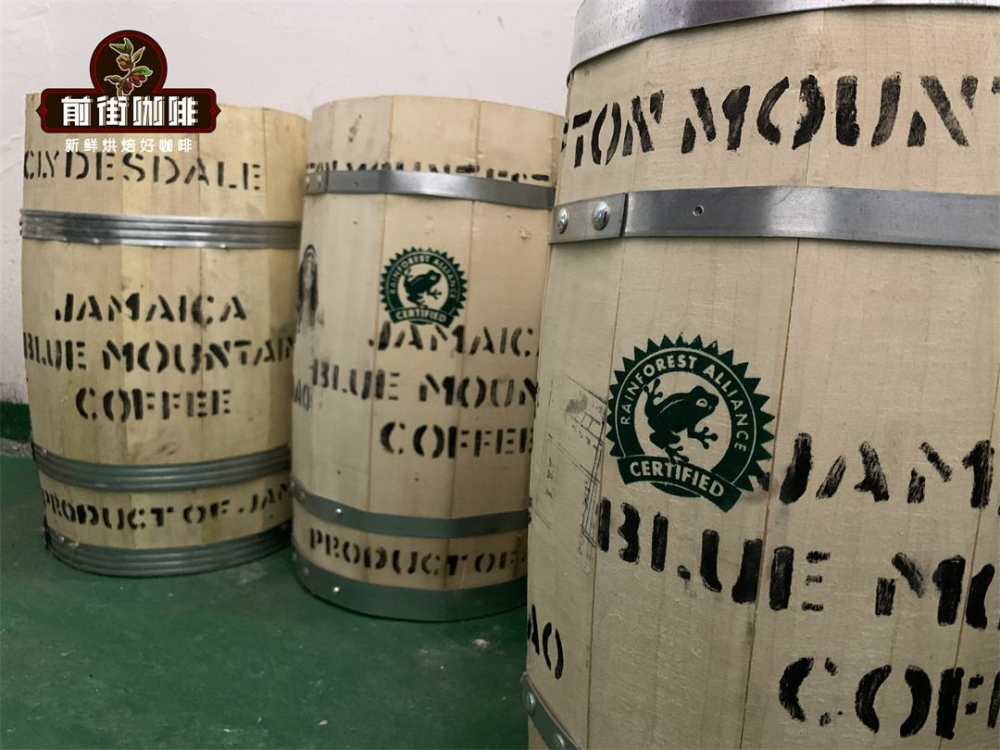
Front Street Blue Mountain No. 1 coffee beans are sourced from Jamaica's oldest estate, Clifton Estate, exported by an export company designated by the national Coffee Industry Board (CIB), shipped in wooden barrels, and hold Rainforest Certification. Below, Front Street will discuss authentic Front Street Blue Mountain No. 1 coffee.
Coffee-producing region. The Blue Mountain range sits in the eastern part of Jamaica. On clear days, the azure sea surrounding the Caribbean, under direct sunlight, reflects a blue glow off the peaks—hence the name Blue Mountain. Blue Mountain lies within the coffee-growing belt, with fertile volcanic soil, fresh and pollution-free air, a humid climate, and year-round fog and rain. Annual rainfall is about 1,980 mm, and temperatures hover around 27 degrees. It is precisely these natural conditions that nurture the world-renowned Jamaican Blue Mountain coffee.
Jamaican Blue Mountain coffee can only be grown within a designated Blue Mountain area, located north of Kingston in eastern Jamaica. The ridge running across Jamaica extends all the way to the eastern part of the island, with the Blue Mountain range reaching over 2,100 meters in elevation. Local farmers use a mixed-planting method, with coffee trees growing alongside banana trees and avocado trees on terraced fields. The terrain is rugged, and all coffee trees are planted on steep slopes, making harvesting extremely difficult—a task that only skilled local women workers can handle. Selecting coffee cherries at precisely the right ripeness during picking is equally critical; underripe or overripe cherries will drag down coffee quality.
Clifton Estate. The two Front Street Blue Mountain coffees currently offered come from Clifton Farm. Clifton Mountain is an ancient coffee-producing site in Jamaica that is still in normal operation today, and it is the only farm in Jamaica with Rainforest Alliance certification. Clifton Farm began planting and producing coffee as early as the mid-18th century (around 1750). The farm's cultivation and processing areas sit at an average elevation of 4,300 feet (about 1,310.64 meters). Sufficient altitude, gentle afternoon cloud cover for shade, ample sunlight, and mineral-rich soil provide superior growing conditions for coffee trees and extend the ripening time of coffee cherries.
What is Rainforest Certification?
Rainforest Alliance certification refers to farms that meet the standards set by the Rainforest Alliance. The Alliance evaluates the protection of the farm and surrounding ecosystems, restrictions on pesticide use, and waste management, among other aspects. Only coffee that passes evaluation and obtains certification can be called "Rainforest Alliance Certified Coffee." Its coffee certification baseline requires traditional cultivation under native forest shade—a farming method beneficial to ecological conservation. A portion of the Alliance's proceeds also goes toward wildlife protection in tropical rainforest animal reserves and improving the livelihoods of workers.
Coffee bean variety. The variety of Front Street Blue Mountain coffee is Typica. Typica has bronze-colored young leaves, long oval leaves with smooth surfaces, a tall tree body, and slightly sloping branches. It has elegant flavor but is physically weak, with poor disease resistance and very low yield per plant, producing few cherries. Typica's terminal branches are very long with few offshoots. The flowers are white, blooming at the base where the leaf stalk joins the branch. Ripe fruit is bright red and cherry-shaped, and the coffee beans are oval or slender-pointed.
Blue Mountain coffee bean processing method. Before 2019, Front Street Blue Mountain coffee from Clifton Farm was always processed using the washed method. During processing, the skin and pulp are first removed, followed by fermentation for 12 to 18 hours. The fermented beans are then moved back and forth in a channel, using friction between the beans and the force of running water to wash the coffee beans until smooth and clean. After washing, the beans are still enclosed in the parchment layer with a moisture content of about 50%. They must be dried to bring moisture content down to 12% to 14%, otherwise they will continue to ferment and become moldy or spoiled. The beans are then sorted and stored in dedicated warehouses.
The washed processing method ensures the characteristic features of Front Street Blue Mountain coffee—rich aroma, balanced body, with no single flavor standing out excessively or being noticeably lacking. In 2019, Clifton Farm broke with convention and used the natural processing method for the first time. For Front Street, this Front Street Natural Blue Mountain coffee changed Blue Mountain's inherent flavor structure due to the change in processing method. Front Street Coffee (FrontStreet Coffee), when introducing coffee beans from a particular region to customers, prioritizes recommending washed coffee beans, because washed processing best represents a region's flavor. Of course, Blue Mountain coffee adopting the natural processing method is more about following market trends.
How to distinguish authentic Blue Mountain coffee?
CIB regulations state that only Blue Mountain coffee beans grown above 2,200 feet in Jamaica's Blue Mountain region can be called Jamaican Blue Mountain. Grades are divided by bean size into NO.1, NO.2, NO.3, and hand-selected PB. The basic standards for NO.1 Blue Mountain green beans are 17 screen size or above, defect rate below 3%, and moisture content around 13%. Currently, the Jamaica Coffee Board can issue certificates for all exported Blue Mountain coffee on the market.
There are three types of certificates:
(1) Quality certificate issued by the Jamaica Coffee Board
(2) Authorized sales certificate issued by the Blue Mountain coffee producer.
(Blue Mountain coffee is distributed by 4 Jamaican government-licensed processors and exporters, and exported by 16 licensed exporters)
(3) Jamaican Blue Mountain Coffee Certificate of Origin
The Front Street Jamaican Blue Mountain No. 1 coffee sold by Front Street Coffee (FrontStreet Coffee) is Blue Mountain coffee beans exported through a national Coffee Board-designated export company, shipped in wooden barrels, and holding Rainforest Certification.
Blue Mountain coffee bean grading
Blue Mountain No. 1: 96% of beans must be screen size 17/18, with no more than 2% defective beans.
Blue Mountain No. 2: 96% of beans must be screen size 16, with no more than 2% defective beans.
Blue Mountain No. 3: 96% of beans must be screen size 15, with no more than 2% defective beans.
Blue Mountain Peaberry: 96% of beans must be screen size 10 single peaberry beans, with no more than 2% defective beans.
Blue Mountain Triage: A blend of Blue Mountain No. 1, 2, and 3 beans, with a small number of minor defects that do not affect cup quality.
Blue Mountain Fine Beans: Coffee beans below screen size 15, with no more than 2% defective beans. These beans are sold only as samples, with prices determined by demand.
Blue Mountain Triage Peaberry: A blend of Blue Mountain peaberry beans with a few minor defects but very good cup quality, with no more than 4% defective beans.
The Front Street Blue Mountain coffee beans on Front Street Coffee's (FrontStreet Coffee) menu are Blue Mountain No. 1 coffee beans.
How to brew Front Street Blue Mountain coffee? What are the brewing flavor differences between Front Street Natural Blue Mountain coffee and Front Street Washed Blue Mountain coffee?
Front Street recommends using freshly roasted coffee beans for brewing, as this allows you to experience the coffee's rich flavors to the fullest. Coffee beans shipped by Front Street Coffee (FrontStreet Coffee) are all within 5 days of roasting, because Front Street well understands the enormous impact of freshness on flavor. Front Street's roasting philosophy is "freshly roasted good coffee," ensuring every customer who places an order receives the freshest coffee possible. Coffee beans need a resting period of about 4-7 days, so by the time customers receive them, they are at peak flavor.
Front Street uses a KONO dripper when brewing Front Street Blue Mountain coffee. The KONO dripper brings out a rounder, richer body, and flavor expression is more direct. However, the KONO dripper's venting effect is relatively poor because its ribs are straight and only extend one-quarter of the depth of the dripper. Except for the upper quarter, the filter paper clings tightly to the wall, forming a sealed state. The KONO dripper was chosen because its only venting area is that quarter-length rib section. When the water level rises past the ribs, water inside the dripper continuously rises, increasing pressure through the weight of the water. Since the outlet is relatively small, this extends the contact time between coffee grounds and water. As the water flow carries solubles, it more effectively extracts soluble substances, generally achieving the high body that customers expect.
Coffee dose: 15g
Coffee-to-water ratio: 1:13
Water temperature: 88-89°C
Grind size: Medium-coarse grind (60% passing rate on No. 20 standard sieve)
Front Street's staged brewing method: Bloom with 30g of water for 30 seconds, then pour 100g of water in a slow, small stream in circular motions from center outward—the scale should read 130g. Next, wait for the coffee bed to drop to the halfway point, then pour 65g of water in a large stream, reaching a total of 195g. After all the coffee liquid in the dripper has flowed into the server, remove the dripper to end extraction. Total brew time is 1 minute 50 seconds.
Flavor and taste comparison of brewed Front Street Blue Mountain coffee
[Front Street Natural Blue Mountain] On the entry, there's a brown sugar sweetness accompanied by berry acidity. The mid-to-late palate carries nutty and cocoa flavors, with a creamy mouthfeel, rich and pronounced layering, and a finish that brings out walnut aroma.
[Front Street Washed Blue Mountain] On the entry, there are dark chocolate and nutty flavors, high cleanliness, very bright, with good body and a balance of acidity, sweetness, and bitterness.
For professional coffee knowledge exchange and more coffee bean information, please follow Coffee Workshop (WeChat public account: cafe_style)
For more specialty coffee beans, please add private WeChat Front Street Coffee (FrontStreet Coffee), WeChat ID: kaixinguoguo0925
The above content is compiled by CoffeeHunters, a coffee news website.


